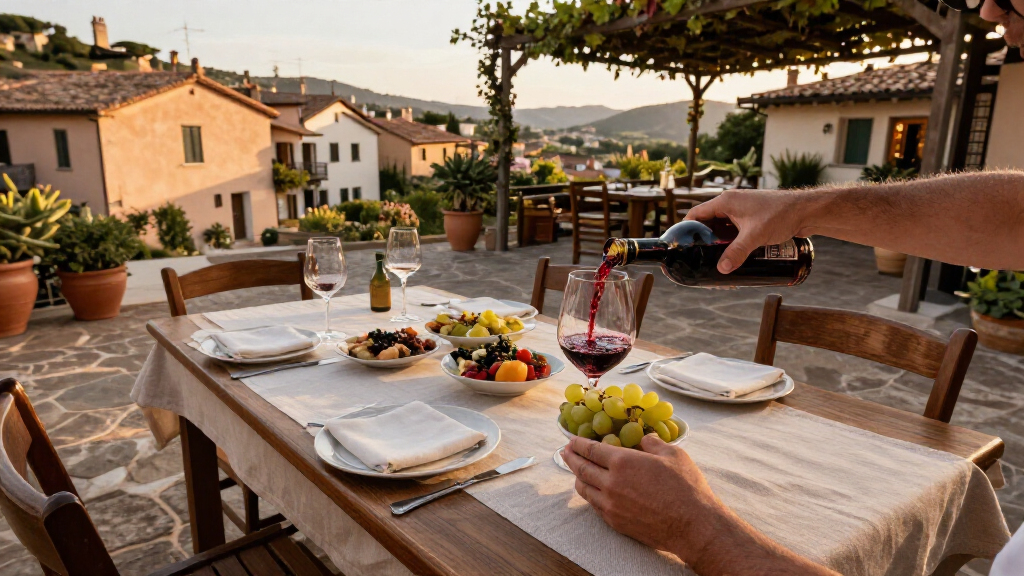
The best California wines depend on whether you want a classic full-strength bottle or an alcohol-removed option. My best overall pick is Justin Paso Robles Cabernet Sauvignon, a strong fit for shoppers seeking a California red with a clear regional identity. Duckhorn Napa Valley Chardonnay stands out for white-wine drinkers, while Tomorrow Cellars’ non-alcoholic duo offers more variety for those avoiding alcohol. The central tradeoff is between traditional wine character and alcohol-free convenience, with price, style, and occasion shaping the choice. Continue reading for the full breakdown of all 10 picks and how they compare.

Get kitchen staples and gadgets delivered free with Prime
- Fast, free delivery on millions of items
- Prime Video, Amazon Music and more included
- Member-only deals all year
Key Takeaways
- Justin Paso Robles Cabernet Sauvignon takes the overall lead because it offers a traditional California red with a specific regional identity, while Caymus is the more premium-leaning Cabernet choice.
- Duckhorn Napa Valley Chardonnay is the clearest full-strength white pick; Sutter Home FRE Chardonnay instead serves buyers who want an alcohol-removed option.
- The five Sutter Home FRE choices cover several familiar styles, including still reds, still whites, and sparkling Brut, but they are not direct substitutes for full-strength wines.
- Tomorrow Cellars’ duo stands apart among alcohol-free picks by pairing a Rhône Blanc with a Petite Sirah Red Blend rather than offering two bottles of one style.
- The roundup’s main choice is not simply red versus white: decide first whether alcohol removal, sparkling wine, or conventional wine matters most, then narrow by grape and region.
| Sutter Home Fre Chardonnay, California, 2-Pack |  | Best for Creamy, Food-Friendly Whites | Variety: Chardonnay | Origin: California | Quantity: 2 bottles | VIEW LATEST PRICE | See Our Full Breakdown |
| Sutter Home FRE Merlot, California, 2 Bottles |  | Best for Versatile Non-Alcoholic Reds | Brand: Sutter Home | Product: FRE Merlot | Varietal: Merlot | VIEW LATEST PRICE | See Our Full Breakdown |
| Sutter Home Fre Sauvignon Blanc, 2-Pack |  | Best for Crisp, Lighter Pairings | Varietal: Sauvignon Blanc | Origin: California | Pack size: 2 bottles | VIEW LATEST PRICE | See Our Full Breakdown |
| Sutter Home Fre Red Blend, California Vineyards, 2-Pack |  | Best for Smoky, Spiced Red-Blend Character | Product type: Non-alcoholic red blend | Origin: California vineyards | Pack size: 2 bottles | VIEW LATEST PRICE | See Our Full Breakdown |
| Sutter Home Fre Cabernet Sauvignon from California Vineyards, 1 Pack |  | Best for a Single-Bottle Cabernet Pick | Varietal: Cabernet Sauvignon | Origin: California vineyards | Pack size: 1 bottle | VIEW LATEST PRICE | See Our Full Breakdown |
| Caymus Vineyards Cabernet Sauvignon Red Wine, 750 mL |  | Best for a Rich Napa Cabernet | Wine type: Cabernet Sauvignon | Bottle size: 750 mL | Origin: Napa Valley, California, USA | VIEW LATEST PRICE | See Our Full Breakdown |
| Justin Paso Robles Cabernet Sauvignon, 750 mL |  | Best for Spice-Accented Cabernet | Varietal: Cabernet Sauvignon | Region: Paso Robles, California | Bottle size: 750 mL | VIEW LATEST PRICE | See Our Full Breakdown |
| Duckhorn Vineyards Napa Valley Chardonnay White Wine, 750 mL |  | Best for Oak-Aged Napa Chardonnay | Wine type: Chardonnay | Region: Napa Valley, USA | Bottle size: 750 mL | VIEW LATEST PRICE | See Our Full Breakdown |
| Sutter Home Fre Alcohol-Removed Sparkling Brut, California, 2-Pack |  | Best Alcohol-Removed Sparkling Pick | Type: Alcohol-removed sparkling wine | Origin: California | Pack size: 2 bottles | VIEW LATEST PRICE | See Our Full Breakdown |
| Tomorrow Cellars Non-Alcoholic Wine Duo, Rhône Blanc and Petite Sirah Red Blend |  | Best Non-Alcoholic Red-and-White Set | Brand: Tomorrow Cellars | Pack size: 2 bottles | White wine: Rhône Blanc, 24.5 fl oz | VIEW LATEST PRICE | See Our Full Breakdown |
| California wine | Origin | Pack size | Flavor notes |
|---|---|---|---|
| Sutter Home Fre Chardonnay | California | — | Ripe apple, pear, subtle citrus |
| Sutter Home FRE Merlot | California | 2 bottles | Plum, black currant, dark fruit |
| Sutter Home Fre Sauvignon Blan | California | 2 bottles | — |
| Sutter Home Fre Red Blend | California vineyards | 2 bottles | — |
| Sutter Home Fre Cabernet Sauvi | California vineyards | 1 bottle | Blackberry, black cherry, plum |
| Caymus Vineyards Cabernet Sauv | Napa Valley, California, USA | — | Cocoa, cassis, and ripe dark berries |
| Justin Paso Robles Cabernet Sa | — | — | — |
| Duckhorn Vineyards Napa Valley | — | — | — |
| Sutter Home Fre Alcohol-Remove | California | 2 bottles | Apple and strawberry |
| Tomorrow Cellars Non-Alcoholic | California | 2 bottles | — |
More Details on Our Top Picks
Sutter Home Fre Chardonnay, California, 2-Pack
Sutter Home Fre Chardonnay is the more rounded white choice in this group, pairing ripe apple and pear with subtle citrus and a creamy, velvety texture. That softer profile sets it apart from Sutter Home Fre Sauvignon Blanc, whose fresh acidity and green-grass aromas make it the crisper pick for salads and vegetables. Chardonnay fits better alongside poultry, seafood, creamy pasta, or mild cheeses, so it suits a meal where a sharper white could feel less harmonious. The two-bottle pack also gives hosts an extra bottle to keep chilled. Its tradeoff is the gentle, lingering finish: buyers who want pronounced acidity may prefer the Sauvignon Blanc. The serving guidance calls for chilling, so this is less suited to someone seeking a pour intended to be served at room temperature.
Pros:- Ripe apple, pear, and subtle citrus offer a rounded fruit profile.
- Creamy, velvety texture suits richer dishes and mild cheeses.
- Two-bottle pack is convenient for sharing or keeping a second bottle on hand.
- Pairs with poultry, seafood, and creamy pasta.
Cons:- The creamy, lightly lingering finish may feel too soft for drinkers who prefer a sharper white.
- Serving guidance calls for chilling, which requires planning ahead.
Best for: White-wine drinkers seeking a softer, creamy California Chardonnay to serve with poultry, seafood, creamy pasta, or mild cheeses.
Not ideal for: Buyers who prefer sharply acidic whites or want a bottle that does not need chilling; Sutter Home Fre Sauvignon Blanc is the crisper alternative.
- Variety:Chardonnay
- Origin:California
- Quantity:2 bottles
- Flavor notes:Ripe apple, pear, subtle citrus
- Finish:Crisp, velvety, and lightly lingering
- Serving suggestion:Serve chilled
Our verdict“Choose this two-pack for a mellow, creamy Chardonnay to pair with richer foods; pick the Sauvignon Blanc instead if crisp acidity matters more.”
Sutter Home FRE Merlot, California, 2 Bottles
Sutter Home FRE Merlot offers a dark-fruit direction, with ripe plum and black currant aromas and a smooth, full finish. Compared with Sutter Home Fre Cabernet Sauvignon, which highlights blackberry, black cherry, and plum in a single-bottle pack, this Merlot is positioned as a flexible two-bottle option for meals, glasses, or wine-inspired mocktails. Its suggested pairings span grilled meats, roasted vegetables, pasta, casseroles, and cheeses, giving it a broader everyday role than the more specifically described red blend, which leans on black cherry, smoke, and spice. The product details do not specify the Merlot’s finish beyond its smooth, full character or give more precise serving guidance, so buyers seeking a clearly defined flavor profile may prefer the Cabernet. The two-bottle format is useful for sharing but less suited to a one-bottle trial.
Pros:- Ripe plum and black currant aromas bring clear dark-fruit character.
- Smooth, full finish suits red-wine-style pairings.
- Suggested pairings include meats, vegetables, pasta, casseroles, and cheeses.
- Two bottles support sharing or using the wine across more than one occasion.
Cons:- Two bottles may be more than a first-time buyer wants to commit to.
- The product details provide less specific guidance about serving conditions and texture than the Chardonnay listing.
Best for: Shoppers seeking a non-alcoholic California Merlot for varied meals, shared servings, or wine-inspired mocktails.
Not ideal for: Buyers who want one bottle to try first or prefer a more specifically described profile; the single-bottle Cabernet may be a better fit for a smaller commitment.
- Brand:Sutter Home
- Product:FRE Merlot
- Varietal:Merlot
- Origin:California
- Pack size:2 bottles
- Flavor notes:Plum, black currant, dark fruit
- Finish:Smooth and full
Our verdict“Pick this Merlot if you want a two-bottle, dark-fruited non-alcoholic red with varied pairing uses; choose the Cabernet if you prefer a single bottle and named berry notes.”
Sutter Home Fre Sauvignon Blanc, 2-Pack
Sutter Home Fre Sauvignon Blanc is the most clearly crisp white among these Sutter Home options, combining fresh acidity, tropical flavors, and green-grass aromas. That gives it a different job from Sutter Home Fre Chardonnay: the Chardonnay’s creamier texture better matches mild cheeses and creamy pasta, while this Sauvignon Blanc is better suited to seafood, salads, light pastas, and fresh vegetables. It is a practical fit for buyers who want a lighter-feeling white with food rather than a softer, rounded profile. The two-bottle pack supports sharing, though both bottles need chilling before serving. The listed flavor details are less specific than the Chardonnay’s named apple, pear, and citrus notes, so shoppers who want a more detailed fruit description may find that comparison less useful. This is also not the choice for drinkers seeking a creamy finish.
Pros:- Fresh acidity gives it a crisp, refreshing character.
- Green-grass aromas distinguish it from the Chardonnay’s softer fruit profile.
- Pairs with seafood, salads, light pastas, and fresh vegetables.
- Two-bottle pack is suited to sharing.
Cons:- Must be served chilled according to the serving suggestion.
- The product details give fewer specific flavor notes than those for the Chardonnay.
- Its crisp style may not suit drinkers who prefer a creamy, rounded white.
Best for: Drinkers who prefer a crisp, fresh-tasting California white to serve with seafood, salads, light pasta, or vegetables.
Not ideal for: Buyers seeking creamy texture, a softer white for richer dishes, or detailed named fruit notes; Sutter Home Fre Chardonnay provides a rounder profile.
- Varietal:Sauvignon Blanc
- Origin:California
- Pack size:2 bottles
- Flavor profile:Tropical flavors
- Aroma:Green grass
- Acidity:Fresh
- Serving suggestion:Serve chilled
Our verdict“Choose this Sauvignon Blanc for crispness and lighter meals; choose the Chardonnay for a creamier white that better matches richer dishes.”
Sutter Home Fre Red Blend, California Vineyards, 2-Pack
Sutter Home Fre Red Blend takes a more distinctive aromatic route than the Merlot or Cabernet in this lineup, pairing bold black cherry with a subtle smoky, spiced finish. That makes it the pick for buyers who want a red blend with a savory accent rather than the Merlot’s plum and black currant emphasis or the Cabernet’s blackberry, black cherry, and plum. Its two-pack is practical for sharing, but the available product details say less about texture, food pairings, or serving conditions than the descriptions for those varietals. That limited detail makes it harder to match with a particular meal before buying. Compared with Sutter Home Fre Merlot, it has a more unusual flavor cue but less pairing guidance; buyers who value specific meal suggestions may find the Merlot easier to choose.
Pros:- Bold black-cherry aromas give the blend a clear fruit focus.
- Subtle smoky and spiced finish adds a savory contrast.
- Two-pack suits sharing or keeping another bottle available.
Cons:- The product details do not specify texture or body.
- No food-pairing suggestions are provided, making meal matching less straightforward.
- The available description gives less varietal detail than the Merlot and Cabernet listings.
Best for: Shoppers who want a two-bottle California non-alcoholic red blend with black-cherry fruit and a subtle smoky, spiced finish.
Not ideal for: Buyers who need detailed food-pairing advice or want named varietal and texture details; Sutter Home Fre Merlot offers broader stated pairing suggestions.
- Product type:Non-alcoholic red blend
- Origin:California vineyards
- Pack size:2 bottles
- Aroma:Bold black cherry
- Finish:Subtle smoky and spiced
- Blend style:Red blend
Our verdict“Pick this blend for black cherry with smoky spice, but choose the Merlot if detailed pairing guidance matters more.”
Sutter Home Fre Cabernet Sauvignon from California Vineyards, 1 Pack
Sutter Home Fre Cabernet Sauvignon is the focused choice for shoppers who want one bottle of a dark-fruited California red. Blackberry, black cherry, and plum lead into a smooth, velvety body, with suggested pairings that include grilled meats, hearty pasta, cheeses, and savory dishes. Compared with the two-bottle Sutter Home Fre Merlot, this Cabernet trades the Merlot’s plum-and-currant description and broader stated uses, such as mocktails, for a single bottle and a more specific set of berry notes. It also differs from the Red Blend’s smoky, spiced finish, which is the better match for those seeking a savory accent. The main tradeoff is pack size: there is no second bottle for sharing or saving, and the details do not state a finish beyond the smooth, velvety texture.
Pros:- Blackberry, black cherry, and plum provide a clearly described dark-fruit profile.
- Smooth, velvety body offers a rounded texture.
- Pairs with grilled meats, hearty pasta, cheeses, and savory dishes.
- Single-bottle pack suits buyers who want one bottle rather than a two-pack.
Cons:- One bottle offers less flexibility for sharing or keeping a spare than the Merlot and Red Blend two-packs.
- The description does not specify a finish or serving suggestion.
- Its dark-fruit profile may not suit buyers looking for the Red Blend’s smoky, spiced character.
Best for: Buyers who want one bottle of non-alcoholic California Cabernet to pair with grilled meats, hearty pasta, cheese, or savory dishes.
Not ideal for: Hosts seeking multiple bottles or shoppers who prefer plum-and-currant notes with broader stated uses; the two-bottle Merlot is a closer fit.
- Varietal:Cabernet Sauvignon
- Origin:California vineyards
- Pack size:1 bottle
- Flavor notes:Blackberry, black cherry, plum
- Texture:Smooth and velvety
- Suggested pairings:Grilled meats, hearty pastas, cheeses, savory dishes
Our verdict“Choose this Cabernet if one bottle of smooth, dark-fruited red suits your meal; pick the Merlot for a two-bottle pack or the Red Blend for smoky spice.”
Caymus Vineyards Cabernet Sauvignon Red Wine, 750 mL
Rich fruit and velvety tannins make this the boldest choice in this group for shoppers seeking a classic, full-bodied California Cabernet. Sourced from eight Napa Valley sub-appellations, it brings together cocoa, cassis, and ripe dark berry notes in a dark, concentrated style. Compared with Justin Paso Robles Cabernet Sauvignon, Caymus leans more toward a plush, layered Napa profile, while Justin offers cherry, spice, and tobacco accents. That richness suits hearty meals or drinkers who prefer a softer-feeling tannin structure, but it may overwhelm those looking for a lighter, more restrained red. Vintage may vary, so the bottle’s specific year is not fixed. I’d choose Caymus for a fruit-forward Napa centerpiece, not for a subtle or lean Cabernet.
Pros:- Grapes are sourced from eight Napa Valley sub-appellations.
- Cocoa, cassis, and ripe dark berry notes offer layered flavor.
- Rich fruit and velvety tannins suit a plush, full-bodied style.
Cons:- Its rich fruit profile may feel too bold for drinkers who prefer leaner reds.
- Vintage may vary, limiting year-specific selection.
Best for: Drinkers seeking a rich, dark-fruited Napa Valley Cabernet to serve with hearty meals or enjoy as a full-bodied red.
Not ideal for: Buyers who prefer lighter-bodied, restrained Cabernet or need a specific vintage.
- Wine type:Cabernet Sauvignon
- Bottle size:750 mL
- Origin:Napa Valley, California, USA
- Grape sourcing:Eight Napa Valley sub-appellations
- Flavor notes:Cocoa, cassis, and ripe dark berries
- Style:Dark color, rich fruit, and velvety tannins
- Vintage:May vary
Our verdict“Choose Caymus for a plush, dark-fruited Napa Cabernet; pick Justin Paso Robles instead for more cherry, spice, and tobacco character.”
Justin Paso Robles Cabernet Sauvignon, 750 mL
Ripe fruit with savory accents gives Justin a distinct place beside the richer Napa style of Caymus Cabernet Sauvignon. Its Paso Robles profile combines cherry and blackcurrant with baking spice, sweet tobacco, oak, and cocoa, so the wine offers more than dark fruit alone. Hand-picked and sorted grapes are part of the production approach, while the smooth palate makes this a good fit for buyers who want Cabernet with noticeable oak and spice but without an especially austere presentation. Compared with Caymus, Justin reads as more overtly spiced and savory; Caymus is the more concentrated, velvety-fruited option. The tradeoff is that oak and ripe fruit may crowd out buyers seeking a crisp, restrained red, and vintage may vary.
Pros:- Grapes are hand-picked and sorted.
- Smooth profile features ripe cherry, blackcurrant, and other fruit notes.
- Baking spice, sweet tobacco, oak, and cocoa add savory complexity.
Cons:- Ripe fruit and oak accents may not suit buyers who prefer a restrained style.
- Vintage may vary.
Best for: Cabernet drinkers who enjoy ripe black and red fruit alongside baking spice, oak, cocoa, and tobacco notes.
Not ideal for: Shoppers seeking a light-bodied, minimally oaked Cabernet or a guaranteed vintage.
- Varietal:Cabernet Sauvignon
- Region:Paso Robles, California
- Bottle size:750 mL
- Aromas and flavor notes:Ripe cherry, blackcurrant, baking spice, sweet tobacco, oak, and cocoa
- Grape handling:Hand-picked and sorted grapes
- Palate:Mostly black fruit with spice and oak accents
- Vintage:May vary
Our verdict“Choose Justin for a smooth Paso Robles Cabernet with spice and tobacco accents; choose Caymus for a plusher, darker-fruited Napa style.”
Duckhorn Vineyards Napa Valley Chardonnay White Wine, 750 mL
French-oak texture sets Duckhorn apart from the Cabernet-led Caymus and Justin bottles in this lineup. Sourced from Napa Valley areas including Carneros, Oak Knoll, Saint Helena, and Atlas Peak, this Chardonnay is mostly barrel-fermented and aged for 10 months in French oak, with lees stirring. That approach points toward a fuller, more textured white suited to lobster, seafood, chicken, or pork with butter and cream sauces. The oak program includes both new and older barrels, offering more detail than a simple stainless-steel style, but it will not suit everyone: drinkers who want crisp, unoaked Chardonnay may find the barrel influence too prominent. Compared with the alcohol-removed Sutter Home Fre sparkling Brut, Duckhorn is a conventional still wine built around food pairing and oak-derived texture.
Pros:- Fruit is sourced from several Napa Valley vineyard areas.
- Ten months in French oak and lees stirring contribute a textured style.
- Pairs with seafood, chicken, and pork served with rich sauces.
- The oak blend includes new, second-vintage, and neutral French oak.
Cons:- Predominantly barrel-fermented, so it may not suit fans of crisp, unoaked Chardonnay.
- Suggested pairings lean toward rich butter- and cream-based dishes.
Best for: Chardonnay drinkers planning a meal with seafood, poultry, or pork in butter- or cream-based sauces and who enjoy French-oak influence.
Not ideal for: Buyers who prefer unoaked, stainless-steel-fermented Chardonnay or want a sparkling or alcohol-removed wine.
- Wine type:Chardonnay
- Region:Napa Valley, USA
- Bottle size:750 mL
- Vineyard areas:Carneros, Oak Knoll, Saint Helena, and Atlas Peak
- Fermentation:95% barrel-fermented; 5% stainless-steel-fermented
- Barrel aging:10 months in 100% French oak
- Oak composition:40% new, 30% second-vintage, and 30% neutral French oak
- Suggested pairings:Lobster, fish, shrimp, chicken, or pork with butter or cream sauces
Our verdict“Choose Duckhorn for Napa Chardonnay with French-oak texture and rich-food pairing appeal, rather than a lean or unoaked white.”
Sutter Home Fre Alcohol-Removed Sparkling Brut, California, 2-Pack
Dry, refreshing bubbles without conventional wine alcohol make this the clearest choice here for shoppers seeking an alcohol-removed California sparkling option. Green apple and ripe pear aromas lead into apple and strawberry flavors, with a dry finish. The spinning cone process removes alcohol while aiming to preserve the wine’s aromas and flavors. Unlike Duckhorn Napa Valley Chardonnay, this is sparkling rather than still and is offered as a two-bottle pack; unlike Tomorrow Cellars’ duo, it focuses on one sparkling style rather than pairing a white with a red blend. Its crisp profile can accompany savory foods such as sushi, fried chicken, or creamy seafood pasta. The main tradeoff is part of the category itself: alcohol-removed wine differs from conventional sparkling wine in both composition and drinking experience.
Pros:- Green apple and ripe pear aromas pair with apple and strawberry flavors.
- Dry, refreshing finish and delicate bubbles offer a sparkling alternative.
- Spinning cone processing is used to remove alcohol while aiming to preserve aromas and flavors.
- Two-bottle pack and varied savory-food pairings support sharing.
Cons:- Alcohol-removed wine differs from conventional sparkling wine.
- Offers a single sparkling style, unlike Tomorrow Cellars’ white-and-red duo.
Best for: People seeking a California sparkling option with alcohol removed to serve alongside savory food or at a gathering.
Not ideal for: Shoppers seeking conventional sparkling wine with alcohol or a set that includes both red and white styles.
- Type:Alcohol-removed sparkling wine
- Origin:California
- Pack size:2 bottles
- Aromas:Green apple and ripe pear
- Flavor notes:Apple and strawberry
- Finish:Dry and refreshing
- Alcohol removal process:Spinning cone process
- Suggested pairings:Creamy seafood pasta, sushi, fried chicken, nutty cheeses, potato blinis with caviar, or potato chips
Our verdict“Choose Sutter Home Fre Brut for a dry, food-friendly California sparkling option with alcohol removed, not as a substitute for conventional sparkling wine.”
Tomorrow Cellars Non-Alcoholic Wine Duo, Rhône Blanc and Petite Sirah Red Blend
Two distinct California styles in one set make Tomorrow Cellars the most versatile pick here for buyers who want both a white and a red option without conventional alcohol. The Rhône Blanc is made with sustainably grown Marsanne grapes and has pear, honeysuckle, and citrus notes; the oak-aged Petite Sirah red blend brings dark cherry, cassis, cocoa, and warm spice. Both are de-alcoholized to under 0.35% ABV and described as low-calorie and low-sugar. Compared with Sutter Home Fre Sparkling Brut, this duo offers a still white and red rather than a sparkling style, giving it more range across meals. That variety comes with a tradeoff: trace alcohol remains, and the bottles are not exactly the same size. Buyers seeking a single conventional wine should choose another option.
Pros:- Includes both a Rhône Blanc and a Petite Sirah red blend.
- Offers distinct tasting profiles for different meals and preferences.
- Made with California grapes using traditional winery techniques.
- Both wines are described as low-calorie and low-sugar.
Cons:- Contains trace alcohol at under 0.35% ABV.
- The two bottle sizes differ: 24.5 fl oz and 25 fl oz.
Best for: Shoppers who want both a white and a red California wine alternative, with low-calorie and low-sugar profiles.
Not ideal for: Anyone avoiding all trace alcohol, or buyers who want a single wine style or matching bottle sizes.
- Brand:Tomorrow Cellars
- Pack size:2 bottles
- White wine:Rhône Blanc, 24.5 fl oz
- Red wine:Petite Sirah Red Blend, 25 fl oz
- Alcohol content:Under 0.35% ABV
- Origin:California
- White wine tasting notes:Pear, honeysuckle, and citrus
- Red wine tasting notes:Dark cherry, cassis, cocoa, and warm spices
- Features:Low-calorie and low-sugar profiles
Our verdict“Choose Tomorrow Cellars for a low-sugar, low-calorie California white-and-red duo, but skip it if you need zero trace alcohol.”
How We Picked
I ranked these bottles by how clearly each serves a distinct California-wine buyer: traditional red and white drinkers, shoppers seeking alcohol-removed wines, and anyone wanting sparkling wine or a mixed-style set. I weighed style and regional identity alongside practical fit, including whether the selection offers one familiar varietal or more than one wine style. Those factors help distinguish a Napa Chardonnay or Paso Robles Cabernet from California-labeled alcohol-removed options without treating them as interchangeable.
The order reflects role and versatility, not a claim that one bottle suits every palate. Justin leads as a broadly useful traditional red; Duckhorn and Caymus offer more focused premium-leaning alternatives, while the Sutter Home FRE bottles and Tomorrow Cellars duo rank for specific alcohol-free needs. I considered the tradeoff each pick asks buyers to accept, such as choosing alcohol removal over conventional wine or a single style over a varied set. I did not treat pack size as a measure of wine quality.
| California wine | Origin | Flavor notes |
|---|---|---|
| Sutter Home Fre Chardonnay | California | Ripe apple, pear, subtle citrus |
| Sutter Home FRE Merlot | California | Plum, black currant, dark fruit |
| Sutter Home Fre Sauvignon Blan | California | — |
| Sutter Home Fre Red Blend | California vineyards | — |
| Sutter Home Fre Cabernet Sauvi | California vineyards | Blackberry, black cherry, plum |
| Caymus Vineyards Cabernet Sauv | Napa Valley, California, USA | Cocoa, cassis, and ripe dark berries |
| Justin Paso Robles Cabernet Sa | — | — |
| Duckhorn Vineyards Napa Valley | — | — |
| Sutter Home Fre Alcohol-Remove | California | Apple and strawberry |
| Tomorrow Cellars Non-Alcoholic | California | — |
Factors to Consider When Choosing Best California Wines
Before choosing a bottle, decide which part of “California wine” matters most to you: a conventional wine style, a named region, or an alcohol-removed format. The following factors help prevent mismatched expectations and make comparisons between these very different options more useful.
Choose the wine format before the grape
Start by deciding whether you want conventional wine, alcohol-removed wine, or sparkling wine. Alcohol-removed bottles can suit occasions where avoiding alcohol is the priority, but they are not a direct flavor replacement for full-strength wines. Sparkling Brut also has a different role from a still white, even when both are served chilled. A common mistake is to compare these formats as though only the grape changes. If the occasion calls for a celebratory pour, prioritize bubbles; if the occasion calls for a traditional wine experience, focus on the conventional bottles. This choice can narrow the lineup faster than choosing between Cabernet and Chardonnay.
Read regional labels as clues, not guarantees
California is a broad source region, so a Napa Valley or Paso Robles designation gives more geographic detail than a general California label. That information can help you choose a bottle when regional identity matters, but it does not guarantee that you will prefer its flavor. A common mistake is assuming every California Cabernet tastes alike or that a named region alone predicts body and intensity. Consider region alongside grape, production style, and the occasion. If you are choosing a bottle as a gift, a specific regional label can communicate more than a broad state designation. For everyday selection, the style you enjoy may matter more than the map.
Match the grape to the meal and your usual preferences
Cabernet Sauvignon, Merlot, and red blends give red-wine drinkers different routes through the lineup, while Chardonnay and Sauvignon Blanc offer contrasting white-wine options. Think about what you already enjoy and what you plan to serve rather than choosing by grape reputation alone. A familiar Cabernet may be easier to select for a hearty meal, while a white can better fit a lighter menu or a chilled serving preference. Blends can suit buyers who want a broader style rather than a single-varietal label. Avoid buying several bottles of a style you have not tried just because the grape is well known. For an unfamiliar pick, a two-bottle pack can be useful only if you are comfortable committing to both bottles.
Set expectations for alcohol-removed wine
Alcohol removal changes the wine category and should shape how you judge the bottle. Choose these options for the need they address—such as avoiding alcohol—not because you expect them to taste exactly like a conventional counterpart. The lineup includes single-style FRE bottles, a sparkling choice, and a Tomorrow Cellars duo with two distinct wines. Think about whether you want one familiar style or variety across the set. Check the product label for current ingredient, alcohol-content, and serving information, especially if you have a strict dietary or alcohol-avoidance requirement. That small check is more useful than relying on the front label alone.
Decide when regional specificity is worth paying for
A bottle with a named Napa Valley or Paso Robles origin may appeal when you want a more specific sense of place or are selecting a gift. That does not make a broadly labeled California bottle a poor choice; it may be a better fit when the format or familiar varietal matters more. Avoid paying extra solely for a place name if you are not interested in regional differences or cannot identify the style you prefer. For a special meal, you may value a conventional wine with a focused regional identity. For a gathering with mixed preferences, a familiar varietal or a set with more than one style can be easier to use. Let the occasion decide whether specificity adds real value for you.
Check bottle count and serving plans
Several selections are sold as two-bottle packs, while others are individual bottles or a mixed duo. A pack can simplify planning for a group or provide a repeat pour, but it also means committing to multiple bottles of the same style. A mixed set may give you more choice, though it can be less convenient if everyone wants the same wine. Check the listed bottle count and formats before ordering; product names can refer to a multipack rather than one bottle. Think about how quickly you expect to serve the wine and whether you have storage space. Matching the pack to your occasion helps avoid buying more of one style than you can use.
Frequently Asked Questions
Which bottle should I choose if I want one traditional California red?
Start with Justin Paso Robles Cabernet Sauvignon if you want the roundup’s best all-around conventional red pick. It provides a specific regional identity and keeps the choice straightforward for a buyer focused on Cabernet. Choose Caymus Vineyards Cabernet Sauvignon instead if you are looking for the roundup’s more premium-leaning red option. If you prefer a softer varietal choice or a blend, the Sutter Home FRE Merlot and Red Blend are alcohol-removed alternatives, not direct replacements for traditional wine. Match the bottle to both your preferred format and grape.
Are alcohol-removed wines interchangeable with regular California wines?
No. Alcohol-removed wines serve a different need and should not be selected with the expectation that they will reproduce every quality of conventional wine. This lineup offers alcohol-removed Chardonnay, Sauvignon Blanc, Merlot, Cabernet Sauvignon, a red blend, sparkling Brut, and a mixed Tomorrow Cellars duo. Pick by style and occasion, and read the label for alcohol-content details if avoiding alcohol is a strict requirement. If traditional wine character is your priority, choose one of the conventional bottles instead. The right option depends on which tradeoff matters more to you.
Which California white is the better fit for a dinner: Chardonnay or Sauvignon Blanc?
Choose between them based on the style you normally enjoy and the meal, rather than assuming one is universally better. Duckhorn Napa Valley Chardonnay is the conventional white choice in this lineup, while Sutter Home FRE Chardonnay offers an alcohol-removed format. Sutter Home FRE Sauvignon Blanc adds another alcohol-removed white style for buyers who want an alternative to Chardonnay. If you want a conventional California white, Duckhorn is the direct match here; if alcohol removal takes priority, compare the two FRE varietals. Check serving suggestions on the label and plan around your guests’ preferences.
Is a two-bottle pack a good choice if I am trying a style for the first time?
A two-bottle pack is convenient when you already expect to serve the style to a group or want a second bottle for another occasion. It is less suitable when you are unsure whether you like the wine, since both bottles are the same listed selection. For a first try, consider whether a single bottle or a mixed-style option better fits your plans. The Tomorrow Cellars duo offers two different wine styles, while the FRE two-packs focus on a selected varietal or format. Check the package contents before buying so you know whether you are getting variety or a repeat bottle.
Which option makes the most sense for a gathering with guests who avoid alcohol?
First confirm that an alcohol-removed option meets the needs of your guests, and check the current label for alcohol-content information. For a group that wants familiar individual styles, the Sutter Home FRE lineup includes still reds, still whites, and sparkling Brut. Tomorrow Cellars’ duo is a useful alternative when you want two distinct styles rather than a repeated bottle. Sparkling Brut can suit a toast, while still wines fit meals or casual pours. If guests have strict requirements, verify the product details directly rather than relying only on the category name.
Conclusion
For the best overall conventional red, I recommend Justin Paso Robles Cabernet Sauvignon; it combines a clear regional identity with a straightforward varietal choice. For a best value-style pick among the listed options, I would start with a Sutter Home FRE two-pack when alcohol removal and a familiar grape matter more than conventional wine character. The best premium-leaning choices are Caymus Cabernet for red-wine drinkers and Duckhorn Chardonnay for white-wine drinkers. Beginners should choose the grape they already enjoy—Cabernet or Chardonnay for a familiar starting point—rather than treating all California wines as one style. For specific needs, select FRE Sparkling Brut for alcohol-removed bubbles or Tomorrow Cellars for a varied non-alcoholic duo. Decide first whether you want conventional or alcohol-removed wine, then choose the grape, region, and pack format that fits your occasion.