
TL;DR

Get kitchen staples and gadgets delivered free with Prime
- Fast, free delivery on millions of items
- Prime Video, Amazon Music and more included
- Member-only deals all year
Cremona’s Festa del Torrone is a November celebration of torrone, the honey-and-nut confection closely associated with the Lombard city. You can usually expect tastings, producer stalls, demonstrations, and family events in the historic center, but dates, locations, ticket rules, and transport details change each year, so check the current official program before traveling.
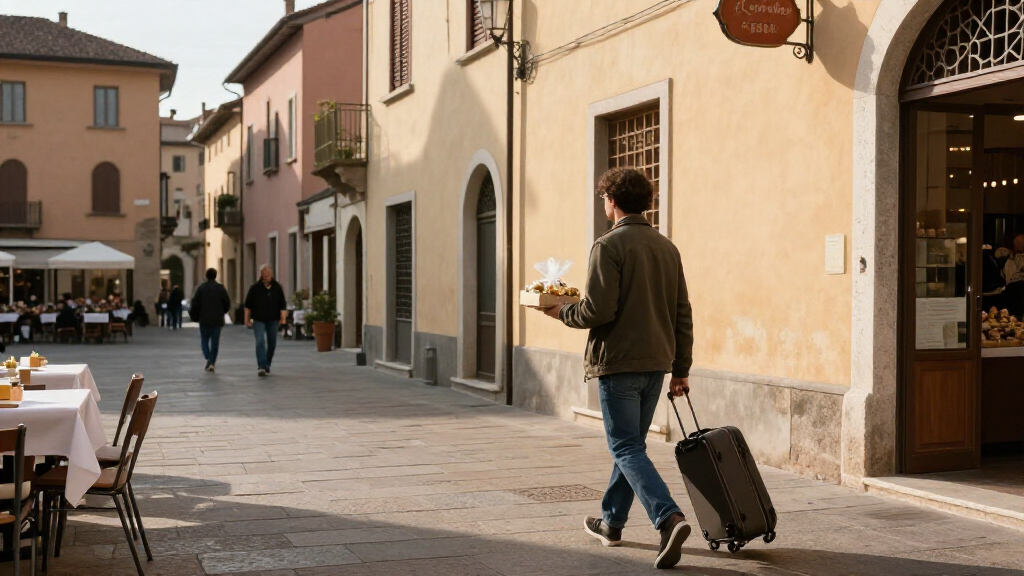
In Cremona in November, the first thing you may notice is the smell: warm honey, toasted nuts, and sugar drifting through streets framed by old stone buildings. The Festa del Torrone brings the city’s best-known sweet into the center of a lively, usually multiday celebration. You can sample brittle slabs that crack cleanly between your teeth, then try a softer piece that bends before it gives way.
This is a useful festival to plan around even if you have only a day. You can taste torrone from different makers, see how confectioners work, and pair the market with Cremona’s Cathedral and Torrazzo, its celebrated bell tower. The practical catch: the exact November dates and program change each year. This guide will help you understand the tradition, plan your visit, and check the details that matter before you book.
Plan around the Festa del Torrone’s November pattern, then confirm the current year’s exact dates and program before booking.
Taste hard and soft torrone side by side; the crisp snap and chewy texture make the contrast easy to notice.
Treat the 1441 wedding connection to Bianca Maria Visconti and Francesco Sforza as a popular origin story, not proven single-point history.
Check ingredient labels because traditional torrone commonly contains nuts and egg whites, and recipes vary by producer.
Pair festival stalls with Cremona’s Cathedral, Torrazzo, and violin-making heritage for a fuller city visit.
The Torrone Preview
A citywide celebration of honey, nuts, and confectionery craft. Taste hard and soft torrone, explore Cremona’s historic center, and check the current program before you travel.
Exact dates vary by edition
Historic center, northern Italy
Hard snap or soft chew
Schedules and access rules change
Why Cremona belongs on a food trip
Think of the festival as a walkable tasting route, with historic streets and major sights just beyond the stalls.
Compare the textures
Hard torrone snaps cleanly and foregrounds toasted nuts. Soft torrone yields slowly, letting honey notes linger. Try small pieces side by side.
Make room for the city
Pair a market visit with Cremona’s Cathedral complex and Torrazzo, its celebrated bell tower. The city is also renowned for violin making.
Choose gifts with care
Firm blocks are often easier to carry. Check best-before dates and storage guidance for soft or chocolate-coated pieces.
What torrone tastes like
Classic torrone combines honey, sugar, egg whites, and nuts—often almonds or hazelnuts—between thin sheets of edible wafer. Recipes vary by maker, and modern versions may add chocolate, fruit, or other ingredients.
Honey shapes the aroma; nuts bring toasted richness. Ask the producer how to store your choice, especially if it is soft or coated.
The classic recipe, in four parts
How to enjoy the festival without rushing
Use this sequence as a guide, not a fixed timetable. Confirm the year’s schedule, then leave space to wander.
Check the program
Confirm dates, locations, access rules, and any reservations.
Choose one event
Pick a demonstration or special activity that fits your day.
Taste small portions
Start with one hard and one soft style; compare before buying.
Take a walking break
Visit the Cathedral and Torrazzo area between food stops.
Shop near the end
Check labels, dates, and storage advice before packing sweets.
Details to verify for this edition
Dates and locations
November is the usual pattern. Confirm the exact days and where stalls and events will be held.
Tickets and access
Street markets may be open to the public; specific tastings, workshops, or performances can have separate rules or charges.
Transport and crowds
Check current train and road options, local travel guidance, and any crowd management updates.
Accessibility
Look for current access arrangements and event locations before choosing your route.
Use the official festival or local tourism channels for the current program. Avoid relying on past schedules or attendance figures.
Quick answers for a November visit
When is the festival?
It is generally held in November, but exact dates vary each year. Check the current official program.
Is it free?
Many market areas may be open to the public. Some tastings, workshops, or performances may have separate rules or charges.
What does torrone taste like?
Sweet and nutty: hard versions snap and crunch, while soft versions are chewy. Honey, nuts, and additions shape the flavor.
What about allergies?
Traditional recipes commonly contain nuts and egg whites. Check each producer’s ingredient and allergen labels, including cross-contamination guidance.
How do I get to Cremona?
Cremona is in Lombardy, northern Italy, and can be reached by train and road. Confirm current schedules and local guidance.
What else should I see?
Visit the Cathedral complex and Torrazzo, or explore Cremona’s violin-making heritage through its museums and workshops.
Why Cremona’s November Festival Belongs on a Food Trip
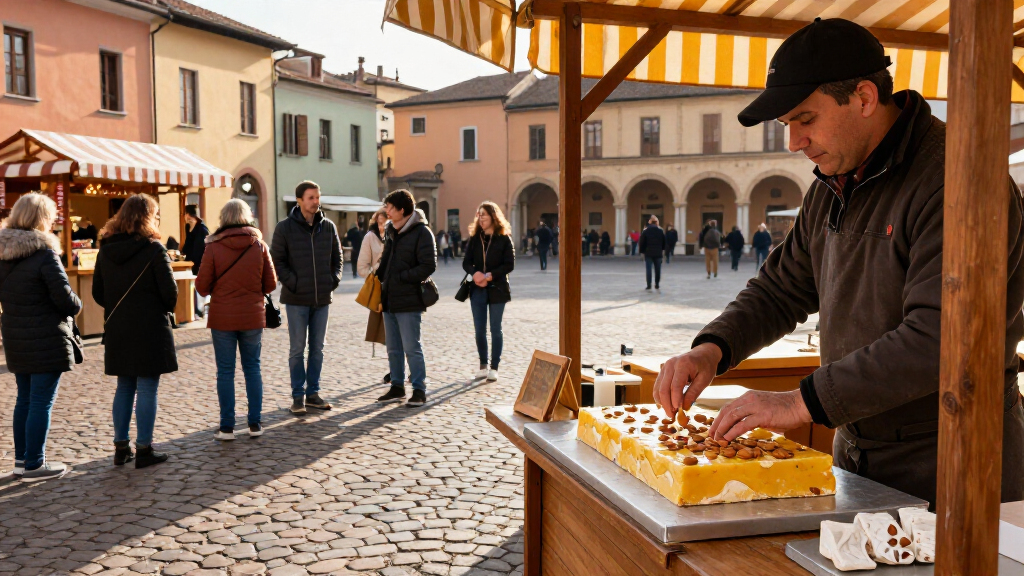
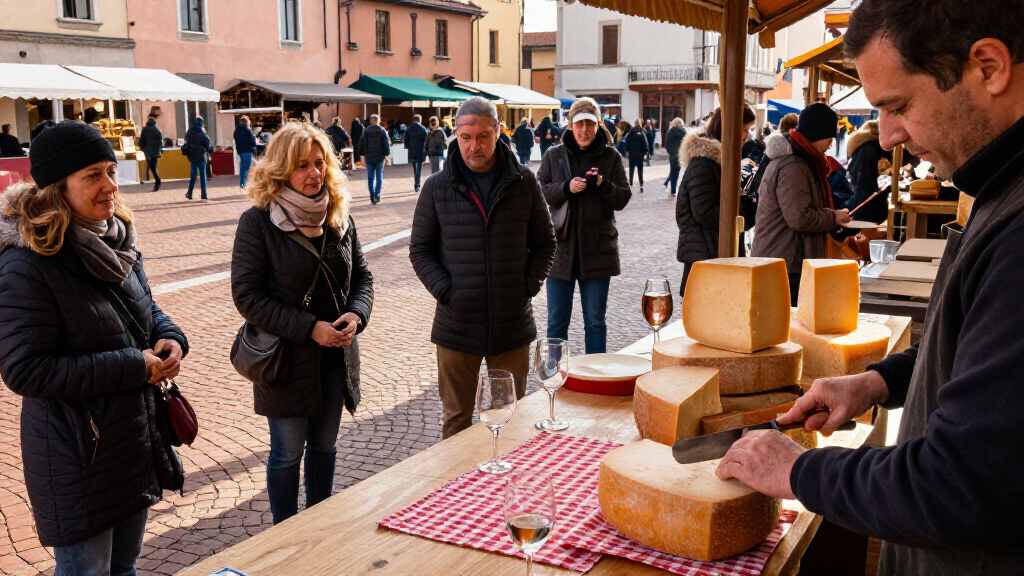
Cremona’s Festa del Torrone is an annual November celebration of the honey-and-nut confection closely associated with the city. Usually held over several days in November, it fills parts of the historic center with producer stalls, food, demonstrations, tastings, and family activities. Think of it as a walkable food event: you can follow the scent of roasting nuts from one square to another, then pause for a coffee or a look at a church façade.
The festival’s value is in seeing how a familiar recipe can produce noticeably different sweets. Comparing hard and soft torrone makes ingredients and technique tangible: a brittle piece snaps and highlights toasted nuts, while a chewy one keeps the honey flavor in your mouth longer. The contrast can also help you choose what to buy. A firm block is often easier to carry and share; softer or coated pieces may be more appealing to eat on the spot but need more care in transit. With friends, a few small pieces let everyone compare styles without committing to one large, possibly less suitable gift.
The event can also make a short city visit feel coherent. A morning tasting or demonstration gives the day a food focus, and the nearby Cathedral complex offers a quieter counterpoint afterward. The tradeoff is that popular stalls and activities may draw queues, so trying to cover every event can leave little time to enjoy either the food or the city. Choose one or two priorities and let the rest of the day stay flexible. Since dates and locations vary by edition, confirm the current program before booking your train or lodging.
Products Worth Considering

Bose TV Speaker Compact Soundbar with Bluetooth and HDMI-ARC, Black

Sonos Era 100 SL Compact Microphone-Free Speaker, White

Bose TV Speaker (2nd Gen) Compact Soundbar with Bluetooth and HDMI
As an affiliate, we earn on qualifying purchases.
What Torrone Tastes Like—and What Goes Into It
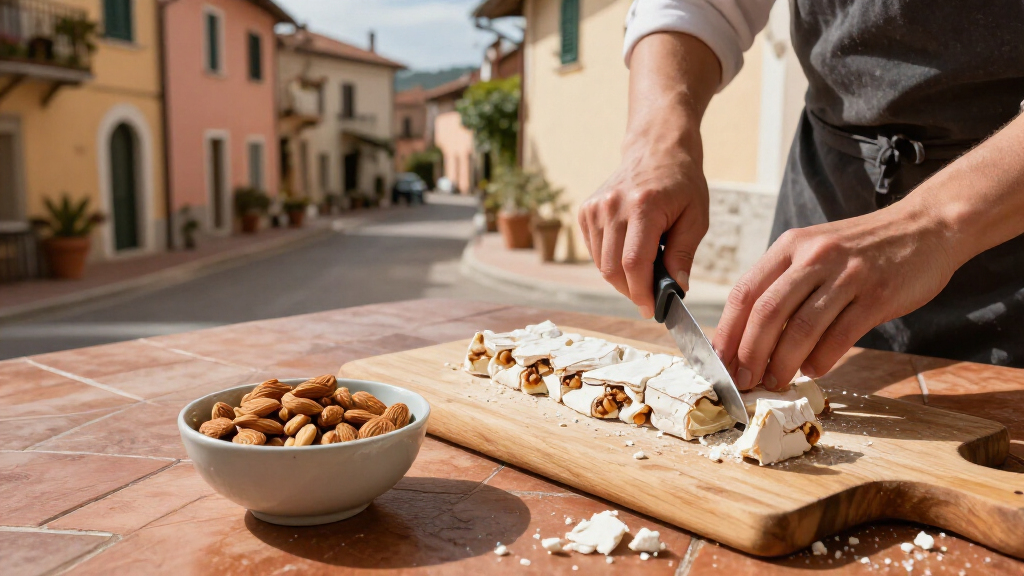
Torrone is a sweet made from honey, sugar, egg whites, and nuts, often almonds or hazelnuts, set between thin sheets of edible wafer. Its two most familiar textures are hard and brittle or soft and chewy. The difference is immediately clear when you taste them side by side: one breaks with a crisp snap, while the other yields slowly under your teeth.
That simple recipe leaves room for character. The honey shapes the aroma, the nuts bring a toasted richness, and the texture changes how long each flavor stays with you. Modern confectioners may add chocolate, fruit, or other ingredients, so a stall can offer a pale, delicate classic beside a dark chocolate-coated bar. If you are choosing a gift, ask the vendor how to store the variety you pick; soft or coated pieces may need more care than a firm traditional block.
Cremonese tradition links torrone to the 1441 wedding of Bianca Maria Visconti and Francesco Sforza, where a nougat shaped like the city’s Torrazzo is said to have appeared. It makes a memorable story to hear while standing beneath the tower, but treat it as a popular origin tale rather than a settled historical fact. Versions of nougat existed elsewhere, and the confection’s history reaches beyond one wedding. That nuance makes the tasting more interesting: a local symbol can have a long, shared past.
How to Spend a Festival Day Without Rushing
A good festival day pairs tastings with time to explore Cremona, instead of trying to sample every stall at once. The market and activities usually sit in or around the historic center, where you can move on foot between food stops and major sights. Programs vary each year, so use this sequence as a flexible plan rather than a promise of specific event times.
- Start with the current program. Check the official festival or local tourism channels for dates, locations, access rules, and any ticketed tastings or workshops. This helps you spend time on events that are actually running, rather than organizing your day around outdated listings.
- Pick one demonstration or special event. If a confectionery demonstration interests you, confirm its time and whether you need to reserve a place. A single timed activity gives the day structure; several can make it feel like a race between queues.
- Taste in small portions. Try one hard and one soft torrone first, then compare a flavored version if you still have room. Starting with small samples makes the texture and flavor differences easier to notice and leaves space to enjoy other food.
- Take a walking break. Visit the Cathedral and Torrazzo area between food stops, and leave time for a slower look at the center. The pause gives your palate a rest and keeps the visit from becoming one long succession of sweets.
- Buy gifts near the end. Check ingredient labels, best-before dates, and storage guidance before packing sweets for the trip home. Shopping later avoids carrying purchases around all day, while checking the label helps you judge whether the product will travel well.
For a realistic example, arrive in the morning, choose one event from the confirmed schedule, and keep the afternoon open for the Cathedral complex. A slower pace helps you notice the difference between nut varieties and recipes. It also leaves room for a hot drink if November air turns sharp.
What to Check Before You Book a November Visit
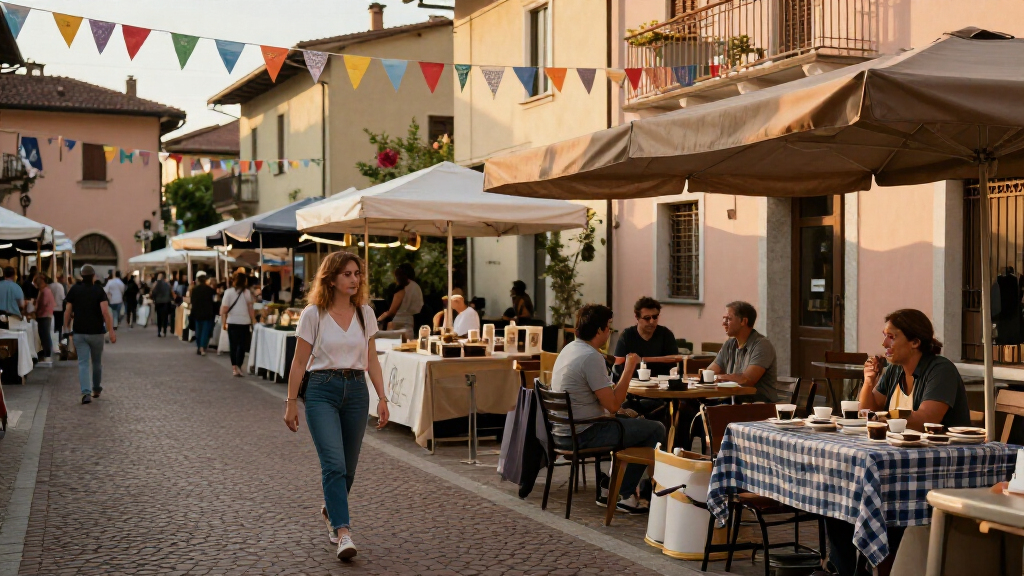
The festival’s exact dates and arrangements change each year, so check the current edition before you make plans. A general November pattern is helpful for thinking about a trip, but it cannot tell you which weekend to choose, where a demonstration will take place, or whether a tasting has limited capacity. Those details affect more than the event itself: they shape which train you need, where it makes sense to stay, and how much of the city you can comfortably see in a day.
Look for the confirmed schedule, event locations, ticket rules, and accessibility arrangements. Check whether a public market area is open without charge and whether workshops, tastings, or performances follow separate rules. If you travel by train, check current services and your arrival station connection before assuming you can make an early event. A tight connection may save time on paper but leave little room for delays; a later arrival gives you a more relaxed start but could mean missing a timed activity. Festival crowd management and local transport guidance can also change for busy days.
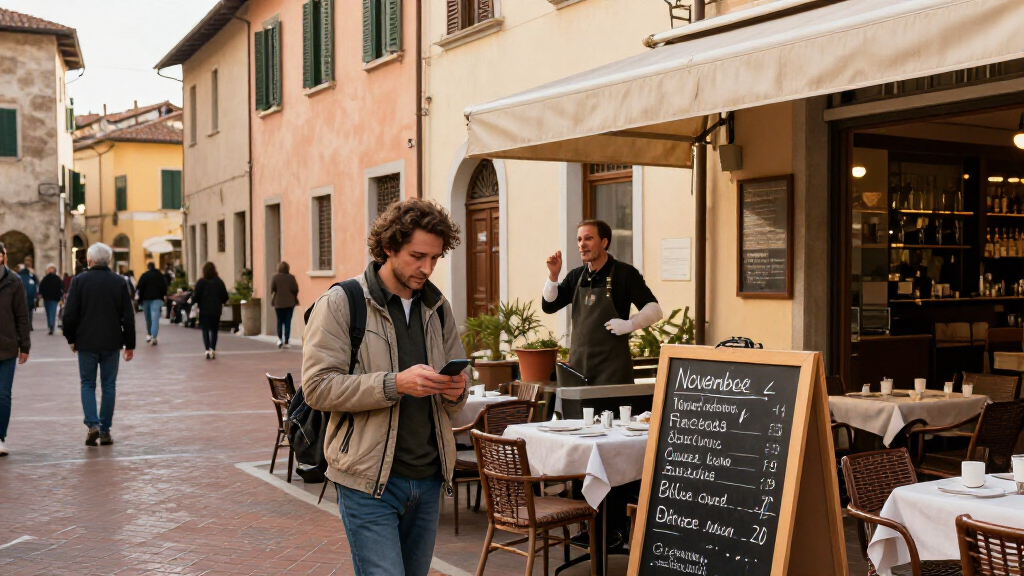
Here is a practical scenario: you find an old article naming a Saturday demonstration, but the current program lists it on Sunday at another location. Treat the older listing as background, not as a booking source. Save the current program on your phone, especially if you plan to meet friends or attend a timed event; it is easier to adjust when everyone is working from the same schedule. If you need step-free access or another accommodation, contact the organizer or local tourism office using current details before you set out, so you can plan a route that works for the whole day.
How to Compare Torrone and Choose a Gift
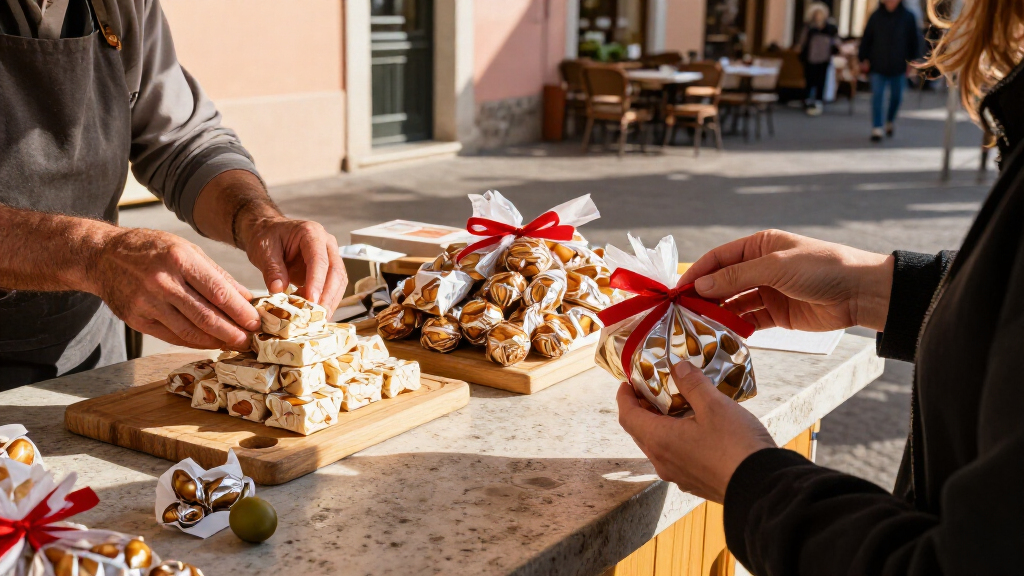
Compare torrone by texture, nut, and added flavor before you choose a block to take home. A stall can put a traditional almond slab beside a softer hazelnut version and a chocolate-coated bar. Each answers a different question: do you want a clean crunch, a chewy bite, or a richer finish? Sampling first makes your purchase more personal than choosing by packaging alone.
| Style | What you notice | Good choice when |
|---|---|---|
| Hard, often almond-based | Firm snap, crisp nuts, a slow honey sweetness | You want a classic texture that travels well when kept as directed |
| Soft or chewy | Gentler bite, yielding texture, lingering nut flavor | You prefer a tender sweet and can follow the package’s storage advice |
| Chocolate-coated or flavored | More pronounced cocoa or fruit alongside the nougat | You want a variation and can protect it from heat on the journey |
The best choice depends on how and when the sweet will be eaten. A hard block can be practical for a longer journey and easier to portion later, while a soft one may be more satisfying fresh but less forgiving if it gets warm or is stored poorly. A coated variety adds a different flavor, though heat can damage its finish. Thinking about the journey as well as the first bite helps avoid a gift that arrives in poor condition.
When buying, read the ingredient and allergen information, and check the best-before date and storage instructions. Traditional torrone commonly contains nuts and egg whites; recipes may include other allergens, and shared equipment can create cross-contact risks. If you are buying for someone else, keep the label with the package rather than relying on memory. For a long train ride or a warm car, avoid leaving chocolate-coated sweets in direct sun or a hot vehicle.
What Else to See When You Visit Cremona
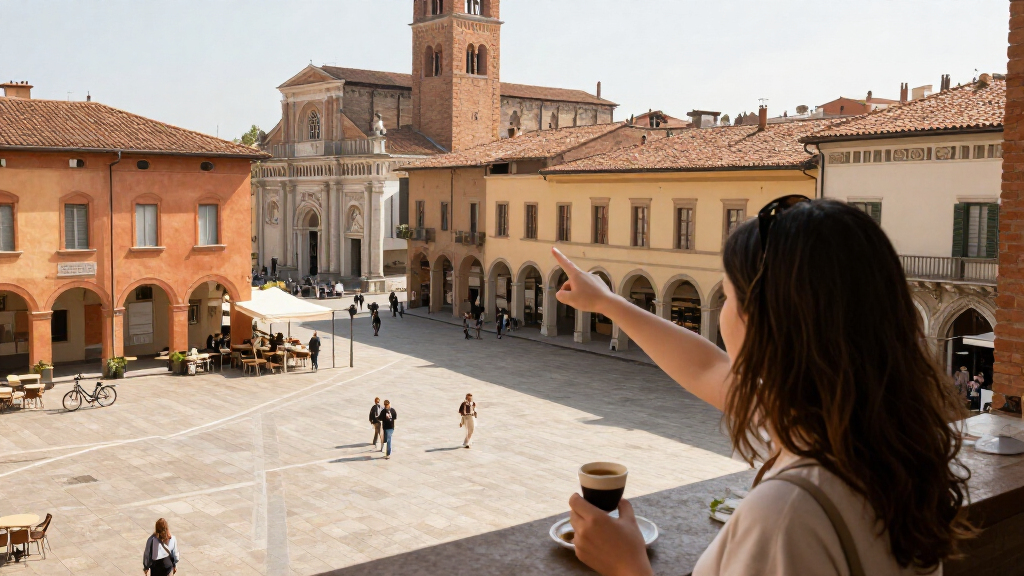
Cremona’s historic center gives you a rewarding break between tastings. The Cathedral complex and the Torrazzo are the obvious companions to a festival visit: the tower connects directly to the city’s familiar torrone story, while the Cathedral rewards a slower look at its architecture and details. Even a short walk between stalls and the square can turn the day into more than a food market outing.
Cremona also has a strong violin-making tradition, with museums and workshops that can add another thread to a food-focused trip. You might spend the morning comparing honey and nut textures, then visit a museum in the afternoon to see how the city’s craft identity extends beyond the kitchen. Check opening hours and any visitor arrangements for the dates you plan to go; festival weekends can bring crowds, and museum schedules may differ from ordinary days.
For instance, if a tasting line grows long, use the wait as a cue to step away and explore a nearby street, then return later. That small shift can make the city feel more spacious and lets the sweetness settle before another sample. Cremona is compact enough for a day built around walking, though November weather can be chilly or damp. Wear comfortable shoes and keep a light layer handy so you can move between outdoor stalls and indoor sights without cutting the visit short.
How to Travel to Cremona and Bring Torrone Home
Cremona is in Lombardy in northern Italy and can be reached by train and road. Your best route depends on where you start and on the current service timetable, so check transport schedules before you commit to a festival-day arrival. A train plan that works on an ordinary weekday may not fit a Sunday return or a timed event, especially if you need a connection.
Build in a little slack. If you arrive by train, confirm how you will get from the station to the historic center and whether local guidance changes during the festival. If you drive, check current parking and crowd information rather than assuming you can leave a car beside the market. For example, a visitor arriving near midday might choose a later tasting and spend the first hour walking through the center instead of hurrying to an event they cannot reach on time.
Pack torrone as food, not as an afterthought. Keep it in its original wrapping, follow the producer’s storage advice, and avoid heat for chocolate-coated varieties. A firm block may be easier to carry, but the package label still matters. Before you buy, check the best-before date against your travel plans, especially if you are continuing elsewhere in Italy. A small selection of well-labeled pieces makes a more thoughtful gift than a large box you cannot store properly.
Frequently Asked Questions
When is Cremona’s Festa del Torrone?
The festival is generally held over several days in November, but the exact dates change each year. Check the current official program or local tourism channels before you book transport or lodging.
Is the Festa del Torrone free to attend?
Some street events and market areas may be open to the public, while particular tastings, workshops, or performances can have separate rules or charges. Check the current edition’s program for access and ticket details.
What does torrone taste and feel like?
Torrone tastes sweet and nutty, with honey and toasted almonds or hazelnuts often at the center. Hard versions snap and crunch; soft versions bend into a chewy bite. Added chocolate or fruit can change the finish.
Can people with food allergies eat torrone?
Traditional torrone commonly contains nuts and egg whites, and some recipes include other allergens. Ask the producer and read the package label, including any cross-contact information, before tasting or buying.
How do you get to Cremona for the festival?
Cremona is in Lombardy and is reachable by train and road. Check current train timetables, station connections, and local travel guidance for your chosen festival dates, since services and crowd arrangements can vary.
What should you see besides the festival stalls?
Visit the Cathedral complex and Torrazzo, then consider a museum or workshop connected with Cremona’s violin-making tradition. Check opening hours for your travel dates, particularly if you are visiting on a busy festival weekend.
Conclusion
Plan your Cremona visit around the current Festa del Torrone program, then leave enough time to taste slowly and explore the historic center. Try both hard and soft torrone, read the labels before buying gifts, and let the Cathedral and Torrazzo give the sweet its sense of place.
By the end of the day, the best souvenir may be a small wrapped piece of nougat—and the memory of its honeyed crunch beneath Cremona’s November sky.