TL;DR

Get kitchen staples and gadgets delivered free — and shop member deals
- Fast, free delivery on millions of items
- Access to Prime Big Deal Days deals on October 6–7
- Prime Video, Amazon Music and more included
Perugia’s chocolate heritage runs deep, rooted in artisanal craftsmanship and local traditions. Before Eurochocolate, the city quietly cultivated a rich, authentic chocolate scene that still charms visitors today.
Imagine walking through a quiet medieval city, its cobbled streets whispering stories of centuries past. Now, picture the rich aroma of roasted hazelnuts and melting chocolate filling the air—long before the crowds, the parades, and the festival lights. That’s Perugia, Italy’s chocolate capital, in its calm, unhurried days before Eurochocolate turned it into a bustling hub of confectionery celebration.
Perugia’s chocolate story isn’t just about sweet treats; it’s a window into a city that’s preserved its artisanal soul amid modern tourism. Here, small family-run factories and historic chocolate shops have crafted high-quality confections for generations. This isn’t a city chasing trends but one rooted in tradition, where every praline and Bacio tells a story of craftsmanship and local pride. If you’re a lover of authentic Italy, understanding Perugia’s pre-festival chocolate scene enriches your visit, revealing a city that’s been quietly perfecting its craft long before the world paid attention.
In this guide, you’ll learn how Perugia’s historic roots, local brands, and cultural identity shaped its reputation as Italy’s chocolate capital—calmly, authentically, and deeply.
Perugia’s chocolate roots are deeply artisanal, dating back over 100 years, with a focus on family recipes and local ingredients.
Small, family-run shops before Eurochocolate offered authentic, handcrafted chocolates that reflect the city’s cultural pride.
Perugina, established in 1907, played a pivotal role in shaping Italy’s chocolate identity, blending tradition with innovation.
Even before the festival, Perugia’s quiet charm attracted visitors seeking genuine craftsmanship, not just sweet treats.
Traditional techniques—slow roasting, careful tempering—are still used today, ensuring top-quality chocolates rooted in history.
How Perugia’s Chocolate Roots Grew Quietly but Deeply
Perugia’s chocolate history stretches back over a century, rooted in a tradition of artisanal craftsmanship. Unlike the flashy, mass-produced chocolates you find in tourist traps, Perugia’s early chocolatiers prioritized quality, local ingredients, and recipes passed down through generations. This focus on quality over quantity is not merely a matter of taste; it reflects a cultural philosophy that values patience, mastery, and the preservation of artisanal techniques as a form of local identity.
In the early 1900s, Perugia’s strategic position and access to abundant high-quality hazelnuts from nearby regions like Gubbio created a synergy that fostered innovation. These ingredients weren’t just commodities; they symbolized the city’s connection to its land and its dedication to craftsmanship. The narrow medieval alleys and stone facades of Perugia’s historic center served as natural workshops, where artisans experimented with roasting times, flavor pairings, and tempering methods. These practices weren’t merely about producing chocolates—they were about sustaining a cultural tradition that balanced technical skill with regional pride.
Perugina, established in 1907, exemplifies this artisanal ethos. Its founders emphasized meticulous ingredient selection and handcrafted techniques, which allowed the brand to stand out as a symbol of quality. This wasn’t just about creating sweets; it was about embedding the city’s identity into each piece of chocolate. While Perugina grew into an international icon, many smaller factories and family-run shops continued to operate quietly, maintaining the original artisanal standards and ensuring that the city’s deep-rooted traditions persisted beyond mass-market appeal.
Today, these small producers often blend traditional recipes with modern techniques—such as small-batch roasting and natural flavorings—demonstrating that authenticity and innovation can coexist. Their dedication to slow, careful craftsmanship underscores the importance of regional ingredients and time-honored methods, which are essential to understanding why Perugia’s chocolates possess a depth of flavor that mass-produced alternatives cannot replicate. This ongoing commitment to quality preserves a cultural legacy that is as relevant today as it was a century ago.
As an affiliate, we earn on qualifying purchases.
The Charm of Local Artisans Before the Festival Frenzy
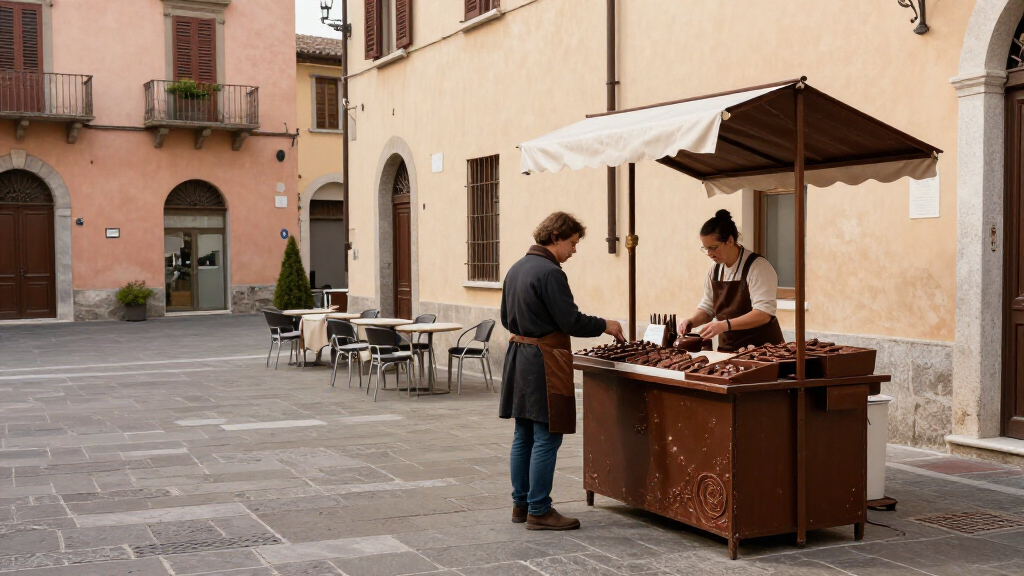
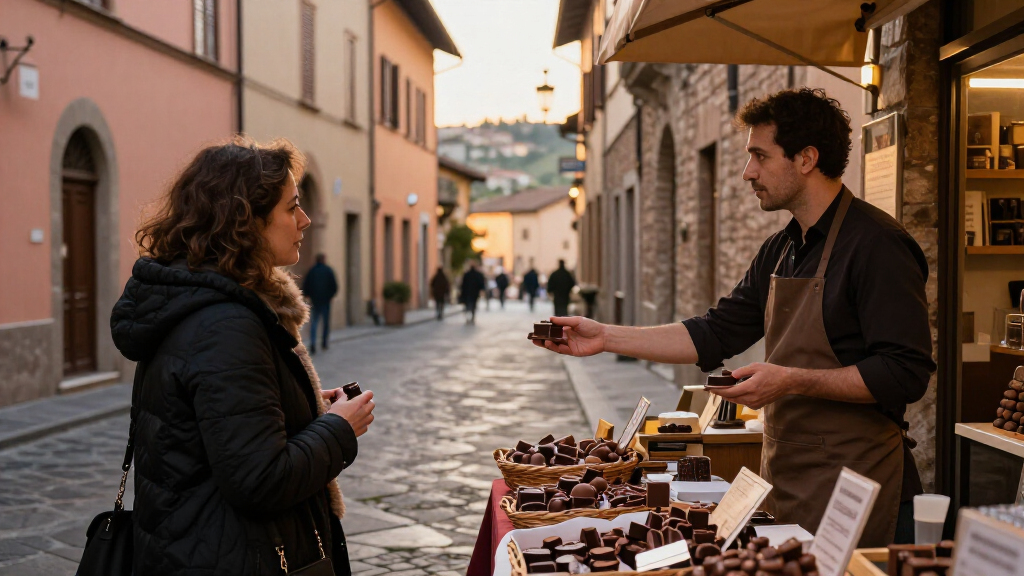
Before Eurochocolate turned Perugia into a festival hotspot, the city’s chocolate scene was a quiet, yet vibrant world rooted deeply in local artisanry. These artisans viewed chocolate not merely as a commercial product but as a craft that embodies regional identity, patience, and personal pride. Visiting a small, family-run shop tucked into a medieval alley isn’t just about tasting chocolates; it’s about experiencing a tangible connection to centuries of tradition that have been passed down with care and reverence.
One such example is a tiny workshop near Corso Vannucci, where a family has been making pralines and truffles since the 1920s. Their secret isn’t just in their recipes but in their approach—slow roasting hazelnuts over wood fires, carefully tempering chocolate, and hand-rolling each piece. These meticulous processes are labor-intensive, but they ensure each confection reflects the artisans’ dedication to quality and tradition. These shops serve as living museums of regional craft, where recipes are preserved and flavors are cultivated over generations. Their refusal to conform to mass production signifies a conscious choice to maintain authenticity in a rapidly changing world.
For travelers, these shops offer more than just a sweet treat; they offer a glimpse into the cultural fabric of Perugia. Each piece of chocolate becomes a story—a narrative of land, skill, and patience. Visiting these places fosters an appreciation of what it means to produce something with purpose and pride, rather than merely for profit. This focus on authenticity, rooted in regional ingredients and handcrafted techniques, creates a unique experience that stands apart from the commercialized festival atmosphere. It reminds us that true craftsmanship is about sustaining a cultural legacy—an ongoing dialogue between tradition and innovation that keeps Perugia’s chocolate scene authentic and meaningful.
Understanding these artisanal practices reveals why Perugia’s chocolates are valued not just for their flavor but for their cultural significance. They symbolize a community’s commitment to preserving its identity through the slow, deliberate act of chocolate-making—a quiet resistance to the homogenization of globalized mass-produced confections. This ongoing dedication to tradition ensures that, even amidst tourism and festival hype, the city’s authentic chocolate roots remain alive and inspiring.
The Cultural and Economic Implications of Perugia’s Chocolate Heritage
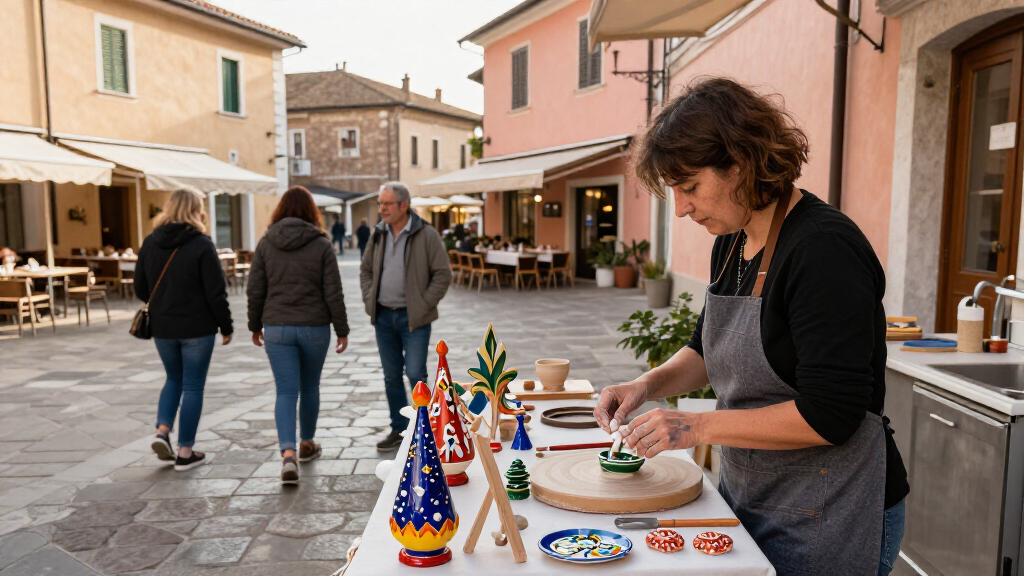
Understanding the deep-rooted artisanal traditions of Perugia’s chocolate industry reveals more than just culinary pride; it highlights the cultural identity and economic resilience of the region. These small-scale, family-run producers are not merely surviving in a modern economy—they are actively shaping the local landscape by maintaining a legacy that supports community cohesion and regional pride. The reliance on traditional techniques and regional ingredients fosters a sustainable model that balances authenticity with economic viability. This approach ensures that the cultural significance of chocolate-making remains a vital part of Perugia’s social fabric, even as global markets and tourism influence the city.
Moreover, the emphasis on quality over quantity creates a ripple effect: it attracts discerning tourists and connoisseurs who seek genuine craftsmanship, thus supporting local economies and encouraging the preservation of artisanal skills. This tradeoff between tradition and modern demand is delicate; while embracing innovation is necessary for growth, maintaining authenticity requires deliberate effort and cultural sensitivity. The city’s ability to sustain this balance is a testament to its commitment to cultural preservation and economic adaptability. These artisanal practices also serve as a form of cultural diplomacy, showcasing Perugia’s identity to the world through a shared appreciation of craftsmanship, regional pride, and sustainable development.
In essence, Perugia’s chocolate heritage is a microcosm of a broader movement that values slow, meaningful production over fast, mass-market solutions. It demonstrates that regional crafts can thrive by emphasizing quality, tradition, and community values—an important lesson for other regions seeking to preserve their cultural identities amid globalization. This legacy not only enriches the city’s cultural landscape but also offers a model for sustainable, authentic economic growth rooted in local traditions.
Frequently Asked Questions
What makes Perugia’s chocolate unique compared to other Italian chocolates?
Perugia’s chocolates stand out because of their rich history of artisanal craftsmanship, high-quality local ingredients like IGP hazelnuts, and traditional recipes passed down through generations. Unlike mass-produced chocolates, Perugia’s confections are crafted with patience and care, emphasizing flavor and authenticity.
When did Eurochocolate start, and how did it change Perugia?
Eurochocolate began in 1998, transforming Perugia from a quiet city into a bustling hub of chocolate celebration. It brought international attention, increased tourism, and a festive atmosphere, but the city’s deep-rooted chocolate traditions remained intact behind the scenes, especially in small artisanal shops.
Are there specific local chocolates or brands I should try in Perugia?
Yes, Perugina is the most famous, especially for its Baci chocolates. However, many smaller artisans and family-run shops produce unique, handcrafted chocolates that showcase local ingredients and traditional techniques. Exploring these offers a richer, more authentic taste of Perugia’s heritage.
When is the best time to visit Perugia for chocolate lovers?
The Eurochocolate festival in October is the highlight, but the city’s chocolate shops are welcoming year-round. Visiting outside festival season allows you to enjoy a more relaxed, authentic experience, discovering hidden gems without the crowds.
How does Perugia balance modernity and tradition in its chocolate industry?
Many producers modernize equipment and marketing while maintaining traditional recipes and techniques. This blend allows them to meet global demand without sacrificing quality or authenticity, preserving the city’s artisanal soul even amid tourism growth.
Conclusion
Perugia’s chocolate story isn’t just about the sweets; it’s about a city that quietly perfected an art form for over a century. Its artisans, brands like Perugina, and historic shops all reflect a deep respect for tradition and quality—values that remain even before the festival lights turn on.
When you visit Perugia, take time to seek out these quieter corners of craftsmanship. Savor the textures, inhale the aromas, and imagine the centuries of patience that went into each piece. That’s the real flavor of Perugia—calm, authentic, and endlessly rich.
Remember, the best chocolates aren’t just made—they’re crafted with love, patience, and a respect for tradition. That’s the true taste of Perugia, long before the festival’s buzz.
Halloween Picks
halloween
As an affiliate, we earn on qualifying purchases.