Milan for food lovers means pairing three experiences: an early-evening aperitivo beside the Navigli canals, creamy risotto alla Milanese made with saffron, and artisan panettone from a specialist bakery. Add cotoletta, ossobuco, mondeghili, polenta, and regional cheeses, then plan around Milan’s meal times so you taste the city as locals do.
Milan is one of Italy’s most exciting food cities because a single day can move from a bitter Campari soda beside a canal to a bowl of gold-flecked risotto and a warm slice of panettone. The city’s food feels polished but never detached from its roots.
This guide shows you how to eat Milan with purpose. You’ll learn when to visit the Navigli for aperitivo, what makes risotto giallo different from ordinary rice, how to judge a good panettone, and which traditional dishes deserve space on your table.
At a glance
Milan for Food Lovers: What to Eat and Do
Key insight
Traditional risotto alla Milanese is served as a first course, not a side dish, and its signature texture comes from adding hot stock gradually before finishing with cold butter and Parmigiano Reggia…
Key takeaways
1
Visit the Navigli between 6 and 8 p.m., and ask whether your drink includes snacks or a full apericena buffet.
2
Order risotto alla Milanese where the kitchen cooks it to order; it should be creamy, loose, and slightly firm at the center.
3
Buy traditional panettone from a specialist or artisan bakery, then judge it by crumb, aroma, fermentation, and freshness.
4
Add cotoletta, ossobuco, mondeghili, polenta, Gorgonzola, Taleggio, or barbajada to experience more of Lombardy’s food culture.
5
Ask about stock, allergens, ingredients, opening days, and reservations before committing to a meal.
Step by step
1
How to Make the Most of Navigli Aperitivo
Milan for Food Lovers should begin its evening at the Navigli, where historic canals frame one of the city’s most recognizable food rituals.
2
How to Plan a Two-Day Milan Food Itinerary
Milan for Food Lovers becomes easier to plan when you give each day a clear food anchor.
Milan for Food Lovers
A field guide to eating Milan
Milan for Food Lovers
Pair an early-evening aperitivo beside the Navigli canals with saffron-bright risotto alla Milanese and artisan panettone. Add Lombardy’s classics, then plan around the city’s daily rhythm.
The central idea
Eat Milan as a sequence of contrasts: bitter, creamy, airy, and deeply regional.
Breakfast is practical. Lunch restores. Aperitivo gathers pace. Dinner slows the day down.
Milan rewards travelers who follow timing, texture, and local habits—not just famous addresses.
01 / Social ritual
Navigli aperitivo
Arrive between 6 and 8 p.m. Ask whether your drink includes a few snacks or a fuller apericena buffet.
02 / Signature plate
Risotto giallo
Saffron gives it color; gradual stock additions, cold butter, and Parmigiano Reggiano create its glossy texture.
03 / Sweet craft
Artisan panettone
Look for an airy, elastic crumb, fragrant butter, balanced sweetness, quality fruit, and long fermentation.
A day in motion
Follow the rhythm, not a checklist
Each meal has a different social purpose. Leave room for walking, waiting, and appetite.
Breakfast
Keep it simple with coffee and a light bite, perhaps a michetta on the move.
Lunch
Make room for a restorative first course such as risotto alla Milanese.
Aperitivo
Meet beside the Navigli for drinks, olives, focaccia, cheese, and conversation.
Dinner
Go later and slower, adding cotoletta, ossobuco, or another Lombardy classic.
01 / Navigli
Turn aperitivo into an informed choice
The setting is part of the pleasure, but the bar’s actual offer determines the value.
What to ask before ordering
Aperitivo usually means a drink with savory snacks. Apericena is more substantial and may function as a light meal.
Check whether snacks are included, whether service is table-based, and whether reservations are needed. Canal-side tables can cost more, especially on busy weekends.
Choose your priority: people-watching, value, or drink quality. A quieter venue may offer more precise snacks and better attention.
What may arrive with the drink
92
78
70
54
42
Illustrative tasting spectrum · not a venue ranking
02 / Risotto giallo
Texture is the proof of technique
Traditional risotto alla Milanese is a first course—not a side dish—and should arrive immediately after cooking.
Build the golden bowl
Start with short-grain Carnaroli rice.
Add hot stock gradually while stirring.
Let each grain stay slightly firm at the center.
Finish with cold butter and Parmigiano Reggiano.
Look for a loose, glossy flow across the plate.
Read the plate
Signal
Meaning
Glossy and loose
Balanced mantecatura
Slightly firm center
Controlled cooking
Stiff mound
Too little liquid or too late
Dry edges
Waiting too long
03 / Panettone
Judge the bakery’s craft by the crumb
Specialist pastry shops, historic bakeries, and newer artisan bakeries can all produce memorable versions.
Four signals of quality
Crumb: light, airy, and elastic rather than dense.
Aroma: fragrant butter, citrus, and fermentation should lead.
Fermentation: natural starter and a long rise create structure and depth.
Freshness: the bread should feel moist and lively, with balanced sweetness.
Explore beyond the classic
Core
Modern
Modern
Modern
Enjoy with coffee, sparkling wine, mascarpone cream, or sweet liqueur
The wider table
Make room for Lombardy’s supporting cast
One signature dish cannot tell the whole story. Add contrast through meat, cornmeal, bread, cheese, and historic drinks.
01
Cotoletta alla Milanese Bone-in breaded veal cutlet with a crisp golden crust.
02
Ossobuco Slow-braised veal shank, often paired with risotto.
03
Mondeghili Tender Milanese meatballs, perfect for grazing.
04
Cassoeula A hearty winter combination of cabbage and pork.
05
Polenta A northern Italian cornmeal staple with rich savory dishes.
06
Gorgonzola and Taleggio Regional cheeses that add funk, creaminess, and depth.
07
Michetta A light, hollow Milanese bread roll for a simple pause.
08
Barbajada A historic chocolate-and-coffee drink for a sweet finish.
Traceability
From canal light to panettone crumb
The city’s food story connects place, timing, technique, and appetite.
Canals
Navigli gives aperitivo its social setting.
Bitterness
Campari, Negroni, or wine opens the appetite.
Technique
Gradual stock and mantecatura shape risotto.
Craft
Long fermentation gives panettone its lift.
Practical takeaway
Plan your two-day food itinerary
Use one clear food anchor each day, then let the city fill in the spaces between.
Moment
Anchor
What to notice
Planning note
Day 1 · evening
Navigli aperitivo
Drink, snacks, atmosphere
Ask about apericena and reservations
Day 2 · lunch
Risotto giallo
Gloss, flow, firm center
Allow 18–20 minutes; order to order
Any day · pause
Panettone bakery
Crumb, aroma, fermentation
Buy from a specialist or artisan bakery
Across the trip
Lombardy classics
Veal, cornmeal, cheese, bread
Ask about stock, allergens, and ingredients
Why Milan’s Food Scene Rewards a Full Day of Eating
Milan for Food Lovers works best when you treat eating as a daily rhythm rather than a list of restaurant stops. Breakfast starts simply, lunch lands around noon, aperitivo gathers pace near 6 p.m., and dinner often begins later than visitors expect. That sequence matters because each meal serves a different social purpose: breakfast is practical, lunch is restorative, aperitivo is communal, and dinner is the day’s slower conclusion.
Its cuisine combines northern Italian traditions with the energy of a global business and fashion capital. Butter, rice, veal, cornmeal, aged cheese, and preserved fruit share the table with specialty coffee, natural wine, vegetarian cooking, and international flavors. The result is a city where tradition is not frozen in place; it gives restaurants a reference point while leaving room for reinterpretation.
Imagine spending the morning near Brera, pausing for a michetta—a light, hollow Milanese bread roll—then walking toward the canals as the afternoon light turns copper. That small change in pace helps you understand why Milan for food lovers feels different from a city built around one signature dish. The pleasure comes from contrast: a restrained breakfast makes a rich lunch feel more meaningful, while a walk creates appetite for the relaxed sociability of aperitivo.
Food quality varies by neighborhood and venue. A fashionable canal-side bar may serve a beautiful drink with ordinary snacks, while a quiet bakery on a side street may produce a remarkable panettone. Plan around freshness, timing, and local habits, not just a famous address. The tradeoff is convenience versus character: central, photogenic places are easy to find but may charge for the setting, while less visible businesses often reward the extra walk with more focused cooking.
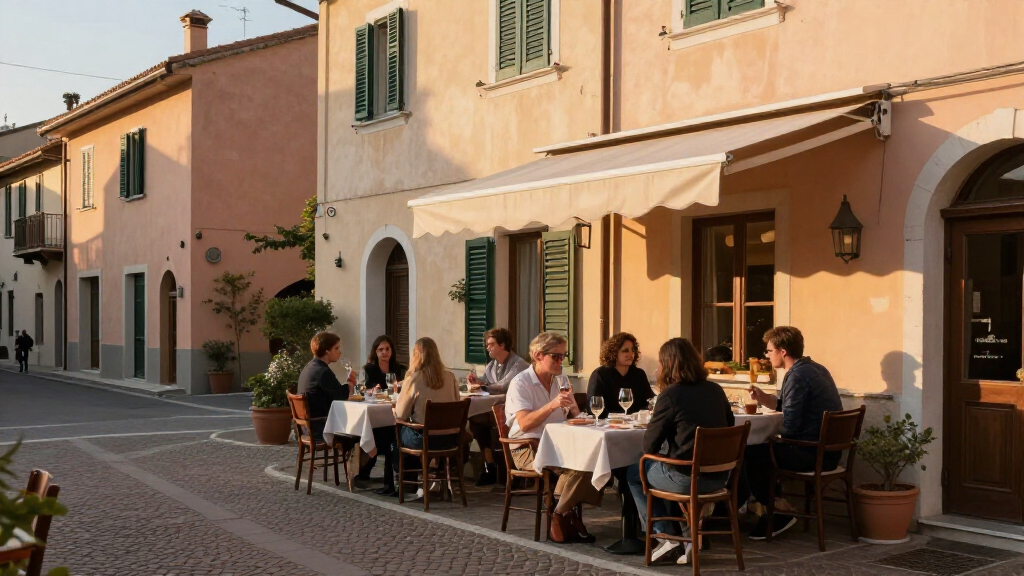
Milan for Food Lovers should begin its evening at the Navigli, where historic canals frame one of the city’s most recognizable food rituals. Aperitivo means ordering a drink before dinner and receiving savory snacks, while a more generous version called apericena can function as a light meal. The distinction is useful because it changes how you plan the rest of the night: a small plate of olives and crisps leads naturally to dinner, while a substantial spread may make another restaurant unnecessary.
Arrive between 6 and 8 p.m., when locals begin gathering and the canals still have a little evening light.
Ask whether your drink includes a few snacks or access to a fuller buffet. This prevents you from paying a premium for a view while expecting a meal that the venue never promised.
Look for olives, focaccia, cured meats, cheeses, small sandwiches, and mondeghili, the city’s tender little meatballs. The variety is part of the experience: aperitivo is designed for grazing and conversation rather than one carefully composed plate.
Choose a second stop only if you still want more food; a substantial apericena can be surprisingly filling.
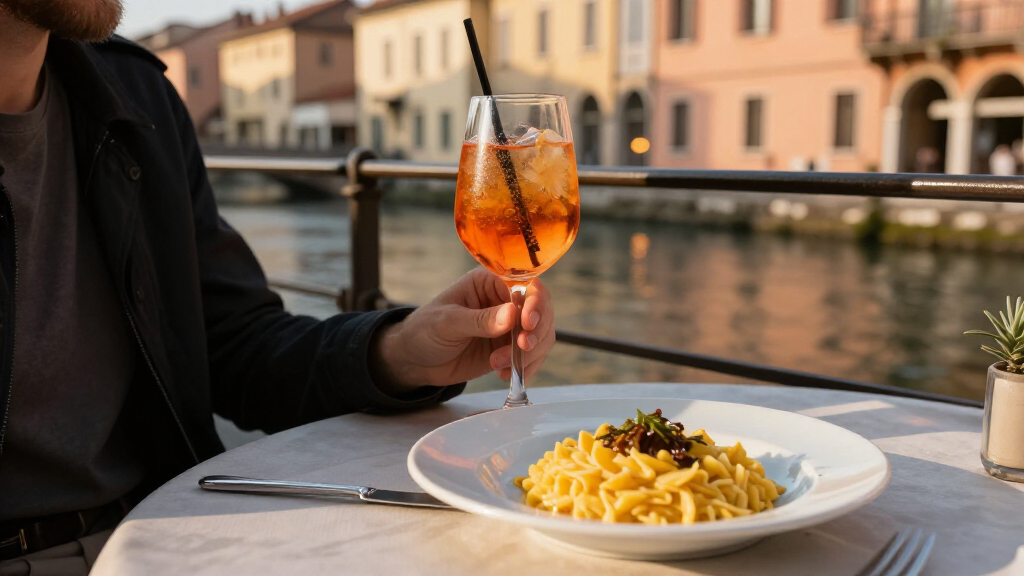
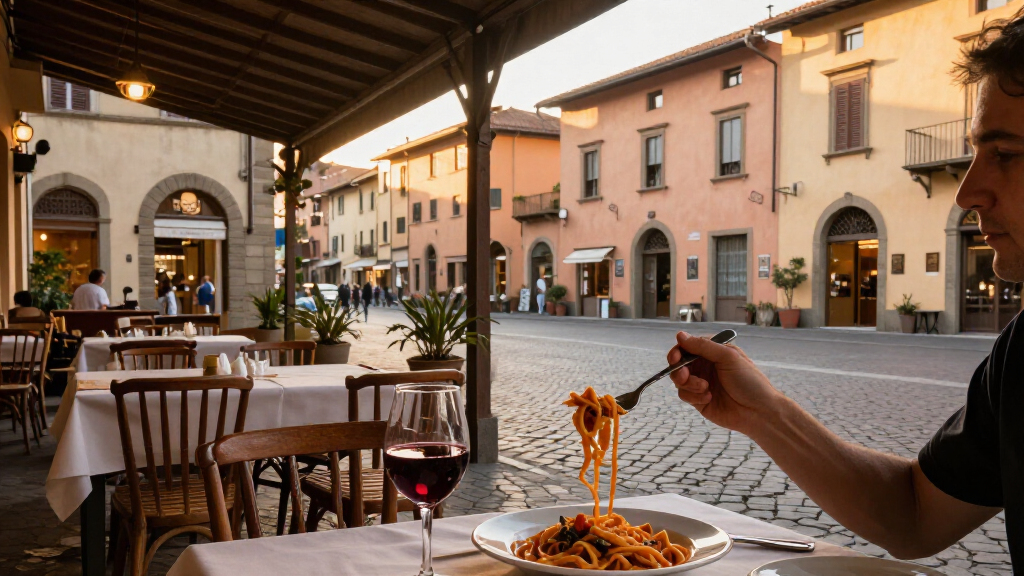
A classic order might be an Aperol Spritz, Campari soda, Negroni, or a glass of Italian wine. The first sip brings orange peel, herbs, or gentle bitterness; nearby plates add salt, crunch, and soft cheese. That balance explains why the ritual works so well before dinner: bitterness and acidity sharpen the appetite, while snacks take the edge off without ending the evening too early.
Prices and service vary widely. Canal-side tables often cost more, and weekend crowds can fill popular venues quickly. If you order a Negroni or another alcoholic drink, you must be of legal drinking age; eat with it, pace yourself, and use Milan’s public transport or a taxi if you drink. A busier venue may offer atmosphere but slower service, while a quieter bar may provide better attention and more precise snacks. Decide whether your priority is people-watching, value, or the quality of the drink before choosing a table.
Aperitivo is not simply “free food with a drink.” It is Milan’s social pause between work and dinner, and the quality of that pause depends on what the bar actually serves.
What Makes Risotto Giallo Taste Like Milan
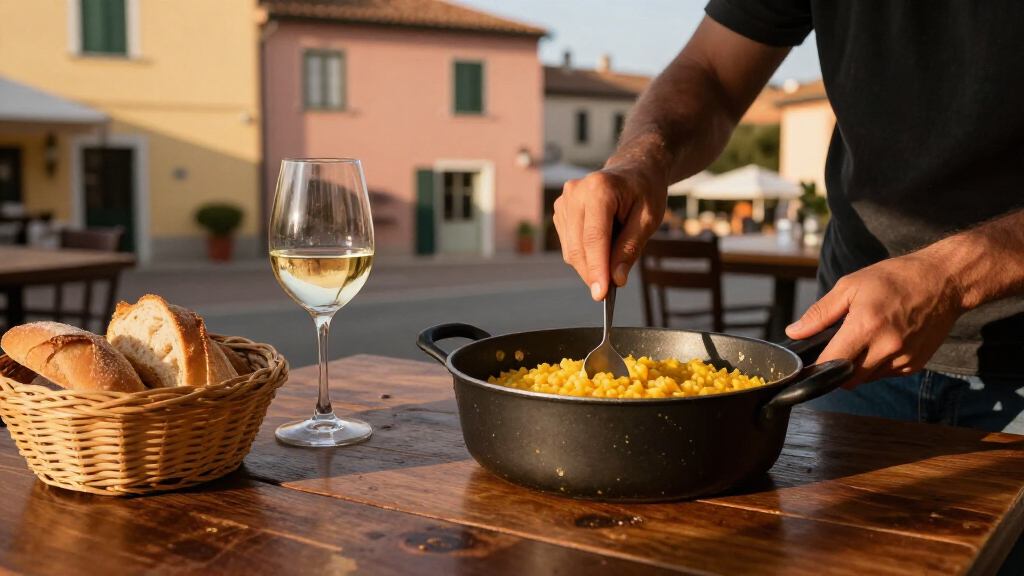
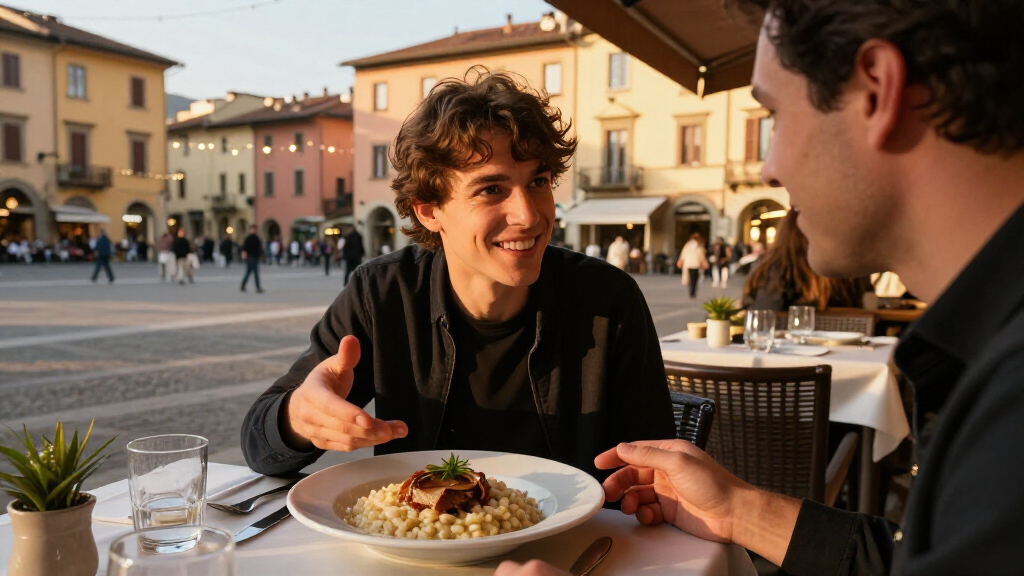
Milan for Food Lovers means tasting risotto alla Milanese, often called risotto giallo because saffron gives it a luminous yellow color. The dish tastes buttery, savory, and gently aromatic, with saffron adding fragrance rather than a loud spice flavor. Its importance goes beyond color: rice, butter, and stock reflect Lombardy’s agricultural landscape, while the careful technique turns a few restrained ingredients into a dish with remarkable depth.
A traditional version uses short-grain Carnaroli rice, hot stock, butter, saffron, and Parmigiano Reggiano. The cook adds stock a little at a time while stirring, allowing the rice to release starch and form a creamy texture while each grain keeps a slight firmness at the center. This method creates a deliberate tradeoff between convenience and texture. Adding all the liquid at once is easier, but gradual additions give the cook control over absorption and prevent the rice from becoming either watery or uniformly soft.
The final step, mantecatura—finishing the rice with cold butter and cheese—creates the glossy texture you see when the risotto spreads softly across the plate. Proper risotto should flow gently, not sit in a stiff mound or arrive dry around the edges. That consistency is not decoration; it shows whether the kitchen has balanced liquid, starch, fat, and serving time. Even a well-made risotto loses some of its character if it waits too long before reaching the table.
Order it where the kitchen prepares it to order. Risotto needs time, often around 18 to 20 minutes, so a restaurant that serves it instantly may have cooked it ahead. It usually arrives as a first course, sometimes beside ossobuco, braised veal shank, or a Milanese-style cutlet. Eating it first also makes culinary sense: its richness is satisfying but its texture is most impressive when your palate is fresh, before a heavier main course dominates it.
Traditional risotto often contains meat stock and Parmigiano Reggiano, so it is not automatically vegetarian. Ask whether the kitchen uses vegetable stock. If you cook it at home, keep stock hot, serve the dish immediately, and refrigerate leftovers within two hours; reheat them until steaming hot. Choosing a vegetarian version preserves the technique but may change the flavor’s depth, since stock contributes more than moisture. That is why asking about ingredients is more useful than relying on the dish’s name alone.
How to Recognize a Truly Good Panettone
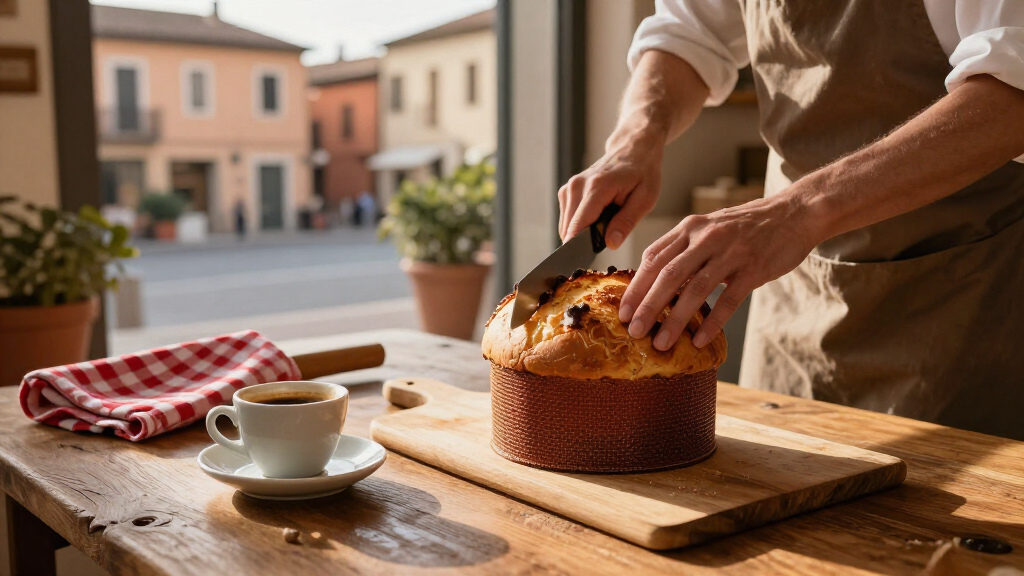
Milan for Food Lovers reaches its sweetest point with panettone, the city’s tall, airy, yeast-leavened bread filled with raisins and candied citrus peel. A well-made loaf has an elastic crumb, a buttery aroma, balanced sweetness, and fruit distributed through every slice. Those qualities reveal a long process: fermentation develops flavor and structure, while careful baking protects the bread’s moisture without making it collapse.
Look beyond the box. The best panettone often comes from a bakery using a natural starter, long fermentation, high-quality butter, and carefully selected citrus and raisins. When you tear it open, the crumb should stretch into fine strands instead of crumbling like ordinary cake. A premium label can indicate care, but it is not a guarantee; the useful evidence is the bread’s aroma, structure, freshness, and the bakery’s willingness to explain how it was made.
Traditional panettone tastes of butter, vanilla, golden raisin, and fragrant orange peel. Newer versions may include chocolate, pistachio, lemon, or pear. These flavors can be excellent, but try the traditional style first so you understand the Milanese reference point. Modern versions offer novelty and sometimes broader appeal, while the classic reveals whether the baker has mastered the difficult balance of fermentation, sweetness, and fruit.
Check the crumb: it should be light, moist, and elastic. A loose, shreddable structure suggests successful fermentation, while a dense interior may indicate rushed proofing or heavy handling.
Smell the bread: look for butter, citrus, vanilla, and gentle fermentation. A flat or sharply artificial aroma often signals that flavorings are doing more work than the ingredients.
Watch the texture: avoid loaves that feel dry, greasy, or heavy. Richness should make the bread tender, not oily.
Ask about freshness: small bakeries may have different production days. Fresher is not always better if the loaf needs a short settling period, so follow the producer’s advice.
Panettone is strongly tied to Christmas and New Year, yet artisan versions now appear throughout the year. Eat it with coffee, mascarpone cream, sparkling wine, or a sweet liqueur. The classic pairing works beautifully on a cold afternoon, when the fruit smells bright and the crumb softens slightly under your fingers. Because the bread is rich, a small slice often gives you more pleasure than a large serving that overwhelms its delicate aromas.
Keep an opened loaf sealed at room temperature according to the bakery’s instructions. Do not store it in the refrigerator unless the producer recommends it, since cold air can make the crumb firm and dull. Proper storage protects the very qualities you paid for: aroma, elasticity, and a moist crumb.
Which Milanese Dishes Should You Add to Your Itinerary?
Milan for Food Lovers extends well beyond risotto and panettone. The city’s traditional table includes rich winter food, practical breads, small meatballs, slow braises, and cheeses from Lombardy that show how much flavor northern ingredients can carry. Together, these dishes explain the region’s food logic: use modest ingredients carefully, preserve energy for cold weather, and let time create tenderness.
Dish
What it is
When to try it
Cotoletta alla Milanese
A breaded veal cutlet, traditionally cooked on the bone
For a substantial lunch or dinner
Ossobuco
Slow-braised veal shank, often paired with saffron risotto
On a cool day when you want a rich meal
Mondeghili
Small Milanese meatballs with a tender interior
With aperitivo or as a casual snack
Cassoeula
A hearty stew of cabbage and pork
In winter, when the weather calls for warmth
Polenta
Creamy or firm northern Italian cornmeal
With braises, mushrooms, or cheese
Barbajada
A historic drink made with chocolate, coffee, and milk
As an old-fashioned afternoon treat
The table also reveals a practical planning tradeoff. Cotoletta and ossobuco are filling centerpieces, while mondeghili and barbajada let you sample Milanese flavors without committing to a full heavy meal. Cassoeula is especially seasonal, so it may be more rewarding in winter than during a warm-weather visit. Choosing according to appetite and weather helps you experience more dishes without turning the itinerary into an endurance test.
Try Gorgonzola and Taleggio if you enjoy soft cheeses with strong personalities. Gorgonzola brings blue-veined sharpness, while Taleggio gives you a softer, earthier bite with a washed rind. Pair either with bread, pears, or a glass of Lombardy wine. The pair demonstrates how regional cheese can change a meal’s balance: one adds intensity and length, while the other contributes creaminess and savory depth.
Vegetarians can still eat well. Ask for saffron risotto made with vegetable stock, polenta with seasonal mushrooms, cheese, pasta, pizza, and vegetable-focused aperitivo plates. Milan’s newer kitchens increasingly reinterpret familiar dishes with plant-based ingredients while keeping the original colors and textures recognizable. The important distinction is whether a restaurant is adapting the technique thoughtfully or merely removing meat; asking about stock, butter, and cheese helps you understand what kind of version you are ordering.
Where to Eat Beyond the Navigli Canals
Milan for Food Lovers should not stop at the Navigli. The canals are excellent for aperitivo, but Brera, Porta Venezia, Isola, and Chinatown offer different moods, prices, and food traditions within a manageable tram or metro ride. Moving between neighborhoods matters because Milan’s food identity is distributed across the city rather than concentrated in one tourist quarter.
Brera suits a slow lunch between galleries and cobbled streets. Porta Venezia gives you a broader international food scene and lively cafés. Isola rewards a curious walk with independent restaurants and bakeries, while Chinatown offers noodles, filled buns, and ingredients that reflect Milan’s modern identity. These areas are not interchangeable: choosing one based on mood can make the meal feel connected to the day instead of simply filling a gap between attractions.
Try this simple pattern: reserve a traditional meal for one evening, choose a bakery breakfast on another morning, and leave one meal open for a neighborhood discovery. You might find a buttery pastry at 8 a.m., a plate of polenta at 1 p.m., and a natural wine bar after sunset. The open meal is valuable because fixed itineraries tend to favor famous addresses, while spontaneous choices reveal the city’s everyday food culture.
Small bakeries and family-run restaurants often close on particular days or sell out early. Check hours before crossing the city, especially during weekends and holiday periods. A short phone call or online reservation can save you from arriving at a dark doorway with an empty stomach. The tradeoff is spontaneity versus reliability: keep one flexible meal, but protect the dishes that require a specific opening day or limited production schedule.
How to Plan a Two-Day Milan Food Itinerary
Milan for Food Lovers becomes easier to plan when you give each day a clear food anchor. A two-day itinerary lets you sample the city’s classics without turning every hour into a reservation. The anchor gives the day direction, while the surrounding meals stay flexible enough to respond to appetite, weather, and discoveries.
Start with coffee and bread. Visit a neighborhood café, then seek out a michetta or pastry before the streets grow busy. A modest breakfast leaves room for a substantial regional lunch and reflects the city’s practical morning rhythm.
Choose one regional lunch. Order risotto giallo, cotoletta, ossobuco, or polenta instead of trying to fit every dish into one sitting. Focusing on one main dish gives you enough attention to notice texture, seasoning, and technique rather than reducing each specialty to a hurried sample.
Walk before aperitivo. Explore Brera, Porta Venezia, Isola, or the Duomo area so you arrive hungry but not rushed. The walk is functional: it creates space between rich meals and lets the city’s neighborhoods become part of the food experience.
Use the Navigli for the early evening. Ask what the drink includes, sample the snacks, and decide whether you need dinner afterward. This avoids both over-ordering and the disappointment of treating a light aperitivo as a guaranteed full meal.
Save panettone for a calm moment. Buy it from a specialist bakery and eat a slice with coffee the next morning. Its aromas and texture are easier to appreciate when you are not already full from dinner.
On day one, make risotto your main food goal, then visit the Navigli around 6:30 p.m. On day two, seek out cotoletta or ossobuco, browse a bakery, and keep dinner flexible in a neighborhood outside the canal district. This alternation prevents two heavy meals from competing and gives you a better sense of how traditional dishes fit into ordinary city life.
Rich Milanese dishes reward restraint. Share a cutlet, split a panettone, or choose a lighter breakfast after a heavy dinner. If you have allergies, ask about wheat, dairy, eggs, nuts, and alcohol in desserts and aperitivo dishes before ordering. A good itinerary is not the one with the most specialties; it is the one that leaves enough appetite and attention to enjoy the specialties you choose.
What Visitors Commonly Get Wrong About Milanese Food
Milan for Food Lovers can disappoint when you assume every aperitivo includes an unlimited buffet, every risotto is vegetarian, or attractive panettone packaging guarantees quality. The best meals come from asking a few direct questions before you order. Those questions reveal the gap between a dish’s familiar name and the specific version a restaurant is serving.
Ask about aperitivo food: confirm whether snacks are included, buffet-style, or ordered separately. The answer determines whether you are buying a drink with a small accompaniment or planning a light dinner.
Ask about stock: traditional risotto usually contains meat stock and cheese. This matters for vegetarians, but it also helps explain why two apparently identical bowls can taste noticeably different.
Ask when risotto is cooked: made-to-order rice should take time. Waiting is part of the technique, not necessarily a sign of poor service.
Ask about bakery production: freshness matters more than a famous label. A smaller loaf baked recently may offer a better experience than a prestigious product that has been sitting for too long.
Check the portion: ossobuco, cotoletta, and apericena can be heavier than expected. Understanding size lets you share dishes and preserve room for another taste later.
Weekend evenings bring crowds, especially around the Navigli and central neighborhoods. A reservation helps at popular restaurants, while casual cafés may welcome walk-ins earlier in the day. Planning ahead improves reliability, but leaving one low-stakes meal open preserves the possibility of finding somewhere more interesting than the first result in a search.
The most useful Milan food rule is simple: ask what is included, how the dish was made, and when it was prepared.
That habit also helps with food safety. Eat hot dishes hot, refrigerate leftovers within two hours, and avoid carrying cream-filled pastries around in a warm bag for half a day. If you drink alcohol, keep the evening adult-only and arrange a safe way back to your hotel. These practical choices protect the experience rather than interrupting it: the goal is to finish the day remembering the food, not the consequences of poor planning.
Frequently Asked Questions
What is Milan’s most famous food?
Risotto alla Milanese, cotoletta alla Milanese, ossobuco, and panettone are among Milan’s best-known specialties. Start with saffron risotto for a savory classic and panettone for the city’s signature sweet.
What time should you go for aperitivo in Milan?
The usual aperitivo window runs from about 6 to 8 p.m. Some venues begin earlier or continue later, but arriving in that window gives you the best chance to see the ritual at its liveliest.
Is risotto alla Milanese vegetarian?
Traditional risotto alla Milanese usually contains meat stock and Parmigiano Reggiano, so it is not automatically vegetarian. Ask the restaurant to confirm the stock, and request a vegetable-stock version when available.
What should good panettone taste and feel like?
Good panettone has a light, elastic crumb with a buttery aroma, fragrant citrus, and balanced sweetness. It should stretch slightly when pulled and feel moist rather than dry, greasy, or heavy.
Is Navigli mainly for nightlife?
Navigli is famous for nightlife, but it also offers restaurants, cafés, bakeries, and cocktail bars. Visit before the late-night crowds if you want to focus on aperitivo and small plates.
Conclusion
Eat Milan in sequence: coffee and bread, a regional lunch, a walk, Navigli aperitivo, and panettone when the city quiets down. That rhythm gives you more than famous dishes; it gives you a taste of how Milan lives.
Remember the color of saffron on your plate, the bitter orange of your drink, and the soft pull of a fresh panettone crumb. Then plan your next meal around that memory.
An early morning journey can transform your trip by reducing stress and enhancing experiences, leaving you eager to discover how dawn travel makes a difference.
The enchanting Christmas in Sorrento 2025 promises festive lights, parades, and delightful treats, but there’s so much more magic waiting to be uncovered!