
TL;DR
For a family tortellini day, prepare the filling and dough in stages, keep unused dough covered, and let each person take a clear task. Shape small, evenly filled pieces, freeze them in a single layer, then cook them from frozen in gently simmering broth. Emilia-Romagna offers a classic Christmas model, but family recipes and folding styles vary.
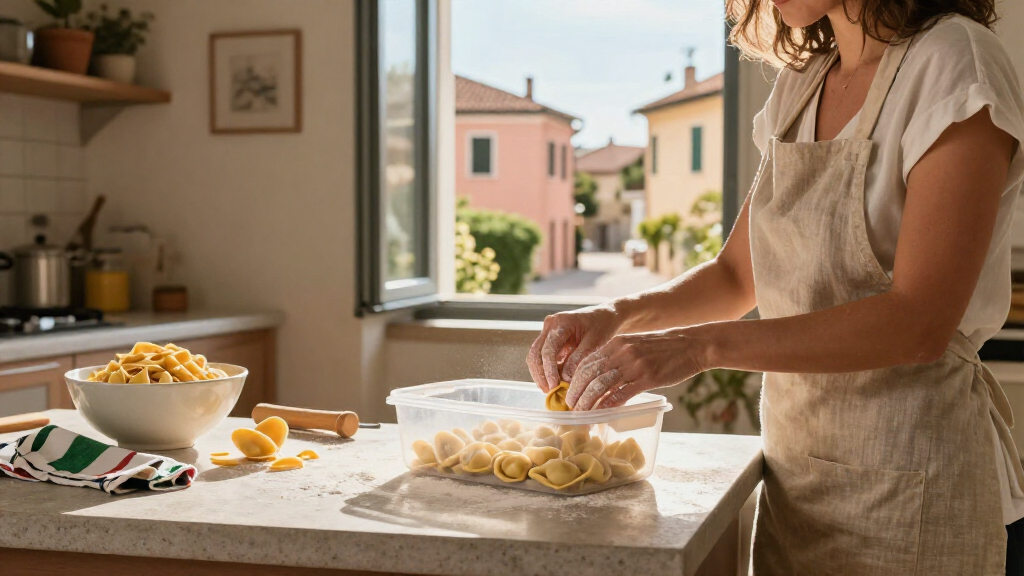
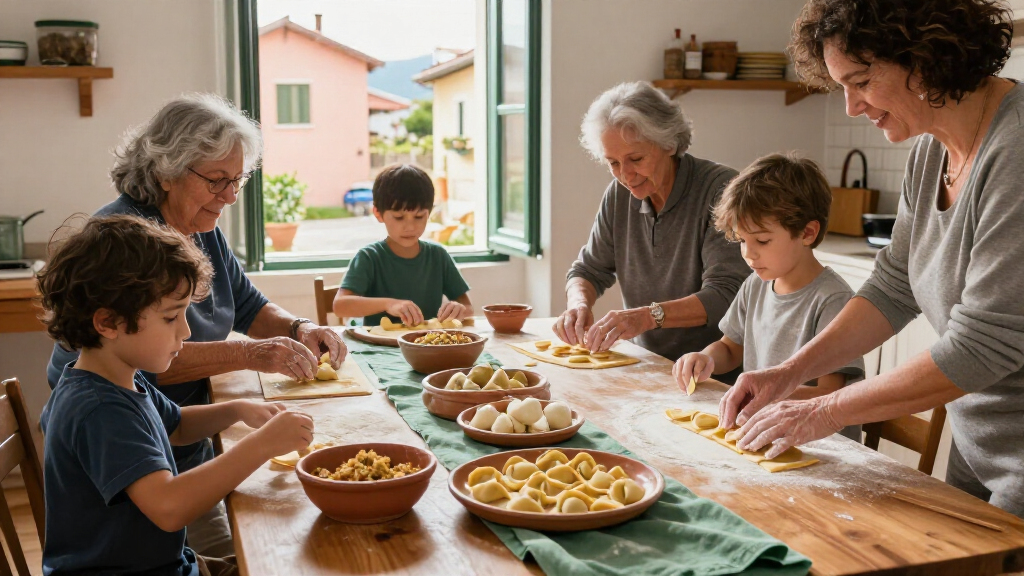
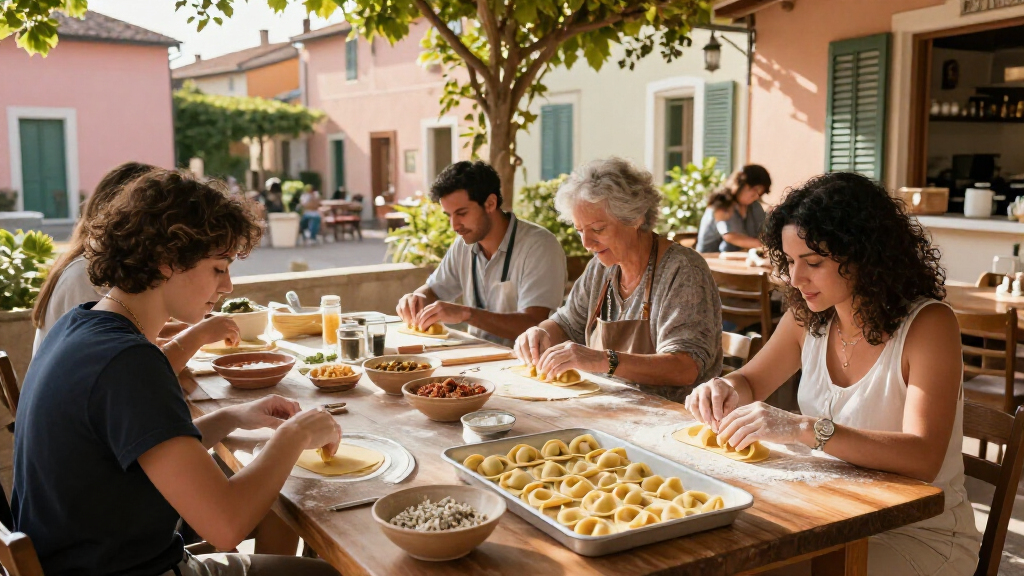
On a December morning in Emilia-Romagna, a table can disappear beneath flour, little squares of pasta, and trays of tortellini waiting for broth. The work takes hours, but the family batch gives everyone a place: one person rolls, another fills, and a grandparent checks each fold by feel.

Get kitchen staples and gadgets delivered free with Prime
- Fast, free delivery on millions of items
- Prime Video, Amazon Music and more included
- Member-only deals all year
You can bring that rhythm to your own kitchen without turning Christmas Eve into a production line. This guide walks you through planning a large batch, choosing a filling, organizing helpers, shaping tortellini, and freezing them safely. It also explains why the classic pairing with brodo (broth) belongs to the Christmas table in parts of Emilia-Romagna, while leaving room for your family’s own recipe.
The aim is simple: make enough pasta to share, keep the dough supple, and leave room for conversation. If your first tortellino looks a little lopsided, it still counts. The next one will be better.
Prepare and chill the filling before the family pasta day, then keep it refrigerated at 40°F (4°C) or below.
Roll one small dough section at a time and keep the rest wrapped so the edges stay easy to seal.
Assign separate stations for rolling, cutting, filling, folding, and tray arranging to keep helpers involved.
Freeze tortellini in one layer before packing, label the portions, and cook them from frozen.
Serve tortellini in brodo for an Emilia-Romagna inspired Christmas meal, while respecting the variations in family tradition.
Tortellini Marathon A Christmas batch made together
Plan the filling, cover the dough, and give each helper a clear task. The shared work leaves room for conversation and family tradition.
Prepare the kitchen
Make and chill the filling ahead, then set up stations before shaping begins.
Store it covered at 40°F (4°C) or below. Chilled filling is easier to portion.
Arrange jobs for rolling, cutting, filling, folding, and trays.
Roll one small piece of dough at a time and keep the rest wrapped.
Keep each piece easy to seal
Small, consistent portions give the edges room to meet.
Cover what you are not using
Exposed dough can dry out and become harder to seal.
Use a small measure
Leave enough space at the edges to press the pasta closed.
Give everyone a role
Children can place filling or arrange trays under supervision.
Freeze for flexible portions
A little care at the tray stage makes it easier to cook only what you need.
- Arrange tortellini in a single layer.
- Freeze the pieces separately.
- Pack and label portions.
- Cook from frozen in gently simmering broth.
Make room for family tradition
Emilia-Romagna offers a classic Christmas model, while recipes and folding styles vary between families.
Plan the tortellini marathon around jobs, not a clock
A Christmas tortellini marathon goes smoothly when you divide the work into clear jobs and make the filling ahead. Fresh pasta asks for attention, so a small team with defined tasks can keep the table moving without rushing the dough or crowding the cooktop.
For a first family batch, plan on a relaxed half day rather than promising a precise number of minutes. The size of the batch, how quickly people fold, and whether the filling is already chilled all change the timing. For example, if six relatives arrive at 10 a.m., have the filling ready and cold, then start the dough when everyone has washed their hands and found a station.
Set out a pasta board or clean counter, rolling pin or pasta machine, small knife or pastry wheel, teaspoon, clean trays, and a few kitchen towels. Keep a bowl of flour nearby for the board, but use it lightly; too much flour can make edges harder to seal. Put water and snacks at another table so people do not reach over the pasta.
- Before the day: Make the filling, cool it promptly, and refrigerate it in a covered container.
- At the start: Mix and knead one manageable dough batch, then wrap it well while it rests.
- During shaping: Roll only a section at a time and cover the rest so it does not dry out.
- At the finish: Arrange the tortellini in a single layer to cook soon or freeze.
This division lets children dust trays or count finished pieces while experienced pasta makers handle rolling. A clear task makes a busy kitchen feel like a gathering, not a queue.
Products Worth Considering

Levoit Vital 100S-P Air Purifier with Washable Pre-Filter

Shark IY143H Cordless Pet Stick Vacuum

Bose SoundTouch 10 Wi-Fi Speakers, 2-Pack, Black
As an affiliate, we earn on qualifying purchases.
Choose a filling that tastes like your Christmas table
Christmas tortellini filling depends on the family and place, but in Emilia-Romagna, rich meat fillings and serving the pasta in broth are familiar traditions. There is no single recipe that represents every household. Your best guide is the flavor your family wants to meet in the first spoonful: savory, balanced, and small enough to sit neatly inside the pasta.
Some versions combine cooked meats with cheese, egg, and a little nutmeg; others follow a closely guarded household formula. If you use Parmigiano Reggiano DOP (protected designation of origin), its aged, nutty savor can bring depth without a heavy hand. Taste the filling before shaping, then cook a teaspoonful in a small pan if it contains raw egg or meat; adjust seasoning only after it is safely cooked.
Make the filling a day ahead if that suits your schedule. Cool cooked ingredients promptly, store the mixture covered in the refrigerator at 40°F (4°C) or below, and use clean utensils. Chilled filling is also easier to portion than warm filling, which can soften the dough and smear at the edges.
Think about allergies before the flour lands on the table. Traditional pasta dough contains wheat, and many fillings include egg and milk; check every ingredient, including broth and cured meats. If a guest avoids an allergen, prepare and label a separate portion with clean tools rather than hoping a shared work surface stays clear.
For instance, one family might serve a small test bowl of the filling with a spoonful of broth before shaping. If the broth softens the flavor, a little more cheese or seasoning may help. The test connects the filling to the dish you will actually serve.
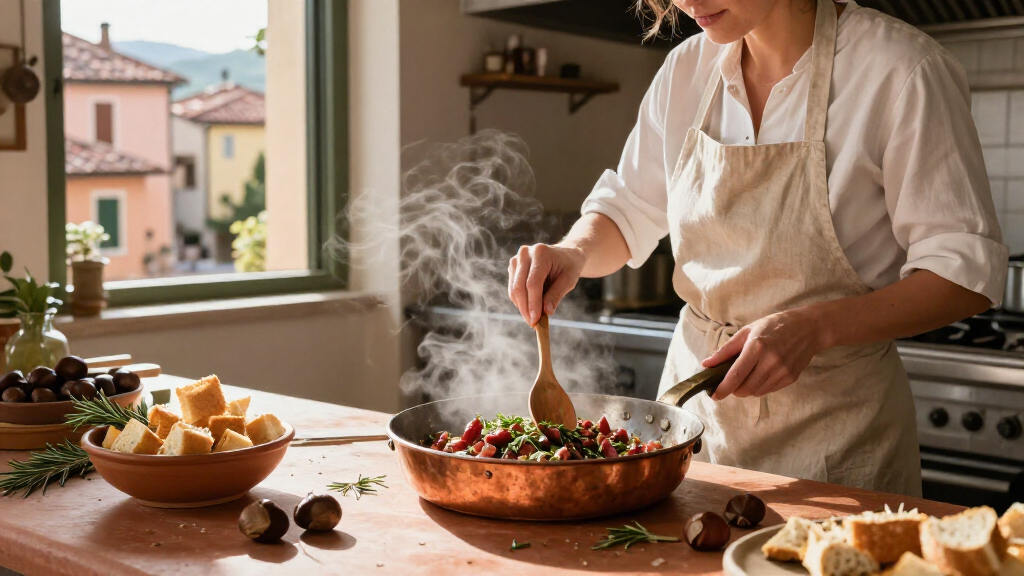
Keep pasta dough soft while a whole family folds
Keep the dough covered and roll it in small sections; that is the simplest way to stop a large family batch from drying out. Pasta dough exposed to warm kitchen air can turn leathery at the edges, and dry edges do not seal cleanly around the filling.
Start with a clean surface and a dough recipe you have used before, or make a modest test batch before Christmas. Knead until the dough feels smooth and elastic, then wrap it tightly and let it rest according to your recipe. Resting gives the flour time to absorb moisture, so the dough rolls with less springback.
- Divide the dough: Cut it into several pieces and keep all but one wrapped.
- Roll a narrow sheet: Use a rolling pin or pasta machine, working toward a thin, even thickness.
- Cut consistent squares: A roughly 1½-inch square is a useful starting point, though family shapes vary.
- Add a small amount of filling: Use a teaspoon or smaller measure so the edges have room to meet.
- Seal and fold: Bring the corners together, press out trapped air, then wrap the joined point around a fingertip and seal.
Make one sample first and boil it. If the filling escapes, reduce the amount or press the seams more firmly; if the pasta feels too thick, roll the next sheet thinner. A child can place a tiny dot of filling on each square while an adult handles the knife and hot pots. Keep a clean damp towel over the unused sheet, and return scraps to the dough only if they remain clean and supple.
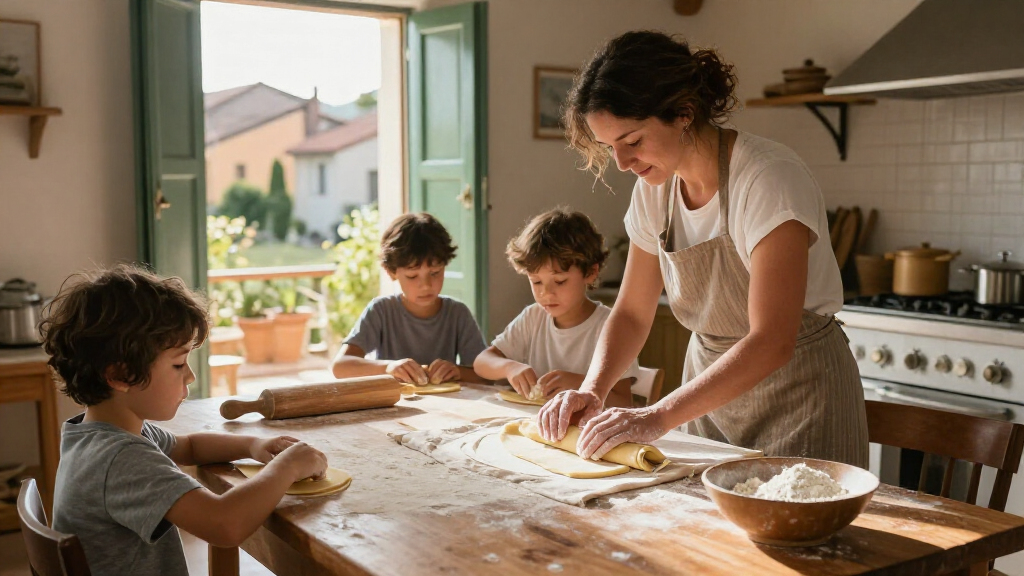
Give every helper a job that suits their hands
Give each person a task that fits their age and comfort, and the family can work side by side without bottlenecks. Tortellini making is repetitive in a satisfying way; after a few pieces, the hand learns the fold, like tying a small bow with pasta.
Set up stations in order: dough rolling, square cutting, filling, folding, and tray arranging. A confident adult can run the pasta machine, while another person cuts squares and watches the dough supply. Older children can place measured filling, and younger children can count pieces or dust a tray under supervision.
Imagine three generations around a kitchen island. A grandparent demonstrates the family fold, a teenager rolls sheets, and a six-year-old counts each row of finished tortellini. The child’s count may not be perfect, but it gives them a real role and keeps the trays from piling up unnoticed.
Agree on one fold before the table gets busy. Different regions and families shape tortellini differently, so avoid presenting a single hand position as the only authentic one. If your relatives bring different techniques, make a few of each and label the trays; it becomes a friendly record of who taught whom.
Keep raw ingredients and ready-to-eat snacks apart, wash hands after handling raw meat or eggs, and have adults manage boiling water. If someone needs a break, let them switch to arranging trays or wrapping the finished pasta. A steady rotation protects both the pasta and the good mood.
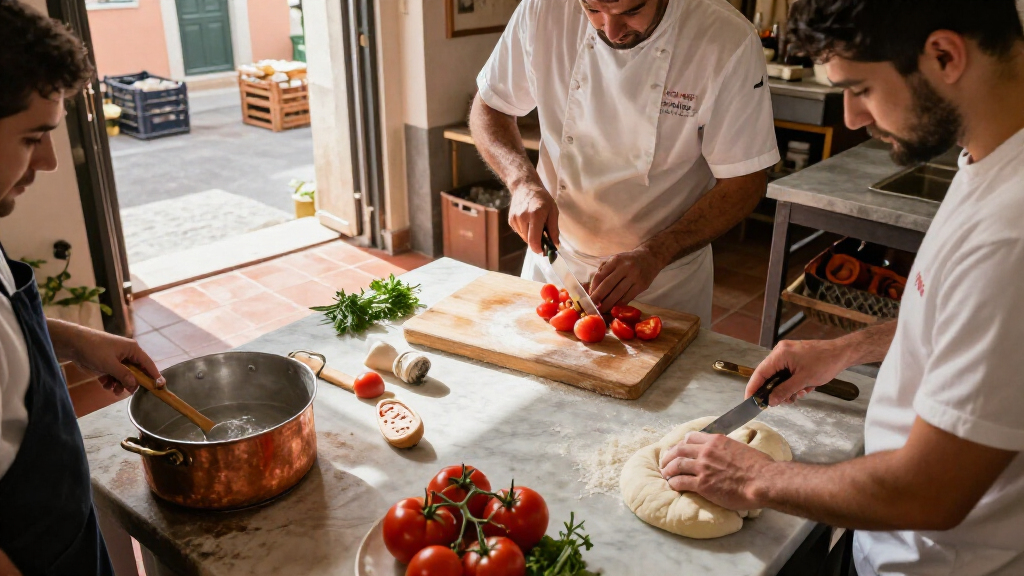
Serve the batch in the broth that makes Christmas feel close
In parts of Emilia-Romagna, tortellini in broth—tortellini in brodo—is a classic holiday dish. The clear, savory broth lets the small pasta and its filling speak, and the steam rising from the bowl suits a cold December meal. Other families serve tortellini with a sauce or follow a different local custom.
For a broth service, warm the broth separately and bring it to a gentle simmer. Cook a small test portion first, then taste for seasoning and texture. Fresh tortellini cook quickly, while the exact time depends on dough thickness and filling; follow your recipe and check one piece rather than relying on a fixed minute count.
A practical Christmas Eve example: set out a warm tureen of broth and bring cooked pasta to the table just before serving. That keeps the pasta from sitting too long and swelling in the liquid. Offer grated Parmigiano Reggiano DOP at the table if it suits the recipe, and keep a simple alternative available for anyone avoiding dairy.
Do not leave cooked pasta or meat filling at room temperature for more than two hours. Refrigerate leftovers promptly in shallow containers at 40°F (4°C) or below, and reheat broth and pasta until steaming hot. These small habits matter when the meal stretches into a long family evening.
The point of broth is not ceremony for its own sake. It gives you a warm, generous way to serve a large batch, and it turns the hours at the table into a meal everyone can share.
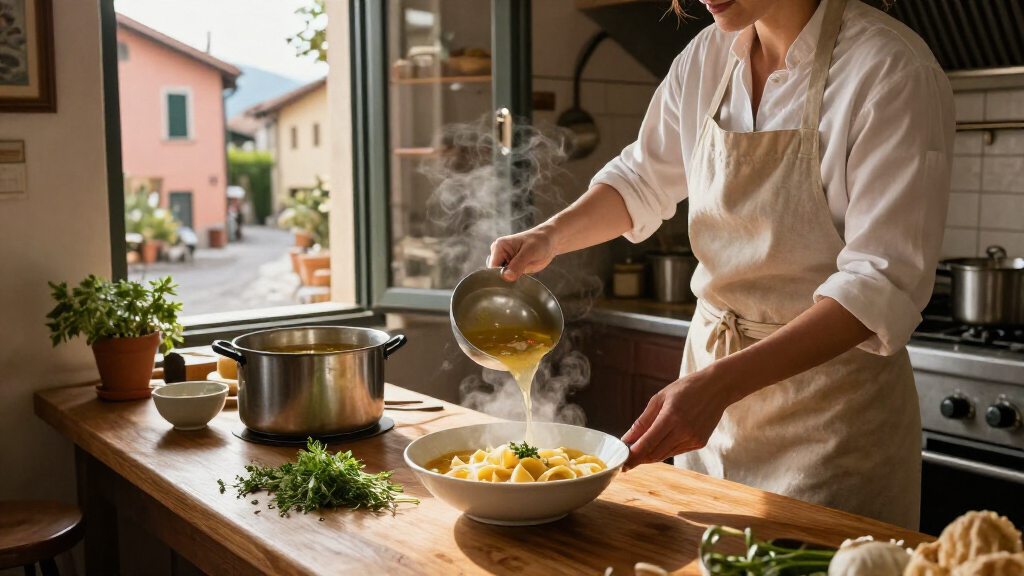
Freeze extra tortellini so Christmas dinner stays easy
Freeze shaped tortellini in a single layer first, then pack them once firm; this keeps the pieces from sticking into one solid lump. A large batch of fresh pasta can feel like a triumph at noon and a storage puzzle by late afternoon, so leave tray space in your freezer before the folding begins.
Dust a clean baking sheet lightly with flour or semolina, arrange the tortellini so they do not touch, and freeze until firm. Transfer them to a labeled freezer bag or airtight container, press out excess air, and note the date. Keep the freezer at 0°F (-18°C). For best texture, use them within about two months, though they may remain safe longer if kept continuously frozen.
Cook frozen tortellini straight from the freezer in gently simmering broth or salted water; thawing can soften them and make them stick. Add a small batch at a time so the liquid returns to a simmer, then check a piece for doneness. If a seam opens, lower the heat and avoid stirring hard.
Freeze flat, pack later, cook from frozen. That three-step routine keeps your Christmas batch easy to portion, whether you need one bowl for lunch or a full pot for guests.
For example, pack eight to ten portions separately if your holiday visits happen on different days. You can lift out exactly what you need, instead of repeatedly thawing and refreezing one large bag. Never refreeze tortellini that have thawed at room temperature.
Frequently Asked Questions
What tools do I need to make tortellini from scratch?
You need a clean work surface, rolling pin or pasta machine, knife or pastry wheel, small spoon, and trays for arranging the pasta. A kitchen towel or plastic wrap keeps unused dough covered. A thermometer helps you check refrigerator and freezer temperatures.
Can I make the filling or dough ahead?
Yes. Make the filling ahead, cool it promptly, and refrigerate it covered at 40°F (4°C) or below. Dough can also be prepared ahead according to your recipe; keep it tightly wrapped so it does not dry out, and bring it to a workable texture before rolling.
How do I stop tortellini from opening during cooking?
Use a small amount of filling, press out trapped air, and seal the edges firmly. Keep the dough supple while you work, since dry edges are harder to join. Cook a test tortellino first and reduce the filling or improve the seal if it opens.
Should I thaw frozen tortellini before cooking?
No. Cook them straight from frozen in gently simmering broth or water. Add them in manageable batches and check one piece for doneness, since thickness and filling affect cooking time.
What allergens should I flag when serving homemade tortellini?
Wheat is present in the pasta, and egg and milk commonly appear in dough or filling. Check broth, cheese, and any cured meats for additional ingredients, and prepare a separate portion with clean equipment if a guest has an allergy.
Conclusion
Make your Christmas batch manageable by preparing the filling ahead, keeping the dough covered, and giving everyone a station they can handle. Fold a test piece, cook it, and adjust before the table fills with trays.
Then freeze the extras flat and save the best part for the holiday: a bowl of tortellini in brodo, fragrant with broth, while the family remembers who made the crooked ones.