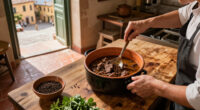
TL;DR
Sfincione palermitano is Palermo’s thick, airy topped bread, often called a Sicilian pizza, with a slow-cooked onion and tomato topping, anchovy, cheese, breadcrumbs, and olive oil. It is a familiar part of Christmas and holiday meals, but Palermo vendors and families enjoy it throughout the year, with household and neighborhood variations.
At a Palermo Christmas table, the first slice of sfincione palermitano gives you a little of everything: a soft, springy crumb, sweet onion, ripe tomato, salty anchovy, and a sandy crunch of toasted breadcrumbs. It looks like pizza at a glance. One bite tells you it has its own rules.

Get kitchen staples and gadgets delivered free with Prime
- Fast, free delivery on millions of items
- Prime Video, Amazon Music and more included
- Member-only deals all year
This thick Sicilian bake belongs to Palermo’s home cooking and street-food culture. Families often bring it out for Christmas and other holidays, while vendors sell it during the rest of the year. That holiday connection matters, but sfincione is not a once-a-year dish.
Here, you’ll learn what makes the Palermo version distinct, how its toppings work together, what to expect from family recipes, and how to plan a practical home bake. You’ll also get a clear guide to serving, storing, reheating, and adapting it when you need to avoid anchovies or other allergens.
Sfincione palermitano is Palermo’s thick, airy topped bread, distinct from other foods broadly called Sicilian pizza.
The characteristic topping combines slow-cooked onion and tomato with anchovy, cheese, breadcrumbs, and olive oil.
Caciocavallo is common in many traditional recipes, while household and bakery versions vary.
Sfincione appears at Christmas and other holidays, but Palermo vendors and families enjoy it throughout the year.
Check for anchovy, wheat, and milk; refrigerate leftovers at 40°F or below and reheat them to 165°F.
Sfincione Palermitano Sicily’s Thick Christmas Pizza
Palermo’s soft, airy topped bread brings a festive tradition to the table year-round. Its onion, tomato, anchovy, cheese, and toasted breadcrumb topping gives it a character of its own.
A bread with its own identity
“Sicilian pizza” can mean many styles; Palermo sfincione is a specific local tradition.
- Thick, soft, airy crumb
- Lightly crisp bottom
- Slow-cooked onion and tomato
- Anchovy, cheese, breadcrumbs, olive oil
Every topping has a job
Together, the ingredients balance sweetness, savoriness, and crunch.
Onion and tomato
Slow cooking mellows the onion and brings the sauce together.
Anchovy and cheese
Anchovy adds salt and umami; caciocavallo is common in many recipes.
Breadcrumbs
A signature layer adds a savory crunch over the tender bread.
A holiday favorite, all year
Christmas is an important occasion for sfincione, but it is not limited to the festive season.
Families often serve it at Christmas and other holidays.
Vendors sell it throughout the year, and families enjoy it beyond the holidays.
Recipes reflect local life
The recognizable style stays rooted in Palermo while toppings vary by household and neighborhood.
What Makes Sfincione Palermitano Different from Pizza?
Sfincione palermitano is Palermo’s thick, soft topped bread, usually layered with cooked onion and tomato, anchovy, cheese, breadcrumbs, and olive oil. Its name is commonly linked to *spugna*, Italian for “sponge,” a reference to the light, airy crumb beneath the generous topping. That makes “pizza” a useful first comparison, but an incomplete definition.
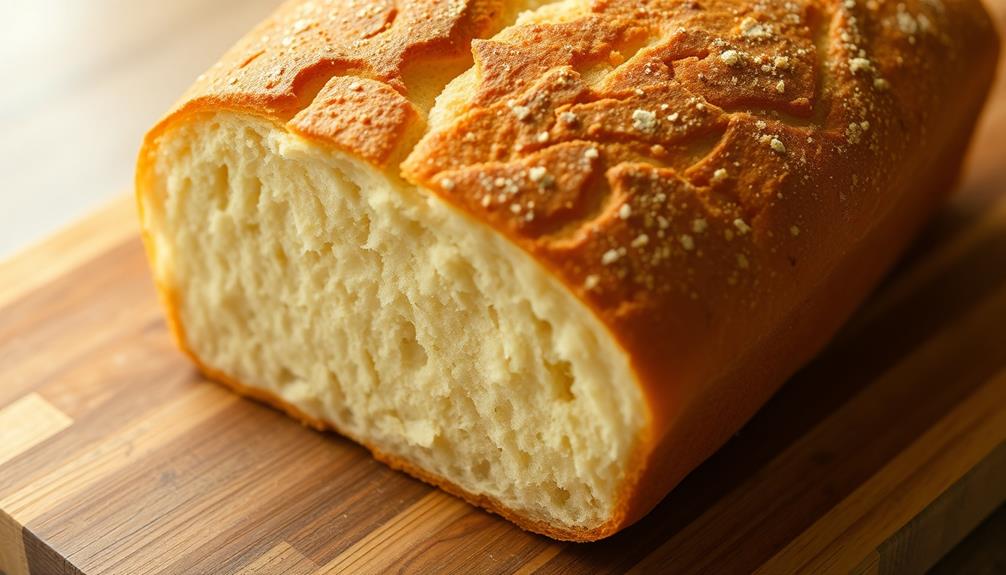
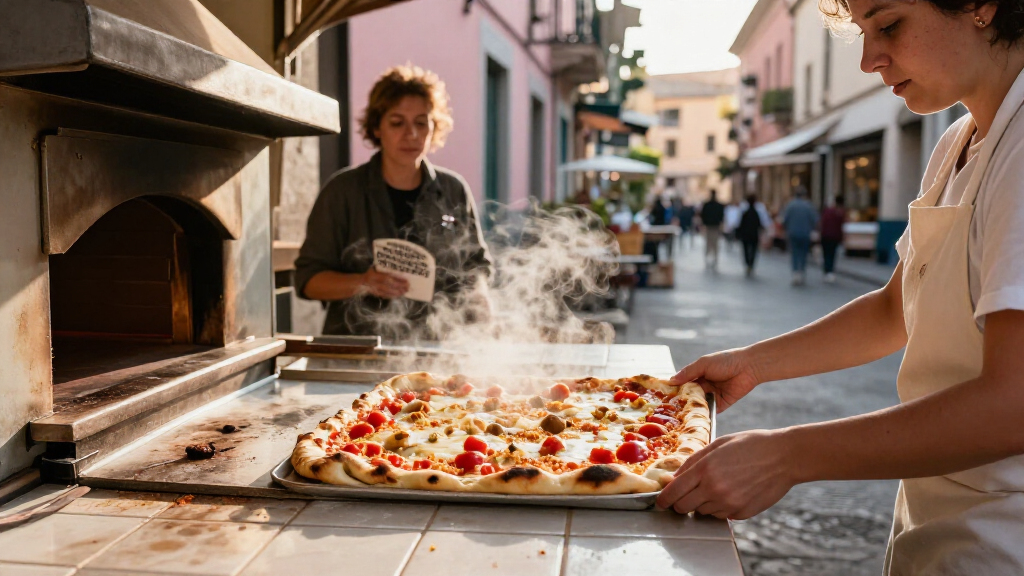
Unlike a thin, crisp pizza, sfincione starts with a substantial dough that stays tender under a moist topping. The underside may brown lightly, but the center should feel breadlike and yielding, not cracker-thin. Imagine cutting a square from a plush loaf that has been dressed like a savory meal.
The topping explains the rest of the difference. Onion cooks slowly until mellow and sweet; tomato adds color and acidity; a little anchovy melts into the sauce for salty depth. Cheese and breadcrumbs finish the surface, so each bite shifts from soft and juicy to toasted and crisp.
Say “Sicilian pizza” and you may mean several different regional or bakery styles. Palermo sfincione is a specific local tradition, not a label for every thick pizza from Sicily. If you see a square slice with a pillowy base and a breadcrumb-studded onion topping, you’re closer to the Palermo idea.
Products Worth Considering

Dyson Cyclone V10 Origin Cordless Vacuum

Google Nest Learning Thermostat (4th Gen, 2024) with Nest Temperature Sensor, Obsidian

Dyson V15 Detect Cordless Vacuum
As an affiliate, we earn on qualifying purchases.
Why Palermo Serves Sfincione at Christmas—and All Year
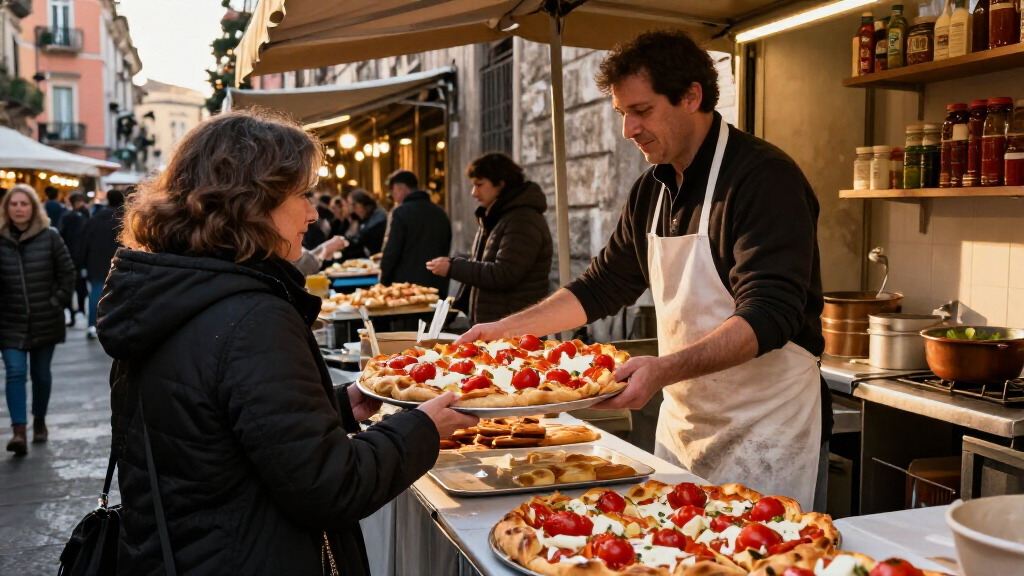
Sfincione palermitano is closely tied to Palermo’s festive meals, including Christmas, but it is also an everyday food sold by vendors throughout the year. The holiday association gives the bake a place on family tables; it does not limit the calendar. You can enjoy it in December or pick up a slice on an ordinary Palermo afternoon.
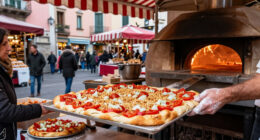
That mix of celebration and street food makes practical sense. A broad pan of bread can feed several people, and squares are easy to share while other dishes move around the table. At Christmas, a tray might sit among the richer foods; at a street counter, a warm piece can be lunch on the go.
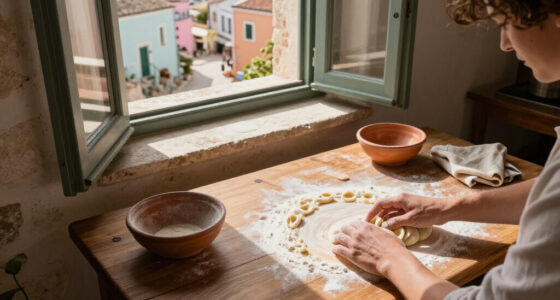
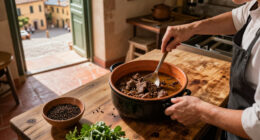
Think of a family preparing the onion topping in the morning while the dough rises nearby. Later, the kitchen fills with the sweet smell of softened onions and tomato, followed by the nutty scent of breadcrumbs browning in olive oil. That scene can feel festive without being reserved for a single feast day.
Recipes change from house to house and neighborhood to neighborhood, so there is no single formula that every Palermitano would call definitive. Tradition lives in the recognizable combination and local identity, alongside those variations. When you bake it for a holiday, you’re honoring a seasonal connection; when you bake it in July, you’re still making a Palermo specialty.
How the Onion, Anchovy, Cheese, and Breadcrumbs Build Flavor
The signature topping balances sweet onion, bright tomato, salty anchovy, savory cheese, and crisp breadcrumbs. Each ingredient has a separate job, which is why a modest amount of anchovy can enrich the sauce without making the whole bake taste strongly of fish. The result should feel rounded, not crowded.
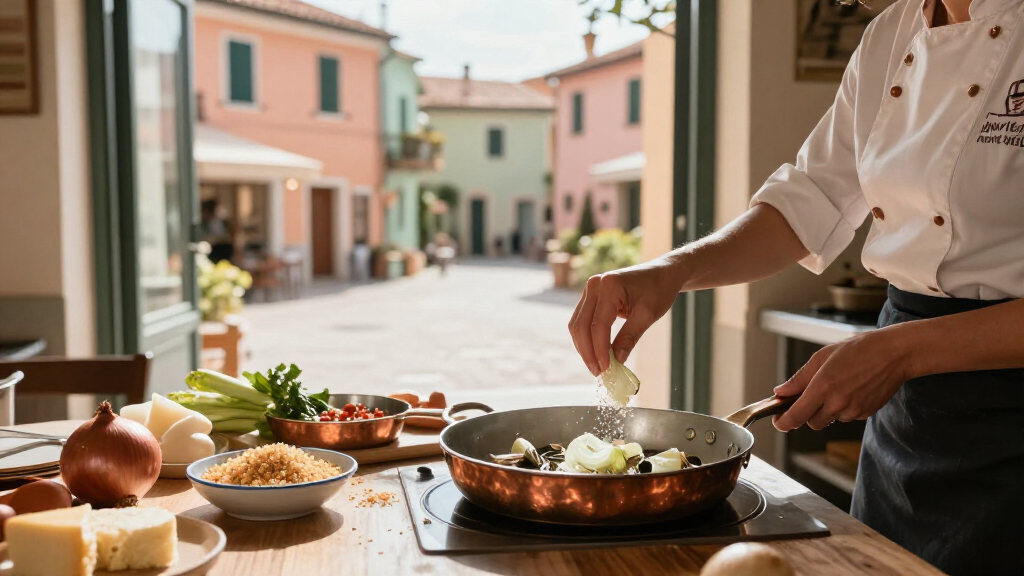
Start the topping by softening sliced onion gently in olive oil. Rushing this step can leave sharp, firm pieces that fight the bread; patient cooking brings out a mellow sweetness. Stir in tomato and let the mixture cook until it looks cohesive rather than watery, a useful cue if you want the base to stay soft instead of soggy.
Anchovy often melts into the warm topping, where its salt and umami make the tomato taste fuller. Caciocavallo, a traditional cheese in many versions, brings a rich, savory note; recipes may use other aged or melting cheeses depending on local availability and family preference. Finish with coarse breadcrumbs, sometimes toasted first in oil, for a golden, nutty crunch.
For example, if your sauce tastes a little flat after simmering, taste before adding salt: the anchovy and cheese may already provide enough. Breadcrumbs are more than decoration; they create a toasted top layer that contrasts with the tender dough. A good slice gives you softness, sweetness, salt, and crunch in one forkful.
Bake a Home Version That Keeps the Palermo Character
You can make a practical home sfincione by building an airy bread base, cooking the topping gently, and finishing with cheese and breadcrumbs. Recipes differ, so treat the following as a useful sequence rather than a claim to one official formula. If you already have a trusted bread dough, use it as your starting point and leave room for the thick, soft texture.
- Prepare the dough. Choose a dough that can rise into a thick, tender base. Give it time to expand until it looks puffy; a rushed, dense base will not have the characteristic sponge-like feel.
- Cook the topping. Soften sliced onion in olive oil over low to medium heat. Stir in tomato and anchovy, then cook until the sauce thickens and the onion turns tender.
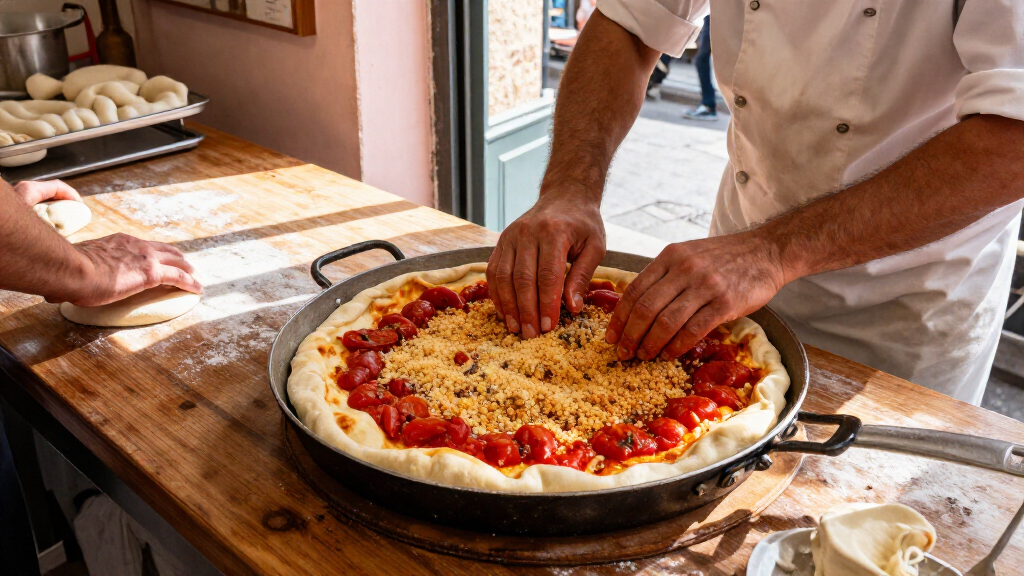
- Shape and top. Press the risen dough into an oiled pan, leaving it substantial rather than stretching it thin. Spread the topping evenly and add caciocavallo or another suitable cheese.
- Add the finish and bake. Scatter coarse breadcrumbs over the surface and drizzle with olive oil. Bake in a preheated oven until the edges and bottom are browned and the topping looks set.
- Rest before slicing. Let the pan sit briefly so the topping settles. Cut into squares and serve warm or at room temperature.
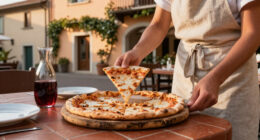
Picture a family-sized pan brought to the table while the center is still tender and the breadcrumb layer crackles softly under a knife. That is the texture to aim for: not a dry crust, not a puddle of sauce. Watch your own oven and pan, since home equipment and dough recipes vary.
Check the dough and topping for doneness instead of relying on a borrowed bake time. The base should be cooked through and browned underneath, while the topping should look thick rather than runny. This sequence keeps the dish’s Palermo character in view even when you adapt the exact ingredients.
Choose Cheese and Breadcrumbs Without Losing the Dish
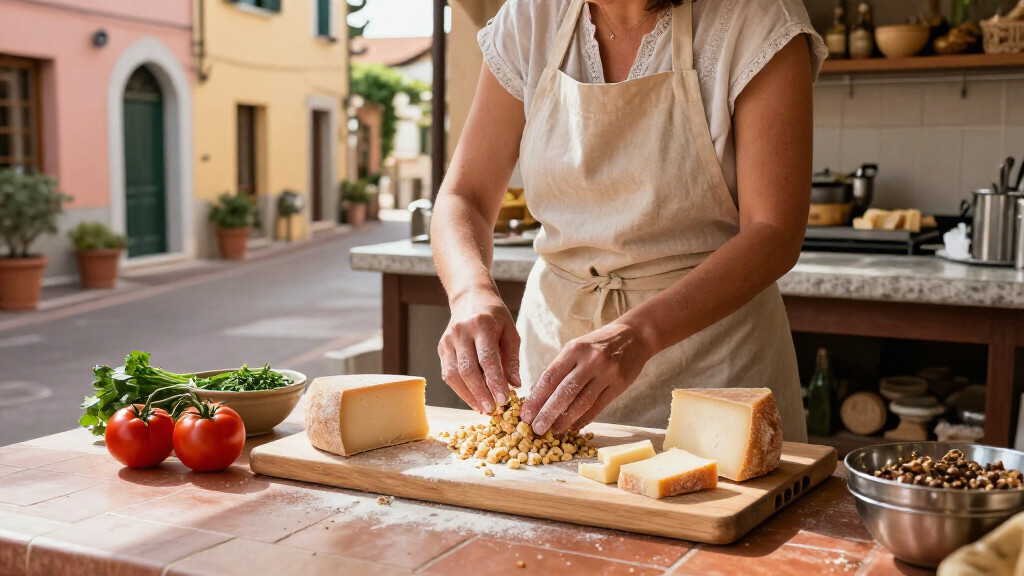
Caciocavallo and coarse breadcrumbs are strong choices for a Palermo-style sfincione, though local recipes and home kitchens vary. Caciocavallo contributes an aged, savory flavor, while breadcrumbs toast into a dry, nutty layer above the sauce. Together they make the top taste more like a composed bake than a simple tomato bread.
If you can find caciocavallo at an Italian grocer, grate or slice it according to the recipe you’re following. If you cannot, choose a cheese that melts or browns pleasantly and has enough flavor to stand up to onion and tomato. The substitution changes the result, but it need not erase the dish’s identity if you keep the characteristic topping and bread base.
For breadcrumbs, coarse crumbs give you visible texture. Fresh crumbs may need more time to toast than dry ones, so watch for a light golden color and a warm, nutty smell rather than a dark brown finish. A little olive oil helps them brown evenly; scatter them across the top so each square gets some crunch.
When shopping for a holiday bake, make the cheese choice before you start the dough. That small bit of planning avoids a last-minute scramble and lets you compare labels for allergens. Keep the topping’s roles intact: cheese for savory richness, crumbs for toasted texture, and onion-tomato sauce for the sweet-salty center.
Adapt the Anchovies and Check Allergens Before Serving
Traditional sfincione often contains anchovy, wheat, and milk-based cheese, so check the ingredients before serving anyone with an allergy or dietary restriction. Anchovy can be omitted in some versions, but it adds salty depth; without it, you may want to season the tomato-onion mixture carefully and choose a cheese that brings plenty of savory character.
If you’re cooking for a vegetarian guest, make a separate anchovy-free topping and use a vegetarian-suitable cheese. Do not assume a bakery slice is vegetarian just because you cannot see fish: anchovy may have been cooked into the sauce until it disappears. Ask the seller directly about ingredients and preparation.
Wheat is present in the bread and often in the breadcrumbs, while cheese can contain milk. If someone has celiac disease or a serious allergy, a casual swap may not be enough because shared tools and surfaces can cause cross-contact. Use ingredients and equipment appropriate to that person’s needs, and be clear about what you prepared.
For an easy dinner-party plan, label one tray clearly and serve it with a separate utensil. That small step helps guests choose confidently without turning the meal into an interrogation. The classic flavor remains worth knowing, even when your table needs a thoughtful variation.
Store and Reheat Sfincione So the Base Stays Tender
Refrigerate leftover sfincione promptly and reheat it in an oven for a firmer base. The moist onion and tomato topping can soften the bread during storage, so the microwave is convenient but often leaves the underside limp. A few minutes of gentle oven heat can restore some of the toasted contrast.
For a holiday meal, bake the sfincione ahead and cool it before covering and refrigerating. Follow standard food-safety practice: do not leave perishable food at room temperature for more than two hours, or one hour when the air is above 90°F. Keep it cold at 40°F or below, and reheat leftovers to 165°F for food safety.
When you reheat a square, place it on a baking sheet and warm it until hot throughout, checking the center rather than trusting the edges alone. If the breadcrumbs have softened, a short uncovered finish can help them dry and toast again. Keep an eye on the top so the cheese does not overbrown before the middle heats through.
For the best texture, make only what you can serve soon, or refrigerate extra slices in a sealed container once they have cooled. A family tray reheated the next day can still be satisfying, though its crumb may be softer than a fresh slice. The oven gives you the closest return to that crisp-bottom, tender-center balance.
Order or Describe Sfincione Like Someone Who Knows Palermo
Look for a thick, airy base with cooked onion and tomato, anchovy, cheese, and a breadcrumb finish when you want to recognize Palermo-style sfincione. Its appearance can vary: one bakery may serve a generous, saucy square, while another keeps the topping more restrained. The defining idea is the combination and the Palermo connection, not a perfectly uniform surface.
At a bakery, ask whether the anchovy is cooked into the sauce and which cheese the baker uses. That is more useful than asking whether it is “authentic,” because families and shops can make different choices while still identifying their version with Palermo. If you are planning a Sicily trip, a bakery counter or street-food stop gives you a chance to taste how the bread and topping vary from one place to another.
People often describe sfincione as focaccia-like because of its soft thickness. The comparison helps a first-time eater imagine the crumb, but the onion-tomato mixture and breadcrumbs mark a different route. Think of focaccia as the cousin you recognize by texture; sfincione is the Palermo relative who arrives wearing a savory, toasted topping.
Use the full name, sfincione palermitano, when you want to be precise about the style. It distinguishes Palermo’s bake from related versions elsewhere in Sicily and from generic thick pizza. That little place-name carries a lot: a local food tradition, a holiday table, and a street snack that never waits for December.
Remember These Four Details Before Your First Bake
Sfincione’s identity rests on Palermo, a thick airy base, an onion-tomato topping, and breadcrumbs. If you keep those four details in mind, you can make sensible choices about cheese, anchovy, and oven method without getting stuck searching for a single supposedly definitive recipe. The dish allows variation while remaining recognizable.
- Keep it thick. A soft, substantial base is part of the pleasure; do not stretch it into a thin, crisp pizza.
- Cook the onion slowly. Gentle heat turns sharp onion sweet and helps the topping cling to the bread.
- Use anchovy knowingly. It often melts into the sauce for umami, but some versions omit it; ask about it if you are buying a slice.
- Finish with breadcrumbs. Their toasted crunch is a signature feature, not an optional garnish in the usual Palermo style.
- Serve it beyond Christmas. Holiday meals are part of its story, and year-round street food is part of it too.
Imagine setting a pan on the table beside a winter meal, then making the same recipe again for a summer lunch. Both occasions suit the dish. Christmas gives sfincione a festive place, not a seasonal boundary.
Frequently Asked Questions
Is sfincione the same as Sicilian pizza?
Sfincione is one regional Sicilian specialty, but “Sicilian pizza” can describe several styles. Palermo sfincione has a thick, soft base and a characteristic onion-tomato topping finished with breadcrumbs.
Is sfincione eaten only at Christmas?
No, it is eaten year-round. Families often serve it at Christmas and other holidays, and vendors sell it throughout the year in Palermo.
Does sfincione contain anchovies?
Many versions use anchovies, often cooked into the topping until they melt into the sauce. Some recipes omit them, so ask a bakery or check the recipe if you avoid fish.
What cheese goes on Palermo sfincione?
Caciocavallo is common in many traditional versions. Recipes vary, and cooks may use another aged or melting cheese when that better suits their household or what they can find.
Why does sfincione have breadcrumbs on top?
Breadcrumbs create a toasted, savory finish over the soft bread and moist topping. Some cooks toast them in olive oil before scattering them across the surface.
How should I reheat leftover sfincione?
Use an oven for a firmer base and warmer topping; a microwave tends to soften the bread. Refrigerate leftovers promptly at 40°F or below and reheat them to 165°F.
Conclusion
Remember sfincione as Palermo’s tender, thick bread crowned with sweet onion, tomato, and toasted crumbs, not simply as another name for Sicilian pizza. If you bake it, let the onions soften slowly, keep the base substantial, and choose the cheese and anchovy with your guests in mind.
Serve it warm in December or cut a square for an ordinary lunch. Either way, the smell of olive oil and toasted breadcrumbs brings a little Palermo to your table.