
TL;DR
Gnocchi di Patate are traditional Italian potato dumplings from Northern Italy made from just potatoes, flour, and sometimes egg. Their famously pillowy texture depends on using starchy potatoes, adding as little flour as possible, and handling the dough gently. When cooked in salted water, they’re done the moment they float to the surface, usually within 2-3 minutes.
The first time I ate gnocchi in Verona, in the Veneto region where they take these dumplings seriously enough to hold an annual festival, I remember thinking the waitress had made a mistake. The little pillows seemed to melt on contact with the browned butter and Parmesan. Nothing like the dense little bricks I’d produced in my own kitchen years earlier.
Here’s the good news: the difference between brick and cloud isn’t talent. It’s three or four small decisions — which potatoes you buy, how you cook them, how much flour you allow yourself, and how gently you work the dough. Gnocchi di Patate (potato gnocchi) are traditional Italian dumplings with roots in Northern Italy, and they are absolutely doable on a weeknight with ingredients you already have.
In this guide, you’ll learn exactly how to choose potatoes, shape the dumplings with a fork, cook them by the float test, and pair them with the sauces each region prefers. You’ll also find storage and food-safety basics, plus fixes for the two most common failures: dense gnocchi and gummy dough.
Bake or steam starchy potatoes (Russets, Yukon Golds) — never boil them — to keep water out of the dough.
Use the minimum flour that holds the dough together: roughly 1½-2 cups per 2 lb of potatoes, added a tablespoon at a time at the end.
Fold the dough with a bench scraper; don’t knead it, since developed gluten makes gnocchi chewy.
Gnocchi are done 2-3 minutes after they float; test-cook two before committing the whole batch.
Freeze shaped gnocchi in a single layer first, then bag them, and cook from frozen without thawing.
Gnocchi di Patate: Light, Pillowy, and Absolutely Doable
Potato gnocchi are traditional Italian dumplings from the north — Veneto, Piedmont, and Lombardy — made from potatoes, a little flour, and sometimes one egg. The difference between brick and cloud isn’t talent; it’s three or four small decisions you can master tonight.
Five Decisions That Make or Break the Dumpling
Gnocchi are fully cooked when they float to the surface of boiling water — typically 2 to 3 minutes — making them one of the fastest fresh pastas to cook. Here is what matters most, in order.
Bake or steam starchy potatoes (Russets, Yukon Golds) — never boil — to keep water out of the dough.
Use the minimum flour that holds the dough together, added a tablespoon at a time at the end.
Fold, don’t knead. Use a bench scraper; developed gluten makes gnocchi chewy.
Done 2–3 minutes after floating. Test-cook two before committing the whole batch.
Freeze in a single layer first, then bag; cook from frozen without thawing.
The Only Two Ingredients That Decide Your Texture
Waxy potatoes hold water. Water drags in more flour to compensate. More flour means heavier dumplings. The chain reaction starts in the produce aisle — so choose your potato and measure your flour before anything touches the stove.
The Potato: Starchy, Never Waxy
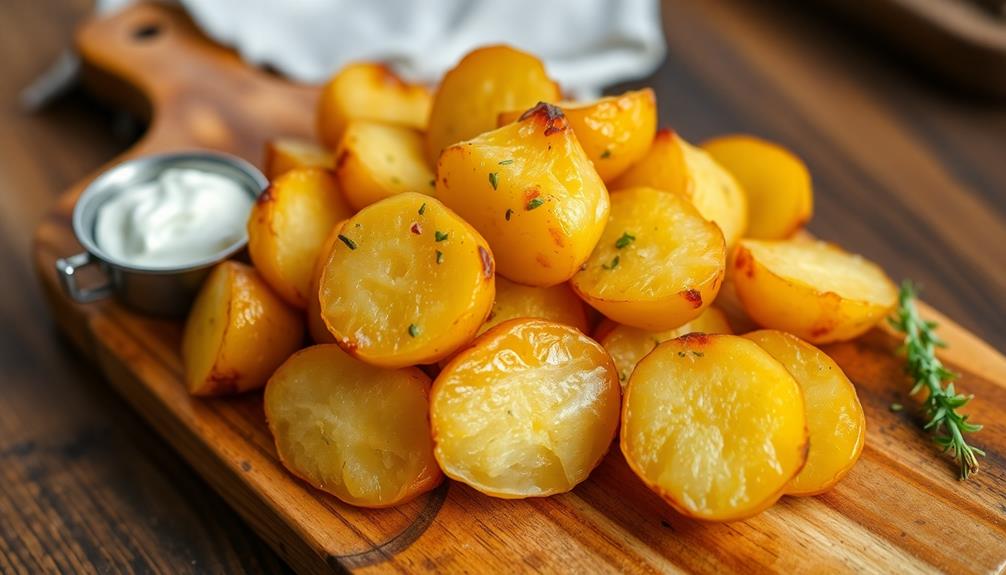
Russets and Yukon Golds have the dry, fluffy flesh you want. Cook them whole, skin on — baked or steamed, never boiled. Rice them while still hot and spread the mash out so steam escapes. A red-skinned salad potato will fight you the whole way.
The Flour: As Little As Possible
Expect 1½–2 cups (200–250 g) per 2 lb of potatoes — that’s a range, not a target. Humidity, potato size, and flour age all shift the number. Stop the moment the dough stops sticking to your hands, not a gram sooner.
From Raw Potato to Plated Dinner
The entire process takes about 90 minutes — and most of that is potato-cooking time. Eight steps, none of them hard.
Bake the Potatoes
Prick 2 lb (1 kg) of Russets; bake at 400°F (200°C) for 45–60 minutes until a knife slides in easily.
45–60 minRice Them Hot
Peel and pass through a ricer or food mill onto the work surface. Spread out; steam for 10 minutes.
While hotAdd Flour Gradually
Scatter 1½ cups (190 g) flour, ½ tsp salt, plus one beaten egg if using. Fold with a bench scraper — don’t knead.
Fold, don’t kneadAdjust & Rest
Add flour one tablespoon at a time just until the dough no longer sticks — soft Play-Doh, slightly tacky. Rest 10 minutes under a bowl.
10 min restRoll Ropes
Cut the dough into fist-sized pieces and roll each into a rope about ¾ inch (2 cm) thick, using light hands.
¾ in / 2 cmCut & Shape
Cut into 1-inch pillows. Press each against floured fork tines with your thumb — ridges on one side, a dimple on the other.
Ridges grab sauceFloat Test
Drop into generously salted boiling water. Done 2–3 minutes after they float. Scoop with a slotted spider — don’t dump the pot.
2–3 minSauce & Serve
Brown butter and Parmesan, sage butter, tomato, or gorgonzola. Serve immediately — gnocchi wait for no one.
Serve at onceThe old Italian trick: test-cook two gnocchi before committing the whole batch. If they fall apart in the water, the dough needs a bit more flour. If they sit on the bottom like stones, you’ve added too much.
The Flour Dial, Per 2 lb of Potatoes
Younger Than They Feel
Potato gnocchi feel ancient, but potatoes only reached Europe from the Americas in the 16th century — and the potato version didn’t become common in Northern Italy until the 19th century. The name likely comes from nocchio (a knot in wood) or nocca (knuckle): small, rounded, slightly rustic.
Bread, Semolina & Chestnut
Older gnocchi used bread, semolina, or chestnut flour. Many survive: gnocchi alla romana (baked semolina rounds) in Rome, ricotta-based gnudi — “nudes,” ravioli filling without the pasta coat — in Tuscany.
The Potato Takes the North
Veneto, Piedmont, and Lombardy all claim the potato version — and each region shapes and sauces it differently. Regional identity runs deep; the goal everywhere is constant: a dumpling that dissolves rather than bounces.
Papà del Gnoco
Verona celebrates gnocchi with a carnival festival dating back centuries: a golden-toned figure called Papà del Gnoco parades through the streets handing out dumplings. The classic serving: gnocchi col punial — butter and Monte Veronese cheese.
The Egg Question, Failures & Fixes
Should you add egg? The great divide: one egg makes the dough more forgiving — many Piedmontese recipes include it. Veneto purists skip it, arguing eggless gnocchi are lighter. First batch? Use the egg. Chase the eggless ideal later.
| Choice / Symptom | Recommended? | Why It Matters | The Fix |
|---|---|---|---|
| Add 1 egg (Piedmont style) | ~ Beginner-friendly | Easier handling, more forgiving dough | Use it on your first batch |
| Eggless (Veneto style) | ✓ Lightest texture | Purists say eggless dumplings melt on the tongue | Chase this once confident |
| Boiling the potatoes | ✗ Never | Boiling loads the flesh with water → more flour → bricks | Bake or steam, skin on |
| Kneading like bread dough | ✗ Avoid | Developed gluten = chewy, gummy dumplings | Fold gently with a bench scraper |
| Dense, heavy gnocchi | ✗ Common failure | Waxy potatoes, wet mash, or too much flour | Starchy spuds, minimal flour, hot ricing |
| Test-cooking two gnocchi | ✓ Always | Reveals dough balance before the full batch | Falls apart → more flour · sinks → less |
| Gluten-free option | ~ Possible | Rice flour + tapioca starch, roughly equal parts | Handle the delicate dough gently |
What Gnocchi Di Patate Actually Are (And Where They Come From)
Gnocchi di Patate are traditional Italian potato dumplings — small, thumb-sized pillows of mashed potato and flour, known for their soft, nearly weightless texture. The word “gnocchi” likely comes from nocchio, a knot in wood, or from nocca, meaning knuckle. Either way, the name describes their shape: small, rounded, and slightly rustic.
Potato gnocchi as we know them are surprisingly young for a dish that feels ancient. Potatoes only arrived in Europe from the Americas in the 16th century, and potato-based gnocchi didn’t become common in Northern Italy until the 19th century. Before that, gnocchi were made from bread, semolina, or chestnut flour — and many of those older versions survive. You’ll still find gnocchi alla romana, baked semolina rounds, in Rome, and ricotta-based gnudi (literally “nudes,” because they’re like ravioli filling without the pasta coat) in Tuscany.
The potato version belongs to the north: Veneto, Piedmont, and Lombardy all claim it, and each region shapes and sauces it differently. Verona celebrates gnocchi with a carnival festival dating back centuries, when a golden-toned Carnival figure called Papà del Gnoco parades through the streets handing out dumplings. The classic Veronese serving is gnocchi col punial — with butter and Monte Veronese cheese.
Regional identity runs deep here. What stays constant across Italy is the goal: a dumpling that tastes of potato, not flour, and dissolves rather than bounces.
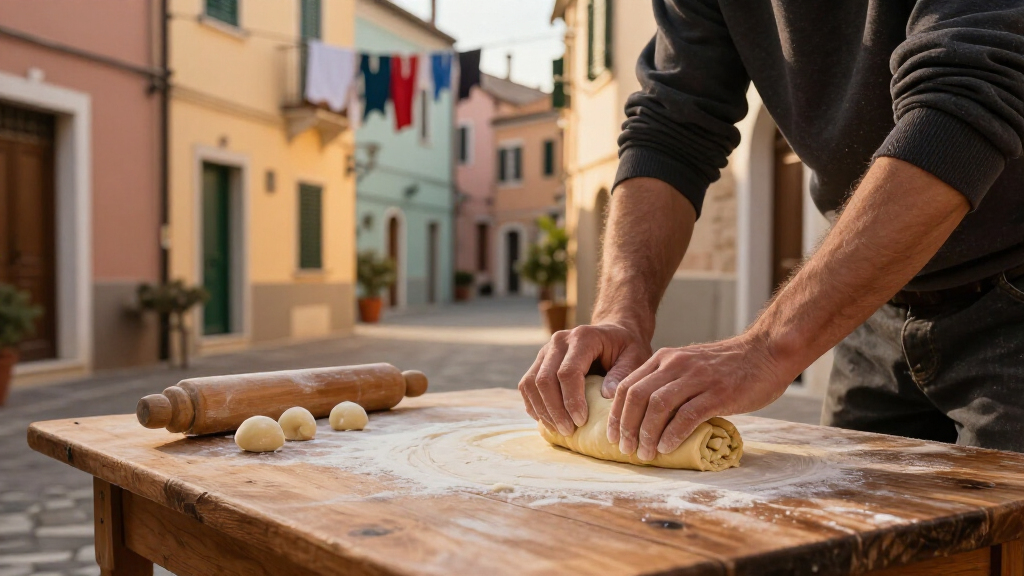
stainless steel bench scraper for dough
As an affiliate, we earn on qualifying purchases.
As an affiliate, we earn on qualifying purchases.
The Only Two Ingredients That Decide Your Texture
Light, fluffy gnocchi start at the grocery store, not at the stove. You need starchy potatoes — Russets in the US, or something similar to the yellow-fleshed potatoes Italian home cooks use — and the smallest amount of flour that will hold the dough together. Those two decisions account for nearly everything.
Why starchy? Waxy potatoes hold water, and water drags in more flour to compensate, and more flour means heavier dumplings. It’s a chain reaction that starts in the produce aisle. Russets and Yukon Golds have the dry, fluffy flesh you want. A red-skinned salad potato will fight you the whole way.
How you cook the potato matters just as much as which potato. Bake or steam them whole, skin on — never boil them, because boiling loads the flesh with water. Then rice or mash them while they’re still hot, using a potato ricer or food mill, and spread the mash out to let steam escape. Hot potatoes release moisture as steam; cold, wet potatoes trap it in the dough.
For a batch using about 2 pounds (roughly 1 kg) of potatoes, expect to work in somewhere between 1½ and 2 cups of flour — around 200-250 g. That’s a range, not a target. Humidity, potato size, and even the age of the flour all shift the number. Stop adding flour the moment the dough stops sticking to your hands, not a gram sooner.
Should you add egg? This is the great divide. A single egg makes the dough easier to handle and more forgiving for beginners — many Piedmontese and home recipes include one. Purists in the Veneto tradition skip it, arguing eggless gnocchi are lighter. Both camps eat happily. If it’s your first batch, use the egg; you can chase the eggless ideal later.
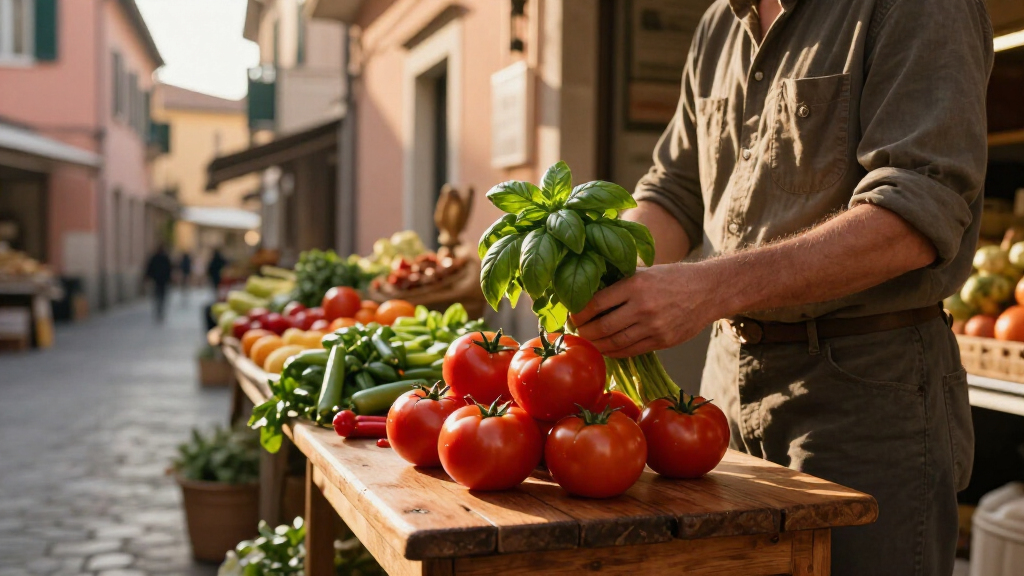
How to Make Gnocchi: A Step-By-Step Process You Can Follow Tonight
Gnocchi di Patate are made by ricing cooked potatoes, folding in minimal flour to form a soft dough, rolling the dough into ropes, cutting it into pieces, and pressing ridges into each piece with a fork. The entire process takes about 90 minutes from raw potato to plated dinner, and most of that is potato-cooking time.
- Bake the potatoes. Prick 2 lb (1 kg) of Russets and bake at 400°F (200°C) for 45-60 minutes, until a knife slides in easily.
- Rice them hot. Peel and pass the potatoes through a ricer or food mill onto a clean work surface, then spread them out to steam for 10 minutes.
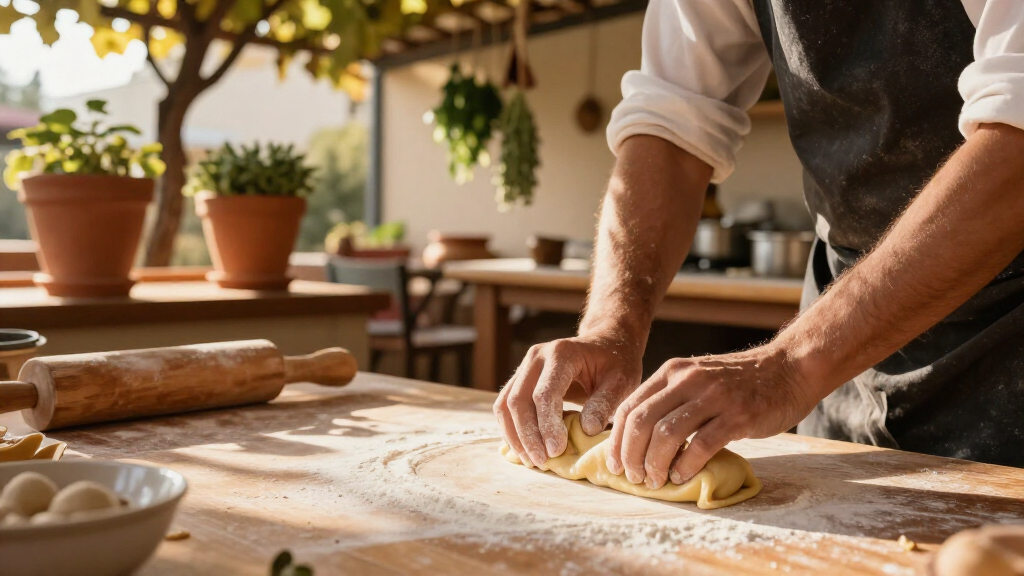
- Add flour gradually. Scatter 1½ cups (190 g) of all-purpose or 00 flour and ½ tsp salt over the potatoes, plus one beaten egg if using. Fold gently with a bench scraper — don’t knead like bread dough.
- Add flour only as needed. Add more flour a tablespoon at a time just until the dough comes together and no longer sticks. It should feel like soft Play-Doh, slightly tacky.
- Rest briefly. Let the dough sit 10 minutes under a bowl. This relaxes it and lets the flour hydrate evenly.
- Roll ropes. Cut the dough into fist-sized pieces and roll each into a rope about ¾ inch (2 cm) thick, using light hands.
- Cut and shape. Cut the rope into 1-inch pillows. Press each one against the tines of a floured fork with your thumb, rolling it off so it curls with ridges on one side and a dimple on the other.
- Cook by the float test. Drop gnocchi into generously salted boiling water. They’re done 2-3 minutes after they float to the surface. Scoop them out with a slotted spider, don’t dump the pot.
The ridges aren’t decoration. Those grooves grab sauce, and the concave back holds a little pool of it. An old Italian trick: test-cook two gnocchi before committing the whole batch. If they fall apart in the water, the dough needs a bit more flour. If they sit on the bottom like stones, you’ve added too much.
Allergen note: this recipe contains wheat and egg (if used). For a gluten-free version, rice flour plus tapioca starch in roughly equal parts can replace the wheat flour, though the dough will be more delicate. Dairy-free diners should also check the sauce — brown butter and Parmesan are traditional but easily swapped for good olive oil.
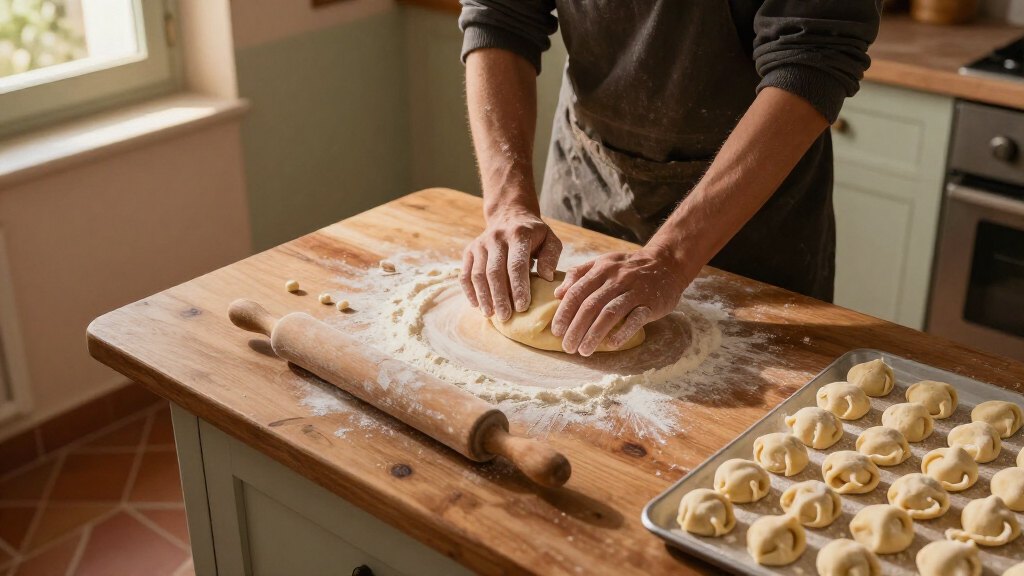
Why Your Gnocchi Turned Dense (And How to Fix It Next Time)
Dense or heavy gnocchi almost always come from one of three causes: waxy or waterlogged potatoes, too much flour, or overworked dough. All three push more gluten and moisture into the dumpling, and all three are easy to correct once you can name them.
Overworking is the sneakiest. Kneading gnocchi dough like bread develops the gluten in the flour, and developed gluten means chewiness — the exact opposite of what you want. Fold the dough with a bench scraper, pressing it together rather than kneading it. The moment it holds together, stop. A few shaggy edges are fine; they’ll smooth out as you roll the ropes.
Think of the dough as a soufflé base, not a bread dough: every stir, knead, and extra handful of flour is a little weight tied to your dumpling’s ankle. You’re building structure that barely holds together in water — that fragility is what makes gnocchi tender.
| Problem | Likely Cause | The Fix |
|---|---|---|
| Gnocchi are heavy, sit like stones | Too much flour or waxy potatoes | Weigh flour, use Russets, bake don’t boil |
| Gnocchi fall apart in the pot | Too little flour or wet potatoes | Steam-dry the mash longer, add flour 1 tbsp at a time |
| Gnocchi are gummy, chewy | Overworked dough or overcooked potatoes | Fold, don’t knead; pull potatoes at knife-tender |
| Dough sticks to everything | Potatoes not cooled/stemed enough | Spread mash out 10-15 min before mixing |
One more culprit worth naming: cooking gnocchi too long after they float. Floating means they’re essentially done; another 30 seconds is plenty. Every extra minute in the pot is water logging back into the dumpling you worked to keep dry.
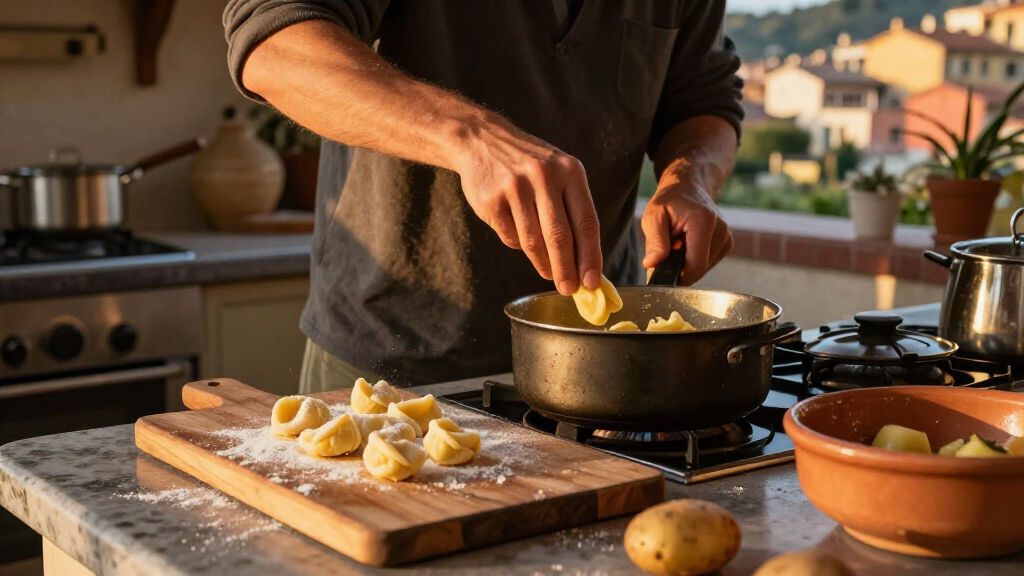
The Sauces Italians Actually Serve With Gnocchi, Region by Region
The best sauces for gnocchi are the ones regional Italians actually use: browned butter with sage in the north, simple tomato sauce (sugo al pomodoro) everywhere, pesto in Liguria, and rich gorgonzola cream in Lombardy. Gnocchi’s mild potato flavor makes them a blank canvas — but their delicacy means heavy, meaty ragùs can overwhelm them.
Burro e salvia (butter and sage) is the classic for a reason. Melt butter with a few sage leaves until the milk solids turn golden and smell nutty, add the hot gnocchi with a splash of cooking water, and finish with grated Parmigiano Reggiano. It takes four minutes and lets the potato flavor carry the dish.
For something richer, crumble Gorgonzola dolce DOP into warm cream until it melts, then toss in the gnocchi. For a make-ahead crowd-pleaser, bake tomato-sauced gnocchi with mozzarella and basil — a dish you’ll find all over Campania’s home kitchens. Pesto alla Genovese, crushed basil, pine nuts, Parmigiano, and Ligurian olive oil, works beautifully if you toss it off the heat with a spoonful of potato water so the sauce stays vivid green.
A practical tip from restaurant kitchens: finish gnocchi in the sauce, never sauce them on top on the plate. Thirty seconds together in the pan with a splash of cooking water marries the two, and the ridges you pressed with the fork do their job exactly as intended.
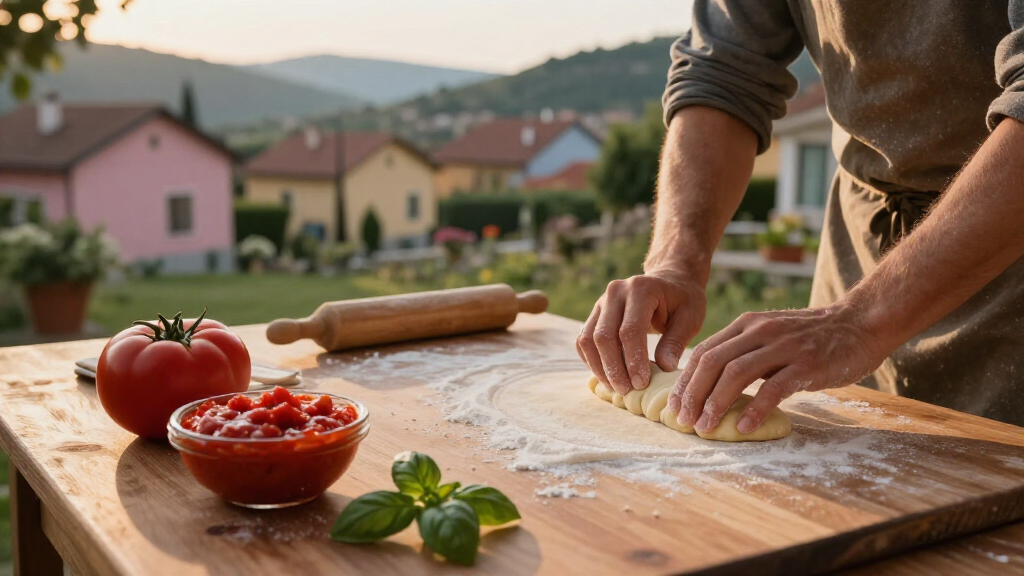
Making Gnocchi Ahead: Storage, Freezing, and Food Safety
Yes, you can make gnocchi ahead — they keep covered in the refrigerator for up to 24 hours on a floured tray, or freeze beautifully for up to 2 months. Cook frozen gnocchi straight from the freezer; don’t thaw them, or they’ll stick together and weep moisture.
To freeze properly, lay the shaped gnocchi in a single layer on a floured or parchment-lined tray, not touching, and freeze until solid — about an hour. Then transfer them to a freezer bag. This two-step freeze keeps them from fusing into a potato boulder. Frozen gnocchi take an extra minute or so in the pot, and that’s the only adjustment you make.
Refrigerated gnocchi may darken slightly as the potato oxidizes — harmless, but a reason not to shape them three days in advance. If your dough contained egg, treat it like any fresh egg pasta: keep it cold, cook it the same day, and don’t leave it at room temperature for more than two hours.
Cooked gnocchi don’t reheat well in boiling water — they absorb more water and go mushy. Instead, reheat leftovers in a skillet with a little butter or sauce over medium heat until warmed through, about 3-4 minutes, ideally hitting 165°F (74°C) in the center if they’ve been refrigerated. Honestly, though, gnocchi are best eaten fresh, straight from the spider to the pan. That’s not a rule; that’s just how they taste best.
Modern Twists: Sweet Potato, Ricotta, and Plant-Based Gnocchi Worth Trying
Once you’ve mastered classic potato gnocchi, a whole family of variations opens up: ricotta gnudi, sweet potato gnocchi, pumpkin gnocchi, and even cauliflower-based versions for lower-carb tables. These are real Italian traditions and modern experiments alike — not inventions of the internet, though the recent boom in home cooking has made them more popular than ever.
Gnudi are the easiest gateway: mix ricotta (drained overnight in a sieve) with a little flour, Parmigiano, and egg, roll into light dumplings, and poach gently. Picture the filling of a ravioli stripped of its pasta jacket — that’s literally what the name means. A concrete scenario: it’s a Tuesday, you forgot to bake potatoes, but you have a tub of ricotta. Drain it while the water boils, roll the dumplings in flour, and you’ll still have dinner in under an hour. They’re fragile and cloud-like, and nearly foolproof because there’s no potato water to manage. Tuscans serve them with brown butter.
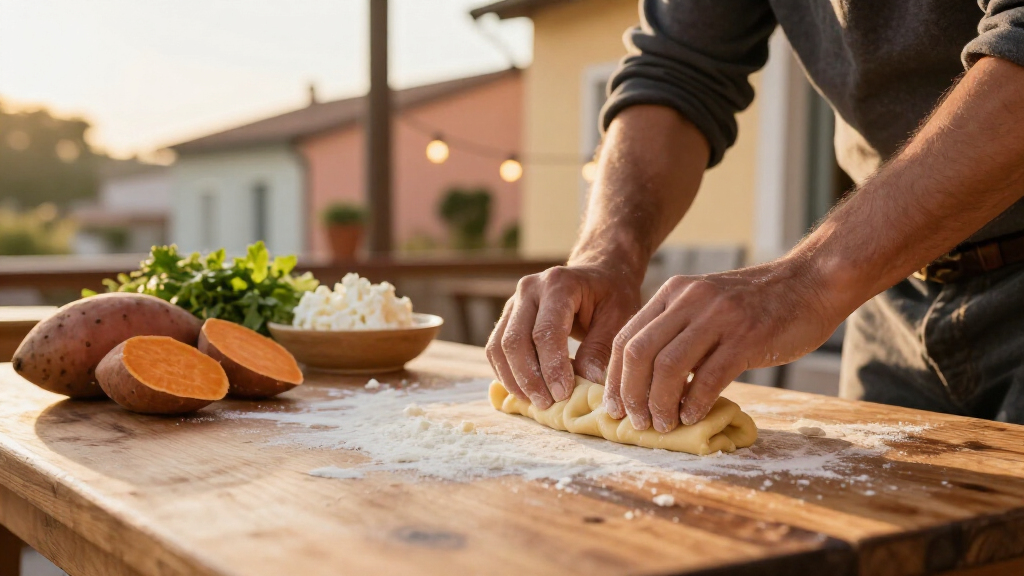
Sweet potato gnocchi swap in roasted orange-fleshed sweet potatoes; expect a softer, slightly wetter dough that needs a bit more flour and pairs beautifully with sage butter or a brown butter–maple drizzle. Think of the difference between shaping with Russets versus sweet potatoes like the difference between modeling clay and wet sand — the sweet potato version needs a gentler, floured touch and a willingness to accept slightly less tidy edges. Pumpkin gnocchi are a November tradition in Friuli and the Veneto, often sauced with melted butter and smoked ricotta (ricotta affumicata) — a combination you’ll find on trattoria menus the moment the first cold nights arrive.
For plant-based cooks, the egg is optional in most recipes anyway — classic Venetian-style gnocchi are eggless by tradition. A tablespoon of ground flaxseed mixed with three tablespoons of water (the “flax egg” familiar to vegan bakers) can replace the egg in recipes that call for one, binding the dough much as an egg would. Gluten-free blends of rice and tapioca flour work, though the dough needs gentler handling and a slightly firmer touch when shaping — a good analogy is handling a wet sandcastle: firm enough to hold a shape, gentle enough not to crush it.
One honest caveat: every substitution changes the texture. Sweet potato gnocchi will never be identical to Russet gnocchi, any more than a corn tortilla is identical to a wheat one — both are good, they’re just different foods. Judge each version on its own terms, the way Italians do — regionally, seasonally, and with the sauce that suits it.
Frequently Asked Questions
Why are my gnocchi dense or heavy?
Dense gnocchi usually mean too much flour, waxy or waterlogged potatoes, or overworked dough. Use starchy potatoes like Russets, bake them instead of boiling, and add flour a tablespoon at a time only until the dough stops sticking. Fold the dough gently — kneading develops gluten and makes gnocchi chewy.
Do I have to put egg in gnocchi dough?
No. Egg is optional and regional — many Veneto recipes are traditionally eggless, while Piedmontese home cooks often add one. Egg makes the dough easier to handle and more forgiving for beginners, so use it for your first batch. Skip it later if you want an even lighter, more delicate dumpling.
How do I know when gnocchi are done cooking?
Gnocchi are done when they float to the surface of salted boiling water, typically 2-3 minutes. Give them about 30 seconds after floating, then scoop them out with a slotted spoon. Frozen gnocchi take roughly a minute longer and go straight from freezer to pot without thawing.
Can I make gnocchi ahead of time or freeze them?
Yes. Refrigerate shaped gnocchi on a floured tray, covered, for up to 24 hours. For longer storage, freeze them in a single layer on a tray until solid, then transfer to a freezer bag for up to 2 months. Cook frozen gnocchi directly in boiling water without thawing.
What sauce should I serve with potato gnocchi?
The classic northern Italian pairing is browned butter with sage and Parmigiano Reggiano. Simple tomato sauce, Ligurian pesto, or melted Gorgonzola cream are all traditional. Finish the gnocchi in the pan with the sauce and a splash of cooking water rather than spooning sauce over them on the plate.
Can I make gluten-free gnocchi?
Yes. A blend of rice flour and tapioca starch in roughly equal parts can replace wheat flour, though the dough will be more delicate and needs gentle shaping. Sweet potato, pumpkin, and ricotta-based gnocchi are also popular variations, each with its own texture — adjust flour gradually and test-cook a couple before the full batch.
Conclusion
Light gnocchi aren’t a matter of luck or Italian grandmother DNA. They come from dry potatoes, a light hand, and the discipline to stop adding flour sooner than feels safe. Make one batch this week with just potato, flour, egg, and salt, and pay attention to the float test — that moment when the first pillow rises to the surface tells you more than any recipe can.
Start with browned butter and sage, the way they do in Verona, and let the potato speak. Once that first batch vanishes from the plates, you’ll understand why an entire city throws a yearly parade for a dumpling.