
TL;DR

Get kitchen staples and gadgets delivered free with Prime
- Fast, free delivery on millions of items
- Prime Video, Amazon Music and more included
- Member-only deals all year
Crostata di marmellata is a shallow Italian tart made from pasta frolla, a tender shortcrust pastry, and a layer of fruit preserve, often topped with a pastry lattice. Use cool butter, handle the dough gently, choose a thick preserve, and bake until the crust is golden for a tart that works just as well with morning coffee as with afternoon tea.
A square of lattice pastry, a glossy patch of apricot jam, and a few crumbs on the breakfast plate: crostata di marmellata tastes like the sort of dessert that belongs in a family kitchen, not behind glass. Across Italy, the tart appears at breakfast, after school, and during visits to relatives, with recipes passed along in smudged notebooks and remembered by feel.
This guide explains what makes a crostata a crostata, how its buttery shortcrust pastry gets tender, and which preserves bake well without soaking the base. You’ll also find practical advice for the lattice, storage, and a few adaptations. The goal is simple: help you bake a tart that feels at home on an Italian table, even if your kitchen is far from one.
Crostata di marmellata is an open Italian tart made with pasta frolla and fruit preserve, often finished with a pastry lattice.
Handle the dough gently, chill it before rolling, and patch small cracks instead of kneading in extra flour.
Choose thick apricot, sour cherry, plum, or berry preserve and spread a modest, even layer to protect the base.
Bake until the pastry is golden, then cool the tart before slicing so the filling can settle.
In precise Italian terminology, marmellata means citrus preserve and confettura covers most other fruit preserves, though casual speech often uses marmellata b…
Crostata di Marmellata A Taste of Home
This shallow Italian tart pairs tender pasta frolla with fruit preserve, often under a golden pastry lattice. It belongs at everyday tables, from breakfast to after-school snacks.
What Makes It a Crostata?
Its open, shallow shape balances pastry and fruit in every slice.
Pasta frolla
A tender, buttery shortcrust made with flour, butter, sugar, eggs, and often lemon zest.
Lattice and jam
Pastry strips cross the preserve, leaving its color visible between golden bars.
Made for sharing
A familiar home bake served with coffee or tea, at breakfast or as a snack.
Build a Tender, Even Tart
Gentle handling and a modest filling help protect the crust.
Use cool butter; press crumbly dough together instead of kneading in extra flour.
Rest the dough until firm enough to shape. Let it soften briefly if it cracks, and patch small splits with your fingertips.
Spread a modest, even layer of thick preserve and bake until the pastry is golden.
Let the filling settle so slices hold together.
Choose a Thick Preserve
Popular flavors suit different family tastes and what is on hand.
A Useful Italian Word Distinction
The familiar name reflects everyday speech; precise food labels make a finer distinction.
- Technically means citrus preserves.
- Often used broadly for jam in everyday Italian.
- The more precise term for most other fruit preserves.
- Useful when reading recipes or food labels.
What Makes This Italian Jam Tart So Beloved?
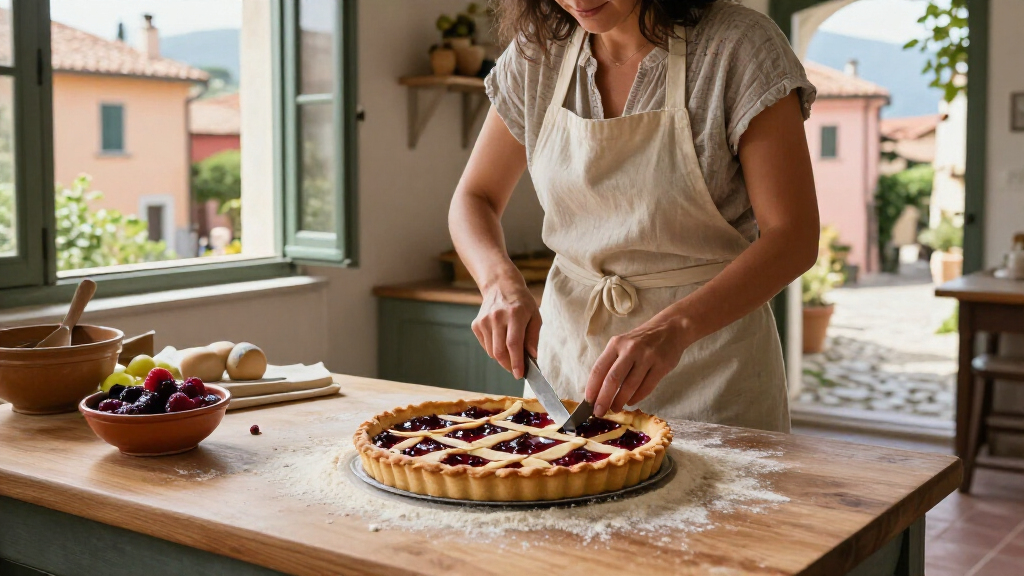
Crostata di marmellata is a classic Italian tart made with pasta frolla, a tender shortcrust pastry, and a layer of fruit preserve. A lattice of pastry strips often crosses the top, leaving the color of the filling visible between its golden bars. The tart is usually shallow and open, closer to a rustic tart than a fully enclosed American pie.
Its appeal comes partly from how ordinary it is. In a home kitchen in Lazio or Emilia-Romagna, a crostata can be set out with coffee in the morning or sliced after children come home from school. The crust gives a gentle sandy crumble; the jam is sweet, tart, and a little sticky at the edges. You don’t need a holiday or a special occasion to make it. That everyday role shapes the tart’s design: it needs to be satisfying on its own, easy to portion, and sturdy enough to sit on a counter until someone wants a slice. A shallow profile also gives each bite a useful balance of pastry and fruit, rather than making the filling feel like a separate layer.
The word crostata describes a tart with a pastry crust, while marmellata is the familiar Italian word many people use for jam. In more precise food terminology, marmellata means citrus preserves, while confettura (fruit preserve) is used for most other fruits. If you ask for an apricot preserve in Italy, you may hear either word in casual conversation, but confettura di albicocche is the more exact label. This distinction is useful when reading labels or recipes, though it does not change the kind of tart people mean when they use the familiar name.
There isn’t one official family recipe. Some cooks use whole eggs, others add extra yolks for a richer crumb; some include a little baking powder, while others prefer a firmer pastry. Imagine two relatives making the same tart: one chooses sour cherry, the other apricot. The lattice looks familiar in both, but each slice tells a different household story. Those variations matter because the pastry and filling shape the eating experience: extra yolks make a more delicate, rich crust, while a firmer dough is easier to handle and holds a neat lattice. A more delicate crust may be especially pleasing with coffee, but can be harder to roll without tearing; the sturdier version trades some tenderness for reliability. The tart’s familiar form leaves room for those choices without making the result feel like a different dessert.
Products Worth Considering

TCL 75-Inch QM6K QLED Mini LED 4K HDR Smart Google TV, 144Hz

Hisense 75U6SF Pro 75-Inch U6 Pro Mini-LED 4K UHD Smart Fire TV

LG 75-Inch QNED73B Mini LED 4K Smart TV (2026)
As an affiliate, we earn on qualifying purchases.
Why Pasta Frolla Turns Buttery and Tender
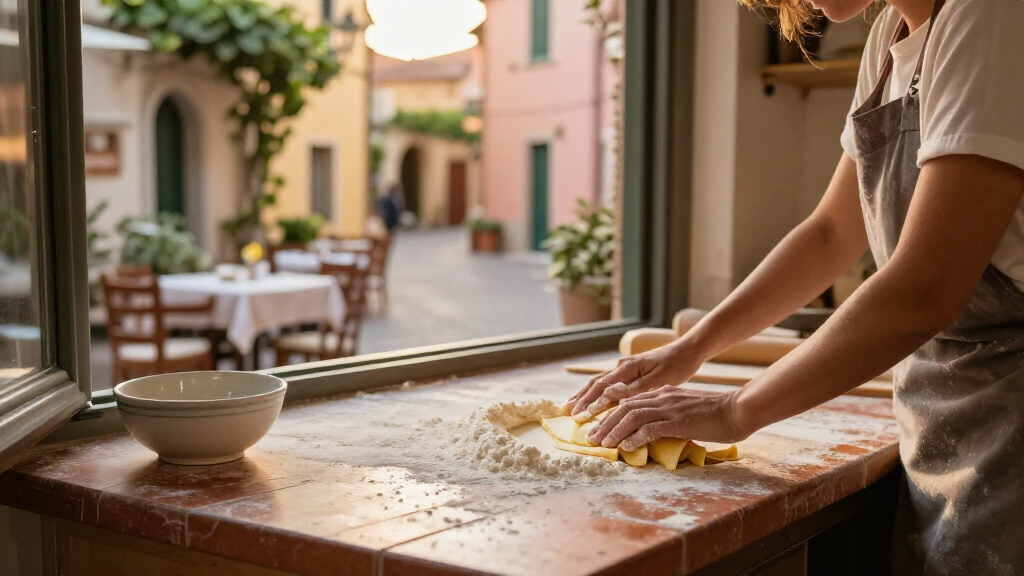
Pasta frolla gives a crostata its tender, buttery shell by combining flour, butter, sugar, eggs, and often lemon zest into a dough that you handle gently. The butter coats some of the flour, limiting toughness, while the egg helps the dough hold together. A short rest lets the dough firm up before rolling, which makes it easier to shape without tearing. These ingredients work as a balance: more handling develops a stronger, less crumbly dough, but too much can make the crust firm; more butter encourages tenderness but can make warm dough difficult to roll.
For a typical home batch, you might use 300 grams of all-purpose flour, 150 grams of cold butter, 120 grams of sugar, two eggs, and the finely grated zest of one lemon. Recipes vary, so treat those amounts as a useful starting point rather than a single canonical formula. If your dough feels crumbly, press it together with your hands instead of kneading it hard; if it feels sticky, chill it before adding more flour. The texture before chilling is a clue to what it needs: a few gentle presses can unite dry crumbs, while cold firms sticky butter without changing the flour-to-fat balance. Adding flour may seem like a quick fix, but it can absorb moisture and make the baked shell drier.
That restraint matters when you’re rolling a base for a 9-inch tart pan. Work the dough just until it comes together, then wrap and chill it for about 30 minutes. A warm, overworked dough can bake up dense, while a very cold dough may crack as you roll it. Let it sit for a few minutes at room temperature if it feels stiff, and patch small cracks with your fingertips. Chilling is therefore a matter of timing, not simply making dough as cold as possible: cool dough holds its shape in the oven, but dough that is too firm resists rolling and may split at the edges.
Lemon zest lends a bright, fragrant lift that balances sweet jam, especially apricot or berry. In a Tuscan kitchen, you might pair it with a spoonful of plum preserve from late-summer fruit; in winter, a jar of sour cherry can bring a sharper, darker note. The simple dough adapts to the cupboard and the season, which is part of why this tart stays useful year-round. The main tradeoff is between ease of rolling and tenderness: a little chilling makes the dough manageable, but adding flour to fix stickiness can dry it and make the baked crust tougher. Resting the dough gives you control over temperature without changing its balance, so a few minutes of waiting can preserve the texture you worked to create.
How to Build a Crostata That Bakes Evenly
Build an even crostata by chilling the dough, using a modest layer of thick preserve, and baking until the pastry is deeply golden. A generous jam filling may look inviting before baking, but too much moisture can soften the base and bubble over the edges. A little patience with chilling helps the tart keep its shape. Even thickness matters because the rim and base bake together: a thin center can soften before the thicker edges brown, while an overly thick base may taste heavy beside the filling.
- Make and chill the dough. Mix the flour, sugar, butter, eggs, and lemon zest just until they form a dough. Divide off roughly one third for the lattice, wrap both portions, and chill for about 30 minutes. Dividing before chilling means both portions are ready to roll when needed, and keeping the lattice piece cool makes it less likely to stretch or tear.
- Line the pan. Roll the larger piece into a round and ease it into a shallow tart pan. Press it into the corners without stretching it, then trim the excess. Stretching creates tension in the dough; as it relaxes in the oven, it can pull away from the sides and leave the filling with less support.
- Add the preserve. Spread a thin, even layer of thick jam over the base. Leave a narrow border clear so the filling doesn’t push against the rim. An even layer gives every slice a similar amount of fruit, while a modest depth limits moisture pooling in the center.
- Make the lattice. Roll the remaining dough and cut strips about ½ inch wide. Lay them across the tart in one direction, then cross them over in the other direction, trimming the ends neatly. The open spaces let steam escape and keep the jam visible; pressing every strip tightly together would trap more moisture and change the tart’s characteristic look.
- Bake until golden. Bake at 350°F (175°C) until the crust is well colored, often 35 to 45 minutes depending on the pan and oven. Cool the tart before slicing so the filling can settle. Color is a more useful guide than time alone: an underbaked base can remain pale and soft, while a deeply golden crust has had time to dry and develop a toasted flavor.
Suppose you’re baking for a Sunday lunch and want to serve it later that afternoon. Assemble the tart, chill it for 15 minutes, then bake; the cold dough is less likely to slump as the butter melts. The lattice doesn’t need to look machine-straight. A few uneven strips make a home-baked crostata look like it belongs beside a pot of coffee. Taking a little care with even rolling and spacing pays off in slices that hold together, while leaving the pattern handmade keeps the tart welcoming rather than formal.
Use ordinary kitchen hygiene: wash your hands and utensils after handling raw eggs, and don’t taste the uncooked dough. The finished tart is not a high-risk food once baked, but store it covered in a cool, dry place and refrigerate it if your kitchen is hot or the filling instructions call for refrigeration. Let a chilled tart return to room temperature for the best pastry texture. Covering it protects the crust from drying out, while cooling before wrapping prevents trapped steam from softening it.
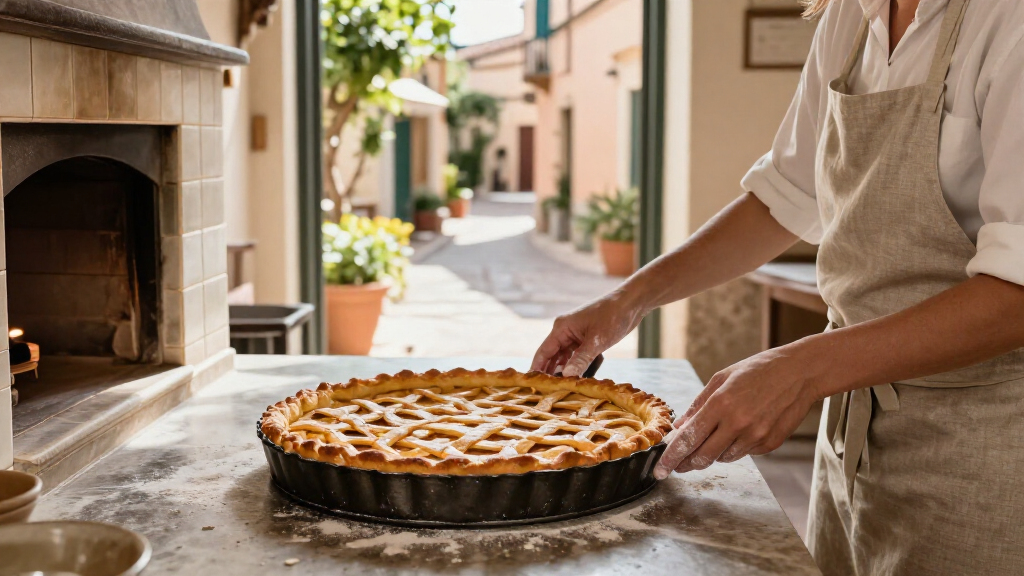
Which Preserve Gives You the Best Slice?
The best preserve for crostata is thick enough to stay in place and flavorful enough to balance the pastry. Apricot gives a mellow, sunny sweetness; sour cherry brings a sharp, dark fruit note; plum tastes deeper and almost winey; berry preserves add seeds and a lively tart edge. Choose what you enjoy, but avoid a runny filling that can seep into the crust. The right choice is a pairing, not just a favorite fruit: the pastry brings butter and sweetness, so a more tart preserve can keep a slice from tasting flat, while a mellow one makes the crust’s lemon and butter more prominent.
| Preserve | Flavor in the tart | Useful baking tip |
|---|---|---|
| Apricot | Sweet, soft, and gently tangy | Pairs nicely with lemon zest |
| Sour cherry | Bright, tart, and deep red | Use a thin layer to keep the flavor lively |
| Plum | Rich, dark, and mellow | Good with a plain, unscented dough |
| Berry | Fragrant, sweet-tart, sometimes seedy | Choose a thick preserve so it won’t run |
Think about a slice served after espresso: sour cherry cuts through the buttery crust and leaves a pleasant tartness, while apricot makes a gentler breakfast pastry. In northern Italy, where stone fruit preserves are easy to find in season, plum can give the tart a rich, late-summer feel. The fruit you have matters more than chasing a supposedly definitive regional filling. Flavor is only half the choice: a tart preserve can balance a sweet crust, while a mild one lets the pastry’s butter and lemon stand out. Matching those qualities helps the filling taste integrated rather than simply sweet. Consider how the tart will be served, too: a sharper filling can feel refreshing after a meal, while a sweeter one may suit a small morning slice with unsweetened coffee.
Read the jar label and check the texture before you spread it. If the preserve runs quickly off a spoon, simmer it briefly in a small pan to evaporate some liquid, then cool it before filling the tart. That small step can prevent a soggy base. Avoid piling the jam high: a thin layer leaves room for the fruit flavor to shine without turning each slice into a sticky puddle. Thickness affects more than neat slices. A runny preserve releases moisture into the pastry as it bakes, which can leave the center soft even when the rim is golden; reducing it concentrates the flavor while making the filling easier to portion. Keep the simmer brief and gentle, since too much reduction can make the preserve overly sweet or stiff once cool. The aim is a filling that spreads easily but stays in place, so the fruit remains distinct and the base can bake through.

What the Lattice Does—and How to Make It Yours
The pastry lattice marks a classic crostata and lets the jam show through, but it also gives you a simple way to decorate the tart with the dough you already have. The strips bake into crisp, golden lines over the softer preserve. They don’t seal in the filling like a pie crust; the open spaces keep the tart’s color visible.
For a tidy lattice, roll the reserved dough to about ⅛ inch thick and cut even strips with a knife or pastry wheel. Lay four or five strips one way, then place another set across them. You can weave them over and under if you like, but a simple crosshatch works well and takes less fuss. If a strip breaks, press the pieces together on the tart; the oven will make the seam far less noticeable. Strip thickness affects how the top eats: narrow strips crisp quickly and leave more jam exposed, while wider ones give a more substantial pastry bite and cover more filling. Keeping them similar in width helps them brown at roughly the same pace.
Picture a child helping at the counter: one strip ends up crooked, another is too short, and a thumb leaves a small dent in the rim. That’s part of the tart’s charm. For a cleaner look, chill the strips for five minutes before laying them down. For a playful one, cut stars or leaves from the scraps and scatter them over the jam, leaving enough open area to see the filling. The choice changes both appearance and texture: extra pastry decorations add crisp bites, but too many can hide the fruit and make the top feel heavier.
You can bake the tart without a lattice. An open-faced crostata is easier to assemble and lets you focus on an especially beautiful preserve. A plain lattice is traditional, though, and gives a familiar contrast between crisp pastry and glossy fruit. If you’re baking for someone with a wheat allergy or gluten intolerance, use a tested gluten-free pastry blend and prevent cross-contact; standard pasta frolla contains wheat, butter, and eggs. A gluten-free blend can behave differently as it rolls and bakes, so a tested recipe matters: the lattice needs enough structure to hold its shape, and improvising the flour swap may produce a fragile crust.
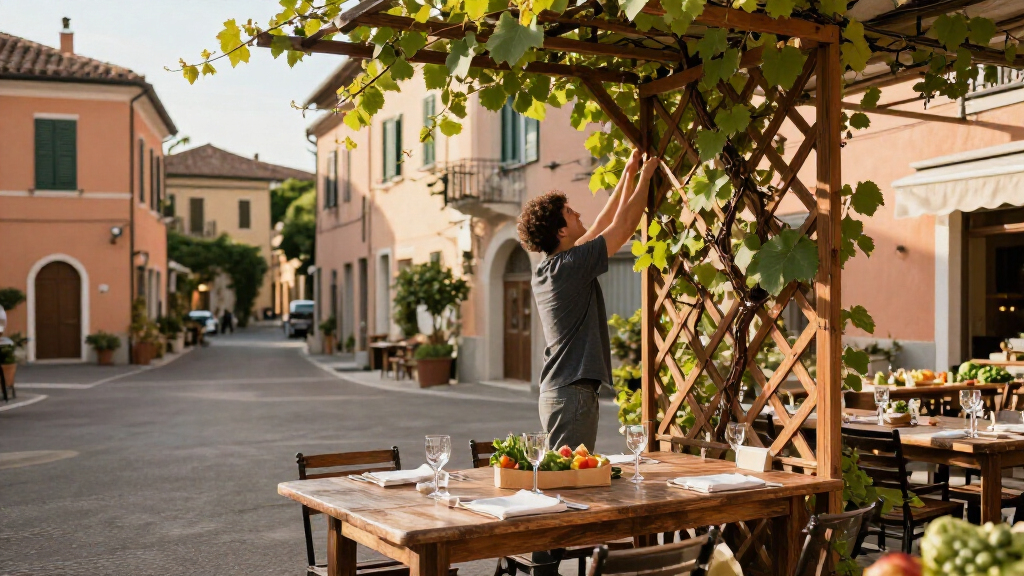
Serve It Like a Home Baker in Italy
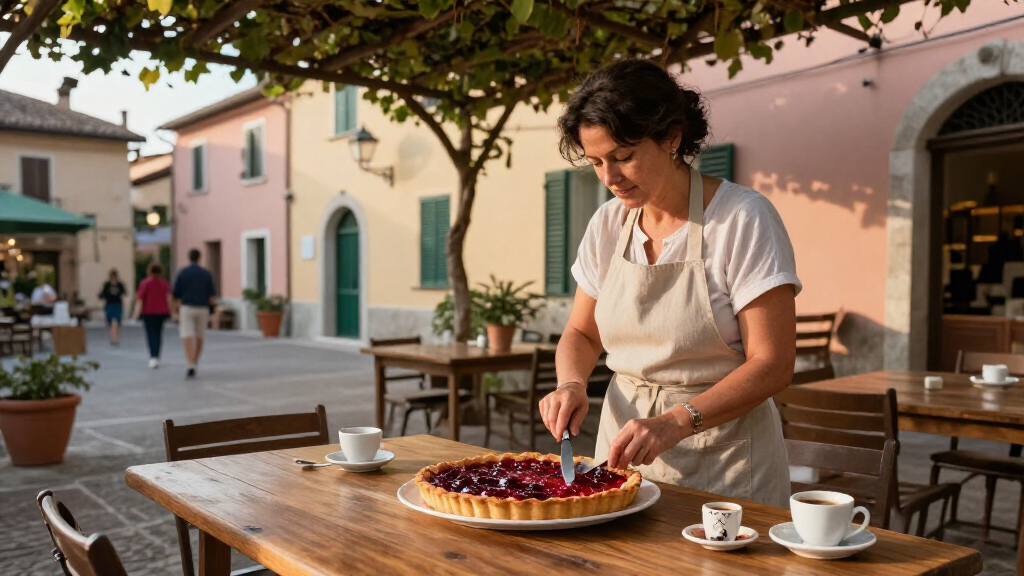
Serve crostata in simple slices with coffee, tea, or milk, the way it often appears at Italian breakfast or as an afternoon snack. It doesn’t need cream or a scoop of ice cream to feel complete. A small plate, a cup of espresso, and a wedge with a crisp edge and tender center are enough. Because the tart is rich but shallow, modest slices make it easy to enjoy alongside a drink without turning a casual break into a full dessert course.
If you’re planning a relaxed breakfast, bake the tart the evening before and let it cool fully before covering it. The next morning, the crust will be tender and the jam settled, making clean slices easier than when the tart is warm. For an afternoon visit, set it out with tea and cut modest wedges; guests can take a second piece without feeling committed to a heavy dessert. Cooling gives the filling time to firm, so the slice keeps its shape, and resting overnight lets the crust and preserve settle together. The tradeoff is that the crust loses some of its freshly baked crispness, but the flavors remain clear and the tart is much easier to serve neatly.
Keep the finished tart covered at room temperature for several days if your kitchen stays cool and the recipe’s filling is shelf-stable. If it’s warm indoors or the preserve label calls for refrigeration after opening, refrigerate the tart. Bring slices back toward room temperature before serving, since cold butter dulls the pastry’s aroma and makes the crust feel firmer. Covering slows drying, while refrigeration gives a cooler, more stable place to keep the tart when room temperature is unsuitable; warming slices before serving restores some of the butter’s aroma and tenderness.
You can freeze the tart baked or unbaked. Wrap it well to protect it from freezer odors and dry air; thaw a baked crostata at room temperature. If you freeze an unbaked tart, bake it chilled or partly thawed and allow extra time, checking for a golden crust rather than relying only on the clock. That makes it a practical dessert for a busy week: bake one now, save another for the day friends stop by. Freezing baked tart prioritizes convenience, while freezing it unbaked gives you a freshly baked crust later; either way, tight wrapping matters because dry freezer air can leave the pastry stale and the jam exposed.
Frequently Asked Questions
What is crostata di marmellata?
Crostata di marmellata is an Italian jam tart made with pasta frolla, a tender shortcrust pastry, and fruit preserve. It often has a lattice top, though an open-faced version is also common.
Which jam works best in a crostata?
Use a thick preserve with a flavor you enjoy. Apricot, sour cherry, plum, and berry are all good choices; a runny preserve can make the base soggy, so simmer it briefly and cool it if needed.
Why does my crostata pastry crack?
The dough may be too cold, too dry, or overworked. Let stiff dough sit at room temperature for a few minutes, bring crumbly dough together gently, and patch small cracks rather than kneading it hard.
How do I stop the bottom from getting soggy?
Choose a thick preserve, spread a modest layer, and bake until the crust is well colored. Chilling the assembled tart before baking can also help the pastry hold its shape.
Is crostata the same as pie?
They’re similar, but a crostata is usually a shallow, open tart with a pastry rim and often a lattice, rather than a pie enclosed by a top crust. Its jam remains visible as it bakes.
What does marmellata mean in Italian?
In precise food terminology, marmellata means citrus preserve, while confettura means preserves made from most other fruits. In everyday conversation, many Italians use marmellata more broadly for jam.
How should I store crostata di marmellata?
Once fully cool, cover the tart and keep it in a cool kitchen for several days if the preserve is shelf-stable. Refrigerate it if your kitchen is hot or the filling label calls for refrigeration, then let slices warm slightly before serving.
Conclusion
Remember the simple formula: tender pasta frolla, a thin layer of thick preserve, and enough oven time for a golden crust. Choose apricot for an easy, sunny tart or sour cherry for a sharper slice, then let the dough rest before you roll it. That little pause makes the lattice easier and the base more dependable.
Make it the night before a slow breakfast, or carry it to a friend’s table with no more than a handful of napkins. When you cut through the lattice and the jam glints beneath it, you’ll see why this everyday tart has earned a place in so many Italian family kitchens.