
TL;DR

Get kitchen staples and gadgets delivered free — and shop member deals
- Fast, free delivery on millions of items
- Access to Prime Big Deal Days deals on October 6–7
- Prime Video, Amazon Music and more included
A Sunday pot of minestrone yields four to six meals because the soup improves for days in the fridge and freezes well for about three months. The two rules that make it work: build a real soffritto base and Parmigiano-Reggiano broth depth, and store the pasta separately so it never goes mushy. Minestrone is a seasonal template, not a fixed recipe — spring peas, summer zucchini, winter squash and cabbage all belong.
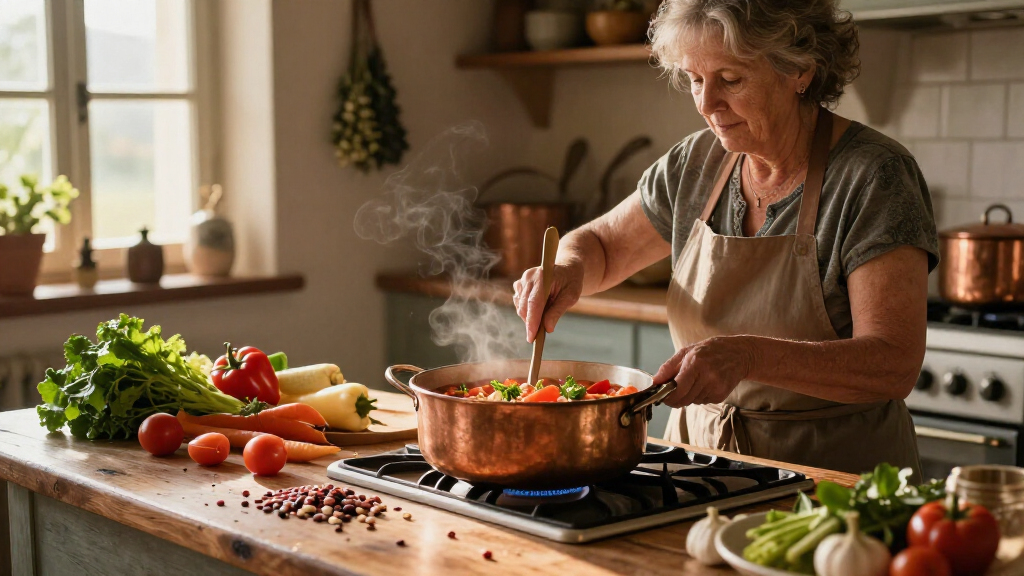
There’s a reason Italian home cooks have been making one giant pot of minestrone on Sundays for generations: it’s the most efficient meal in the repertoire. One afternoon of chopping, one simmering pot, and you’ve bought yourself four to six meals that actually get better by day three.
The catch is that most people make it wrong for leftovers. They dump pasta into the pot, refrigerate everything together, and by Tuesday they’re eating gray mush. The fix takes thirty seconds of discipline.
In this guide you’ll learn the method Italian families actually use — the soffritto base (onion, carrot, celery), the Parmigiano-Reggiano rind trick, the pasta-separating rule, and how the soup shifts with the seasons from Liguria to Sicily.
Cook and store the pasta separately from the soup — it keeps 4–5 days in the fridge and ~3 months frozen only if the broth stays pasta-free.
Spend 15–20 minutes sweating the soffritto (onion, carrot, celery) slowly in olive oil; this step defines the soup’s flavor more than any vegetable you add lat…
Simmer a frozen Parmigiano-Reggiano rind in the pot — it’s free umami that outperforms most store-bought stock.
Sequence vegetables by density: squash and potatoes early, zucchini and greens in the final 10 minutes.
Treat the pot as a base for five different meals — classic bowl, bread-soaked minestra di pane, blended ribollita-style, farro bowl, or reduced thick stew.
Sunday Pot of Minestrone: The Vegetable Soup That Feeds the Week
One afternoon of chopping, one simmering pot, and you’ve bought yourself four to six meals that actually get better by day three. The catch: most people make it wrong for leftovers. The fix takes thirty seconds of discipline.
“Minestrone is a seasonal template, not a fixed recipe — spring peas, summer zucchini, winter squash and cabbage all belong.”
Key InsightSix Steps to a Pot That Lasts
A week of minestrone comes down to six steps, and the order matters more than any single ingredient. Follow this sequence and the texture holds from Sunday to Friday.
Build the soffritto
Dice one onion, two carrots, two celery stalks finely. Sweat in 3–4 tbsp olive oil over medium-low heat for 15–20 minutes — soft and sweet, never browned.
Aromatics & hard vegetables
Garlic, then winter squash, cabbage, or potatoes — anything that needs long cooking. Stir 5 minutes to coat in the base.
Beans and tomato
Two cans of drained borlotti or cannellini plus a ladle of tomato passata. Season now, not at the end.
Liquid + Parmigiano rind
Cover with water or light stock, drop in a rind of Parmigiano-Reggiano DOP, and simmer 30–40 minutes. The rind melts into the broth.
Soft vegetables last
Zucchini, chard, kale, or spinach go in during the final 10 minutes so they keep color and structure.
Pasta separately. Always.
Boil ditalini or broken spaghetti in its own pot and add it to each bowl at serving time. Never store it inside the soup.
Pasta left in liquid keeps absorbing broth overnight, bloating and going soft. By day two your soup is starchy mush. Store soup and pasta separately and combine only in the bowl — it’s the single most important rule for week-long minestrone.
How to Store It So Day Four Tastes Like Day One
Cool it fast and keep the pasta out. Ladle the soup into shallow containers within two hours of cooking, and reheat only what you’ll eat — until steaming hot throughout, roughly 165°F. Repeat reheating degrades both texture and safety margins, so portion before you store.
| Storage Method | Holds For | Best Practice | Verdict |
|---|---|---|---|
| Fridge, soup only | 4–5 days | Shallow airtight containers; pasta stored separately | ✓ Best |
| Freezer, soup only | ~3 months | Leave ½-inch headspace; label with date | ✓ Great |
| Fridge, cooked pasta | 3–4 days | Toss with a drop of olive oil to prevent clumping | ~ Keep apart |
| Fridge, greens already added | 3–4 days | Add delicate greens per serving instead | ~ Add later |
| Pasta stored in the soup | ~1 day | Overnight it absorbs broth and doubles in softness | ✗ Never |
The Soup Gets Better While You Sleep
Minestrone on day one is good. On day two, when the beans begin to break down and thicken the broth, it’s better. The flavors marry the way they do in a ragù — you’re front-loading flavor development so your Tuesday self gets the best version with zero effort beyond reheating.
The Seasonal Swap Sheet
The structure — soffritto, beans, liquid, starch, greens — stays fixed while the vegetables rotate. Liguria finishes it with pesto (minestrone alla genovese), Tuscany pairs it with day-old bread, and the south leans on tomatoes and summer zucchini.
Spring
Mar – May- Fresh peas
- Asparagus
- Spring greens
- Lighter broth
Summer
Jun – Aug- Zucchini
- Tomatoes
- Bas finishing
- Southern style
Autumn
Sep – Nov- Borlotti at peak
- First squash
- Heartier greens
- Farro starch
Winter
Dec – Feb- Winter squash
- Cabbage & cavolo nero
- Potatoes
- Thick, stew-like body
Treat the Pot as a Base, Not a Single Dish
Ninety minutes of mostly hands-off Sunday cooking produces roughly 10–12 servings. Here’s how the same pot transforms across the week:
Classic Bowl
Soup + freshly boiled ditalini + crusty bread, Sunday night.
Day 1Minestra di Pane
Bread-soaked Tuscan style with day-old loaf, lunch boxes.
Days 2–3Ribollita-Style
Blended thick as the beans break down — reboiled and drizzled with oil.
Days 3–4Farro Bowl
Thawed freezer portion over chewy farro instead of pasta.
Month 1Reduced Thick Stew
Simmered down until the spoon stands upright in it.
AnytimeWhat Minestrone Actually Is (And Why It Isn’t Just Vegetable Soup)
Minestrone is a thick Italian vegetable soup built on a sautéed base of soffritto — onion, carrot, and celery cooked slowly in olive oil — plus beans and usually a starch like pasta or rice. The difference between minestrone and plain vegetable soup is intention: vegetable soup is vegetables floating in broth, while minestrone is a constructed dish where every layer adds body, so the finished pot is thick enough to hold a spoon upright.
The name tells you the history. Minestra means soup in Italian; minestrone is the big, robust version — literally “big soup.” It was cucina povera, the cooking of the poor, designed to stretch whatever the garden and pantry offered into a meal that fed a family for days.
That’s why no two Italian regions agree on the recipe. In Liguria, they finish it with a spoonful of pesto and call it minestrone alla genovese. In Tuscany, it’s often paired with day-old bread. Southern versions lean on tomatoes and summer zucchini. There is no canonical ingredient list, and anyone who tells you otherwise is selling something.
What stays constant: the soffritto, the beans (usually borlotti or cannellini), and the season-first approach. You use what’s at the market that week. That flexibility is exactly what makes it the perfect make-ahead soup.

Why Sunday Is the Right Day to Cook It
Sunday works for minestrone because the soup needs one thing most weeknights can’t give it: time. A proper soffritto alone takes 15 to 20 minutes of gentle sweating before anything else hits the pot. Rush that step and you get thin, one-dimensional broth instead of the sweet, rounded base that makes minestrone taste like someone cared.
Here’s the practical math. Ninety minutes of mostly hands-off Sunday cooking produces roughly 10 to 12 servings from a standard Dutch oven. Eat it Sunday night with crusty bread, pack two lunches, and you still have half a pot for later in the week or the freezer.
There’s a sensory argument too. Minestrone on day one is good. On day two, when the beans have begun to break down slightly and thicken the broth, it’s better. The flavors marry the way they do in a ragù — a soup version of leftover lasagna somehow beating the fresh one.
So the Sunday pot isn’t just nostalgia. It’s engineering. You’re front-loading flavor development so your Tuesday self gets the best version with zero effort beyond reheating.

The Method: 6 Steps to a Pot That Lasts
A week of minestrone comes down to six steps, and the order matters more than any single ingredient. Follow this sequence and the texture will hold from Sunday to Friday.
- Build the soffritto. Dice one onion, two carrots, and two celery stalks finely. Sweat in 3–4 tablespoons of extra-virgin olive oil over medium-low heat for 15–20 minutes, until soft and sweet but not browned.
- Add the aromatics and hard vegetables. Garlic, then winter squash, cabbage, or potatoes — anything that needs long cooking. Stir 5 minutes.
- Layer in the beans and tomato. Two cans of drained borlotti or cannellini (or cooked dried beans), plus a ladle of tomato passata or chopped tomatoes. Season now, not at the end.
- Fill with liquid and the Parmigiano rind. Cover with water or light vegetable stock, drop in a rind of Parmigiano-Reggiano DOP, and simmer 30–40 minutes. The rind melts into the broth and adds the umami depth most homemade minestre lack.
- Add soft vegetables and greens late. Zucchini, chard, kale, or spinach go in during the last 10 minutes so they keep color and structure.
- Cook the pasta separately. Always. Boil ditalini or broken spaghetti in its own pot, drain, and add it to each bowl at serving time. This is the single most important rule for week-long minestrone.
Never store cooked pasta inside the soup pot. Pasta left in liquid keeps absorbing broth overnight, bloating and going soft — by day two your soup is starchy mush. Store them separately and combine only in the bowl.
The rind trick deserves a line of its own: keep rinds in your freezer in a bag. They cost nothing, since you’d throw them out, and they do more for the broth than a carton of store-bought stock ever will.
How to Store It So Day Four Tastes Like Day One
Minestrone keeps 4 to 5 days refrigerated in airtight containers and about 3 months in the freezer. Those numbers hold only if you follow two rules: cool it fast and store the pasta separately. Ladle the soup into shallow containers within two hours of cooking so it chills quickly — a deep hot pot left on the counter invites bacteria into the danger zone between 40°F and 140°F.
Reheat only what you’ll eat, on the stove or in the microwave, until steaming hot throughout — roughly 165°F if you want to check with a thermometer. Repeat reheating degrades both texture and safety margins, so portion before you store.
| Storage Method | Holds For | Best Practice |
|---|---|---|
| Fridge, soup only | 4–5 days | Shallow airtight containers; pasta stored separately |
| Freezer, soup only | ~3 months | Leave ½-inch headspace; label with date |
| Fridge, cooked pasta | 3–4 days | Toss with a drop of olive oil to prevent clumping |
| Fridge, with uncooked greens added | 3–4 days | Add delicate greens per serving instead |
Frozen minestrone thaws best overnight in the fridge. The beans and potatoes hold up well; the broth may look slightly separated, which a good stir and gentle reheat fix completely.

The Seasonal Swap Sheet: One Recipe, Four Seasons
The Sunday pot of minestrone works year-round because the template accepts whatever the season gives. The structure — soffritto, beans, liquid, starch, greens — stays fixed while the vegetables rotate. Here’s how an Italian cook would shift it through the calendar.
- Spring: fresh peas, asparagus tips, artichoke hearts, and spinach. Lighter broth, finished with lemon zest.
- Summer: zucchini, green beans, fresh tomatoes, basil. This is when the Ligurian pesto finish belongs.
- Autumn: butternut or Delica squash, savoy cabbage, borlotti in season, leeks replacing onion.
- Winter: cavolo nero (Tuscan black kale), potatoes, carrots, and a stronger tomato base to stand up to the cold.
A quick anecdote from the market: the first time I cooked minestrone in Tuscany in January, the vendor refused to sell me zucchini. Not because it was bad — because it was January, and January means cavolo nero and squash, and she wasn’t going to let me make a soup out of season. That’s the mindset worth importing. Build your pot around the two or three vegetables that look best that week and let the rest be filler.
This is also the budget argument. Minestrone built on seasonal vegetables routinely costs under $2 per serving, and it’s the most honest “clean out the crisper drawer” dish in existence — the soffritto and the Parmigiano rind give even tired vegetables a serious flavor backbone.
Common Mistakes That Ruin a Week of Soup
Four mistakes account for nearly every disappointing pot of minestrone, and all four are easy to avoid once you can name them. Each one undermines a different part of the soup — flavor, texture, or staying power.
Mistake one: rushing the soffritto. Five minutes of hard frying gives you sharp, raw-edged onion. Twenty minutes of slow sweating gives you sweetness. There is no workaround; this is the flavor foundation.
Mistake two: too much liquid. Minestrone should be thick, closer to a stew than a consommé. Start with less water than you think — you can always loosen it, but you can’t reduce it once the greens are in without wrecking their texture.
Mistake three: everything in at once. Potatoes and squash need 30 minutes; zucchini and spinach need 8. Dump them together and you choose between crunchy squash or collapsed zucchini. Sequence your vegetables by density.
Mistake four: skipping the rind and the finish. Without the Parmigiano-Reggiano rind, the broth stays flat. Without a final drizzle of good olive oil — and in Liguria, a teaspoon of pesto — the bowl never quite sings. A soup built from humble vegetables needs these two umami and fat exclamation points. Check the rind label if you cook for someone with a dairy allergy; Parmigiano is a cow’s-milk cheese, and while much of the protein is removed in aging, it isn’t allergen-free.

Serving It Five Ways So You Don’t Get Bored
The real genius of the Sunday pot isn’t the first bowl — it’s that the same base can become five different meals across the week. In Italy this improvisation is normal; nothing gets wasted, everything gets reinterpreted. Think of the pot as an ingredient, not a finished dish.
- Classic bowl: soup, fresh-cooked ditalini, grated Parmigiano, olive oil, black pepper.
- Minestra di pane (Tuscan style): layer the soup over stale bread in a bowl and let it soak ten minutes. Day-old minestrone made with day-old bread — nothing more Tuscan.
- Ribollita direction: blend a portion smooth with a handful of white beans, then serve over bread. You’re halfway to Tuscany’s famous twice-boiled soup.
- Grain swap: serve over farro or brown rice instead of pasta for a nuttier, gluten-free bowl — verify labels if gluten is a concern.
- Thicker remix: on the last day, reduce a portion hard, stir in beaten egg off the heat, and you have something close to a vegetable frittata base or a thick stew for bruschetta.
The lesson from Italian home kitchens is that leftovers aren’t a compromise — they’re the next draft. By Thursday your minestrone is thicker, deeper, and more complex than it was on Sunday. Treat that as the starting point, not the end of the line.
Frequently Asked Questions
How long does minestrone keep in the fridge and freezer?
Minestrone keeps 4–5 days refrigerated in airtight containers and about 3 months in the freezer. Cool it within two hours of cooking and store the pasta separately. Reheat only the portion you’ll eat, until steaming hot throughout (about 165°F).How do I keep the pasta from getting soggy in leftover minestrone?
Cook the pasta in a separate pot and add it to each bowl at serving time, never to the storage container. Pasta left in soup keeps absorbing liquid overnight, bloating and turning soft. Toss cooked pasta with a drop of olive oil and refrigerate it in its own container for up to 3–4 days.Can I make minestrone in a slow cooker or Instant Pot?
Yes, but build the soffritto first on the stove — skipping the sautéed onion, carrot, and celery base is the main reason appliance minestrone tastes flat. In a slow cooker, add delicate vegetables and greens in the last 30 minutes. In an Instant Pot, use about 25 minutes at pressure and release naturally.What’s the difference between minestrone and regular vegetable soup?
Minestrone is a thick, constructed soup built on a slow-sweated soffritto base, always includes beans, and usually a starch like pasta or rice. Vegetable soup is typically vegetables simmered in broth. Minestrone is thick enough that a spoon stands in it, and it’s designed to be a complete one-bowl meal.Can I use dried beans instead of canned?
Absolutely, and the texture is better. Soak about 1 cup (roughly 200 g) of dried borlotti or cannellini overnight, then simmer until tender before adding — or cook them directly in the soup pot and add salt only once they’ve softened. One cup of dried beans replaces about three cans. If you use canned beans, drain and rinse them to control sodium.Is minestrone filling enough as a main dish?
Yes. With beans, pasta or farro, and a Parmigiano rind in the broth, a generous bowl delivers plant protein, fiber, and complex carbohydrates — enough to stand as dinner with bread and a drizzle of olive oil. For extra heft, serve it Tuscan-style over stale bread, which turns the bowl into a full minestra di pane.Conclusion
Make the pot on Sunday, cook the pasta fresh per bowl, and let the refrigerator finish the work. Those three habits are the entire difference between a soup that dies by Tuesday and one that feeds you beautifully through Friday.
Start with what’s actually at your market this week — cavolo nero in January, zucchini and basil in July — and let the season write the recipe. The empty pot at the end of the week is the only review that matters.

Fall Picks
fall essentials
As an affiliate, we earn on qualifying purchases.