TL;DR

Get kitchen staples and gadgets delivered free with Prime
- Fast, free delivery on millions of items
- Prime Video, Amazon Music and more included
- Member-only deals all year
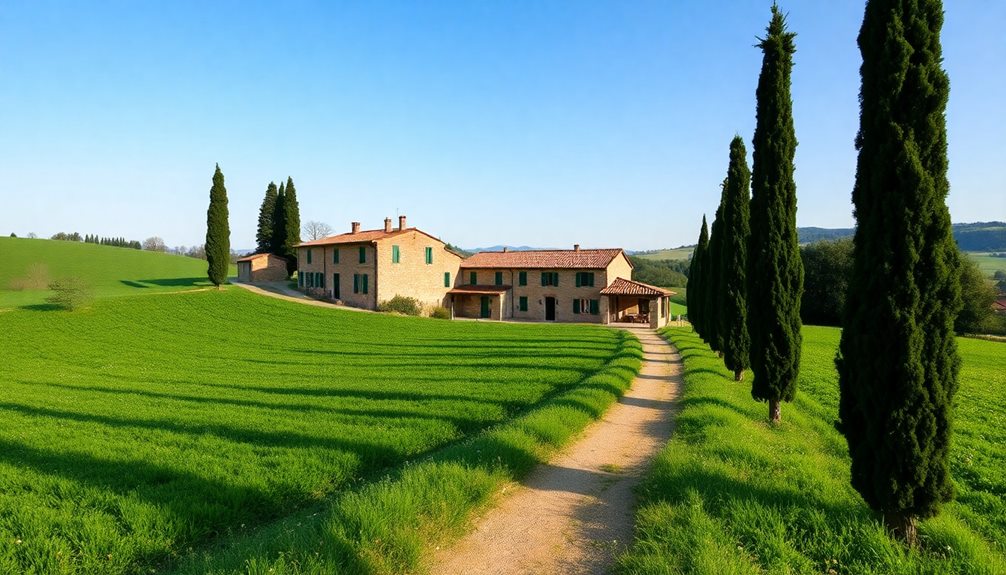
Arezzo is an Etruscan-rooted city in eastern Tuscany, about 80 km (50 miles) southeast of Florence and roughly an hour by regional train. A food lover’s day runs from a Saturday morning market through pici pasta with wild boar ragù, Chianina beef, local olive oil, and Vino Nobile-adjacent wines from the Val di Chiana. You eat as well as in Florence, at lower prices and with a fraction of the crowds.
On a Saturday morning in Piazza Grande, Arezzo’s sloping medieval square, you can buy a wedge of pecorino cheese, a paper cone of warm chestnuts in season, and a glass of local red wine before ten o’clock — and never queue behind a tour group. That alone should make you curious about eastern Tuscany.
Most food lovers touch down in Florence, eat one overpriced steak, and leave believing they’ve tasted Tuscany. Arezzo, about 80 km (50 miles) southeast of Florence and an hour away by regional train, tells a different story: one of pici (hand-rolled thick spaghetti), Chianina beef, wood-fired bread, and olive oil so peppery it catches in your throat.
This is a practical guide to a single, well-built day — when to go, exactly what to eat, and how to build the kind of itinerary a local would respect. If you’re planning Tuscany beyond Florence, start here.
Take the direct regional train from Florence (about 55–70 minutes, €8–12) and go on a Saturday to catch the Mercato di Arezzo; the first weekend of the month a…
Order by name: crostini di fegatini, pici all’aglione or with ragù di cinghiale, Chianina beef cooked rare, and trippa alla aretina — with Torta di Arezzo and…
A sharp peppery sting in the back of your throat signals fresh, high-polyphenol olive oil from the current harvest; flat or waxy-tasting oil is old.
Book winery and frantoio (olive mill) tastings by appointment, and time mill visits to the October–December harvest if you can.
Shop before 12:30, when the riposo midday closure shuts most stores, and carry souvenirs that travel: hard cheese, whole salumi, chestnut flour, honey, sealed…
Eastern Tuscany · Food Guide
Tuscany Beyond Florence: A Food Lover’s Day in Arezzo
An Etruscan-rooted city 80 km southeast of Florence, Arezzo serves pici with wild boar ragù, Chianina beef, peppery olive oil, and Val di Chiana wines — at lower prices and a fraction of Florence’s crowds. This is a practical, hour-by-hour itinerary you can copy.
Step by step
An Hour-by-Hour Itinerary You Can Copy
The exact shape of a strong day — tested, adjustable, and built the way a local would respect. Leave Florence around 8:00 a.m. and you’ll be holding an espresso in Piazza Grande before ten.
08:00 — Train
Direct regional train from Firenze Santa Maria Novella. No bus transfers, flat 12-minute walk up to the center.
09:30 — Mercato
Walk the Mercato di Arezzo once without buying, then circle back for pecorino, salumi, honey, and olive oil.
12:30 — Lunch
Long trattoria lunch: crostini di fegatini, pici all’aglione or ragù di cinghiale, rare Chianina steak, trippa.
15:00 — Tasting
Winery tasting in the Val di Chiana or Cortona hills, or a frantoio (olive mill) visit — by appointment.
17:30 — Dolci
Torta di Arezzo and a glass of Vin Santo with cantucci before the train home.
Order by name
The Dishes You Must Eat in Arezzo
Peasant cooking refined over centuries. Even imperfect Italian signals respect and gets you better service.
Antipasto
Crostini di Fegatini
Saltless Tuscan bread (a medieval salt-tax tradition) topped with chicken liver pâté, capers, and a splash of Vin Santo. Every trattoria has its version.
Primo
Pici all’Aglione
Thick hand-rolled spaghetti — one strand at a time on a wooden board — with punchy garlic-tomato sauce, or ragù di cinghiale from the Casentino forests.
Secondo
Chianina Beef
One of the world’s oldest cattle breeds, raised in the Val di Chiana for over 2,000 years. Sold by weight, grilled rare over embers — never well-done.
Secondo
Trippa alla Aretina
Tripe braised with tomato, parmigiano, and mint until silky. Not adventurous? Order it anyway.
Dolce
Torta di Arezzo
The city’s sweet almond pastry — save room, and pair it with Vin Santo and cantucci for dipping.
Mercato
Market Provisions
Pecorino Toscano DOP aged 60–90 days, finocchiona, Casentino chestnut flour, dark chestnut honey, and frantoio-bottled olive oil.
Build your afternoon
Lunch, Wine & Olive Oil: Comparing the Options
After the market, your afternoon splits into two moves. Here’s how the pieces compare.
| Afternoon Option | Time Needed | Best For | Book Ahead? |
|---|---|---|---|
| Trattoria lunch · old town | 1.5–2 hours | Pici, tripe, Chianina steak | ~ Walk-in usually fine; reserve on antiques weekends |
| Winery tasting · Val di Chiana / Cortona | 2–3 hours | Syrah, Sangiovese, Vino Nobile-style blends | ✓ Yes, by appointment |
| Olive mill (frantoio) visit | 1–1.5 hours | Fresh-press oil; Oct–Dec harvest | ✓ Yes, by appointment |
| Agriturismo farm shop | 45 min–1 hour | Salumi, honey, cheese to take home | ✓ Usually walk-in |
Field test
How to Read Olive Oil Like a Local
A vendor hands you a spoon from an open fusto. You cough. He beams. That peppery burn at the back of the throat is oleocanthal — a natural anti-inflammatory in fresh, high-polyphenol oil. The sting means the oil is alive.
Why Arezzo · Crowd levels vs. Florence
Two pantries, one town: Arezzo pulls from the Val di Chiana to the south — cattle country, home of the giant white Chianina breed — and the forested Casentino to the north, which sends down chestnuts, porcini, and game. Time it to the first weekend of the month and you’ll also catch the Fiera Antiquaria, Italy’s oldest antiques fair, running since 1968.
From valley to table
Traceability: What Lands on Your Plate
Getting There: Why Arezzo Is the Easiest Food Day Trip from Florence
Arezzo is the simplest serious food day trip you can build from Florence. Direct regional trains leave from Firenze Santa Maria Novella and take roughly 55 to 70 minutes, with fares typically between €8 and €12 each way. The station sits a flat, pleasant 12-minute walk below the historic center, so you won’t waste your morning navigating bus transfers with a shopping bag of cheese.
Go on a Saturday. That’s market day, when the streets around Piazza Grande and the lower Piazza della Repubblica fill with producers from the surrounding Val di Chiana and Casentino valleys. If you time it to the first weekend of the month, you also catch the Fiera Antiquaria (antiques fair), Italy’s oldest, running since 1968 — and the food stalls, street food, and café terraces swell along with it.
For context: Arezzo was an Etruscan city before Rome existed as a republic, and it grew rich on its position between the Arno and Tiber valleys. That geography explains the food. The city pulls from the Val di Chiana to the south — cattle country, home of the giant white Chianina breed — and the forested Casentino to the north, which sends down chestnuts, porcini, and game. One town, two pantries.
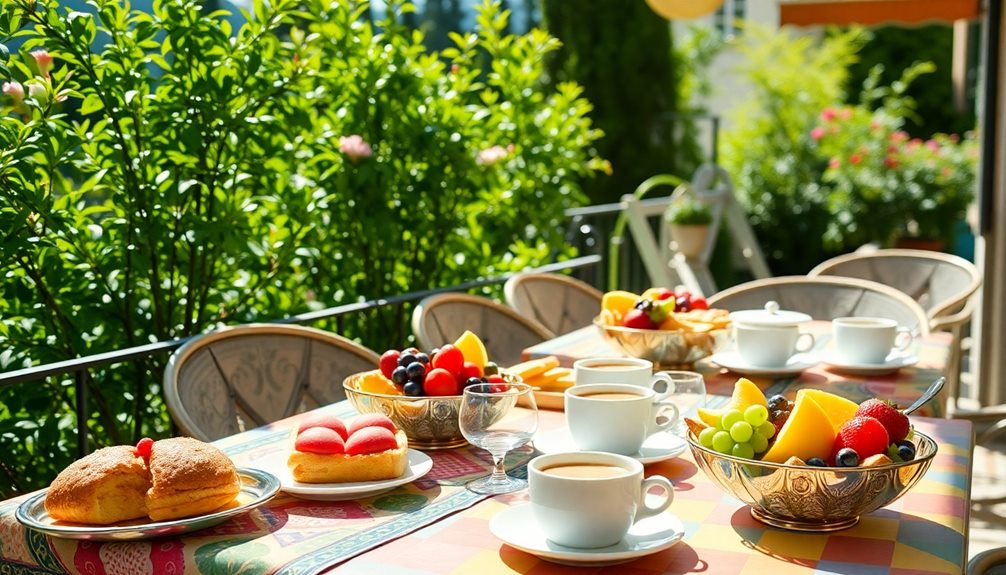
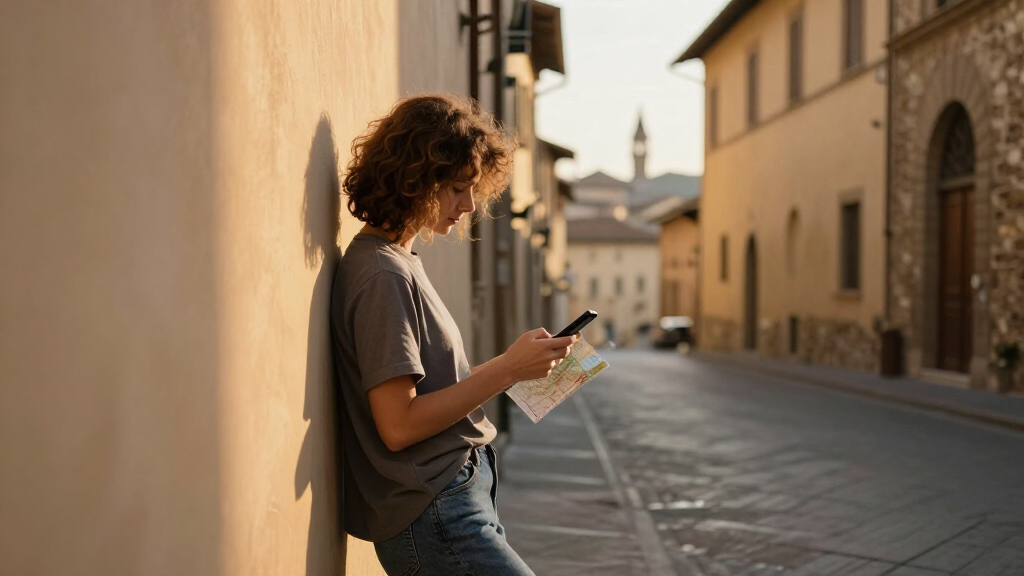
Leave Florence on a train around 8:00 a.m. You’ll be holding an espresso in Piazza Grande before 10.
As an affiliate, we earn on qualifying purchases.
Morning at the Mercato di Arezzo: What to Buy Before Lunch
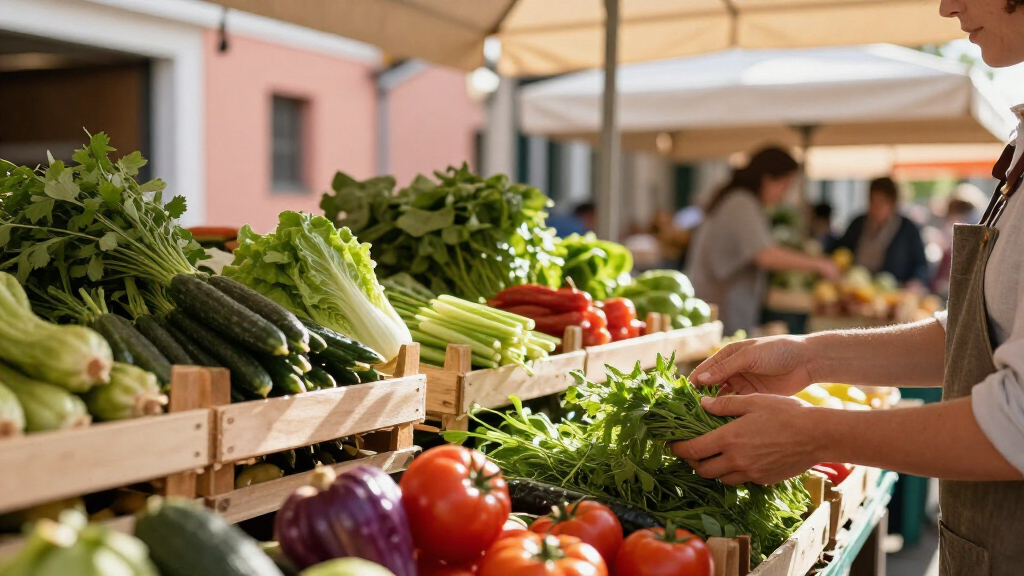
The Mercato di Arezzo is where your day should start, and the strategy is simple: walk it once without buying, then circle back. The market spreads through the streets flanking the center on Saturdays, and a smaller daily covered market operates near Via Cittadella during the week.
Look for these, because they travel well and define the region:
- Pecorino Toscano DOP — sheep’s milk cheese, younger and gentler than Roman pecorino. Ask for a piece aged 60–90 days; it should feel slightly oily under the rind.
- Chianina salumi — cured cuts from the Val di Chiana, including finocchiona (fennel-seasoned salami).
- Chestnut flour from the Casentino, sold in paper bags — the base for castagnaccio, the region’s flat, rustic chestnut cake.
- Local honey, especially chestnut honey, which is dark, barely sweet, and slightly bitter.
- Extra virgin olive oil from the Arezzo hills. Look for bottles labeled Olivo Toscano IGP or, better, a frantoio (mill) name on the label.
A real scenario: last autumn I watched a vendor hand a visitor a spoon of olive oil from an open fusto (steel drum). She coughed. He beamed. That peppery burn at the back of the throat is oleocanthal, a natural anti-inflammatory compound in fresh, high-polyphenol oil — the sting means the oil is alive and recently pressed. An oil that feels flat and greasy is old, no matter what the label claims.
Budget €25–40 for a bag of provisions you’ll snack on all day and carry home. Bring cash in small bills; not every stall takes cards.
The Dishes You Must Eat in Arezzo (and What Makes Them Local)
Arezzo’s food is peasant cooking refined over centuries, and four dishes anchor any proper visit. Order them by name — using even imperfect Italian signals respect and gets you better service.
First, crostini di fegatini: small rounds of Tuscan bread topped with chicken liver pâté, capers, and a splash of Vin Santo. Every trattoria has its version. The bread matters — Tuscan bread is saltless, a tradition dating to medieval salt taxes, and the liver’s richness is built to compensate.
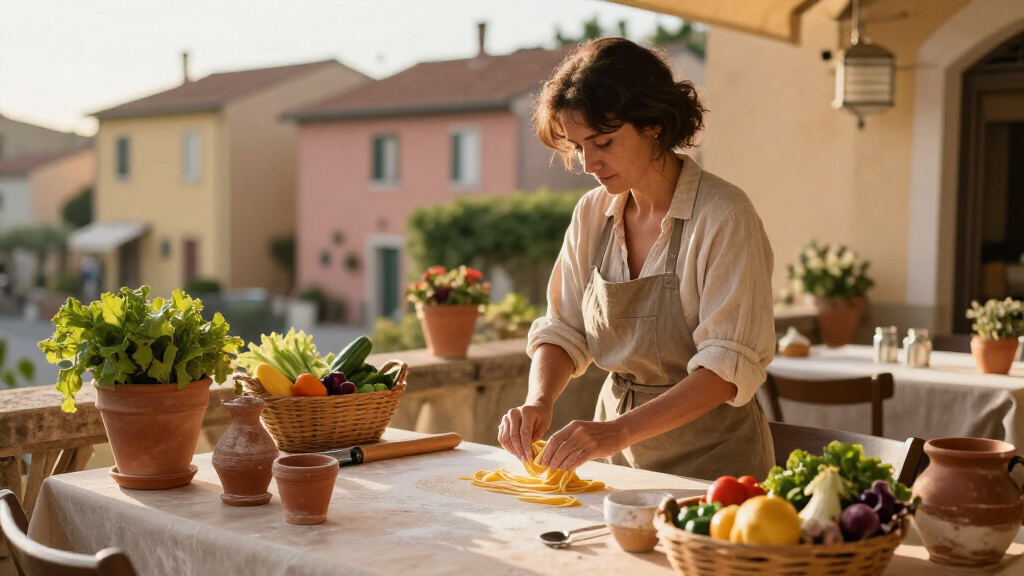
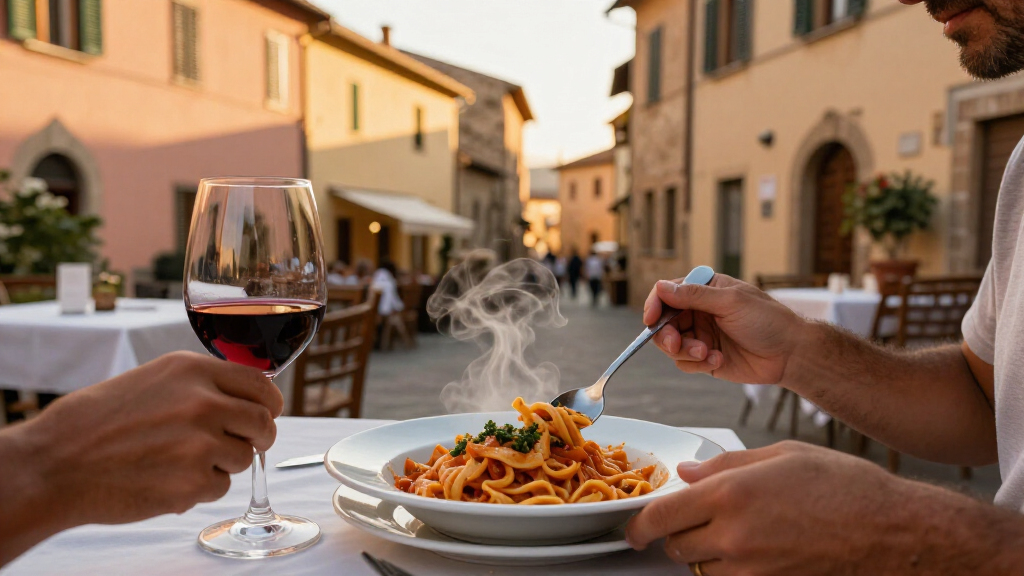
Second, pici, the thick, hand-rolled spaghetti of southern Tuscany, rolled one strand at a time on a wooden board. The classic pairing is pici all’aglione — a punchy sauce of garlic and tomato — or with ragù di cinghiale, wild boar ragù from the Casentino forests. The dough is just flour, water, and a little oil; the texture, dense and slightly uneven, is the point.
Third, bistecca alla fiorentina‘s Arezzo cousin: thick-cut Chianina beef, simply grilled. Chianina is one of the oldest cattle breeds in the world, raised in the Val di Chiana for over 2,000 years. A proper steak is sold by weight, cooked rare over embers, and never, ever requested well-done.
Fourth, trippa alla aretina — tripe braised with tomato, parmigiano, and mint. Not adventurous? Order it anyway. Slow braising turns it silky, and it appears on menus in Florence far less often than it did a generation ago.
Save room for Torta di Arezzo, the city’s sweet almond pastry, and a glass of Vin Santo (holy wine, a sweet amber dessert wine) for dipping your cantucci.
Lunch, Wine, and Olive Oil: How to Structure the Afternoon
After the market, your afternoon splits into two moves: a long trattoria lunch, then a tasting or a farm visit. Here’s how the pieces compare so you can build the version that fits your day:
| Afternoon Option | Time Needed | Best For | Book Ahead? |
|---|---|---|---|
| Trattoria lunch in the old town | 1.5–2 hours | Pici, tripe, Chianina steak | Walk-in usually fine, reserve on antiques weekends |
| Winery tasting in the Val di Chiana or Cortona hills | 2–3 hours | Reds: Syrah, Sangiovese, Vino Nobile-style blends | Yes, by appointment |
| Olive oil mill (frantoio) visit near Arezzo | 1–1.5 hours | Fresh-press oil, October–December harvest | Yes, by appointment |
| Agriturismo farm shop stop | 45 min–1 hour | Salumi, honey, cheese to take home | Usually walk-in |
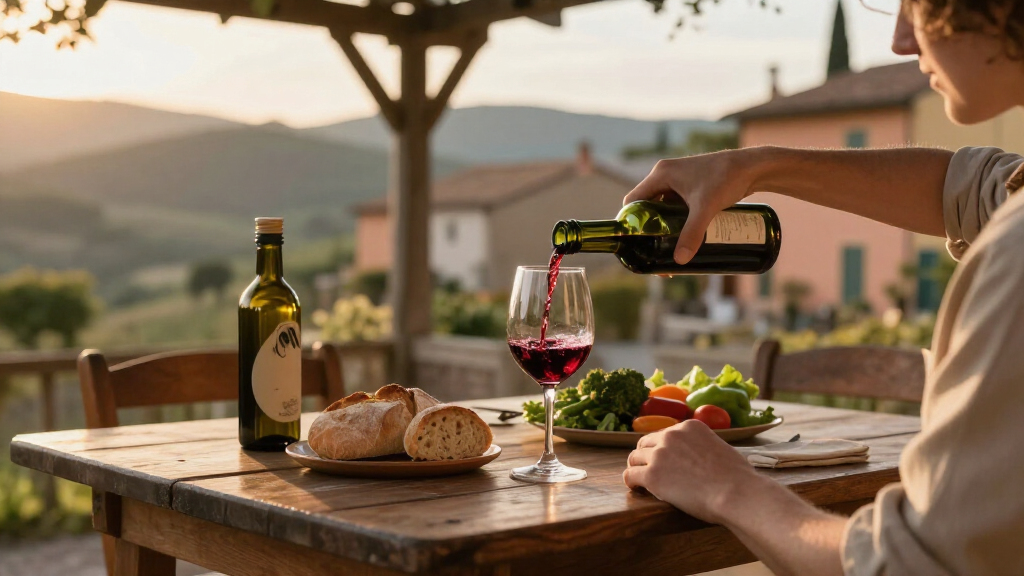
Wine first. Arezzo’s province has quietly become one of Tuscany’s most interesting wine zones — less famous than Chianti, which means better value. Look for Sangiovese-based reds, ambitious Syrah from the Cortona hills (Cortona Syrah has its own DOC designation), and easy-drinking whites from Grechetto and Trebbiano. The grand Vino Nobile di Montepulciano DOCG zone lies under an hour south, so many enoteche (wine shops) in Arezzo stock it at prices lower than you’ll see in Florence.
If you’d rather not drive, stay in town. Several wine bars around the Corso Italia, the city’s elegant main street, pour by the glass, and a growing number of local operators run guided food-and-wine walking tours bookable online — a genuinely good option if your Italian is thin.
Wine and alcohol are for adults only; pace yourself, eat while you drink, and never drive after tasting.
A Hour-by-Hour Itinerary You Can Copy
Here is the exact shape of a strong day, tested and adjustable. Follow it as written or swap the afternoon pieces to taste.
- 8:00 – 9:10: Train from Firenze Santa Maria Novella to Arezzo. Buy water and a pastry for the ride.
- 9:15 – 10:00: Espresso standing at a bar near Piazza Grande. Cappuccino is fine before 11 a.m.; after that, Italians switch to straight coffee.
- 10:00 – 11:30: Walk the Mercato di Arezzo. First pass to look, second pass to buy pecorino, salumi, honey, chestnut flour.
- 11:30 – 12:45: Culture break — the Basilica of San Francesco holds Piero della Francesca’s Legend of the True Cross frescoes, one of the great painting cycles of the Italian Renaissance. Fifteen quiet minutes in front of them resets your appetite.
- 13:00 – 15:00: Long lunch. Order crostini, pici, and share one bistecca. Water, a half-liter of house red, no rush.
- 15:15 – 17:00: Wine bar along Corso Italia, or a pre-booked tasting at a frantoio or winery nearby.
- 17:00 – 18:00: Gelato, a last lap of Piazza Grande at golden hour, and a slice of Torta di Arezzo wrapped for the train.
- 18:30ish: Train back to Florence, arriving in time for a light, late Tuscan dinner — or nothing at all.
Two practical notes. Many shops close from roughly 12:30 to 15:30 for riposo, the midday rest, so do your shopping before lunch. And if you’re driving instead of taking the train, park at the Pietri or Parcheggio Arezzo lots below the center and walk up; the old town’s streets are narrow, steep, and partly restricted.
Bringing Arezzo Home: What Travels, What Doesn’t, and How to Keep It Safe
You can rebuild half this day in your own kitchen — if you choose souvenirs wisely and store them correctly. Hard cheese, cured salumi in whole pieces, chestnut flour, honey, and sealed bottles of olive oil all travel well. Fresh tripe, fresh ricotta, and open containers of anything do not.
For the olive oil: keep the bottle cool, dark, and sealed — a kitchen cupboard away from the stove, not the windowsill. Quality extra virgin olive oil keeps its character for about 18 months from pressing, and noticeably longer if you buy from the current harvest. If a supermarket oil tastes like crayons or old nuts, it’s oxidized; throw it out rather than cooking with it.
For pecorino, wrap it in wax or parchment paper, never plastic — plastic suffocates the rind and the cheese sweats. Refrigerate it and let it come to room temperature for 30 minutes before eating, because cold cheese tastes like almost nothing.
Then cook. Pici is the project worth attempting: a dough of 400 g flour, water, a tablespoon of olive oil, rolled into thick strands. Toss it with a sauce of garlic, tomato, and peperoncino for aglione, or a slow wild boar ragù if you find cinghiale at a good butcher. The dish works with good store-bought pici too — the sauce carries it.
Allergen note for home cooks: the classic Arezzo spread contains gluten (bread, pasta), dairy (pecorino, butter), and often tree nuts in desserts like Torta di Arezzo and castagnaccio. Check labels and ask questions; regional recipes hide nuts and dairy in places you wouldn’t expect.
Frequently Asked Questions
What are the must-try dishes in Arezzo?
Order crostini di fegatini (chicken liver crostini), pici (thick hand-rolled pasta) with aglione or wild boar ragù, grilled Chianina beef, and trippa alla aretina (braised tripe with tomato and mint). Finish with Torta di Arezzo, a sweet almond pastry, and a glass of Vin Santo.
How do I get from Florence to Arezzo for a day trip?
Direct regional trains run from Firenze Santa Maria Novella to Arezzo in about 55–70 minutes, costing roughly €8–12 each way. The station is a flat 12-minute walk from the historic center. Go on a Saturday for the market, and target the first weekend of the month to catch the antiques fair too.
Can I visit wineries or olive oil producers near Arezzo?
Yes. The Val di Chiana and Cortona hills south of Arezzo host wineries pouring Sangiovese, Syrah (Cortona has its own DOC), and reds related to nearby Vino Nobile di Montepulciano. Olive mills (frantoi) offer tours and tastings, best during the October–December harvest. Almost all require booking by appointment, so reserve a few days ahead.
Is Arezzo good for food-focused travel with kids?
Very. The Saturday market is a sensory playground, farms and agriturismi in the surrounding countryside welcome families, and trattorias are casual and patient with children. Kids who won’t touch tripe will happily eat pici with tomato sauce, bread, and gelato from a shop on Corso Italia.
When do shops and restaurants close in Arezzo?
Many shops close for riposo from roughly 12:30 to 15:30. Do your market and food-shop shopping in the morning, eat a long lunch while the town rests, and return to shopping or sightseeing after 15:30. Restaurants typically open for lunch around 12:00–12:30 and again for dinner after 19:30.
Conclusion
Here’s the one thing to remember: Arezzo rewards the traveler who plans around meals instead of monuments — though you get the Piero della Francesca frescoes as a bonus. Train in on a Saturday morning, walk the market hungry, eat a two-hour lunch, and carry home cheese, honey, and a bottle of oil that still stings.
Florence will always have the crowds and the postcards. Arezzo has the Chianina, the pici, and a sloping medieval square where nobody is rushing you off the terrace. Which version of Tuscany sounds like your trip?
Fall Picks
fall essentials
As an affiliate, we earn on qualifying purchases.