TL;DR

Get kitchen staples and gadgets delivered free — and shop member deals
- Fast, free delivery on millions of items
- Access to Prime Big Deal Days deals on October 6–7
- Prime Video, Amazon Music and more included
San Gimignano is closely associated with Vernaccia di San Gimignano and local saffron, while Volterra is known for inland dishes such as wild boar ragù, soups, pecorino, and handmade pasta. Across the Val d’Elsa, small farms, olive groves, and vineyards offer a changing mix of Tuscan staples; check availability and book tastings directly, then let the season guide your plate.
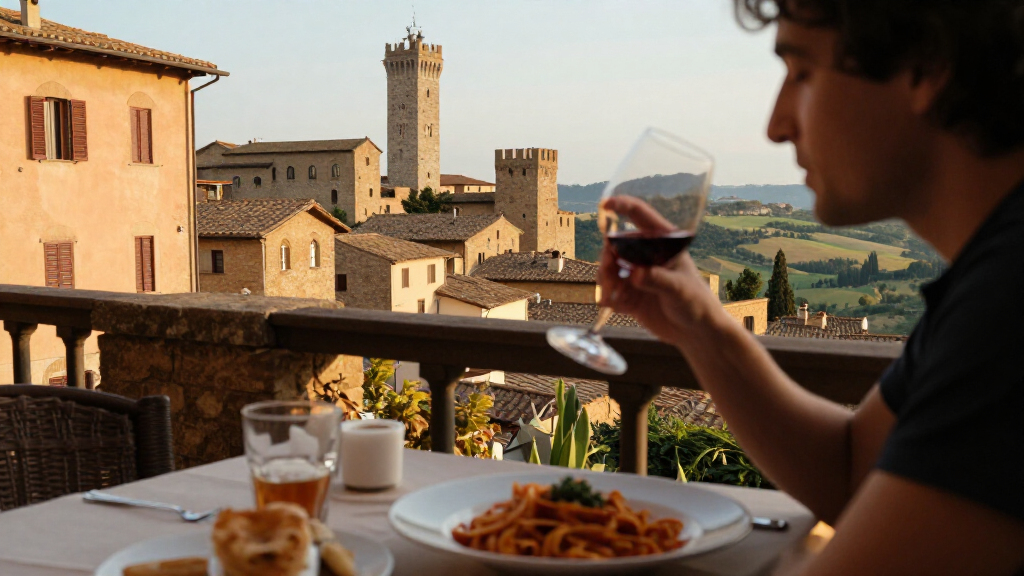
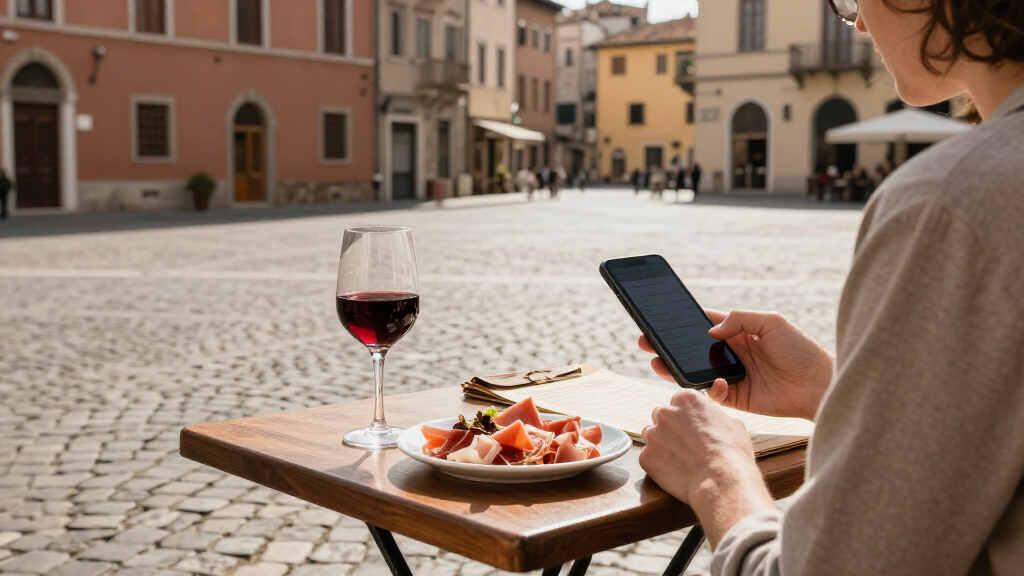
A glass of Vernaccia tastes different when you can see the towers of San Gimignano beyond the table. In this part of Tuscany, food follows the landscape: vineyards around the hill towns, hearty game dishes inland, and farms scattered across the Val d’Elsa. A good meal gives you more than a menu; it offers a practical way to understand where you are.
This guide connects what to order with where and when to eat it. You’ll find out how to pair Vernaccia with local dishes, what to look for in Volterra, how to plan a Val d’Elsa farm visit, and why the season matters. Bring an appetite and a little flexibility: restaurant menus and producer visits change, so check details directly before you set out.
Order Vernaccia di San Gimignano as a local starting point, and ask which current dish the producer or restaurant recommends beside it.
In Volterra, look for wild boar ragù, legumes, soups, pecorino, and handmade pasta; ask what is actually in season.
Treat the Val d’Elsa as a spread-out countryside, and confirm producer visits, hours, and booking requirements directly.
Use seasonal menus as a guide, not a guarantee: harvest conditions and restaurant availability change each year.
Tell restaurants about allergies or strict dietary needs before booking, and ask whether soups, sauces, or stocks contain meat.
A field guide to the Tuscan table · San Gimignano / Volterra / Val d’Elsa
Food follows the landscape
From a crisp glass of Vernaccia beneath San Gimignano’s towers to wild boar ragù in Volterra and farm tastings across the Val d’Elsa, local food offers a practical way to understand where you are. Let the season guide your plate, and check details with each producer before setting out.
Three landscapes · three ways to eat
Read the region
through its table
Hill-town vineyards, hearty inland cooking and a spread of rural producers shape what you may find. Menus and visits vary, so treat these as starting points and ask what is available today.
01 / Hill-town wine
San Gimignano
Look for Vernaccia di San Gimignano, saffron, cured meats, cheeses and soups. Ask about the wine’s vintage and style, then invite the server to suggest a pairing.
02 / Inland cooking
Volterra
Explore wild boar, game, legumes, soups, pecorino and handmade pasta. Pappardelle with wild boar ragù is a familiar Tuscan pairing; truffles and mushrooms depend on the season.
03 / Country producers
Val d’Elsa
Think olive oil, bread, beans, vegetables, cheeses, cured meats and pasta. The area is broad and spread out; choose a specific farm or winery and confirm its hours and booking rules.
Vernaccia’s freshness can balance salty cheese or richer flavors. Producer styles differ, so a local recommendation is more useful than ordering by name alone.
Local saffron brings warmth, fragrance and golden color. Ask whether it appears in a soup, pasta or another current dish; it is not on every menu.
A practical day plan
Make room for
the meal
A satisfying day can connect historic streets with one well-chosen food stop. Keep the itinerary simple enough to enjoy the drive, the conversation and what is on the plate.
Choose a base
Pick one main town or producer visit; countryside distances can take longer than the map suggests.
Ask what’s current
Check the vintage, today’s dishes and the ingredients that arrived recently.
Taste at an easy pace
Share a glass or a local specialty, then allow time for lunch and unhurried conversation.
Confirm before driving
Contact farms, wineries and restaurants directly about hours, bookings and availability.
What changes with the calendar
Let the season
set the menu
Seasonal patterns can help you ask better questions, but harvest conditions and restaurant supplies change each year. Use the chart as a guide, not a guarantee.
Hearty, flexible choices
Wild boar ragù and handmade pasta make a filling meal after Volterra’s steep streets. Share a portion or choose soup if you want room for the rest of the day.
For a vegetarian meal, ask about bean soup, seasonal vegetable pasta and sides. Check whether stocks or sauces contain meat; a simple-sounding dish may begin with meat broth or cured pork.
Common seasonal signals
Tuscan bread is traditionally made without salt and works well alongside soups, beans and toppings. Availability varies by restaurant and year.
Before you go
Plan the visit;
keep the appetite curious
A producer visit can turn a meal into a small lesson in the landscape. A taste of olive oil on plain bread, for example, can reveal its green scent and peppery finish.
Make the countryside stop count
The Val d’Elsa is a broad rural area, not one compact food district. Pick a farm, winery or community that fits your route and leave breathing room between the tasting and lunch.
Shops may keep limited hours, while tastings can require appointments. Ask directly what is offered, when it is available and how to book.
Ask before you order
- ✓Wine: Which current vintage and style suits this dish?
- ✓Season: What came in recently, and what is the kitchen cooking today?
- ✓Producer: Are visits, shop hours and tastings available by appointment?
- ✓Dietary needs: Tell the restaurant about allergies or restrictions before booking; ask about stocks and sauces.
Trace the flavors
From landscape
to lasting memory
A few connected details can make a meal feel rooted in place: the hills behind the glass, the stone underfoot, and the producers along the road.
Start in San Gimignano with Vernaccia and saffron
In San Gimignano, begin with Vernaccia di San Gimignano, the town’s signature dry white wine, and look for dishes that make room for its crisp, savory character. Vernaccia was among Italy’s first wines to receive DOC status and later became the country’s first white wine to receive DOCG status. That history gives you a clear local choice when a wine list feels long, but the designation alone won’t tell you which bottle suits your meal. Producers vary the wine’s texture and intensity, so asking about the vintage and style is more useful than ordering by name alone.
Ask the server what the current vintage pairs well with, since producers and styles vary. A chilled glass beside local cheese, cured meats, or a saffron-seasoned dish makes a fine first course. Vernaccia’s freshness can balance salty or rich flavors, while saffron contributes warmth and aroma rather than heat. The pairing works because the flavors play different roles; it is a starting point, not a promise that every restaurant serves a saffron dish or that every Vernaccia tastes the same.
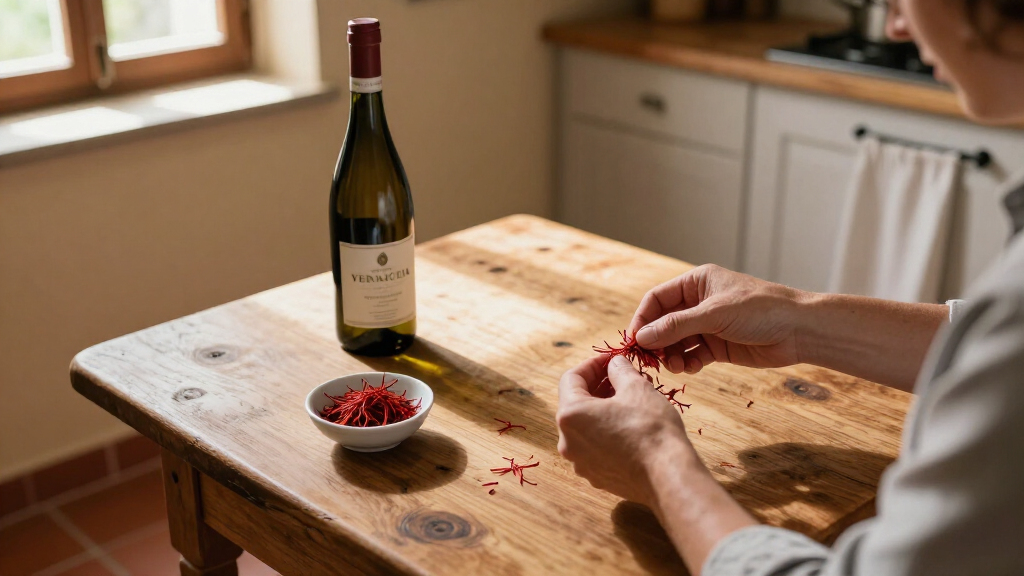
Saffron has been cultivated around San Gimignano, and its golden color links the plate to the fields outside the walls. If you see it on a menu, ask whether it appears in a soup, pasta, or another seasonal preparation. A small amount can lend a dish fragrance and color without dominating it, which is why it may be more noticeable in a simple preparation than under a heavy sauce. On a cool evening, a saffron-scented soup with saltless Tuscan bread can feel more rooted in place than a generic pasta dish.
Keep the tasting simple: share a glass, order one local specialty, and let the server explain the pairing. That gives you a chance to notice how the wine responds to the food without committing to a full tasting or several courses. A tasting room or restaurant may offer different wines and food than the next one, so check opening hours and book directly if you have a particular stop in mind. Vernaccia and saffron are a memorable thread to follow through town, not a checklist every meal has to satisfy.
As an affiliate, we earn on qualifying purchases.
Choose a Volterra meal that tastes like the inland countryside
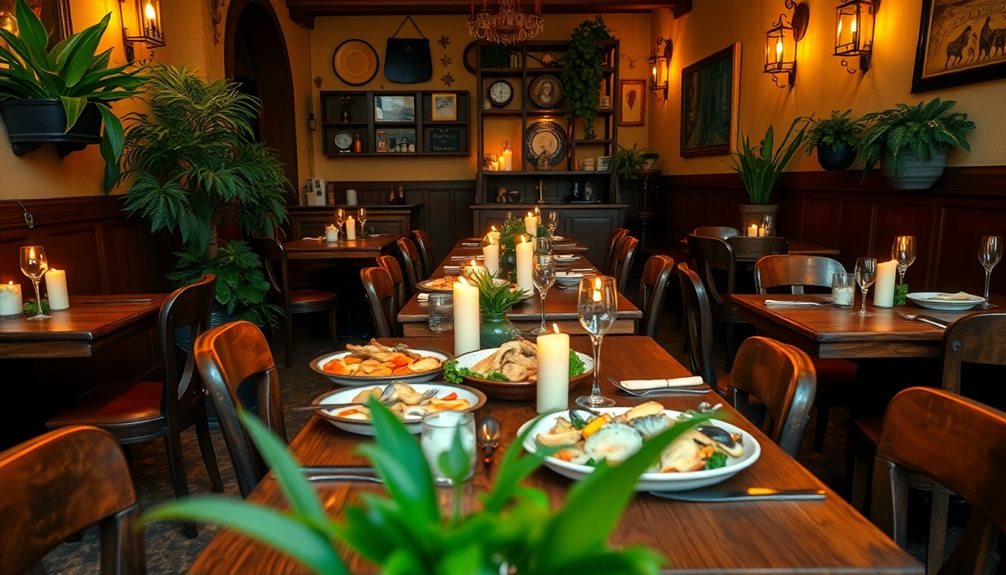
Volterra’s table leans inland: expect wild boar, legumes, soups, pecorino, and handmade pasta, with game and slow-cooked sauces appearing on many traditional menus. Pappardelle with wild boar ragù is a familiar Tuscan pairing; broad ribbons of pasta hold the thick sauce, and a dusting of cheese can soften its savory edge. The slow-cooked sauce makes a filling meal after walking the town’s steep stone streets, but it can be rich and substantial. Sharing a portion or choosing soup instead may leave more room for the rest of the day.
Volterra is also known for its Etruscan history and alabaster craftsmanship. That gives you an easy way to shape a day: visit the historic center, browse alabaster workshops, then settle in for a bowl of soup or pasta. The contrast is vivid. Pale, translucent stone catches the afternoon light; a ragù arrives dark and fragrant, with steam rising from the bowl. A meal like this also makes the town’s inland character tangible: ingredients and cooking methods built for hearty eating, rather than a menu centered on coastal seafood.
Look at the season before you order. Truffles and mushrooms may appear when they’re available, while beans and soups suit colder weather. These ingredients can be prized and costly, so ask whether a truffle dish uses fresh truffle or another preparation before choosing it. A restaurant’s menu can’t guarantee a particular ingredient will be local or in season just because it carries a regional name. Ask what came in recently and what the kitchen is cooking today; a specific answer tells you more than a sweeping claim about “authentic Tuscan” food.
If you eat vegetarian, you can still find substantial choices. Try a bean soup, pasta with seasonal vegetables, or vegetable sides, and ask whether the stock or sauce contains meat. The practical catch is that dishes that appear vegetable-based may rely on meat broth or cured pork for depth, so clarify before ordering. For allergies or strict dietary needs, contact the restaurant ahead of time with clear details. A simple question before booking can save you from discovering that a seemingly plain soup starts with meat broth.
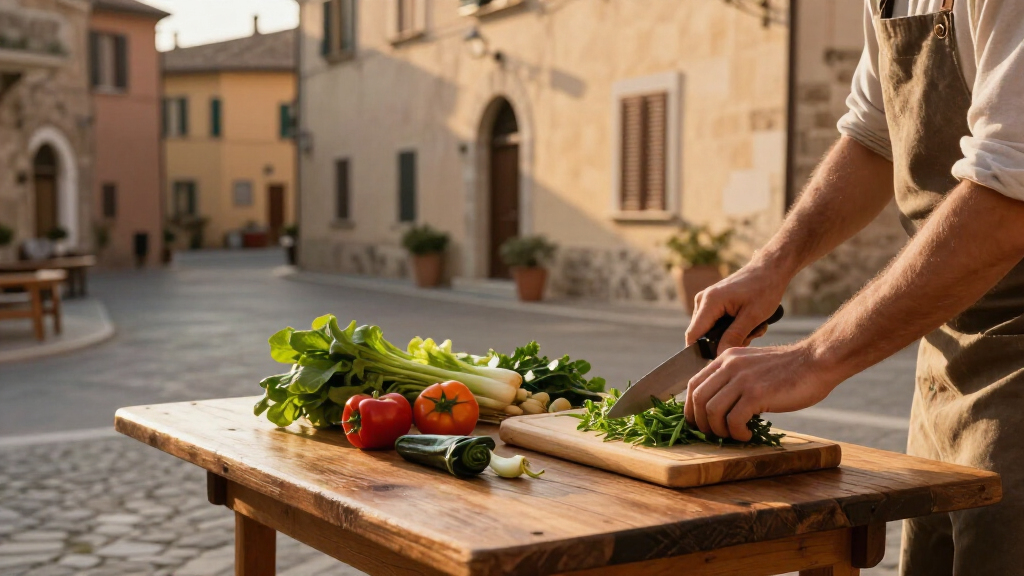
Use the Val d’Elsa to meet the producers behind your meal
The Val d’Elsa is a broad countryside area, not one compact town or a single food district, so plan around a specific farm, winery, or community rather than expecting one standard tasting route. Its farms, olive groves, vineyards, and small producers offer familiar Tuscan staples: extra-virgin olive oil, bread, beans, vegetables, cured meats, cheeses, and pasta. What’s available depends on where you stop and when you visit. The area’s spread-out character is part of the appeal, but it means a little research matters: a producer that looks close on a map may take time to reach on smaller roads.
A producer visit can turn a meal into a small lesson in the landscape. You might taste oil on a piece of plain bread, then notice its peppery finish and green scent more clearly than you would in a crowded restaurant. That tasting can help you understand what freshness and olive variety contribute, and gives you a point of comparison when oil arrives at lunch. Another farm may focus on wine or vegetables, with different days, booking rules, and services. Check directly before driving out; a farm shop isn’t necessarily open whenever you arrive, and a tasting may require an appointment even when the shop is open.
On a day trip, leave room between a tasting and lunch. Small roads can make short distances feel slow, and you’ll want time to talk with the producer instead of watching the clock. For example, choose one morning visit near your route, then have lunch in a nearby town rather than stacking several appointments across the valley. Fewer stops can mean a more useful conversation and less time driving; the tradeoff is that you’ll sample a narrower range, so choose the visit that best matches your interest.
Look for concrete details when you ask about what’s on offer: which olive oil they make, whether the tasting needs a reservation, and which products are available that week. A place name on a label or menu doesn’t prove every ingredient came from the immediate area, so ask about the producer and origin if that matters to you. Small-producer tastings can be rewarding, but the most useful visit is the one you’ve confirmed and can reach without rushing.
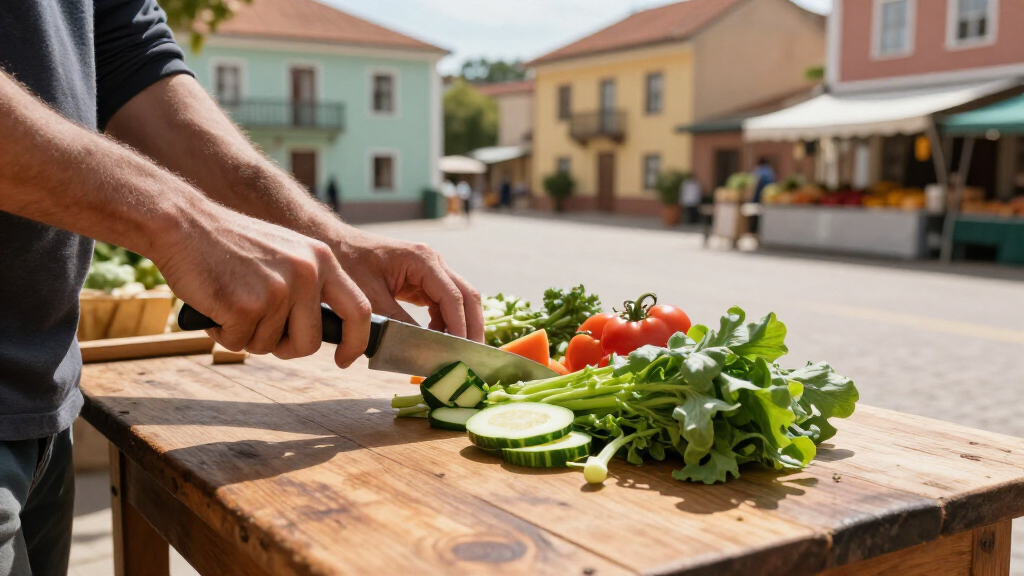
Follow the seasons to find the most satisfying dishes
In this corner of Tuscany, the season helps you decide what to order: look for spring vegetables and summer tomatoes, then expect mushrooms, truffles, soups, and braises to feature more often in cooler months. These are common patterns, not fixed promises. Weather, harvests, and each restaurant’s menu shape what actually reaches the table. A seasonal choice can taste fresher, but flexibility matters more than planning around a single ingredient, especially if your trip is booked well in advance.
Seasonal eating can make a familiar dish feel tied to the place. On a warm summer day, ripe tomatoes with bread and olive oil suit a long lunch better than a heavy braise. When autumn air turns sharp, a mushroom dish or slow-cooked meat can warm you after a countryside drive. The weather is a useful cue, but it does not confirm what a kitchen has received; ask what is in season that week instead of building your whole meal around an ingredient months ahead.
Traditional Tuscan bread is made without salt. Its mild flavor works well in soups and bean dishes, and it can carry toppings such as tomatoes or liver pâté without competing with them. This is more than a regional quirk: the bread’s subtle taste leaves room for the salt and moisture supplied by toppings and soups. If you try it plain, it may seem bland; paired with a well-seasoned dish, its role becomes clearer.
Harvest conditions can shift from year to year. Heat, drought, and unpredictable rain may affect when grapes are picked and how a wine tastes, so a past visit won’t tell you exactly what to expect this season. Build a loose plan around the calendar, then let the menu answer the final question. Ask what arrived recently; that’s often the best clue to what will taste vivid today, and it helps set expectations if a familiar seasonal dish is absent.
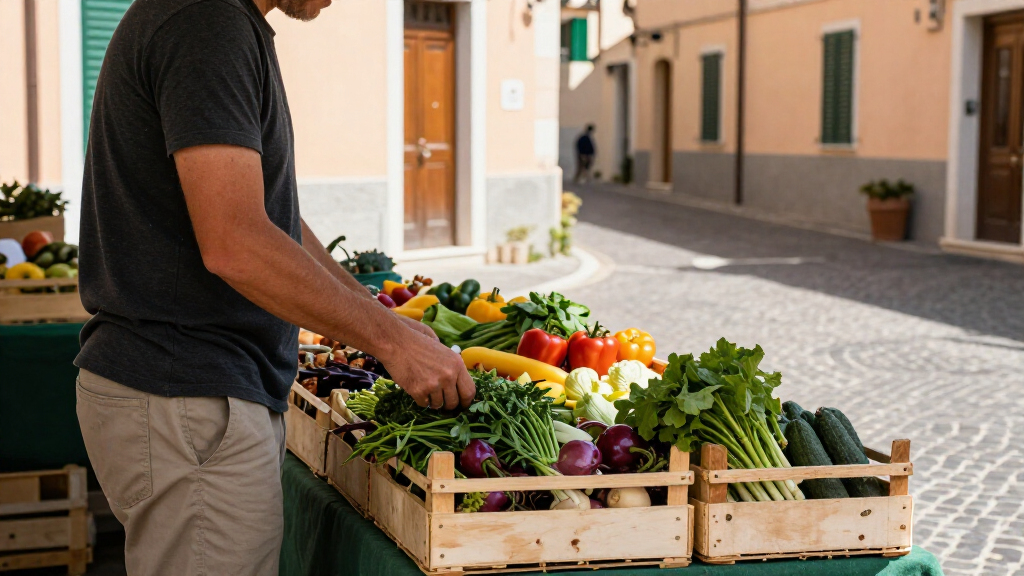
Plan a day of sightseeing and food without rushing
You can combine historic centers and food stops in a single day if you choose one main tasting and leave time for meals and travel. Start in a town such as San Gimignano or Volterra, walk its historic streets, then drive to a booked winery or farm visit. The countryside is part of the experience, but the route between stops takes time, especially on smaller roads. Planning around one confirmed visit reduces the chance that traffic or a late lunch turns the day into a race; the tradeoff is fewer stops, with more time to enjoy the ones you choose.
Use this simple sequence to keep the day comfortable:
- Pick one anchor stop. Choose a winery, farm, or restaurant that you’ve confirmed is open on your date.
- Build the town visit around it. Leave time to walk, browse, and sit down for lunch instead of squeezing in several distant stops.
- Ask about the meal ahead. Check whether the kitchen can handle dietary restrictions and whether you need a reservation.
- Keep a seasonal backup. If a particular dish or tasting isn’t available, choose a nearby soup, pasta, or producer shop instead.
Reservations make sense for popular restaurants, weekends, and winery experiences during busy travel periods. If you plan to taste wine, arrange a responsible ride or keep the tasting modest; adults should drink responsibly and never drive after drinking. Setting the ride plan before the tasting removes the pressure to rush or change plans afterward, so you can enjoy a glass slowly.
A flexible itinerary also leaves room for a surprise: a market stall, a farm shop with fresh oil, or a menu handwritten for that week. Confirm the details that matter, then leave one open stretch in your schedule. That balance protects the parts of the day you care about while making space for what you could not have planned. A long lunch under the Tuscan sun can be the best stop of all.
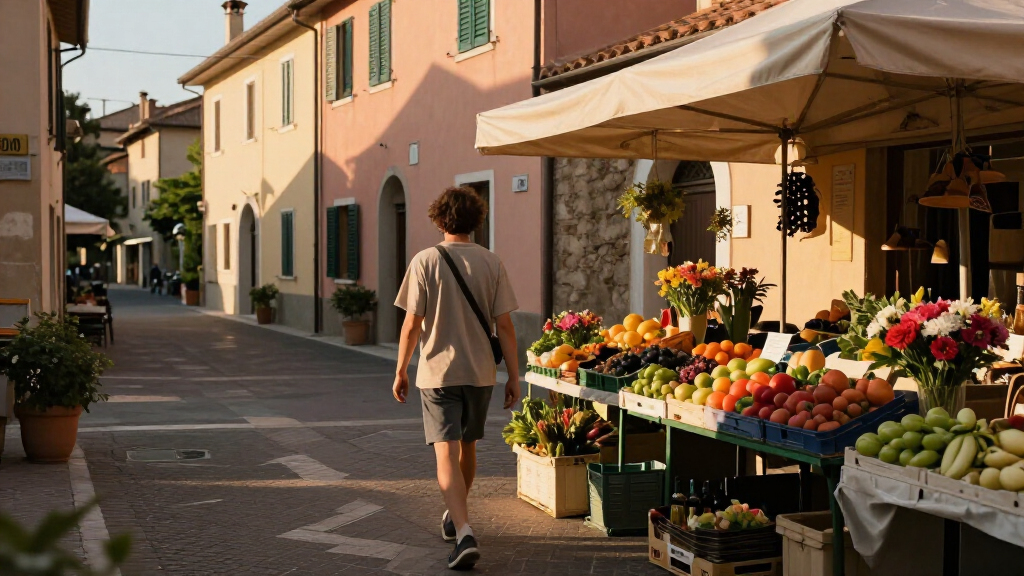
Order confidently when menus change from town to town
A typical Tuscan meal can start with crostini or soup, continue with pasta or another first course, and finish with a meat- or vegetable-based main, though you don’t need to order every course. In San Gimignano, ask about Vernaccia and saffron; in Volterra, look for game, legumes, and handmade pasta; across the Val d’Elsa, ask which farm products the kitchen uses. These cues give you a way into the menu even when it doesn’t explain every ingredient, and help distinguish a place-specific choice from a familiar dish you could order anywhere.
The rhythm of a meal is flexible. If you’ve had a substantial lunch, a shared pasta and a side may be enough at dinner. If you arrive hungry after a long walk, a soup followed by pappardelle with wild boar ragù gives you a more filling meal. Asking about portion size before ordering several courses helps avoid both over-ordering and leaving hungry, especially if you want to save room for dessert or another stop.
When a menu lists local specialties, ask what is made nearby and what is seasonal. A regional dish doesn’t mean every ingredient comes from the surrounding hills. This small question can lead to a useful conversation about the producer, the recipe, or how the kitchen adapts it through the year. It also lets you make an informed choice: you can still enjoy a traditional recipe when some ingredients travel from farther away, while knowing what actually connects the dish to the area.
Food allergies deserve direct communication. Mention the ingredient and the seriousness of the allergy when you book, then repeat it with the server; ask about stocks, sauces, and cross-contact when needed. Common allergens can appear in pasta, cheese, sauces, and baked goods, including where a menu description may not make them obvious. For a vegetarian meal, ask specifically whether soups and vegetable dishes use meat broth or cured pork for flavor. Clear questions help the kitchen assess what it can safely prepare rather than leaving you to guess from a dish’s name.
Frequently Asked Questions
What foods are San Gimignano and Volterra known for?
San Gimignano is closely associated with Vernaccia di San Gimignano and locally cultivated saffron. Volterra is known for inland dishes such as wild boar, game, soups, pecorino, legumes, and handmade pasta.
Which wine should I try in San Gimignano?
Try Vernaccia di San Gimignano, the town’s signature dry white wine and Italy’s first white wine to receive DOCG status. Ask the winery or restaurant what local dish pairs well with the style they’re pouring.
Can I visit wineries or farms in the Val d’Elsa?
Many producers offer visits or tastings, but opening days, booking needs, and services vary. Contact the producer directly before you plan your route, especially if you’re traveling outside the busiest season.
What should I eat in Tuscany by season?
Look for vegetables in spring, tomatoes in summer, and mushrooms, truffles, soups, and braises in autumn and winter. Availability depends on the year and the individual kitchen, so ask what arrived recently.
Are vegetarian meals available around San Gimignano and Volterra?
Often, yes: bean soups, pasta with seasonal vegetables, and vegetable sides can make satisfying meals. Ask whether stocks, sauces, or vegetable dishes contain meat broth or cured pork, and tell the restaurant about strict dietary needs ahead of time.
Should I reserve restaurants and tastings?
Reservations are sensible for popular restaurants, weekends, and winery visits, particularly during busy travel periods. Confirm the time and any tasting requirements directly with the restaurant or producer.
Conclusion
Let the place guide your order: Vernaccia and saffron in San Gimignano, hearty inland cooking in Volterra, and a confirmed farm or producer visit in the Val d’Elsa. Check the details before you travel, then leave room for the dish that’s best that day.
Remember the meal as a map: golden wine-country light, a bowl of ragù after a steep walk, and bread carrying the peppery taste of fresh olive oil.
Fall Picks
fall essentials
As an affiliate, we earn on qualifying purchases.