
TL;DR
A weekend in Chianti during harvest (roughly mid-September to early October) lets you see the vendemmia — the grape harvest — in progress, taste Chianti Classico at the source, and eat Bistecca alla Fiorentina from Chianina cattle in the villages between Florence and Siena. Book winery visits and steakhouse tables weeks ahead, base yourself in Greve, Radda, or Castellina, and drive the SR222 Chiantigiana road with a designated driver or tour.
The smell hits you before the view does. Somewhere between Greve and Panzano, on a late September morning, the air along the Strada Regionale 222 — the Chiantigiana road — turns sweet and faintly fermented. That’s the vendemmia, the grape harvest, doing its work in every cellar in the region.
This is the two or three weeks when Chianti stops being a postcard and becomes a working farm. Trucks loaded with Sangiovese crates round the curves. Cellar doors stand open. And everyone — winemakers, cooks, nonnas on porches — is a little tired and a lot happy.
This guide gives you a realistic weekend plan: when to go, which villages anchor the trip, how to get into a vineyard during harvest, and where to order a Bistecca alla Fiorentina worth the drive. Practical details included, because harvest weekends reward planners and punish improvisers.
Target the last two weeks of September for the vendemmia — that’s when hand-picking crews and open cellar doors are most likely in the Chianti Classico zone be…
Book winery tastings 2–4 weeks out and directly with estates; two visits per day (10:30 a.m. and 3 p.m.) is the realistic maximum with lunch between.
Anchor the weekend in Greve, Panzano, Radda, and Castellina along the SR222 Chiantigiana; one village plus one winery per half-day is the right pace.
Order Bistecca alla Fiorentina by weight (priced per 100 g), expect 50–60 euros per kilo in season, ask for it rare, and plan to share — one kilo feeds two.
Stay at an agriturismo inside a vineyard (90–250 euros per night in September) and arrange either a private driver or a designated non-taster for at least one…
A Weekend in Chianti During Harvest: Vineyards, Villages, and Bistecca
Somewhere between Greve and Panzano, on a late September morning, the air along the SR222 Chiantigiana turns sweet and faintly fermented. That’s the vendemmia — the grape harvest — at work in every cellar in the region. This is the two or three weeks when Chianti stops being a postcard and becomes a working farm.
Timing Changes Everything
The Chianti grape harvest runs roughly from mid-September to early October, though exact dates shift each year with the weather. Sangiovese — the red grape behind every bottle of Chianti Classico — ripens later than most varieties, so the last two weeks of September are the sweet spot for seeing picking crews in the rows.
Small Family Estates
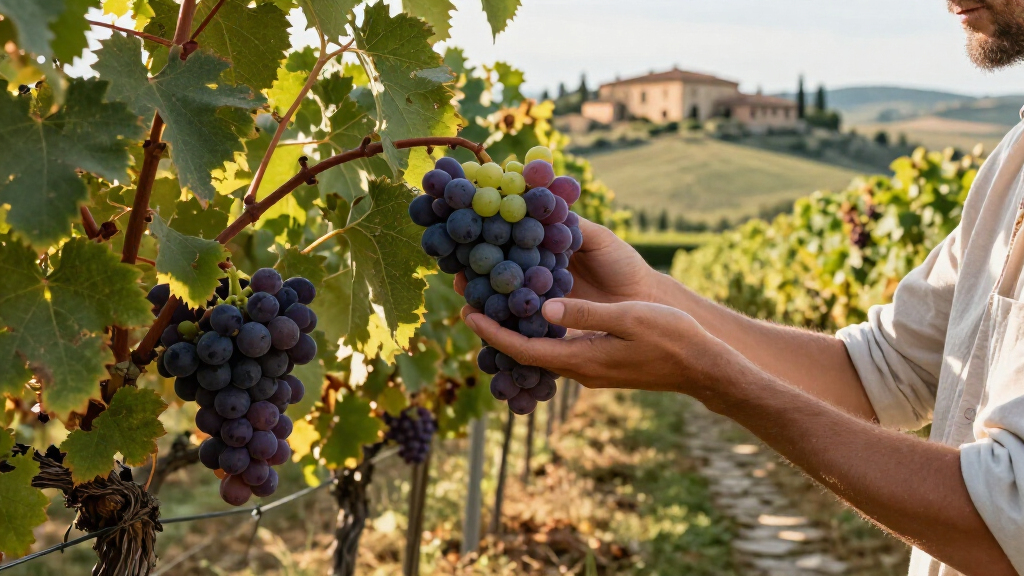
Smaller estates harvest by hand with crews of friends and seasonal workers — shears, crates, stained hands. Ask specifically whether the estate picks by hand if you want the postcard version.
Larger Properties
Bigger producers run machine harvesters at night, when cool temperatures protect the fruit. Efficient, impressive to watch from a distance — but less romantic than the hand crews.
Four Villages That Earn Their Stop
A weekend in Chianti works best as a loop along the Chiantigiana (SR222), the old road linking Florence to Siena through the hills. A realistic pace is two villages per day plus one winery visit — the narrow, curving roads with tractors around blind corners deserve respect.
Greve in Chianti
The region’s market town. Its unusual triangular piazza hosts the Saturday morning market, and Antica Macelleria Falorni has hung its cured meats and Chianina cuts in the same spot since 1729 — part shop, part museum, the best place to understand what goes into a proper Fiorentina.
Panzano
Ten minutes from Greve, ideal for lunch or a winery stop — and home to Dario Cecchini’s Solociccia and Officina della Bistecca, the famous steak pilgrimage spots. Book months ahead for weekends.
Radda in Chianti
A walled medieval village of stone lanes that stays remarkably quiet even in harvest season. Slow mornings, artisan shops, and a real sense of the historic Classico zone between Florence and Siena.
Castellina
Its Via delle Volte is a covered medieval street with arched windows opening onto the valley — the place for a sunset walk with a glass. Trattorias here serve serious Fiorentina without the Cecchini waitlist.
What to Book and How
Most Chianti wineries require reservations for tastings — a few days to a few weeks ahead — and during harvest the good ones fill fast. Harvest weekends reward planners and punish improvisers.
Book Direct
Email or call the estate — small producers often keep slots for people who write, and they’ll walk you through the cellar mid-fermentation.
Ask the Question
“Are you harvesting that week?” If yes, some estates let you watch the sorting table or taste grapes off the vine.
Mix It Up
Choose one larger estate + one small family producer. The contrast teaches you more than two of either.
Plan the Drive
Never taste and drive. Hire a driver, join a small-group tour, or bring a designated non-taster.
Know Your Labels at the Tasting Counter
The tiers matter — and look for the Gallo Nero (black rooster) seal on the neck of the bottle: the mark of the Classico zone.
| Tier | Minimum Aging | Grape Source | What It Means |
|---|---|---|---|
| Chianti Classico | Base DOCG aging | Zone blend, ≥80% Sangiovese | The benchmark — bright cherry, acidity, earth. Where every tasting starts. |
| Riserva | 24 months | Zone blend | Deeper structure and spice; the estate’s more serious voice. |
| Gran Selezione | 30 months | Single estate’s own grapes only | Added in 2014 — the top of the pyramid, and priced accordingly. |
What It Is, Where to Eat It, How to Order It
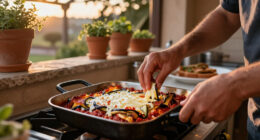
A thick-cut T-bone from Chianina cattle — one of the oldest and largest breeds in the world, raised in the Val di Chiana south of Arezzo. A real Fiorentina is cut three fingers thick (4–5 cm), weighed raw, priced per etto, and cooked rare over oak or olive embers. Bone-in, it’s two steaks in one: tenderloin on one side, strip loin on the other.
Ordering Etiquette — Simple but Firm
Don’t ask for it well done. A Fiorentina cooked past rare is considered a ruined steak, and many cooks will refuse. Order by weight (per 100 g), expect to share — one kilo feeds two — and let the ember grill do its work.
Where to Eat It
Dario Cecchini’s Solociccia and Officina della Bistecca in Panzano are the pilgrimage spots — book months ahead for weekends. In Castellina and Radda, family trattorias serve equally serious Chianina without the waitlist.
The Planner’s Checklist
Five decisions that make or break a harvest weekend.
- DatesTarget the last two weeks of September — that’s when hand-picking crews and open cellar doors are most likely in the Chianti Classico zone.
- BookingsReserve winery tastings 2–4 weeks out, directly with estates. Two visits per day (10:30 and 15:00) is the realistic maximum, with a real lunch between.
- BaseStay at an agriturismo inside a vineyard (90–250 € per night in September), anchored in Greve, Radda, or Castellina.
- DriveArrange a private driver or designated non-taster for at least one day. The SR222 rewards relaxed eyes, not rushed ones.
- FestivalsCheck the Chianti Classico wine festival in Greve — dozens of producers pouring in the triangular piazza each September.
When the Harvest Actually Happens (And Why Timing Changes Everything)
The Chianti grape harvest runs roughly from mid-September to early October, though the exact dates shift every year with the weather. Sangiovese — the red grape behind every bottle of Chianti Classico — ripens later than most varieties, so the last two weeks of September are usually the sweet spot for seeing picking crews in the rows.
Timing matters more than you’d think. Arrive in early September and the vines are heavy but the cellars are quiet. Arrive mid-October and you’ve missed the action — though you’ll catch fall colors and thinner crowds as compensation. The last week of September is when you can watch grapes come in, smell the fermenting must, and sometimes catch a winemaker mid-crush who will happily show you a tank.
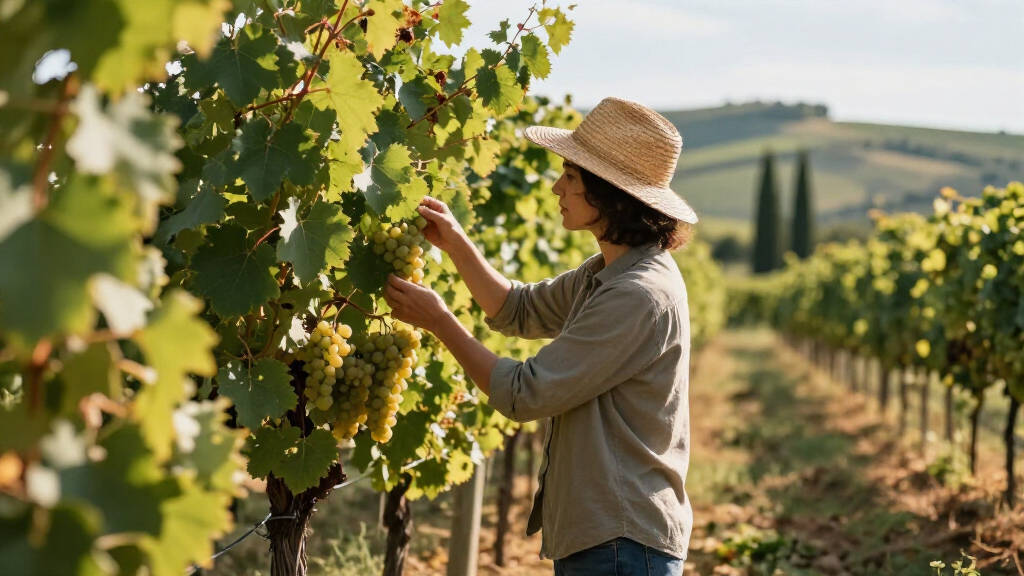
One quirk worth knowing: smaller family estates harvest by hand with crews of friends and seasonal workers, while larger properties run machine harvesters at night, when cool temperatures protect the fruit. If you want the postcard version — shears, crates, stained hands — ask specifically whether the estate picks by hand.
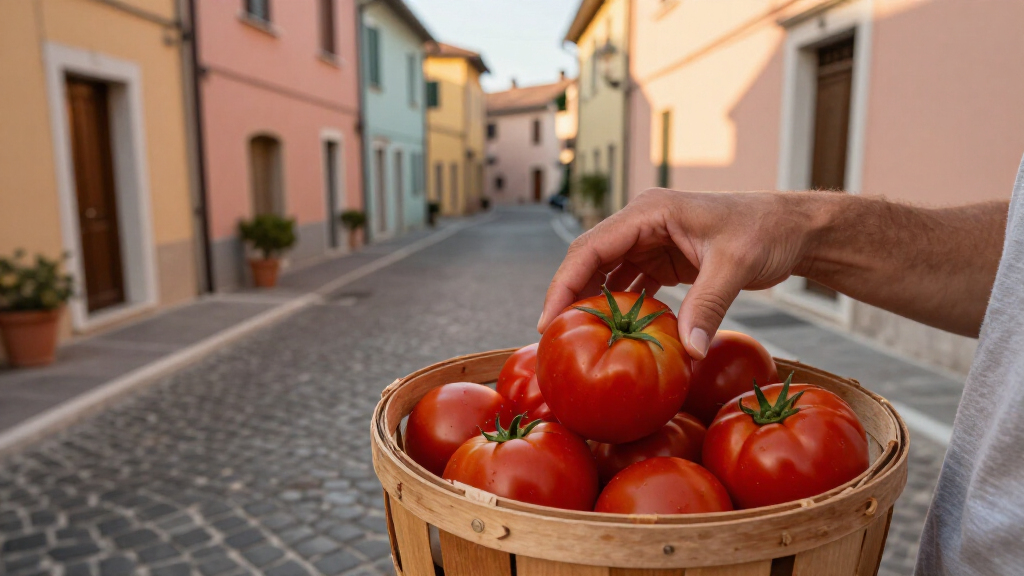
Harvest also collides with festival season. The Chianti Classico wine festival in Greve, held each September, pours dozens of producers in the town’s triangular piazza. Combine that with the vendemmia itself and you get the region at its most alive.
As an affiliate, we earn on qualifying purchases.
Your Two-Day Itinerary: Villages That Earn Their Stop
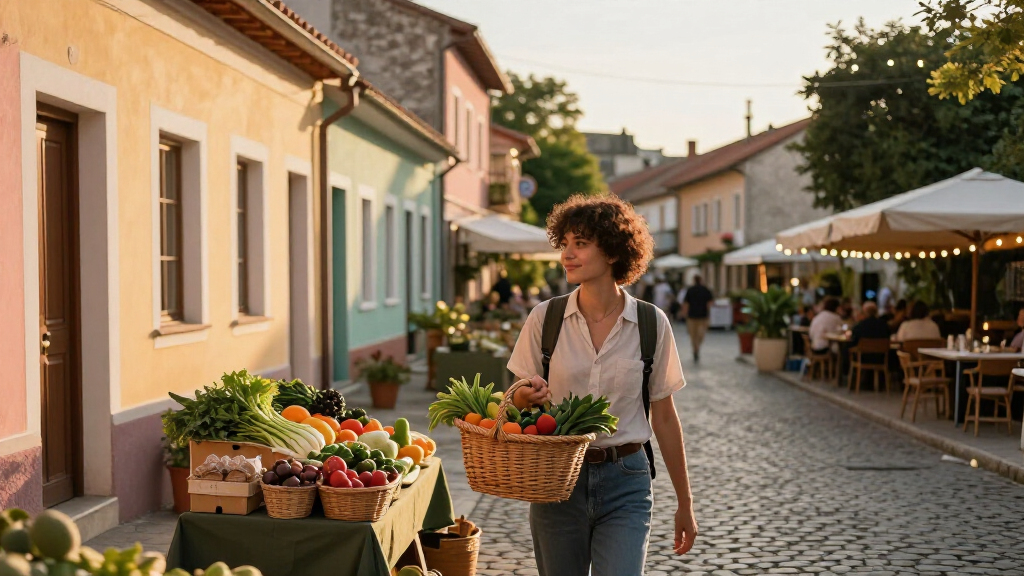
A weekend in Chianti works best as a loop along the Chiantigiana (SR222), the old road linking Florence to Siena through the hills. Four villages anchor it: Greve in Chianti, Panzano, Radda in Chianti, and Castellina. Each one gives you something the others don’t.
Start Saturday in Greve, the region’s market town. Its unusual triangular piazza hosts the Saturday morning market, and the historic butcher shop Antica Macelleria Falorni has hung its cured meats and Chianina cuts in the same spot since 1729. It’s part shop, part museum, and the best place in Chianti to understand what goes into a proper Fiorentina.
From Greve, drive ten minutes to Panzano for lunch or a winery stop, then climb to Radda — a walled medieval village of stone lanes that stays remarkably quiet even in harvest season. End the day in Castellina, whose Via delle Volte is a covered medieval street with arched windows opening onto the valley. It’s the place for a sunset walk with a glass.
A realistic pace is two villages per day plus one winery visit. Trying for more turns the weekend into a driving slog, and the roads between villages — narrow, curving, tractors around blind corners — deserve respect.
Getting Into a Vineyard During Harvest: What to Book and How
Most Chianti wineries require reservations for tastings, usually a few days to a few weeks ahead, and during harvest the good ones fill fast. Vineyard tours and tastings typically run 20–50 euros per person for a guided walk plus three or four wines, with vertical tastings of Riserva and Gran Selezione costing more.
Here’s how to build your winery day:
- Book two visits per day, maximum. Morning slot around 10:30, afternoon around 3:00. Tastings run 90 minutes to two hours, and you’ll want a real lunch between them.
- Email or call the estate directly rather than only using booking platforms. Small producers often keep a few slots for people who write, and they’re the ones most likely to walk you through the cellar mid-fermentation.
- Ask one question when booking: are you harvesting that week? If yes, some estates will let you watch the sorting table or taste grapes off the vine.
- Choose one larger estate and one small family producer. The contrast teaches you more than two of either.
- Never taste and drive on the same stretch of road without a plan. Hire a driver, join a small-group tour, or alternate who tastes.
Know your labels before you go, because the tiers matter at the tasting counter. Chianti Classico is the base DOCG wine; Riserva spends at least 24 months aging; Gran Selezione — added in 2014 — must come from a single estate’s own grapes and age at least 30 months. Look for the Gallo Nero (black rooster) seal on the neck of the bottle: it’s the mark of the Classico zone between Florence and Siena, the historic heart of the region.
Bistecca alla Fiorentina: What It Is, Where to Eat It, How to Order It
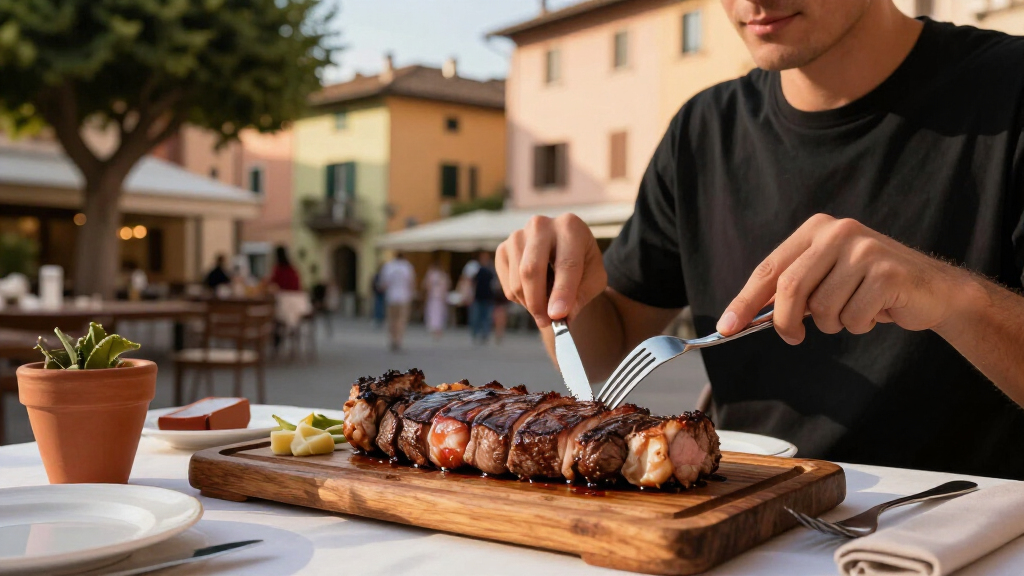
Bistecca alla Fiorentina is a thick-cut T-bone steak from Chianina cattle — one of the oldest and largest cattle breeds in the world, raised in the Val di Chiana south of Arezzo. A real Fiorentina is cut three fingers thick (about 4–5 cm), weighed raw, priced per etto (per 100 grams), and cooked rare over embers from hardwood, usually oak or olive wood. It always comes bone-in, and the tenderloin on one side of the bone and strip loin on the other make it two steaks in one.
Ordering etiquette is simple but firm. Don’t ask for it well done — a Fiorentina cooked past rare is considered a ruined steak, and many cooks will refuse. A one-kilo steak comfortably feeds two people, and most trattorias expect you to share. Price in harvest season typically runs 50–60 euros per kilo in the better places, so a shared steak plus sides and wine is a 100–120 euro dinner for two.
Where to eat it: Dario Cecchini’s Solociccia and Officina della Bistecca in Panzano are the famous pilgrimage spots — book far ahead, months ahead for weekends. In Castellina and Radda, family trattorias serve a quieter, no-less-serious version. If you’re staying at an agriturismo (farm stay) with a grill, some will sell you a cut directly — buy it, cook it over coals, salt it after.
Allergen note: the steak itself is just beef and salt, but sides often include bread (gluten) and cheeses (dairy) — tell the kitchen about allergies when ordering. And if you’re driving, one person takes the wine duty.
Where to Sleep and How to Get Around Without Stress
Base yourself in one place for the whole weekend rather than changing hotels — Chianti rewards slow mornings. Agriturismi, farmhouse stays on working wine and olive estates, run from around 90 to 250 euros a night for a double room in September, often with breakfast under the vines included. Many sit inside vineyards, which means the harvest is literally outside your window at 7 a.m.
Getting around: you need a car, or you need a driver. There is no train through the Chianti hills between Florence and Siena — the historic railway proposal was famously never built past planning. Rental from Florence or Siena works well; an automatic is worth requesting because you’ll be shifting constantly on the hills.
| Option | Best for | Tradeoff |
|---|---|---|
| Rental car (you drive) | Flexibility, low cost | No wine with lunch; narrow roads |
| Private driver | Full tasting freedom | 200–400 euros per day |
| Small-group wine tour | First-time visitors | Fixed schedule, less wandering |
| Agriturismo-based stay | Slow pace, on-site tastings | You still need transport for villages |
A smart hybrid: drive yourself to the villages for lunch, and book one afternoon tasting at your own agriturismo so nobody in the couple has to stay sober.
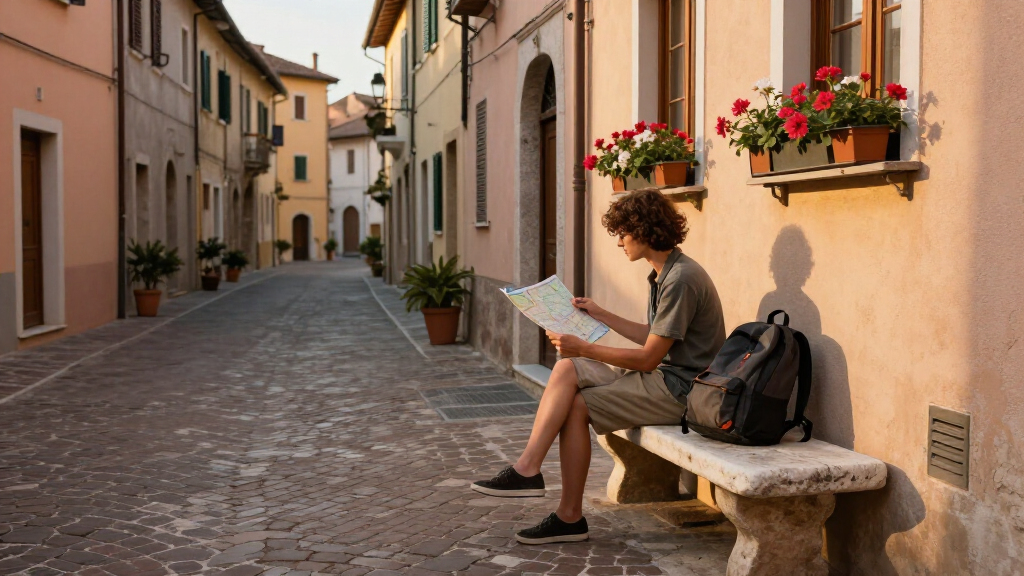
Book lodging and the Saturday steakhouse table 6–8 weeks before a September weekend. Harvest season rooms in Greve and Radda sell out earlier than you’d expect for a rural area.
Beyond Wine: Three Harvest-Season Extras Worth Your Time
Chianti in September and October is bigger than wine, and the best weekends mix in at least one non-wine experience. The olive harvest comes later, usually November, but the first new-season olio nuovo (fresh-pressed olive oil) starts appearing in late October — bright green, peppery, and gone by Christmas.
Three extras that pair well with a harvest weekend:
- Truffle hunting: several estates near Radda and Castellina offer guided hunts with dogs September through November, followed by a truffle lunch. Expect 80–150 euros per person.
- Tuscan cooking classes: pasta-making sessions, often held at agriturismi, run 2–3 hours and end with dinner. A good one teaches you pici — the hand-rolled thick spaghetti of southern Tuscany.
- Castles and back roads: the Castello di Brolio, near Gaiole, is where Baron Bettino Ricasoli formulated the modern Chianti blend in the 19th century. The castle’s vineyards and view explain the entire region in one glance.
If your weekend stretches to Monday, drive the southern edge toward Gaiole and the Monti del Chianti for the quietest roads and some of the oldest vineyard sites. This is where the region drops to a whisper.
For the writers and readers among you: keep a note going. Harvest weekends are dense with sensory detail — the exact color of Sangiovese skins, the sound of the sorting table — that makes great material for a travel journal or, honestly, for your blog.
Frequently Asked Questions
When is the best time to visit Chianti during harvest?
The Chianti grape harvest typically runs from mid-September to early October, with the last two weeks of September the most reliable window for seeing picking in progress. Exact dates shift each year with the weather, so check estate websites or email wineries a month ahead to confirm their harvest timing.
Can I actually participate in the grape harvest as a visitor?
Yes, but it takes advance work. Some small family estates and agriturismi let guests join picking for a morning, especially places where harvesting is done by hand. Ask directly when booking your stay or tasting — larger machine-harvested properties generally don’t allow it, and slots are limited to a few people per day.
Where can I eat authentic Bistecca alla Fiorentina in Chianti?
Panzano is the epicenter — Dario Cecchini’s Officina della Bistecca is the famous option, booked months ahead for weekends. Family trattorias in Castellina and Radda serve excellent versions with shorter waits. A true Fiorentina is Chianina beef, cut bone-in about 4–5 cm thick, priced per 100 grams, and served rare.
Do I need a car in Chianti, or can I take tours?
There’s no train through the Chianti hills, so you need either a rental car, a private driver (200–400 euros per day), or small-group wine tours from Florence or Siena. If you drive yourself, alternate who tastes or book a tasting at your agriturismo so nobody has to stay completely sober at every stop.
What’s the difference between Chianti Classico, Riserva, and Gran Selezione?
All three come from the Chianti Classico DOCG zone between Florence and Siena and must be at least 80% Sangiovese. Classico is the base wine; Riserva ages a minimum of 24 months; Gran Selezione, introduced in 2014, must come from the estate’s own grapes and age at least 30 months. Look for the black rooster (Gallo Nero) seal to confirm authenticity.
What should I pack for a harvest weekend in Chianti?
Layers — September days reach the mid-70s Fahrenheit while evenings drop into the 50s — plus closed-toe shoes with grip for vineyard walks on uneven, sometimes muddy ground. Bring a designated tote for wine bottles (they’re heavy in luggage), and reserve lodging 6–8 weeks ahead because harvest-season rooms sell out early.
Conclusion
If you take one thing from this: plan the harvest weekend around two booked winery visits, one shared Fiorentina, and one base. Everything else — the market in Greve, the covered street in Castellina, an unplanned glass as the sun drops behind the Sangiovese rows — fills itself in. Chianti in late September is generous that way, as long as you’ve reserved the table.
The vendemmia lasts about three weeks, then it’s over for a year. The grapes don’t wait, and honestly, neither should you.