
TL;DR

Get kitchen staples and gadgets delivered free with Prime
- Fast, free delivery on millions of items
- Prime Video, Amazon Music and more included
- Member-only deals all year
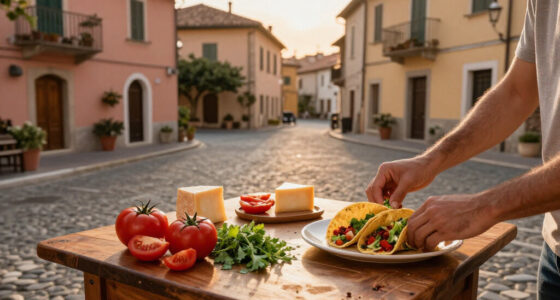
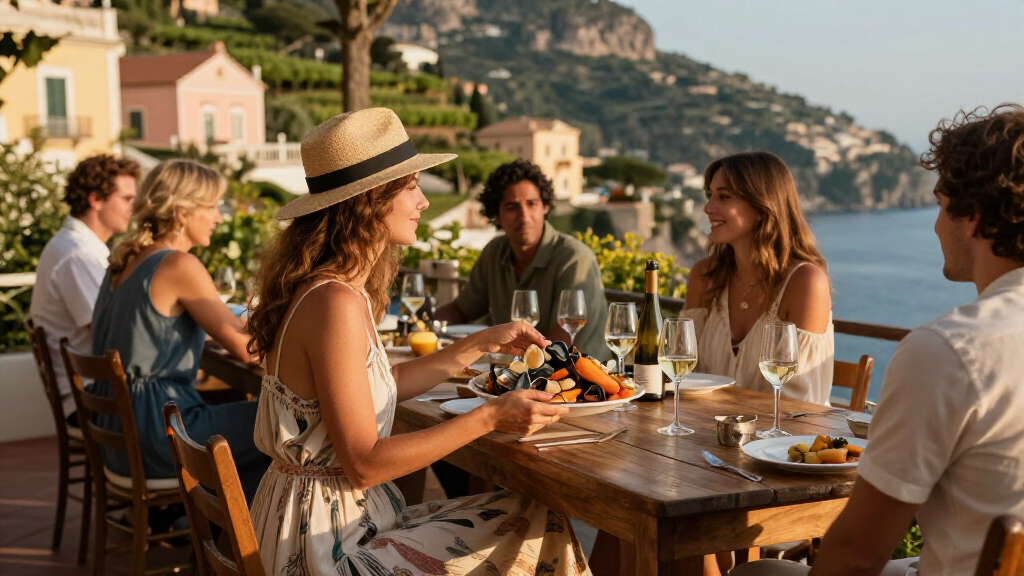
September is one of the Amalfi Coast’s best food months, with late-summer vegetables, figs, grapes, warm evenings, and most restaurants still operating. For a more local meal, eat after the main ferries leave and choose places such as Cetara, Minori, Tramonti, Agerola, Maiori, or Atrani instead of relying only on famous waterfront terraces.
September does not empty the Amalfi Coast; it changes its rhythm. At noon, ferry docks still hum, linen shirts fill the terraces, and restaurant hosts turn away guests without bookings, especially in Positano. After the last large boats pull away, however, the volume drops and a more local evening begins.
You can taste that change if you move beyond the principal viewpoint. Cetara smells of frying anchovies, Minori displays lemon pastries behind polished glass, and Tramonti trades salt air for wood smoke, vineyards, and mountain cheese. The most memorable dinner may arrive on a plain ceramic plate in a hillside trattoria with no sea view at all.
This guide shows you where residents tend to eat, what September puts on the plate, and how to handle reservations, fish prices, cover charges, allergies, and late transport. You will also build a practical food itinerary that includes a fishing village, a pastry town, and an inland farming community. That contrast reveals far more about Campania than another sunset table beside a ferry landing.
Plan dinner for 8 p.m. or later, after major ferry departures, but reserve because September remains busy in Positano, Amalfi, Ravello, and Capri.
Pair a coastal food town such as Cetara with an inland community such as Tramonti or Agerola to taste both fishing and mountain agriculture.
Ask what fish arrived that day and confirm the approximate total whenever seafood is priced by weight.
Build variety into the trip with an alimentari lunch, a pizzeria, a pastry stop, a seafood meal, and one countryside trattoria.
Verify opening days, return transport, shuttle arrangements, and allergy procedures shortly before each meal.
Where Locals Eat After the Crowds Leave
September does not empty the Amalfi Coast; it changes its rhythm. Eat after the main ferries depart, move beyond the famous waterfront terraces, and follow the food from Cetara’s anchovies to Tramonti’s vineyards. The best strategy combines later timing with a change of geography.
Choose the right town for the meal
The coast’s food culture changes quickly with elevation and distance. Pair one fishing village with one inland farming community to taste both sides of Campania’s pantry.
Cetara
Seek: colatura di alici, fried anchovies, tuna and simple seafood. Best for a focused dinner after exploring the eastern coast.
Minori
Seek: ’ndunderi, fresh pasta, lemon pastry and espresso. Its stronger year-round life makes lunch feel less resort-driven.
Tramonti
Seek: rural pizza, salumi, dairy and Costa d’Amalfi DOC wines. Arrange transport for a slow countryside dinner.
Agerola
Seek: fior di latte, Provolone del Monaco DOP, bread and hearty pasta before or after the Path of the Gods.
Maiori & Atrani
Seek: casual pizza, seafood, neighborhood bars and home-style cooking after daytime visitors disperse.
Praiano & the Hills
Seek: seafood or hillside cooking in Praiano, Montepertuso or Nocelle. Quieter does not mean reservation-free.
Summer brightness meets the first harvest
Late vegetables remain abundant while figs, grapes and early wine work begin. Seafood varies with weather and landings, so the daily catch matters more than a fixed promise.
Reading the chart: relative seasonal likelihood, not guaranteed availability. Heat, rain, sea conditions and altitude write the final menu.
Fish follows the weather
Look for anchovies, tuna, squid, octopus, clams, mussels and whole fish when supply allows. “Fresh” does not automatically mean locally caught.
Late summer still tastes vivid
Tomatoes, eggplant, peppers, zucchini and herbs keep lunch bright; figs and grapes add a deeper note by evening.
Sfusato Amalfitano
The fragrant lemon appears in savory dishes, pastry cream, preserves and dressings—not only in limoncello.
A menu that tastes like the whole coast
Build variety instead of repeating formal seafood dinners. The strongest itinerary moves through everyday lunch, coastal cooking, pastry, pizza and mountain agriculture.
| Dish or product | Why it matters | Best setting | September fit |
|---|---|---|---|
| Colatura di alici | Cetara’s fermented anchovy seasoning, used sparingly for intense savoriness. | Cetara seafood meal | ✓Signature choice |
| Scialatielli ai frutti di mare | Thick fresh pasta carries shellfish sauces without losing its texture. | Coastal trattoria | ~Catch dependent |
| ’Ndunderi di Minori | Ricotta dumplings often described as an ancient predecessor of gnocchi. | Minori lunch | ✓Year-round staple |
| Pizza di Tramonti | A rural tradition shaped by breadmaking, local dairy and generations of traveling pizzaioli. | Inland evening | ✓Ideal after dusk |
| Parmigiana di melanzane | Layered eggplant, tomato, cheese and basil capture late-summer abundance. | Alimentari or trattoria | ✓Peak-season flavors |
| Spaghetti alla Nerano | Fried zucchini, cheese and basil; originally associated with Nerano on the Sorrento Peninsula. | Pasta-focused restaurant | ✓Late zucchini season |
| Delizia al limone | Soft sponge cake filled and covered with fragrant lemon cream. | Minori pastry stop | ✓Essential finish |
| Whole fish by weight | Excellent when transparent, but the menu price may be per 100 grams rather than per fish. | Seafood restaurant | ✗Never order blindly |
✓ strong fit ~ availability varies ✗ confirm details before ordering
Follow the coast from pantry to vineyard
This chain creates contrast without making every meal an event. It connects daily life, fishing, pastry craft and inland agriculture.
Alimentari lunch
Choose bread, cheese, vegetables and salumi for a simple midday meal.
Cetara dinner
Ask what arrived today, then try anchovies, tuna or seasonal fish.
Minori pastry
Pause for delizia al limone, historic pastry and espresso.
Village pizza
Make room for an informal pizzeria away from the primary viewpoint.
Tramonti table
Finish with dairy, cured meats, vineyard wine and arranged transport home.
Confirm whether the amount is per portion, per fish or per 100 grams.
Check the listed coperto before assuming bread and table service are free.
Explain the allergy clearly and verify kitchen procedures before ordering.
Confirm the last bus, taxi, private transfer or restaurant shuttle in advance.
Five signs a restaurant serves regulars
A panoramic terrace can serve excellent food, but the view alone reveals nothing about repeat business. Look for a kitchen with a clear, practical identity.
Focused menu
A few pastas, seasonal vegetables and fish that changes with the catch.
Specific origin
Names such as alici di Cetara, Costa d’Amalfi DOC or Limone Costa d’Amalfi IGP.
Family tables
Grandparents, children and shared plates suggest reliable food at repeatable prices.
Daily lunch
A chalkboard pasta, vegetable side or fried fish plate that also serves local workers.
Practical address
Side streets, residential squares and inland roads depend less on passing foot traffic.
5 Signs You Have Found a Restaurant Built for Regulars
Food and Dining on the Amalfi Coast in September feels more local when you choose a short seasonal menu, regional wine, repeat-customer prices, and a dining room away from the main ferry landing. A panoramic terrace can serve excellent cooking, but the view alone says nothing about where residents return on an ordinary Tuesday.
- A focused menu: Look for a few pasta dishes, the day’s vegetables, and fish that changes with the catch rather than six pages of crowd-pleasers.
- Specific local language: A menu naming alici di Cetara, Limone Costa d’Amalfi IGP, or a Costa d’Amalfi DOC subzone tells you more than vague claims about local ingredients.
- Italian family tables: Grandparents, children, and shared platters often signal a place serving reliable food at repeatable prices.
- Everyday lunch options: A chalkboard pasta, vegetable side, or simple fried fish plate often serves workers as well as travelers.
- A practical location: Side streets, residential squares, and inland roads usually depend less on passing foot traffic.
Imagine two menus in Amalfi. One displays photographs of carbonara, lasagna, pizza, steak, and lobster; the other lists scialatielli with clams, grilled local vegetables, and one fish priced by weight. The second menu is not automatically better, but its narrow focus works like a kitchen’s fingerprint: it shows what the cooks buy and prepare repeatedly.
Ask one calm question: Che cosa è arrivato oggi?, meaning what arrived today. If the server names a fish, producer, or nearby farm, follow with the price and preparation. According to madtasting.com [1], residents favor straightforward regional cooking and reliable value, not necessarily the most photographed room on the coast.

A local restaurant is defined by repeat business, not by rustic décor, handwritten fonts, or claims that a recipe belongs to someone’s grandmother.
Amalfi Coast seafood restaurant guide
As an affiliate, we earn on qualifying purchases.
As an affiliate, we earn on qualifying purchases.
What September Gives You That August and October Cannot
Food and Dining on the Amalfi Coast in September combines the last glow of summer with the first signs of harvest. Summer produce is still abundant, while fresh figs, grapes, and early wine work begin to appear, creating menus that feel bright at lunch and deeper, sweeter, and earthier by evening.
A plate of parmigiana di melanzane may still carry the perfume of ripe tomato and basil. At a hillside table, those flavors can sit beside purple figs split like velvet purses and a glass from the Tramonti subzone of Costa d’Amalfi DOC. September is one of the rare months when both meals make seasonal sense.
Look for late tomatoes, eggplant, peppers, zucchini, herbs, figs, and grapes. You will also see the long, fragrant Sfusato Amalfitano lemon, the local cultivar covered by the Limone Costa d’Amalfi IGP designation. The fruit belongs in savory dishes, pastry cream, preserves, and salad dressing as naturally as it belongs in limoncello.
Seafood depends on weather and landings. Anchovies and tuna connect closely with Cetara, while squid, octopus, clams, mussels, and whole fish appear when supply allows. Fresh does not automatically mean locally caught, so ask what came in that day and whether whole fish is priced per portion or per 100 grams.
Later in autumn, chestnuts and mushrooms gain more space in the Lattari Mountains. In early September, a restaurant may still lean toward zucchini and chilled seafood; by the final week, a cool Tramonti evening may bring roasted vegetables, cured meats, and richer sauces. The calendar is a guide, while heat, rain, and rough seas write the final menu [1].
Choose the Right Town for the Meal You Actually Want
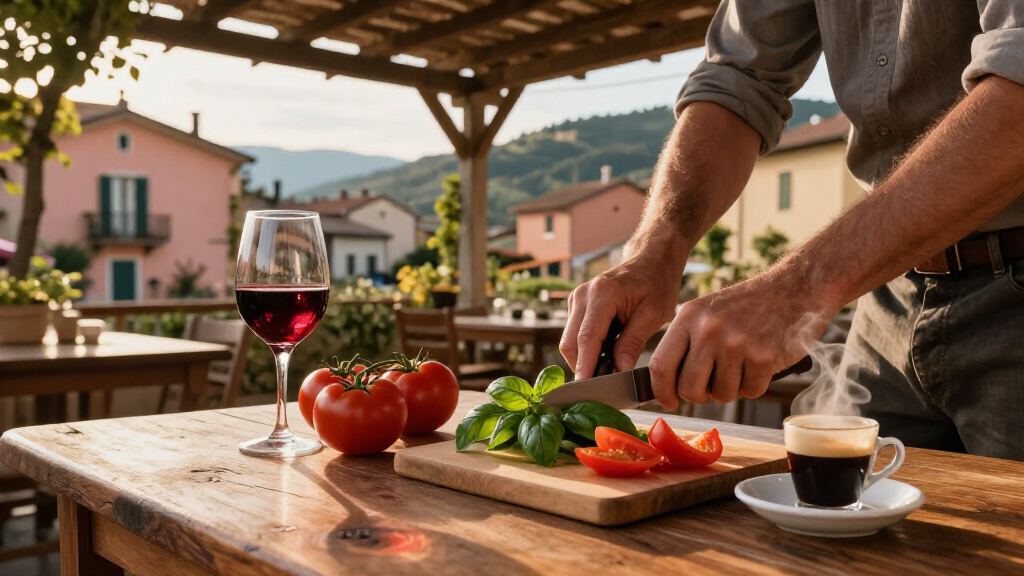
Food and Dining on the Amalfi Coast in September becomes easier when you match each town to its food culture. Choose Cetara for anchovies, Minori for pasta and pastry, Tramonti or Agerola for farm cooking, and Maiori or Atrani for an evening with more everyday town life.
| Place | What to seek | Best scenario |
|---|---|---|
| Cetara | Colatura di alici, fried anchovies, tuna, simple seafood | Dinner after a day on the eastern coast |
| Minori | ’Ndunderi, fresh pasta, lemon pastry | Lunch followed by a pastry and espresso |
| Tramonti | Rural pizza, salumi, dairy, vineyard wines | A slow countryside dinner with arranged transport |
| Agerola | Fior di latte, Provolone del Monaco DOP, bread, hearty pasta | A meal before or after hiking the Path of the Gods |
| Maiori or Atrani | Casual pizza, seafood, bars, home-style cooking | A lower-key evening away from luxury dining |
| Praiano, Montepertuso, or Nocelle | Seafood or hillside cooking near Positano | A quieter base without traveling across the coast |
Suppose you are staying in Positano and want dinner without another formal terrace. You might travel uphill to Montepertuso or Nocelle, where darkness settles over the cliffs and the air cools faster. Popular hillside rooms still fill, so quieter does not mean reservation-free.
For a sharper contrast, pair Cetara with Tramonti. At lunch, Cetara gives you silver anchovies, salty sea air, and colatura used drop by drop; at dinner, Tramonti brings pizza, cured pork, dairy, and heritage grapes. The two meals fit together like the coast’s front and back cover.
Minori and Maiori also work well if you want fewer logistical knots. They have stronger year-round town life than resort-focused Positano, with bars, bakeries, pizzerias, and restaurants serving residents outside the holiday rush. In tiny Atrani, even a simple square feels more residential after daytime visitors leave.
Build a Five-Stop Menu That Tastes Like the Whole Coast
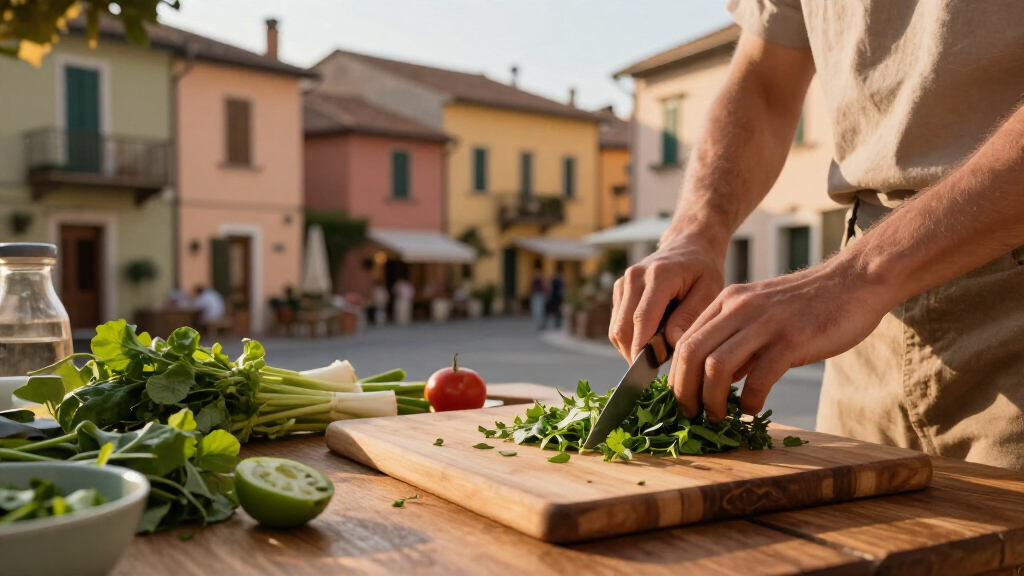
You can understand the coast’s food culture through five carefully chosen stops: an alimentari lunch, a seafood dinner, a pastry break, a rural pizza, and an inland cheese or wine meal. This mix gives you more regional range than booking every dinner at a luxury hotel or famous sea-view restaurant.
- Start with an alimentari lunch. Buy bread, tomatoes, olives, salumi, and fior di latte from a grocery or deli. A bench lunch in Maiori can taste like September itself: warm bread, milky cheese, and tomato juice running over your fingers.
- Eat anchovies in Cetara. Try them marinated, fried, salted, or tossed with pasta. Order spaghetti dressed with colatura di alici, the intensely savory liquid produced from salted anchovies, but expect teaspoons rather than a heavy sauce.
- Stop for a regional pastry. Choose delizia al limone, a soft cake filled and coated with lemon cream, or seek sfogliatella Santa Rosa, the historic pastry associated with Conca dei Marini.
- Book pizza in Tramonti. Its rural tradition grew from local breadmaking and dairy culture before Tramonti pizzaioli carried their craft across Italy. The result may feel less polished than a designer dining room and far more connected to the surrounding hills.
- Finish with mountain products. In Agerola, try Provolone del Monaco DOP, fior di latte, local bread, salumi, or a hearty pasta after the Path of the Gods.
Add signature dishes where they fit. Spaghetti alla Nerano, born around Nerano on the Sorrento Peninsula, combines fried zucchini, cheese, and basil. Scialatielli ai frutti di mare pairs thick, short pasta with shellfish, while totani e patate joins squid and potatoes in the kind of practical home cooking that fed coastal families.
Watch for allergens as you order. Shellfish, mollusks, fish, milk, wheat, eggs, and nuts appear frequently, and colatura contains fish even when used invisibly in a dressing. If you have a serious allergy, state it clearly in Italian, ask about shared fryers, and carry your prescribed medication; lemon juice does not make raw seafood safe.
Eat After the Ferries Leave Without Getting Stranded
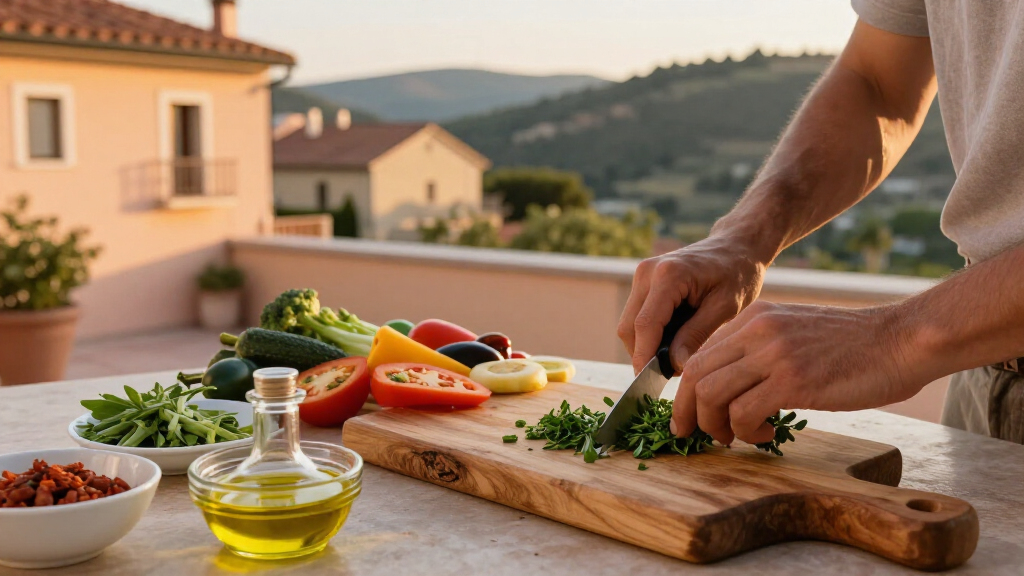
The best chance of a calmer September dinner comes after the main day-trippers depart, usually by choosing a reservation around 8 p.m. or later and checking your return route before sitting down. Timing softens the crowds, but transport planning keeps a relaxed meal from ending beside an empty bus stop.
Lunch commonly runs from about 12:30 to 3 p.m., and many kitchens close between services. Dinner often begins around 7:30 or 8 p.m., with residents arriving later. A traveler searching for a full meal at 5 p.m. may find only a bar serving coffee, aperitivi, sandwiches, and pastries.
A more local experience emerges in the hour after ferry passengers leave Amalfi or Positano. The quay grows quieter, waiters reset tables, and families begin their evening walk. Yet September remains high season, particularly during warm weekends, weddings, and international travel periods, so walking in anywhere remains a gamble [1].
Reserve sought-after restaurants several days ahead. Sunset terraces and celebrated tasting menus may need far more notice, while a small trattoria may accept bookings by telephone or WhatsApp. For Sunday lunch, book early because extended families often gather over several courses and occupy larger tables.
If you choose Tramonti, Agerola, Nocelle, or Montepertuso, ask whether the restaurant provides a shuttle and confirm the pickup point, departure time, and price. Some do; others do not. Rough seas can cancel ferries, so keep a bus or taxi fallback and avoid building dinner around the final boat of the day.
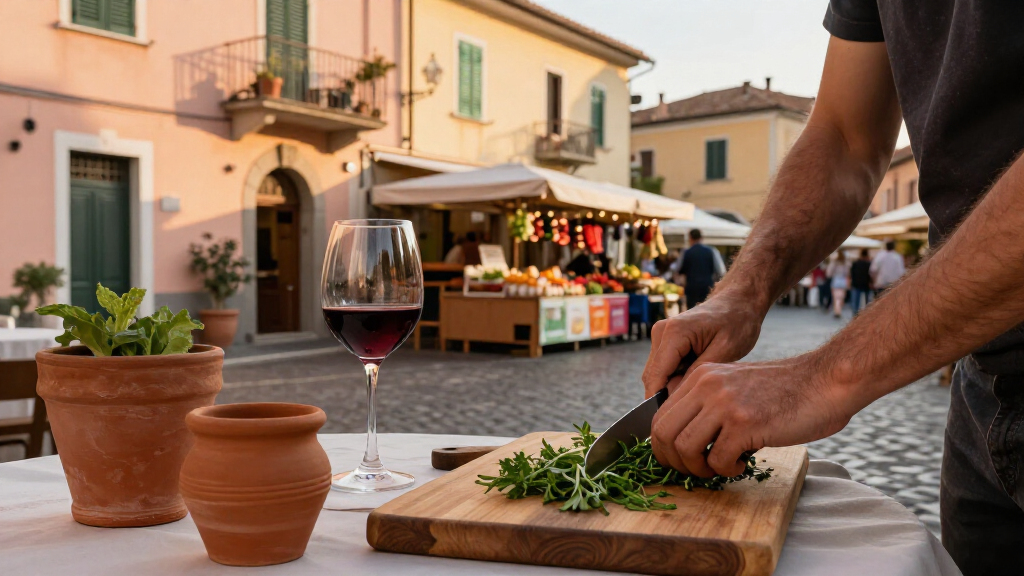
Your quietest table may be uphill, but only if you know how you are getting back down.
Avoid Bill Shock, Food-Safety Problems, and Tourist Traps
You can avoid most dining problems by confirming fish prices, cover charges, allergens, payment methods, and transport before ordering. These quick checks matter more than decoding every restaurant label, because a trattoria can be expensive and a formal ristorante can still offer fair, regionally grounded cooking.
A coperto is a stated per-person cover charge and is normal in Italy. Bread may fall under that charge or appear separately. Tipping remains optional; rounding up or leaving roughly 5 to 10 percent for especially good service is common, but you do not need to copy American tipping percentages.
Whole fish often carries a price by weight. If a server presents a gleaming fish on ice, ask its weight and the approximate total before agreeing. That 100-gram figure can look modest until a fish large enough for two lands on the scale like a silver invoice with fins.
Carry some cash even when you plan to pay by card. Small businesses may accept cards but struggle with weak connections, especially in hillside communities. When buying colatura, preserves, pasta, wine, or limoncello, choose labeled products that name the producer and origin rather than decorative bottles with vague coastal branding.
For takeaway cheese, salumi, cooked seafood, or leftovers, refrigerate them at 40°F or 4°C or colder and do not leave perishable food unrefrigerated for more than two hours, or one hour in intense heat. Marinated anchovies require proper parasite controls; acid changes flavor and texture but does not replace regulated freezing or cooking.
Wine from the Furore, Ravello, and Tramonti subzones of Costa d’Amalfi DOC can make a thoughtful regional pairing. If you drink, do so as an adult, drink responsibly, and arrange transport on steep, narrow roads. Espresso is the customary after-meal choice, though no rule forbids a cappuccino.
Make Your Meals Better for the Towns Hosting You
Your dining choices support the coast more directly when you stay longer, eat at locally owned businesses, use regional products, and visit inland communities. One lunch in a fishing town and one dinner in a farming village spread your spending while giving you a fuller account of Campania’s food.
Tourism has moved inland toward Tramonti, Agerola, Scala, and other elevated settlements, where vineyards, dairies, farms, and hiking routes shape daily life. A farm lunch can be worthwhile when the host names the garden, cheese maker, grape, or animal behind the plate. Specific sourcing beats soft storytelling every time.
Imagine staying three nights instead of arriving on a morning ferry and leaving before dinner. You can buy breakfast at a bar, visit Cetara when its lanes are calmer, and reserve a Tramonti table without racing the final connection. The trip changes from a checklist into a slow meal, with room to notice bread crust, vineyard walls, and the smell of wood smoke.
Public transport, shared shuttles, and walking can reduce pressure from traffic and parking, though they require current timetable checks. Inland restaurants are not always reachable without a car, and driving after wine is a poor plan. Ask your lodging or restaurant for the safest realistic route, not merely the shortest one.
Opening days, ownership, menus, and shuttle services change. Check details shortly before travel, especially in late September when weekly closures may shift. The smartest itinerary leaves one flexible meal for weather, a newly discovered alimentari, or the restaurant your host mentions over morning coffee.
Frequently Asked Questions
Is the Amalfi Coast still crowded in September?
Yes. September remains high season, particularly in Positano, Amalfi, Ravello, and Capri, with warm weather, weddings, and strong international demand. Late September can feel calmer than early September, but empty streets and instant restaurant tables are not realistic expectations.
What time do locals eat dinner on the Amalfi Coast?
Dinner service often begins around 7:30 or 8 p.m., while many residents arrive later. Booking after the main ferries depart can create a calmer atmosphere, but popular restaurants still require reservations.
Which towns offer authentic food at more approachable prices?
Cetara, Minori, Maiori, Atrani, Tramonti, and Agerola offer useful alternatives to luxury-focused resort dining. Prices still vary, but everyday bars, pizzerias, trattorias, and inland restaurants give you more choices beyond premium sea-view tables.
Where should you try colatura di alici?
Try colatura di alici in Cetara, the fishing town most closely connected with this fermented anchovy seasoning. It tastes intensely savory and salty, so cooks use it sparingly in pasta, vegetables, or dressings; anyone with a fish allergy must avoid it.
How far ahead should you reserve September restaurants?
Reserve regular sought-after restaurants several days ahead, particularly for Friday, Saturday, and Sunday. Famous sunset terraces, fine-dining rooms, and restaurants with limited shuttle capacity may need weeks of notice.
Is fish on an Amalfi Coast menu always locally caught?
No. Fresh fish is not automatically local fish, and weather or rough seas can change daily availability. Ask what was landed that day, where it came from, and whether the menu price applies per serving or by weight.
Can restaurants accommodate food allergies or vegetarian diets?
Many restaurants can prepare vegetable pasta, grilled produce, salads, or simple cheese-based dishes, but options vary in small kitchens. State serious allergies clearly and ask about shared fryers, pasta water, stocks, and hidden fish ingredients; common concerns include wheat, milk, eggs, fish, mollusks, shellfish, and nuts.
Conclusion
Change both the hour and the map. Reserve one dinner after the ferries leave, then plan one meal in Cetara or another fishing town and one in Tramonti, Agerola, or Scala. Check current opening hours and transport before you go, because September stays lively even when summer begins to loosen its grip.
What should you remember? The Amalfi Coast is not only a ribbon of terraces above the sea. It also climbs into lemon gardens, dairy country, vineyards, bakeries, and family dining rooms. Follow that road uphill, and your final taste of the evening may be wood smoke, sharp mountain cheese, and a dark bunch of harvest grapes.
Halloween Picks
halloween
As an affiliate, we earn on qualifying purchases.