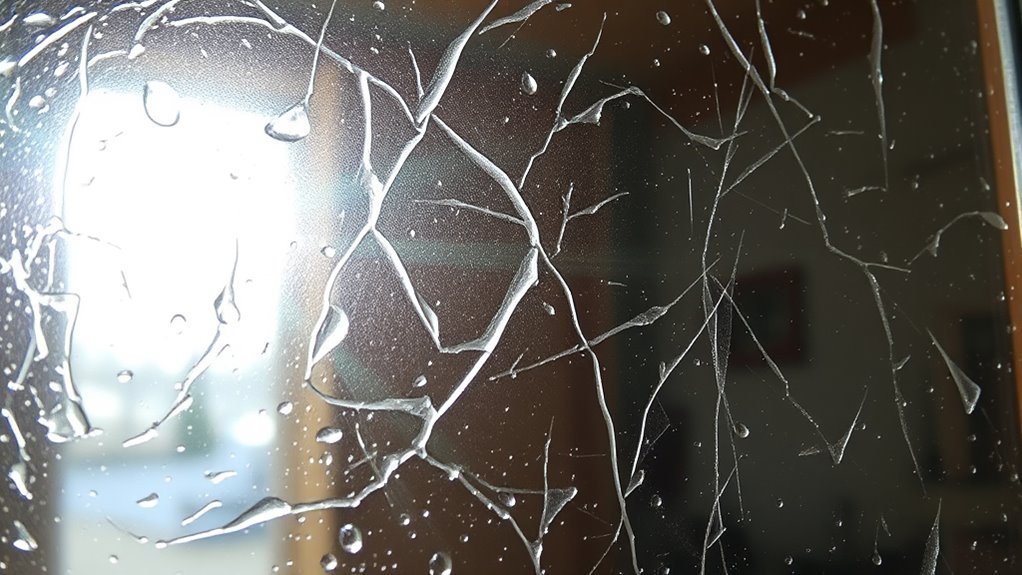
Window condensation happens when warm, moist air inside your home touches cooler glass surfaces, forming water droplets. This is often caused by high indoor humidity, poor window insulation, or temperature differences. To fix it, you can improve insulation, upgrade to energy-efficient windows with low-E coatings, and control indoor humidity with vents or dehumidifiers. If you want to discover more effective solutions and ways to prevent this issue, stay with us to learn the key details.
Key Takeaways
- Condensation occurs when warm, moist indoor air contacts cooler window surfaces, especially during cold weather or high humidity.
- Poorly insulated windows allow rapid cooling of glass, increasing the likelihood of moisture buildup.
- Upgrading to energy-efficient, double or triple-pane windows with low-E coatings helps keep glass surfaces warmer and reduces condensation.
- Proper installation, sealing leaks, and adding weatherstripping improve insulation and minimize moisture formation.
- Managing indoor humidity with dehumidifiers and ventilation controls prevents excess moisture that causes window condensation.
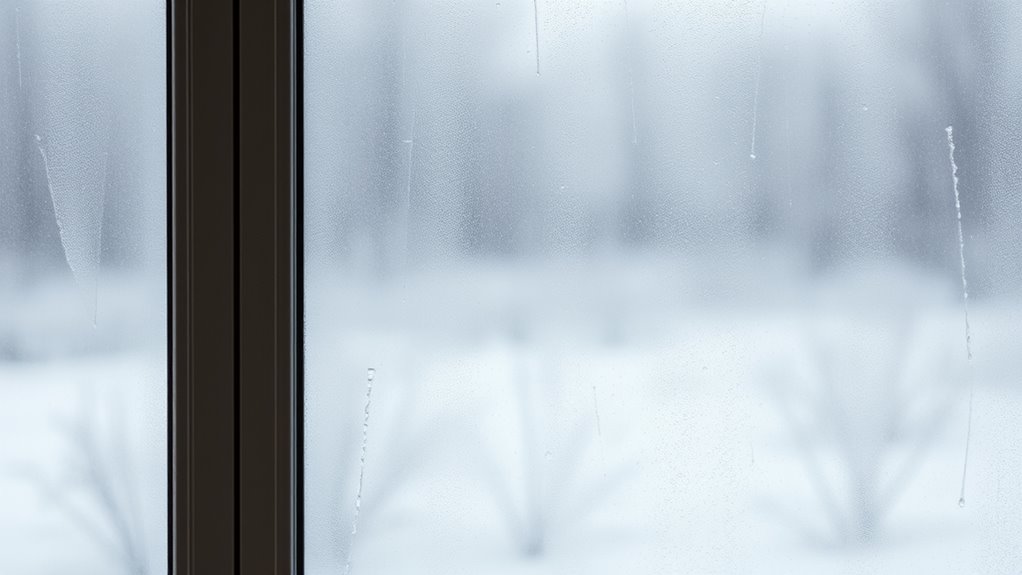
Have you ever noticed water droplets forming on your windows and wondered what causes it? That phenomenon is called condensation, and it happens when warm, moist air comes into contact with a cooler surface. Your windows are prime spots for this, especially during colder months or in humid environments. Understanding why this occurs can help you address it effectively. One key factor is the energy efficiency of your windows, which directly impacts how much heat passes through the glass. Windows with poor energy efficiency tend to have lower insulation qualities, causing the glass to cool more rapidly and increasing the likelihood of condensation. Upgrading to energy-efficient windows can markedly reduce this problem because they are designed with better insulative materials and coatings that keep indoor surfaces warmer. When you choose window materials that improve energy efficiency, you create a barrier against heat transfer. Double or triple-pane windows, for example, contain inert gas fills like argon or krypton between panes, providing better insulation than single-pane options. Additionally, low-emissivity (low-E) coatings reflect heat back into your home rather than allowing it to escape, further maintaining warmer interior surface temperatures. This means that the inner surface of your window stays warmer, reducing the temperature difference between indoor air and the glass, and consequently minimizing condensation.
Your choice of window materials also plays an essential role in managing condensation. Vinyl, fiberglass, and composite frames tend to have better insulating properties compared to aluminum, which conducts heat away rapidly and makes the glass surface cooler. When your window frame material is a poor insulator, it contributes to temperature differences that encourage condensation. By selecting window materials with high energy efficiency, you not only improve thermal performance but also lower the chances of moisture buildup. Proper installation is equally important; even the best window materials won’t perform at their best if they aren’t installed correctly, allowing drafts or air leaks that can exacerbate condensation issues. Moreover, window tuning techniques such as sealing leaks and ensuring proper insulation around the window frame can further enhance energy efficiency and reduce condensation.
Beyond upgrading window materials, you can take practical steps to improve energy efficiency in your home. Using storm windows, adding weatherstripping, or installing interior window insulation kits can help maintain warmer indoor glass surfaces. Managing indoor humidity levels with dehumidifiers or ventilation systems also reduces excess moisture in the air, lessening the tendency for condensation to form. In the end, understanding the link between energy efficiency, window materials, and condensation empowers you to make smarter choices. Whether it’s upgrading to better-insulated windows or controlling indoor humidity, these solutions help keep your windows clear and your home more comfortable all year round.

Vinyl Single Hung Sliding Window, 24" x 36" Household Window with Double-Pane Insulated Tempered Glass, White Energy-Efficient Soundproof Window for House, Mobile Home
Double-Pane Insulated Glass: Our Vinyl Single Hung Windows feature energy-efficient double-pane construction. Enjoy reduced noise from outside and…
As an affiliate, we earn on qualifying purchases.
As an affiliate, we earn on qualifying purchases.
Frequently Asked Questions
Can Window Condensation Cause Mold Growth Inside My Home?
Yes, window condensation can cause mold growth inside your home. When humidity buildup occurs around your windows, it can lead to moisture seeping into walls and surfaces, creating an ideal environment for mold. This also impacts your interior air quality, potentially causing health issues. To prevent mold, you should reduce humidity levels and improve ventilation, especially in areas prone to condensation, ensuring your home stays dry and safe.
Is Window Condensation Worse in Winter or Summer?
You might find window condensation worse in winter because, during this season, colder temperatures cause more moisture to collect on your windows. Studies show that indoor humidity levels tend to rise in winter due to heating and reduced ventilation. This seasonal variation intensifies condensation because lower temperatures affect how much moisture your windows can handle before fogging or forming droplets. So, temperature effects make winter the more problematic season for window condensation.
Are There Specific Types of Windows More Prone to Condensation?
Certain window materials and designs are more prone to condensation. For example, single-pane windows and older aluminum frames lack insulation, increasing condensation risk. Conversely, double-pane or triple-pane windows with low-emissivity coatings resist moisture buildup better. If your window design isn’t optimized for insulation, you’ll notice more condensation, especially in colder months. Upgrading to energy-efficient window material and modern design can markedly reduce condensation issues.
How Long Does It Take to Eliminate Window Condensation Permanently?
It usually takes a few days to a week to eliminate window condensation permanently, but it depends on how quickly you improve humidity control and enhance window insulation. You should use a dehumidifier and ventilate regularly to lower indoor moisture levels. Upgrading your windows with better insulation also helps prevent future condensation. Consistent efforts are key; with proper measures, you’ll notice a significant reduction within a week.
Can Installing New Windows Completely Prevent Condensation Issues?
Think of new windows as a fortress against moisture. Installing them can markedly reduce condensation, especially if they come with proper window sealing and insulation upgrades. While they may not eliminate all issues, they create a barrier that keeps warm air in and moisture out. Properly chosen, energy-efficient windows help prevent condensation, but maintaining good ventilation is key to a long-term fix.
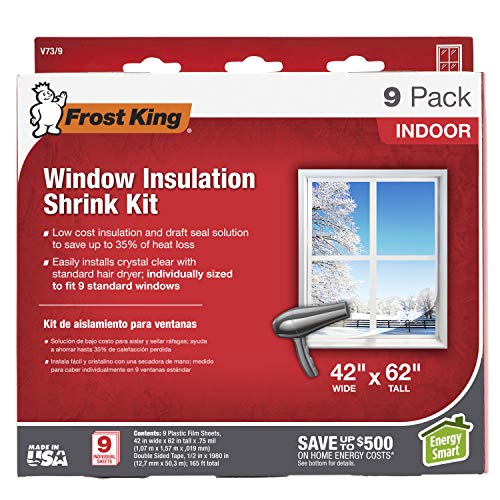
Frost King V73/9H Indoor Shrink Window Kit 42 62-Inch, Clear, 9-Pack
This product adds a great value
As an affiliate, we earn on qualifying purchases.
As an affiliate, we earn on qualifying purchases.
Conclusion
Think of your windows like a mirror reflecting your home’s health. When condensation appears, it’s like fog settling on your glass, signaling moisture issues. I once fixed my own windows, and suddenly, the fog lifted—revealing clear views and a warmer home. Addressing condensation isn’t just about comfort; it’s about safeguarding your space. With some simple fixes, you can clear the fog and enjoy a brighter, drier environment—your windows, and your home, will thank you.
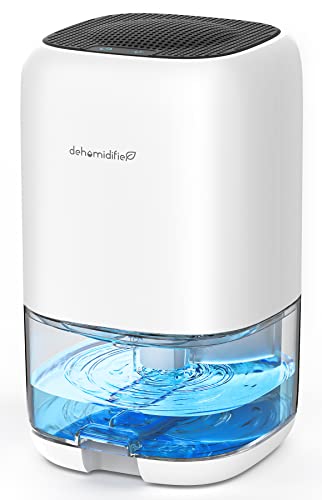
Dehumidifier, 35 OZ Small Dehumidifiers for Bedroom for Home, Quiet with Auto Shut Off, Dehumidifiers for Bedroom (280 sq. ft), Bathroom, RV, Closet, White
High Efficient Dehumidifiers for Home: Still annoyed about the muggy weather? Just Take it easy! have a try…
As an affiliate, we earn on qualifying purchases.
As an affiliate, we earn on qualifying purchases.

118” Wedge-Shape Foam Window Weather Stripping Door Seal Strip,Soundproofing Frame Winter Insulation Tape for Exterior Front Door,Noise Cancelling Window Inserts,Door Gap Filler Light Blocker,White
Upgraded Wedge Design: The window draft stopper adopts upgraded wedge design, the thickness of the thinnest 0.16“, the…
As an affiliate, we earn on qualifying purchases.
As an affiliate, we earn on qualifying purchases.