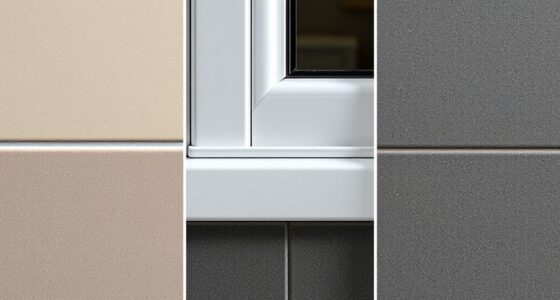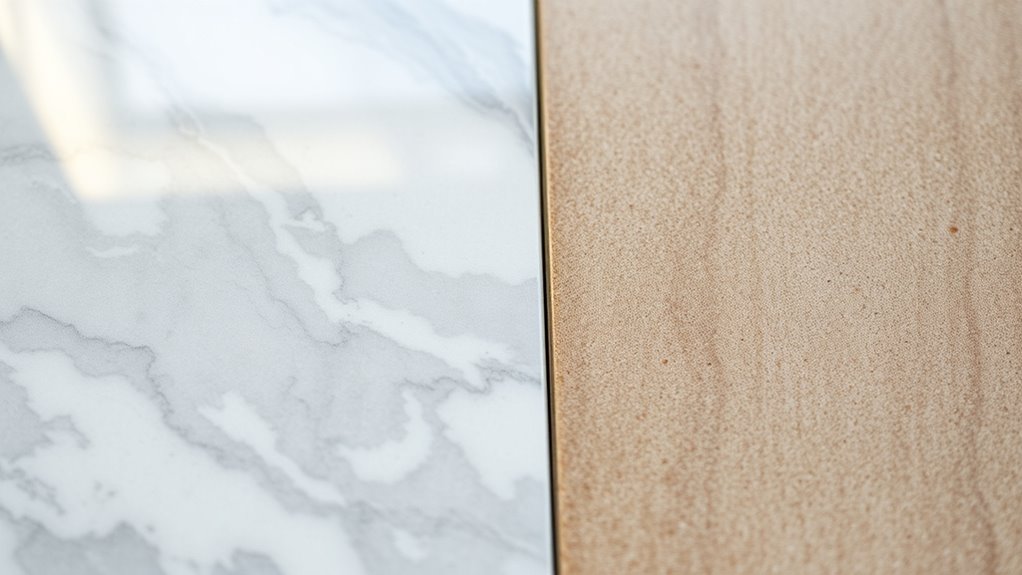

When choosing between porcelain and ceramic tile, you should consider durability, cost, and long-term value. Porcelain is more robust, resists chipping, scratching, and moisture, making it ideal for high-traffic areas and outdoor use. Ceramic tiles are more affordable initially but may require more maintenance and replacements over time. If you’re seeking a long-lasting, low-maintenance floor, porcelain is the better option. Stay with us to explore more about their differences and which works best for you.
Get ready for Prime Big Deal Days — try Prime free
Exclusive member deals on October 6–7, plus fast free delivery. Cancel anytime.
As an affiliate, we earn on qualifying purchases.
Key Takeaways
- Porcelain tiles are denser, stronger, and more resistant to chipping, scratching, and staining than ceramic tiles.
- Ceramic tiles are generally more affordable upfront but may require more frequent repairs or replacements.
- Porcelain offers greater durability for high-traffic and moisture-prone areas, making it a longer-lasting investment.
- Maintenance is easier with porcelain due to its stain-resistant, low-porosity surface; ceramic may need sealing.
- Choose porcelain for durability and long-term value; opt for ceramic when budget constraints are a priority.

When choosing between porcelain and ceramic tile, understanding their differences can help you make an informed decision for your space. One of the most important factors to contemplate is durability differences. Porcelain tile is renowned for its strength and resilience, making it ideal for high-traffic areas or spaces prone to moisture, like kitchens and bathrooms. It’s fired at higher temperatures and has a denser composition, which results in a tile that resists chipping, scratching, and staining better than ceramic. Ceramic tile, while still durable, tends to be more porous and softer. This means it’s more susceptible to damage under heavy use or impact, though it can still perform well in residential settings with moderate foot traffic. If longevity and resistance to wear are top priorities for your project, porcelain generally offers a longer-lasting solution.
Cost considerations also play a significant role when choosing between these two options. Typically, porcelain tiles are more expensive upfront due to their manufacturing process, material quality, and durability. The higher cost reflects not only the tile itself but also the installation, as porcelain often requires more precise cutting and setting techniques. Ceramic tiles, on the other hand, tend to be more budget-friendly, making them attractive if you’re working within a tighter budget. However, keep in mind that the initial savings might be offset over time if ceramic tiles need more frequent repairs or replacements because of their lower durability. When weighing costs, consider the long-term value and whether the extra investment in porcelain might save you money on maintenance and replacement down the line.
In terms of maintenance, porcelain tiles are easier to care for because their dense surface resists stains and moisture better. You can clean them with regular household cleaners without worry. Ceramic tiles may require sealing to prevent stains and moisture penetration, especially if the glaze isn’t particularly dense. Overall, if you want a low-maintenance option that withstands the test of time, porcelain has the edge.
Ultimately, your decision should balance durability differences and cost considerations based on your specific needs and the environment where the tile will be installed. If you’re looking for a tough, long-lasting surface and are willing to invest a bit more upfront, porcelain is the smarter choice. But if your project is more budget-conscious and the space isn’t subjected to heavy use, ceramic tile can provide a beautiful, functional solution without breaking the bank.
As an affiliate, we earn on qualifying purchases.
Frequently Asked Questions
Which Tile Type Is More Environmentally Friendly?
You’ll find that ceramic tiles are generally more eco-friendly because they often use eco-friendly materials and sustainable manufacturing practices. They require less energy to produce, which reduces their environmental impact. Porcelain tiles, while durable, usually involve more energy-intensive processes. When choosing, consider the manufacturing methods and materials used, as these factors considerably influence which tile type is more environmentally friendly for your project.
How Do Maintenance Requirements Differ Between Porcelain and Ceramic?
You’ll find that porcelain tiles require less frequent cleaning due to their stain resistance and durable surface, making maintenance easier. Ceramic tiles may need more regular cleaning protocols to keep them looking their best, especially in high-traffic areas. Both types benefit from sealing and gentle cleaning, but porcelain’s inherent stain resistance means you spend less time scrubbing, so it’s a more low-maintenance choice overall.
Can Porcelain or Ceramic Tiles Be Used Outdoors?
You can use both porcelain and ceramic tiles outdoors, but porcelain is generally better for outdoor durability and slip resistance. Porcelain tiles are denser, less porous, and withstand extreme weather conditions, making them a great choice for patios and walkways. Ceramic tiles may require sealing and are less durable in harsh weather, so if you want long-lasting outdoor surfaces, porcelain is your best option for safety and durability.
Are There Health Concerns With Either Tile Type?
You might worry about indoor air quality when choosing tiles, but both porcelain and ceramic tiles are generally safe if installed correctly. They don’t emit toxic materials or fumes, making them a healthy choice for your home. Unlike carpets or vinyl, which can trap allergens, these tiles resist mold and bacteria. Rest assured, with proper sealing and installation, porcelain and ceramic tiles won’t pose health concerns or impact your indoor environment negatively.
How Do Costs Compare When Considering Installation and Durability?
You’ll find porcelain tiles generally cost more upfront due to higher installation costs but offer superior durability, making them a better long-term investment. Ceramic tiles are usually cheaper initially and easier to install, which helps lower installation costs. When considering durability, porcelain withstands heavy wear and moisture better, reducing replacement costs over time. So, if you want long-lasting quality, porcelain might cost more initially but saves you money in the long run.
Conclusion
So, now that you’ve seen the differences, the choice isn’t as clear-cut as it seems. Will you prioritize durability and a sleek look, or lean toward versatility and affordability? Both tiles have their secrets, waiting to be uncovered in your space. The decision could transform your home in ways you haven’t yet imagined—are you ready to take the next step and discover which tile truly fits your style and needs? The answer might surprise you.
NFL season / tailgating Picks
team gear
As an affiliate, we earn on qualifying purchases.