TL;DR
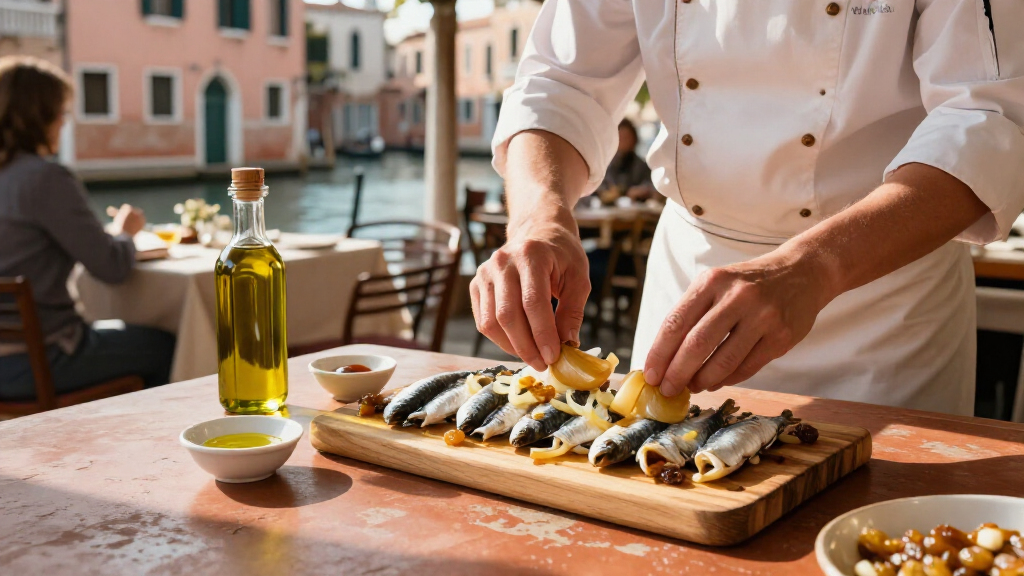
Sarde in saor is a traditional Venetian dish of fried sardines layered with onions cooked in vinegar, often with raisins and pine nuts. Make it a day ahead, refrigerate it overnight, and serve it cool or at room temperature with polenta or crusty bread.
A platter of sarde in saor can make a small fish feel like the centerpiece of an antipasto board. You get tender sardines, soft onions cooked in vinegar, and—depending on the recipe—little sweet bites of raisins and buttery pine nuts. The flavors are bold but balanced: sweet, sour, savory, and rich, all in one cool, glossy forkful.

Get kitchen staples and gadgets delivered free with Prime
- Fast, free delivery on millions of items
- Prime Video, Amazon Music and more included
- Member-only deals all year
This is a traditional Venetian dish, closely tied to the city’s seafaring past and still at home in its bacari, the informal wine bars where small plates accompany a glass. Here you’ll learn what “saor” means, why the dish benefits from a night’s rest, and how to serve it with the ease of a Venetian-style antipasto. You’ll also get practical tips for choosing sardines, cooking the onions, and storing the finished fish safely.
Sarde in saor is Venetian fried sardines layered with onions cooked in vinegar, often with raisins and pine nuts.
The Venetian word saor refers to flavor or savoring; “sweet-sour” describes the taste, not a literal translation.
Cook the onions slowly until soft and sweet, and taste for a clear but balanced vinegar tang.
Rest the covered dish overnight in the refrigerator, then serve it cool or closer to room temperature.
Pair it with polenta or crusty bread, and refrigerate leftovers promptly because vinegar does not replace refrigeration.
Sarde in Saor A sweet-sour Venetian classic
Fried sardines layered with vinegar-softened onions become a cool, make-ahead antipasto. Resting lets the flavors come together.
The flavor balance
Onions bring mellow sweetness, vinegar lifts the rich fish, and optional raisins and pine nuts add contrast.
Sardines
Fried fish gives the dish its rich, satisfying base.
Soft onions
Cook them slowly until tender and sweet, without scorching.
Vinegar
Season for a clear tang that does not overwhelm the fish.
Raisins and pine nuts
Common additions bring bursts of sweetness and buttery crunch.
Build the layers
Gentle cooking and careful assembly help keep the fish tender.
Cook cleaned sardines until golden; handle fillets gently.
Cook sliced onions slowly in olive oil until soft and sweet.
Add vinegar, taste for balance, then layer onions with the fish.
Let time do its work
The overnight rest is part of the method, giving the onion seasoning time to flavor the sardines.
- Flavors may still seem distinct.
- Cool promptly and cover.
- Vinegar and onions permeate the fish.
- Serve cool or closer to room temperature.
Serve the Venetian way
Keep the accompaniments simple so the sardines and glossy onions stay in focus.
What makes sarde in saor taste sweet, sour, and savory at once?
Sarde in saor is a Venetian preparation of fried sardines layered with onions cooked in vinegar, commonly with raisins and pine nuts. The onions bring mellow sweetness, vinegar gives the dish its clean tang, and the fish adds a rich, savory base. Let it rest before serving, and those separate flavors begin to taste like one carefully seasoned dish.
In Venetian dialect, saor means flavor or savoring. It refers to the seasoned onion mixture that defines the dish, rather than being a literal translation of “sweet and sour.” That distinction helps explain why the result should not taste like candy or pickle brine. Think of the onions as the main seasoning: slow-cooked until soft, then sharpened with enough vinegar to lift the oily fish.
Raisins and pine nuts are common, though recipes differ. A raisin gives you a brief, chewy sweetness; a pine nut adds a soft, buttery crunch. If you’re setting out a board for four, a small dish of these sardines alongside bread and polenta gives guests different textures without crowding the table.
The flavor works like a conversation: sardines speak first, vinegar answers, and onions smooth the exchange. If one ingredient dominates, the balance slips. Taste the onion mixture before layering; it should be distinctly tangy, but not so sharp that it hides the fish.
Products Worth Considering

Levoit Core 400S-P Smart Air Purifier for Large Rooms

Bose Home Speaker 500 Smart Bluetooth Speaker with Alexa, Black

Samsung 48-Inch S90F OLED 4K Smart TV (2025)
As an affiliate, we earn on qualifying purchases.
Why Venetian cooks let the sardines rest overnight
Sarde in saor tastes more integrated after an overnight rest because the vinegar-seasoned onions have time to flavor the fried fish. The dish is commonly served cold or at room temperature, and preparing it ahead makes that serving style practical. A day in the refrigerator is part of the rhythm of the recipe, not an extra flourish.
Saor is often linked to Venice’s maritime past, when vinegar helped preserve food before refrigeration. Sailors and travelers needed food that could keep and taste satisfying; the sharp-sweet onion mixture suited both needs. The exact origin of every ingredient or version is hard to pin down, but the dish clearly reflects the resourcefulness of cucina povera—“poor cooking,” or making humble ingredients deeply satisfying.
Venice’s history of trade and cultural exchange also helps explain why sweet-and-sour flavors feel at home there. Still, don’t turn that broad history into a claim that one specific trader invented the recipe. What you can taste today is a local tradition: fried fish, seasoned onions, and optional raisins and pine nuts.
Picture making the dish on Saturday afternoon for Sunday lunch. On Saturday, the vinegar may seem pronounced and the layers distinct; by Sunday, the sardines and onions have had time together. Keep the dish covered in the refrigerator while it rests. Vinegar gives flavor, but it does not replace safe refrigeration for cooked fish.
How to build layers that stay tender and full of flavor
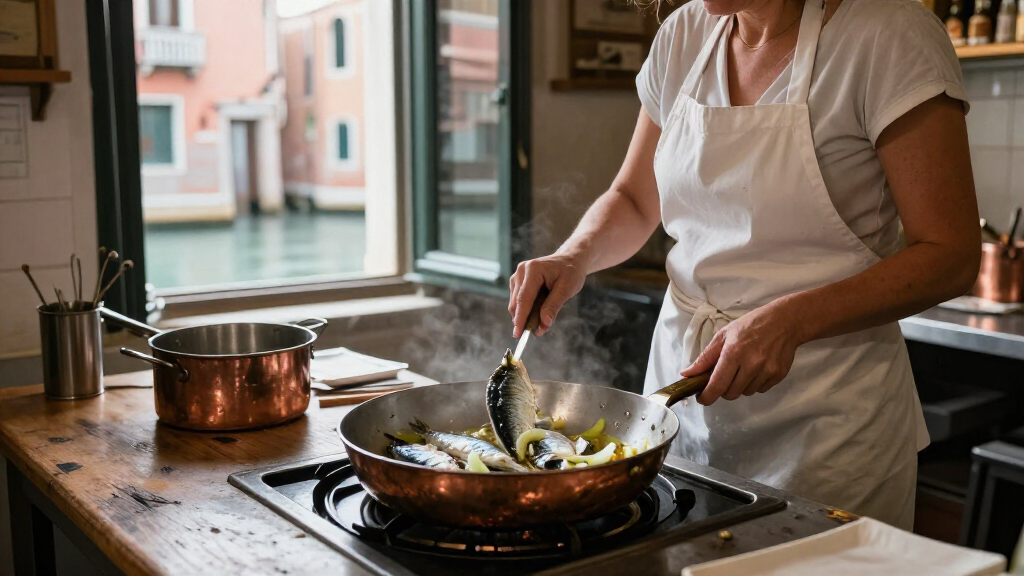
To make sarde in saor, fry cleaned sardines, soften sliced onions in olive oil, season them with vinegar, then layer the fish and onions and refrigerate. Handle the fish gently as you assemble the dish, especially if you use fillets. This order gives you a crisp starting point, a sweet-sour topping, and time for the flavors to settle.
- Prepare the sardines. Whole small sardines, cleaned and butterflied, are common in traditional versions. Pat them dry, dust lightly with flour if your recipe calls for it, and fry until cooked through and golden. Fillets work too, but they’re more delicate to turn and layer.
- Cook the onions slowly. Slice them and cook them gently in olive oil until soft and sweet. Stir often and keep the heat moderate; scorching creates bitter edges that vinegar cannot fix.
- Add the vinegar. Stir it into the onions and taste. You want a clear tang that wakes up the fish, not a sharp wall of acidity.
- Layer and rest. Arrange the sardines and onion mixture in a covered container, adding raisins and pine nuts if you like. Refrigerate overnight, then bring the dish toward room temperature before serving.
For example, if your pan of onions starts browning quickly while you prepare the fish, lower the heat and give them more time. Soft, translucent onions are a better guide than a strict timer. Let the finished dish cool promptly before covering and refrigerating it.
Which ingredients make the board feel Venetian?
The core of sarde in saor is sardines, onions, and vinegar; olive oil and a little flour often support the frying, while raisins and pine nuts are frequent additions. You can adjust those extras to your taste without losing the dish’s basic character. Choose small sardines that smell fresh and clean, and follow current local seafood guidance because availability and sustainability advice can change.
Whole butterflied sardines offer a traditional look and hold together well when handled carefully. Fillets save cleaning time and make serving easier, though they may break as you turn them or lift them into layers. If you’re preparing a board for guests who prefer smaller bites, fillets can be convenient; use a thin spatula and arrange them without pressing down.
Onions deserve just as much care as the fish. Cook them until supple and sweet, not crisp or deeply browned. A bay leaf or pepper may appear in some versions, and a little white wine is another variation. These are choices, not requirements; keep the onion-vinegar balance in the foreground.
For a simple Venetian-feeling spread, serve the sardines with polenta (cornmeal porridge) and slices of crusty bread. Polenta gives the tangy fish a mild, soft base, while bread catches the glossy onion juices. The contrast makes a modest antipasto board feel complete without piling on competing flavors.
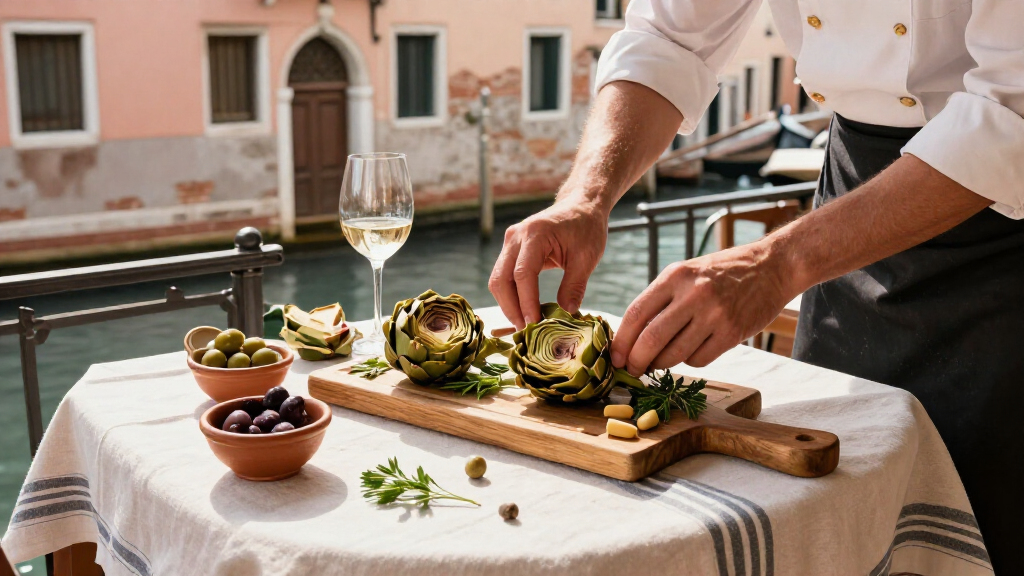
What to serve with sarde in saor on an antipasto board
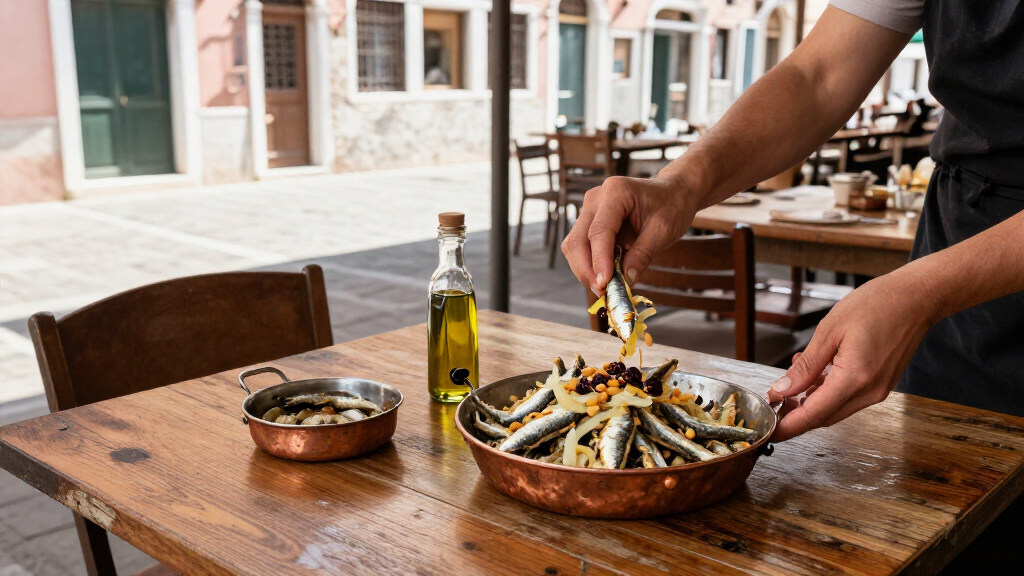
Sarde in saor belongs on an antipasto board as a cool, tangy centerpiece, served with plain accompaniments that let the fish and onions stay in focus. In Venice, it’s familiar in bacari, informal wine bars known for small plates. At home, you can echo that easy style with a platter of fish, bread, and polenta instead of turning the dish into a complicated spread.
Use a shallow serving dish so the layers remain visible, with a spoon for the onions and a small fork or tongs for the sardines. Place bread nearby rather than underneath the fish; that way each slice stays crisp until someone serves themselves. If you include olives or other small bites, choose a few and keep their salt and spice from overpowering the sweet-sour fish.
A crisp, dry white wine can pair well with the vinegar’s acidity. If you serve alcohol, keep it for adults and encourage responsible drinking; sparkling water is also a good match and refreshes the palate. You don’t need a specific wine label to make the board work—the useful principle is choosing something dry and fresh rather than sweet or heavy.
For a Sunday lunch, bring the sardines out while you arrange the rest of the board, allowing them to lose their refrigerator chill before serving. Keep the platter out only for the meal, then return leftovers promptly to the refrigerator. That simple timing preserves both the texture and food safety.
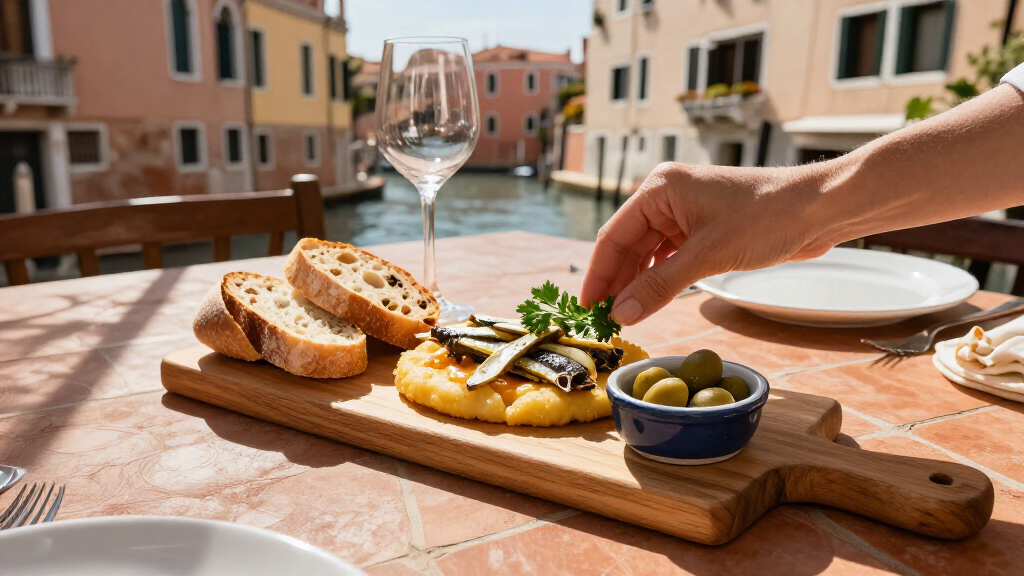
How to store leftovers and avoid common mistakes
Store cooked sarde in saor covered in the refrigerator; vinegar does not make fish shelf-stable. The dish is served cool or at room temperature, but that does not mean it should sit out for hours. Keep it chilled between servings, and return leftovers to the refrigerator promptly after the meal.
For the best texture, use a covered container that lets you keep the sardines in neat layers. A crowded bowl can crush fillets and leave some pieces drenched while others stay dry. When you plan ahead for a dinner with six guests, divide the dish between two shallow containers: serve one and keep the second refrigerated until needed.
Three common mistakes are easy to prevent: scorching the onions, adding so much vinegar that the fish disappears, and rushing the rest. Cook the onions gently, taste the seasoning before assembly, and make the dish the day before if your schedule allows. If you use fillets, lift them carefully; the goal is a tidy layer, not perfect restaurant plating.
For a recipe-specific storage window, follow tested guidance from the recipe you use and local food-safety advice. Keep raw and cooked seafood separate during preparation, wash hands and utensils after handling raw fish, and refrigerate the finished dish once it has cooled. Those basic habits matter more than any claim that the vinegar “preserves” it.
Frequently Asked Questions
What does “sarde in saor” mean?
Sarde in saor means sardines prepared with saor, a Venetian seasoned onion mixture made with vinegar. It often includes raisins and pine nuts, though recipes vary. The dish is typically served as a cold or room-temperature antipasto.
Does saor literally mean sweet and sour?
No. Saor is a Venetian dialect word associated with flavor or savoring. Sweet and sour is a useful description of the dish’s taste, which comes from soft onions, vinegar, and sometimes raisins.
Can I make sarde in saor ahead?
Yes. Many cooks prepare it a day ahead so the vinegar-seasoned onions can flavor the sardines as they rest. Cover the dish and keep it refrigerated overnight, then take it out shortly before serving.
Should I use whole sardines or fillets?
Whole small sardines, cleaned and butterflied, are common in traditional preparations. Fillets make preparation easier, but they can be more fragile when fried and layered. Use a thin spatula and handle them gently.
Can I leave out the raisins or pine nuts?
Yes. Both ingredients are common, but they are not the core of the dish. Sardines, onions, and vinegar carry its character; leaving out raisins or pine nuts gives you a less sweet or less crunchy version.
How should I serve sarde in saor?
Serve it cold or at room temperature with polenta, crusty bread, or other Venetian-style small plates. A crisp, dry white wine can pair well, while sparkling water is a refreshing nonalcoholic option. Keep the fish refrigerated when it is not being served.
Is sarde in saor the same as Spanish escabeche?
They share the broad idea of seasoning fish with an acidic mixture, but they are distinct traditions. Sarde in saor is Venetian and is known for its sweet-sour onions, often with raisins and pine nuts. Its local history and characteristic layering give it a flavor of its own.
Conclusion
Make sarde in saor the day before you want to serve it. Cook the onions patiently, season them until they taste bright rather than harsh, then give the sardines an overnight rest in the refrigerator. The next day, set them beside polenta and good bread, and let a little Venetian maritime history arrive at your table one sweet-sour bite at a time.