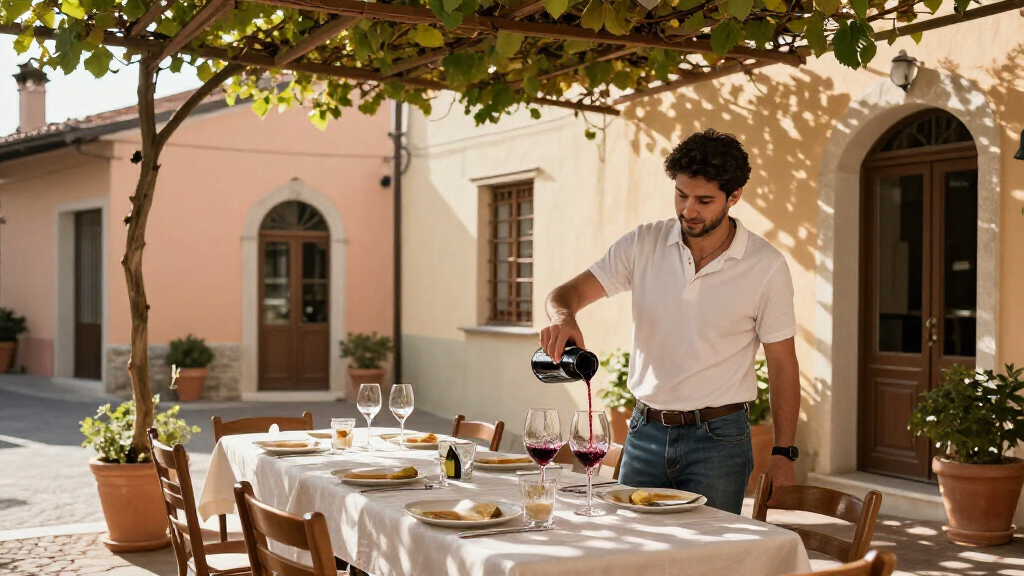

The best affordable wine overall in this roundup is Alamos Malbec, a versatile red that suits casual meals and gatherings. For a lighter white, Globerati Sauvignon Blanc offers a contrasting choice, while Juan de Juanes stands out for anyone seeking a 0.0% ABV option. The lineup spans reds, whites, and dealcoholized bottles, so the main tradeoff is choosing between familiar wine character, lighter drinking, and no alcohol. Bottle labels and varietal names can guide expectations, but sweetness, body, and alcohol content may matter more to your actual preference. Read on for the full breakdown and advice on choosing the right bottle for your table.

Get kitchen staples and gadgets delivered free with Prime
- Fast, free delivery on millions of items
- Prime Video, Amazon Music and more included
- Member-only deals all year
Key Takeaways
- Alamos Malbec is the roundup’s best all-purpose red pick, while its fuller style may be less suited to drinkers who prefer lighter wines.
- Globerati Sauvignon Blanc and Three Wishes Pinot Grigio Colombard give white-wine drinkers two different directions: a Sauvignon Blanc varietal and a blend that includes Colombard.
- Three Wishes Cabernet Sauvignon and Globerati Sangiovese broaden the red selection, but they serve different grape-style preferences rather than duplicating the Malbec.
- Juan de Juanes and Lussory are the two dealcoholized choices; both are labeled 0.0% ABV, so they fit a different need than conventional wine.
- The lineup’s strongest distinction is style and alcohol content, not a single bottle for every occasion; choosing by color alone can overlook body, grape, and whether alcohol is wanted.
| Juan de Juanes Non-Alcoholic Cabernet Sauvignon and Tempranillo Red Wine, 0.0% ABV, 750 ml |  | Best Non-Alcoholic Red | Wine type: Non-alcoholic red wine | Grape varieties: Cabernet Sauvignon and Tempranillo | Alcohol content: 0.0% ABV | VIEW LATEST PRICE | See Our Full Breakdown |
| Three Wishes Cabernet Sauvignon Red Wine, 750 ml |  | Best Affordable Cabernet | Varietal: Cabernet Sauvignon | Wine type: Red wine | Alcohol by volume: 12.5% | VIEW LATEST PRICE | See Our Full Breakdown |
| Three Wishes Pinot Grigio Colombard White Wine, 750 ml |  | Best for Easygoing White Wine | Varietal blend: Pinot Grigio and Colombard | Wine type: White wine | Alcohol by volume: 11.5% | VIEW LATEST PRICE | See Our Full Breakdown |
| Globerati Sauvignon Blanc Chilean White Wine, 750 mL |  | Best for Zesty Food Pairings | Wine type: Sauvignon Blanc | Origin: Valle Central, Chile | Bottle size: 750 mL | VIEW LATEST PRICE | See Our Full Breakdown |
| Alamos Malbec Red Wine, 750 mL Bottle |  | Best for Soft-Tannin Red Wine | Wine type: Red wine | Grape: Malbec | Origin: Argentina | VIEW LATEST PRICE | See Our Full Breakdown |
| Globerati Sangiovese Red Wine, 750 mL |  | Best Affordable Red for Pasta Night | Varietal: Sangiovese | Origin: Rubicone, Italy | Bottle size: 750 mL | VIEW LATEST PRICE | See Our Full Breakdown |
| Lussory Premium Dealcoholized Merlot Red Wine, 0.0% ABV, 750 ml |  | Best Affordable Alcohol-Free Red | Grape: Merlot | Origin: La Mancha, Spain | Alcohol content: 0.0% ABV | VIEW LATEST PRICE | See Our Full Breakdown |
| affordable wine | Origin | Wine type | Bottle size | Alcohol by volume |
|---|---|---|---|---|
| Juan de Juanes Non-Alcoholic C | Spain | Non-alcoholic red wine | 750 ml (25.4 fl oz) | — |
| Three Wishes Cabernet Sauvigno | America | Red wine | — | 12.5% |
| Three Wishes Pinot Grigio Colo | California | White wine | — | 11.5% |
| Globerati Sauvignon Blanc Chil | Valle Central, Chile | Sauvignon Blanc | 750 mL | 12.5% |
| Alamos Malbec Red Wine | Argentina | Red wine | 750 mL | 13.0% |
| Globerati Sangiovese Red Wine | Rubicone, Italy | — | 750 mL | 12% |
| Lussory Premium Dealcoholized | La Mancha, Spain | — | 750 ml | — |
More Details on Our Top Picks
Juan de Juanes Non-Alcoholic Cabernet Sauvignon and Tempranillo Red Wine, 0.0% ABV, 750 ml
For buyers who want wine made from grapes without alcohol, Juan de Juanes combines Cabernet Sauvignon and Tempranillo, then removes the alcohol after fermentation. That gives it a more wine-like starting point than a dealcoholized option such as Lussory Premium Dealcoholized Merlot, though the grape blend and flavor profile differ. Its ripe-fruit and sultana aromas and smooth, fruity palate suit relaxed meals where a full-bodied, tannic red would feel too assertive. There is no added sugar, but each listed five-ounce serving still contains naturally present sugars and carbohydrates. The tradeoff is practical: serve it slightly cool, and refrigerate the bottle after opening. Its screw cap makes resealing simple, but this is a specialized pick for alcohol-free drinking rather than a substitute for the Cabernet character of Three Wishes.
Pros:- Fermented as wine before the alcohol is removed
- Cabernet Sauvignon and Tempranillo blend offers a different profile from single-varietal reds
- No added sugar
- Twist-off cap allows easy resealing
Cons:- Must be refrigerated after opening
- Best served slightly cool, which may not suit those who prefer reds at room temperature
- Contains 7.8 g of carbohydrates per listed five-ounce serving
Best for: People avoiding alcohol who want a grape-based red for dinner or gatherings, with no added sugar and easy resealing.
Not ideal for: Shoppers seeking a conventional alcoholic Cabernet or a bottle that can stay unrefrigerated after opening.
- Wine type:Non-alcoholic red wine
- Grape varieties:Cabernet Sauvignon and Tempranillo
- Alcohol content:0.0% ABV
- Origin:Spain
- Bottle size:750 ml (25.4 fl oz)
- Calories:32 per 5 fl oz glass
- Serving suggestion:Serve below 64°F (18°C)
- Closure:Twist-off screw cap
Our verdict“Choose Juan de Juanes for an alcohol-free, fruit-forward red, but pick Three Wishes Cabernet Sauvignon if you want a conventional Cabernet with alcohol.”
Three Wishes Cabernet Sauvignon Red Wine, 750 ml
Three Wishes Cabernet Sauvignon is the straightforward choice for buyers who want a familiar red to serve with pizza, pasta Bolognese, or a mushroom burger. Its medium body, blackberry notes, and hints of vanilla and oak give it more classic Cabernet cues than Alamos Malbec, whose plum and dark-berry character is softer and more distinctly fruit-led. The lingering finish gives this bottle enough presence for a meal without making it an especially weighty or complex pick. It is also the only single-varietal Cabernet in this group; Juan de Juanes blends Cabernet with Tempranillo and has no alcohol. That makes Three Wishes the better fit for a conventional Cabernet occasion, but not for buyers seeking a blend or more layered regional detail. The non-vintage bottling also means the exact vintage is not specified.
Pros:- 100% Cabernet Sauvignon gives it a clear single-grape identity
- Medium-bodied profile works with a range of hearty casual meals
- Blackberry notes are complemented by vanilla and oak hints
- 12.5% ABV is specified
Cons:- Single-varietal Cabernet may not suit shoppers looking for a blend
- Non-vintage bottling offers no fixed vintage reference
- Less suited to buyers wanting a lighter white like Three Wishes Pinot Grigio Colombard
Best for: Shoppers who want a medium-bodied, single-varietal Cabernet to serve with casual dinners and familiar comfort foods.
Not ideal for: Buyers who prefer softer, fruit-forward blends, alcohol-free wine, or a white wine for lighter meals.
- Varietal:Cabernet Sauvignon
- Wine type:Red wine
- Alcohol by volume:12.5%
- Volume:750 ml
- Origin:America
- Vintage:Non-vintage
- Serving temperature:55–65°F
Our verdict“Pick Three Wishes for an approachable Cabernet alongside hearty everyday meals; choose Alamos Malbec for a softer, darker-fruited red.”
Three Wishes Pinot Grigio Colombard White Wine, 750 ml
This blend brings Pinot Grigio and Colombard together in a light-bodied white with lemon, peach, honeysuckle, and pineapple notes. The mix and clean, bright-acid finish make it a flexible table bottle: it can work with salads and grilled chicken, while its suggested pairings also include fajitas, pad thai, and creamy cheeses. Compared with Globerati Sauvignon Blanc, this is the broader, less narrowly citrus-led option; Globerati’s lemon, grapefruit, and green-apple acidity point more directly toward bold, zesty pairings such as blackened fish tacos. Three Wishes is a good match for buyers who want a lighter white that can cover different dishes, not a sharply defined Sauvignon Blanc style. Its vintage may vary, and the listing does not specify more detailed production or regional information than California origin.
Pros:- Pinot Grigio and Colombard blend offers a distinct alternative to single-varietal whites
- Light body and clean finish suit salads and grilled chicken
- Fruit and floral notes include lemon, peach, honeysuckle, and pineapple
- Suggested pairings span several cuisines and creamy cheeses
Cons:- Vintage may vary
- The lighter body may disappoint buyers seeking a fuller white
- Less focused on pronounced mineral and green-apple character than Globerati Sauvignon Blanc
Best for: Buyers who want a light, crisp white to serve across mixed meals such as salads, chicken, and mildly spicy dishes.
Not ideal for: Drinkers seeking a strongly mineral, sharply citrus-driven Sauvignon Blanc or a consistent stated vintage.
- Varietal blend:Pinot Grigio and Colombard
- Wine type:White wine
- Alcohol by volume:11.5%
- Origin:California
- Volume:750 ml
- Vintage:Non-vintage; may vary
- Serving temperature:45–50°F
Our verdict“Choose Three Wishes for a flexible, light-bodied white across varied meals, and choose Globerati when you want a more pointed citrus-and-mineral profile.”
Globerati Sauvignon Blanc Chilean White Wine, 750 mL
Globerati Sauvignon Blanc is the sharper, more citrus-driven white in this lineup. Lemon and grapefruit aromas, mineral notes, and green-apple acidity give it a bright profile that suits blackened fish tacos particularly well. Compared with Three Wishes Pinot Grigio Colombard, Globerati reads as more focused and brisk; Three Wishes brings peach, pineapple, and honeysuckle alongside its citrus, making it a more flexible choice for a wider range of milder dishes. That distinction makes Globerati the better pick when the meal needs a crisp counterpoint, rather than a general-purpose white. The listed 12.5% ABV is higher than Three Wishes’ 11.5%, and vintage may vary. Its specific Chilean origin adds useful context, but the available description does not give a detailed vintage or production account.
Pros:- Lemon and grapefruit aromas deliver a clear citrus profile
- Mineral notes and green-apple acidity make it a brisk pairing for boldly seasoned food
- Chilean Valle Central origin is specified
- Suggested pairing gives buyers a clear use for the bottle
Cons:- Vintage may vary
- Its bright acidity may be less appealing to shoppers who prefer softer whites
- Less broadly fruit-led than Three Wishes Pinot Grigio Colombard
Best for: Shoppers serving blackened fish tacos or other boldly seasoned food who prefer a bright, citrus-forward white.
Not ideal for: Buyers who want a softer, fruit-led white for mild dishes or a fixed vintage selection.
- Wine type:Sauvignon Blanc
- Origin:Valle Central, Chile
- Bottle size:750 mL
- Alcohol by volume:12.5%
- Vintage:May vary
- Aroma notes:Lemon, grapefruit, and honeysuckle
- Suggested pairing:Blackened fish tacos
Our verdict“Choose Globerati for a crisp Chilean Sauvignon Blanc with boldly seasoned meals; choose Three Wishes for a softer, more versatile white.”
Alamos Malbec Red Wine, 750 mL Bottle
Alamos Malbec stands out for a medium-bodied red that pairs dark-fruit aromas with soft tannins and a long, velvety finish. Its plum, dark cherry, blackberry, and raspberry notes make it a natural match for red meat and poultry, while the softer structure offers a gentler alternative to the more Cabernet-led character of Three Wishes Cabernet Sauvignon. It also provides a different kind of fruit expression from Juan de Juanes: Alamos is an alcoholic Argentine Malbec, while Juan de Juanes is a Spanish, alcohol-free blend. This bottle makes the most sense for buyers who want a smooth red for dinner rather than a lean, highly acidic style. The tradeoffs are that its fruit-forward profile may feel too soft for drinkers seeking firm tannins, and the vintage may vary.
Pros:- Dark-berry, plum, and cherry notes offer a fruit-forward profile
- Soft tannins make the texture gentler than a firmer Cabernet style
- Medium body suits red meat and poultry dishes
- Argentina origin and 13.0% ABV are specified
Cons:- Vintage may vary
- Soft tannins may not satisfy drinkers who want a more structured red
- Fruit-forward style is less suited to buyers seeking a lean, crisp wine
Best for: Red-wine drinkers who prefer soft tannins and dark-fruit flavors with red meat or poultry.
Not ideal for: Shoppers seeking a firm, highly structured red, a white wine, or an alcohol-free bottle.
- Wine type:Red wine
- Grape:Malbec
- Origin:Argentina
- Bottle size:750 mL
- Alcohol by volume:13.0%
- Approximate servings:5 glasses
- Body:Medium-bodied
- Tannins:Soft
Our verdict“Choose Alamos Malbec for a smooth, dark-fruited dinner red, and choose Three Wishes Cabernet Sauvignon if you prefer a more classic Cabernet profile.”
Globerati Sangiovese Red Wine, 750 mL
Globerati Sangiovese earns its place for pairing-friendly fruit and a clear Italian varietal identity. Its red cherry, floral notes, and dark-chocolate hint suit tomato-based sauces and pork ragu, making it a more natural pasta-table pick than the fuller, darker profile of Alamos Malbec. At 12% ABV, it also offers a moderate-strength option among the reds in this lineup. The tradeoff is that its flavor description points toward approachable, fruit-forward drinking rather than the depth or structure buyers may want for a special bottle. The vintage may vary, so details can differ between purchases. I’d choose it for casual meals built around ravioli or red sauce, but skip it if you want a consistently specified vintage or a more concentrated red.
Pros:- Red cherry and floral notes offer an approachable fruit-forward profile.
- Dark-chocolate hints add character beyond simple red-fruit flavors.
- Pairs naturally with pork ragu, ravioli, and red-sauce pasta.
- 12% ABV is lower than many standard-strength red wines.
Cons:- Vintage may vary, limiting consistency between purchases.
- The described fruit-forward style may feel less substantial than Alamos Malbec.
- Its pasta-focused pairing profile is less versatile for buyers seeking one red for many meal styles.
Best for: Shoppers seeking an affordable Italian red to serve with pork ragu, ravioli, or tomato-based pasta.
Not ideal for: Buyers seeking a fixed vintage or a darker, fuller-bodied red; Alamos Malbec may better fit the latter preference.
- Varietal:Sangiovese
- Origin:Rubicone, Italy
- Bottle size:750 mL
- Alcohol by volume:12%
- Vintage:May vary
- Flavor notes:Red cherry, dark chocolate, fresh floral notes
Our verdict“Choose this Sangiovese for an affordable, food-friendly Italian red with pasta; pass if vintage consistency or a weightier profile matters more.”
Lussory Premium Dealcoholized Merlot Red Wine, 0.0% ABV, 750 ml
Lussory Premium Dealcoholized Merlot fills a distinct role in this roundup: a wine-style red for buyers avoiding alcohol. Made from Merlot grapes grown in La Mancha, Spain, it is described with red currant, black cherry, raspberry, white cherry, and floral notes, alongside smooth texture and lingering tannins. Its 0.0% ABV sets it apart from conventional options such as Globerati Sangiovese, which offers an alcoholic, food-focused pairing for pasta. Lussory also spends 12 months maturing before dealcoholization, and it is Halal certified. The tradeoff is central to its appeal: removing alcohol changes the drinking experience, so it won’t suit shoppers seeking a conventional Merlot’s alcoholic warmth or structure. Choose it for an alcohol-free alternative, not as a direct substitute for every full-strength red.
Pros:- 0.0% ABV suits buyers avoiding alcohol.
- Merlot grapes are sourced from Spain’s La Mancha region.
- Multiple red-fruit and floral notes give it a varied flavor profile.
- Halal certified and matured for 12 months before dealcoholization.
Cons:- Dealcoholization means it does not provide the character of an alcoholic Merlot.
- Its smooth texture and lingering tannins may not match the expectations of conventional wine drinkers.
- The broad fruit-note profile may be less suited to buyers who prefer a simple, restrained red.
Best for: People avoiding alcohol who want a Spanish Merlot-style drink for meals or occasions where a red wine alternative is welcome.
Not ideal for: Shoppers seeking the taste and warming effect of conventional red wine, or anyone who specifically wants an alcoholic Merlot.
- Grape:Merlot
- Origin:La Mancha, Spain
- Alcohol content:0.0% ABV
- Bottle size:750 ml
- Maturation:12 months before dealcoholization
- Certification:Halal
- Flavor notes:Red currant, black cherry, raspberry, white cherry, floral notes
- Texture:Smooth with lingering tannins
Our verdict“Pick Lussory when 0.0% ABV is the priority and you want a Merlot-style red; choose Globerati Sangiovese for a conventional wine with pasta.”
How We Picked
I ranked these bottles around the needs behind a search for affordable wine: a recognizable style, flexibility for everyday occasions, and a clear reason to choose one over another. I compared the listed grape or blend, color, and stated alcohol content, then considered how each option fills a different role across reds, whites, and dealcoholized wines. Alamos Malbec leads as the most broadly useful conventional red recommendation; the two nonalcoholic bottles are ranked for their specific purpose rather than treated as direct substitutes for alcoholic wine.
Product information supplied for this roundup does not establish tasting notes, production methods, or price comparisons, so I do not make claims about those details. The order reflects category fit and likely buyer use, not a claim that one bottle will taste best to every reader. I gave added weight to options that make a clear choice easy, while noting tradeoffs such as a narrower grape-style preference or the difference between dealcoholized wine and conventional wine.
| affordable wine | Wine type | Vintage |
|---|---|---|
| Juan de Juanes Non-Alcoholic C | Non-alcoholic red wine | — |
| Three Wishes Cabernet Sauvigno | Red wine | Non-vintage |
| Three Wishes Pinot Grigio Colo | White wine | Non-vintage; may vary |
| Globerati Sauvignon Blanc Chil | Sauvignon Blanc | May vary |
| Alamos Malbec Red Wine | Red wine | — |
| Globerati Sangiovese Red Wine | — | May vary |
| Lussory Premium Dealcoholized | — | — |
Factors to Consider When Choosing Best Affordable Wines
Affordable wine is easier to choose when you start with the occasion and your preferences, rather than a bottle’s label alone. These broader checks can help you avoid buying a style that does not fit the meal, the people drinking it, or your alcohol needs.
Choose the wine style before the bottle
Start with the kind of wine you usually enjoy: fuller reds, lighter reds, or crisp-leaning whites. A grape name can offer a rough style cue, but it is not a guarantee of sweetness, body, or intensity across producers. If you are buying for a group, a familiar varietal may be a safer bet than choosing solely by an unfamiliar regional label. A mixed gathering may call for one red and one white rather than several bottles in the same style. The common mistake is to assume every Cabernet or Sauvignon Blanc tastes alike. Use the grape as a starting point, then check the bottle’s own description when available.
Match the bottle to the meal and occasion
For food, think about how a wine will sit beside the dish, not whether a pairing rule says it is correct. A robust meal may suit a red, while lighter dishes can make a white feel like the more natural fit. For a casual gathering, versatility and broad appeal may matter more than finding a highly specific pairing. If guests have different preferences, serving both red and white can reduce the risk of choosing a bottle nobody wants. Do not buy a style just because it is traditionally paired with one ingredient; sauces, seasoning, and personal taste can change the match. When in doubt, choose a bottle you would also drink on its own.
Check alcohol content separately from wine style
Dealcoholized wine is not simply conventional wine with a different grape name; its alcohol content changes what it is suited for. This roundup includes two bottles labeled 0.0% ABV, making them relevant to people avoiding alcohol. Read the label each time, since terms such as dealcoholized and non-alcoholic may be presented differently across products. If someone needs to avoid alcohol for health, religious, recovery, or other reasons, verify the product details and any relevant guidance rather than relying on the category name alone. A common buying error is to treat a 0.0% bottle as interchangeable with a standard red in taste or texture. Choose it for the alcohol-free requirement, while keeping expectations distinct from conventional wine.
Decide whether a varietal or blend suits you
A varietal-labeled bottle centers its identity on a named grape, while a blend combines grapes to create a different profile. That distinction can help if you already know which grapes you tend to like, but it does not tell the whole story of how a wine will taste. The Three Wishes Pinot Grigio Colombard listing signals a blend, while several other bottles are labeled with a single named grape. If you are still learning your preferences, trying different grapes can be more useful than repeatedly choosing the same label. If you prefer predictability, start with a grape style you recognize. Avoid assuming a blend is lower quality or a single-varietal wine is automatically more refined.
Buy for the people who will actually drink it
A bottle for a solo dinner has different requirements from wine for a party or a shared meal. When serving a group, consider offering a red, a white, and a dealcoholized option if guests may want different things. For a smaller occasion, one bottle in a style you already enjoy can be a more sensible choice than buying variety for its own sake. Check the bottle size and any serving information on the label when estimating how much to provide. Do not assume everyone who avoids alcohol will want the same substitute; some may prefer a nonalcoholic drink outside the wine category. Matching the selection to the guests is often more useful than chasing a supposedly universal crowd-pleaser.
Frequently Asked Questions
Which bottle in this roundup is the best starting point if I usually drink red wine?
Alamos Malbec is the clearest starting point if you want a conventional red with a broadly familiar varietal identity. Three Wishes Cabernet Sauvignon is another option if Cabernet is already a style you seek out, while Globerati Sangiovese gives you a different grape direction. If you prefer a lighter-feeling red, do not assume the Malbec will suit you best simply because it leads the roundup. Check the bottle description for body and serving suggestions where available. Your usual preference is a more useful guide than the ranking alone.
Are the dealcoholized bottles suitable for someone who must avoid alcohol completely?
Juan de Juanes and Lussory are both listed as 0.0% ABV, which distinguishes them from the conventional wines here. If complete avoidance is necessary for medical, recovery, religious, or other reasons, read the current bottle label and contact the producer or retailer if the labeling leaves any uncertainty. Product wording and manufacturing details can matter for individual needs. Do not assume every bottle described as nonalcoholic has the same alcohol content. If the requirement is strict, use the stated ABV and verified product information rather than the wine style as your guide.
Should I choose a red or white if I do not know what my guests prefer?
When preferences are unknown, offering one red and one white is usually a safer plan than buying several bottles of one color. This lineup includes red options such as Malbec, Cabernet Sauvignon, and Sangiovese, along with Sauvignon Blanc and a Pinot Grigio Colombard white. If you can only serve one, consider the meal and whether guests tend to prefer lighter or fuller wines. A dealcoholized choice can help accommodate guests who do not want alcohol, but it will not replace a conventional wine for everyone. Asking guests ahead of time is the simplest way to reduce guesswork.
Does a blend like Pinot Grigio Colombard make more sense than a single-grape wine for beginners?
It can, if you are open to a blend and want to explore a white without choosing solely by one grape name. A blend is not automatically easier to like, though; its character depends on the grapes and how the wine is made. If you already know you enjoy Pinot Grigio or Sauvignon Blanc, a bottle labeled with that familiar varietal may feel like a clearer starting point. Try to notice whether you prefer lighter or fuller body and whether you like brighter or softer flavors as you sample different styles. Those preferences will help more than the distinction between blend and single varietal by itself.
When should I pay more for a different wine instead of choosing from this affordable lineup?
Paying more may make sense when you need a particular region, vintage, production method, or a style that is not represented among these seven bottles. It can also be worthwhile for a special meal if you already know the recipient values those details. A higher price does not guarantee that a bottle will suit your taste, so use a clear reason for upgrading rather than assuming cost equals quality. For casual meals and everyday drinking, the lineup covers several conventional red and white styles plus two 0.0% ABV options. If you are unsure what you like, sampling different grapes may teach you more than spending extra on a bottle chosen without a preference in mind.
Conclusion
Best overall: I recommend Alamos Malbec for buyers seeking a flexible conventional red. Best value-minded choice: Three Wishes Cabernet Sauvignon is the straightforward pick for shoppers who specifically want Cabernet, though its appeal is narrower than a more general red recommendation. Best premium-style pick: Globerati Sauvignon Blanc is my choice for someone prioritizing a named white varietal over a red or a blend; the supplied details do not establish a quality tier, so treat “premium” here as a style preference, not a claim about price. Best for beginners: Three Wishes Pinot Grigio Colombard gives curious white-wine drinkers a blend to explore, while Globerati Sauvignon Blanc is a clearer choice for those already drawn to Sauvignon Blanc. Best for specific needs: Choose Juan de Juanes or Lussory if you want a bottle labeled 0.0% ABV, and verify the current label if alcohol avoidance is strict. The best fit depends on whether you want a familiar red, a white, or a dealcoholized alternative—not on trying to find one bottle that suits everyone.