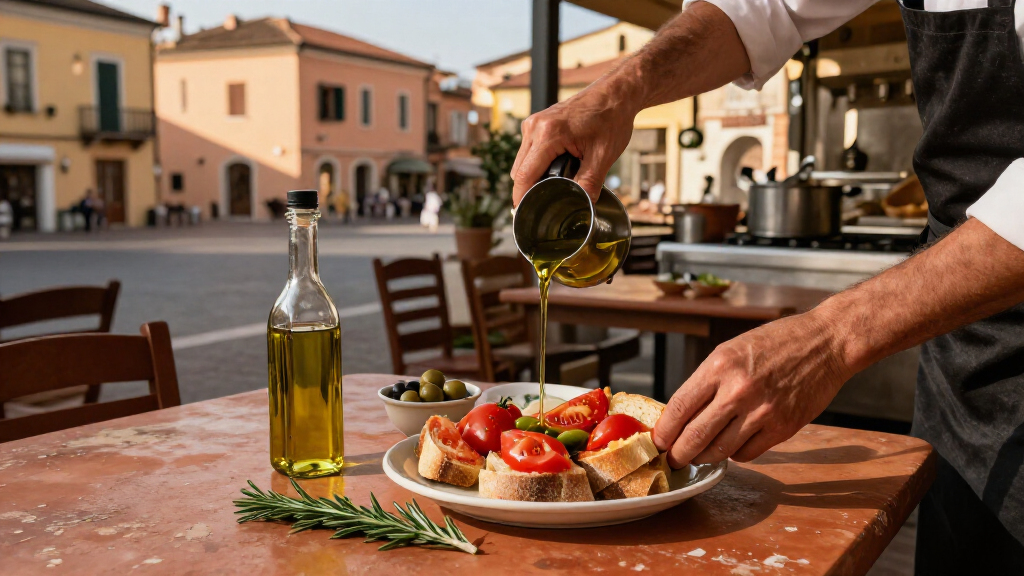

Italian regional olive oils differ in style, format, and how clearly they identify where the olives come from. Frantoi Cutrera Primo is my best overall pick for a distinctive regional choice, while Partanna Robust suits cooks who want a bold Sicilian oil in a large tin and De Cecco offers a familiar, versatile option. The main tradeoff is between oils with a named regional or cultivar identity and larger everyday formats that may offer less detail about origin. Bottle size, harvest and freshness information, and flavor intensity also shape which one makes sense for your kitchen. Read on for my comparison of all 12 options and a guide to choosing by use.

Get kitchen staples and gadgets delivered free with Prime
- Fast, free delivery on millions of items
- Prime Video, Amazon Music and more included
- Member-only deals all year
Key Takeaways
- Named origin gives a clearer regional choice: Montinaro identifies Coratina, while Partanna and Tuscanini point to Sicilian origins; several other listings provide less specific regional detail.
- Large tins favor frequent cooks: Partanna Robust in a 3-liter tin and Montinaro in a 3-liter tin suit high-volume use, but demand more storage and timely consumption after opening.
- Boldness is a real dividing line: Partanna Robust and Entimio Intenso signal assertive styles, while De Cecco is positioned as a more familiar, flexible pantry oil.
- High-polyphenol claims need context: Virgeen states a specific 522 mg/kg figure, but a number alone does not establish flavor preference, freshness, or suitability for every cooking task.
- Packaging affects daily use: Dark glass and tins limit light exposure; the 2-liter Amazon Grocery bottle and large tins may be less convenient for occasional users.
| Italian Olive Crafters Organic Extra Virgin Olive Oil |  | Best for Delicate Sicilian Finishing | Type: Extra virgin olive oil | Origin: Sicily, Italy | Volume: 16.9 fl oz (500 mL) | VIEW LATEST PRICE | See Our Full Breakdown |
| Italian Extra Virgin Olive Oil, First Cold Pressed, 16.9 Fl Oz |  | Best for Everyday Versatility | Type: Extra virgin olive oil | Origin: Italy | Volume: 16.9 fl oz | VIEW LATEST PRICE | See Our Full Breakdown |
| Partanna Robust Extra Virgin Olive Oil – 101 fl oz (3 L) Tin |  | Best Large-Format Sicilian | Type: Robust extra virgin olive oil | Origin: Trapani, Sicily | Olive variety: Castelvetrano | VIEW LATEST PRICE | See Our Full Breakdown |
| Amazon Grocery Italian Extra Virgin Olive Oil, Cold Pressed, 2 Liter |  | Best for High-Volume Cooking | Type: Extra virgin olive oil | Origin: Italy | Volume: 2 liters | VIEW LATEST PRICE | See Our Full Breakdown |
| Entimio Intenso Organic Extra Virgin Olive Oil, 16.9 fl oz |  | Best for Bold Puglian Flavor | Type: Extra virgin olive oil | Origin: Puglia, Italy | Volume: 16.9 fl oz | VIEW LATEST PRICE | See Our Full Breakdown |
| De Cecco Extra Virgin Olive Oil 25.4 Fl Oz |  | Best for a Mild, Everyday Finish | Volume: 25.4 fl oz | Olive oil type: Extra virgin | Acidity: Below 0.3% | VIEW LATEST PRICE | See Our Full Breakdown |
| Montinaro Coratina Extra Virgin Olive Oil, 3 Liter Tin |  | Best for Bold Puglian Cooking | Origin: Puglia, Italy | Olive variety: Coratina monovarietal | Volume: 3 liters (101 fl oz) | VIEW LATEST PRICE | See Our Full Breakdown |
| Organic Extra Virgin Olive Oil 25.4 oz – Italian High Polyphenol Cold Pressed |  | Best Organic Tuscan Farm Pick | Volume: 25.4 oz | Origin: Tuscany, Italy | Producer: Third-generation family farm near Florence | VIEW LATEST PRICE | See Our Full Breakdown |
| Virgeen Extra Virgin Olive Oil – 100% Italian, Cold‑Pressed, High Polyphenol (522 mg/kg) EVOO for Drinking and Finishing |  | Best for Polyphenol Detail | Origin: Tuscany, Italy | Polyphenol content: 522 mg/kg | Production volume: 3,800 liters per year | VIEW LATEST PRICE | See Our Full Breakdown |
| Frantoi Cutrera Primo Italian Extra Virgin Olive Oil – 25.4 fl oz |  | Best for Sicilian Variety Character | Volume: 25.4 fl oz | Origin: Chiaramonte Gulfi, Sicily, Italy | Olive variety: Tonda Iblea | VIEW LATEST PRICE | See Our Full Breakdown |
| Partanna Robust Extra Virgin Olive Oil – Castelvetrano, Sicily – 16.9oz (500ml) Tin |  | Best for Robust Sicilian Flavor | Brand: Partanna | Type: Extra virgin olive oil | Origin: Trapani, Sicily, Italy | VIEW LATEST PRICE | See Our Full Breakdown |
| Tuscanini Premium Sicilian Extra Virgin Olive Oil – 16.9 Fl Oz (500ml) Dark Glass Bottle |  | Best for Versatile Sicilian Cooking | Volume: 16.9 fl oz (500 ml) | Origin certification: Sicilia P.G.I. | Additional certification: Kosher, year-round and Passover | VIEW LATEST PRICE | See Our Full Breakdown |
| Italian regional olive oil | Volume | Origin | Type | Extraction method |
|---|---|---|---|---|
| Italian Olive Crafters Organic | 16.9 fl oz (500 mL) | Sicily, Italy | Extra virgin olive oil | Cold-extracted within 12 hours |
| Italian Extra Virgin Olive Oil | 16.9 fl oz | Italy | Extra virgin olive oil | Cold-pressed |
| Partanna Robust Extra Virgin O | 101 fl oz (3 L) | Trapani, Sicily | Robust extra virgin olive oil | — |
| Amazon Grocery Italian Extra V | 2 liters | Italy | Extra virgin olive oil | Cold-pressed |
| Entimio Intenso Organic Extra | 16.9 fl oz | Puglia, Italy | Extra virgin olive oil | — |
| De Cecco Extra Virgin Olive Oi | 25.4 fl oz | — | — | — |
| Montinaro Coratina Extra Virgi | 3 liters (101 fl oz) | Puglia, Italy | — | Cold pressed |
| Organic Extra Virgin Olive Oil | 25.4 oz | Tuscany, Italy | — | — |
| Virgeen Extra Virgin Olive Oil | — | Tuscany, Italy | — | — |
| Frantoi Cutrera Primo Italian | 25.4 fl oz | Chiaramonte Gulfi, Sicily, Italy | — | — |
| Partanna Robust Extra Virgin O | 16.9 oz (500 ml) | Trapani, Sicily, Italy | Extra virgin olive oil | First cold pressed |
| Tuscanini Premium Sicilian Ext | 16.9 fl oz (500 ml) | — | — | First cold extraction |
More Details on Our Top Picks
Italian Olive Crafters Organic Extra Virgin Olive Oil
I’d choose this organic Sicilian oil for dishes where a soft fruitiness can come through without the sharper bitterness of a robust regional style. Its sweet finish and almond aftertaste set it apart from Entimio Intenso, whose Puglian green-olive notes and pronounced peppery-bitter character suit bolder palates. The stated 646 mg/kg polyphenol content gives buyers a concrete marker alongside the flavor, while hand-picked olives and extraction within 12 hours speak to careful handling. At 500 mL, the glass bottle is easier to use up while fresh than Partanna’s 3 L tin, though it offers less volume for frequent cooking. I’d skip it if you want a strong pepper kick or a large-format kitchen staple; the glass also needs careful handling.
Pros:- Organic certification and no additives or artificial colors
- Delicate fruitiness with sweet and almond notes
- 646 mg/kg stated polyphenol content
- Hand-picked Sicilian olives cold-extracted within 12 hours
Cons:- Glass bottle can break during shipping or handling
- 500 mL format is less suited to high-volume cooking than Partanna’s 3 L tin
- Mild profile may feel subdued to buyers who prefer assertive bitterness and pepper
Best for: Buyers seeking an organic Sicilian oil for finishing vegetables, bread, and mild dishes, with a gentler flavor than robust Puglian styles
Not ideal for: Cooks who want a pepper-forward oil for assertive dishes or a large container for routine cooking
- Type:Extra virgin olive oil
- Origin:Sicily, Italy
- Volume:16.9 fl oz (500 mL)
- Certification:Organic certified
- Extraction method:Cold-extracted within 12 hours
- Polyphenol content:646 mg/kg
- Packaging:Glass bottle
Our verdict“Choose this for delicate Sicilian character and organic credentials in a manageable bottle, but pick Entimio Intenso for a bolder Puglian profile.”
Italian Extra Virgin Olive Oil, First Cold Pressed, 16.9 Fl Oz
This is the lineup’s practical choice for cooks who want one Italian oil for several jobs, from grilling and frying to dressings and drizzling. Its smooth profile and subtle pepper and herb notes give it more character than a neutral cooking fat without competing strongly with other ingredients. Compared with the more regionally specific Partanna Robust, this bottle offers less detail about its olives and origin beyond Italy, and its flavor is less distinctive. The 16.9 fl oz plastic bottle is easier to handle than Partanna’s 3 L tin, but buyers who prioritize glass packaging may prefer Italian Olive Crafters. I’d choose this for routine cooking rather than for a tasting-led purchase centered on a named regional character.
Pros:- Suitable for cooking, grilling, dressings, marinades, and drizzling
- Smooth flavor with subtle pepper and herb notes
- Cold-pressed and bottled in Italy
- Smaller bottle is easier to handle than a large-format tin
Cons:- Plastic packaging may disappoint buyers who prefer glass
- Origin is specified only as Italy, with no region or olive variety given
- Subtle flavor offers less regional distinction than Partanna Robust or Entimio Intenso
Best for: Home cooks who want a single Italian extra virgin olive oil for everyday frying, grilling, dressings, and finishing
Not ideal for: Buyers looking for a clearly identified regional olive variety, a glass bottle, or a bold finishing oil
- Type:Extra virgin olive oil
- Origin:Italy
- Volume:16.9 fl oz
- Extraction method:Cold-pressed
- Packaging:Plastic bottle
- Flavor notes:Subtle pepper and herbs
Our verdict“Pick this as a flexible everyday Italian oil when cooking range matters more than a distinctive regional identity.”
Partanna Robust Extra Virgin Olive Oil – 101 fl oz (3 L) Tin
Partanna is my pick for cooks who want a clearly rooted Sicilian oil in a format built for frequent use. It identifies Castelvetrano olives from Trapani and pairs their buttery flavor and light pepper finish with early harvesting and cold pressing within four hours. That regional detail makes it a more focused choice than the Italian Extra Virgin Olive Oil, whose origin is listed only as Italy. The 3 L tin also suits regular sautéing, roasting, and baking far better than the 500 mL Italian Olive Crafters bottle. The tradeoff is real: the tin takes storage space and may be cumbersome in a small kitchen, while its large capacity can be a poor match for occasional users who want a smaller bottle kept fresh.
Pros:- Identifies Castelvetrano olives and Trapani, Sicily as origin
- Buttery flavor balanced by a light pepper finish
- Cold-pressed within four hours of harvest
- Colored tin and 3 L format suit regular kitchen use
Cons:- Large tin is cumbersome and needs significant storage space
- 3 L capacity may be excessive for occasional users
- Robust flavor is less suited to buyers seeking a delicate oil like Italian Olive Crafters
Best for: Frequent home cooks who want a substantial supply of Sicilian Castelvetrano oil for sautéing, roasting, and baking
Not ideal for: Small households with limited storage or occasional users who would rather finish a smaller bottle promptly
- Type:Robust extra virgin olive oil
- Origin:Trapani, Sicily
- Olive variety:Castelvetrano
- Volume:101 fl oz (3 L)
- Polyphenols:400–600 mg/kg
- Packaging:Colored tin
- Extraction timing:Cold-pressed within four hours of harvest
Our verdict“Choose Partanna for a large supply of regionally specific Sicilian oil, provided you have the storage and use for a 3 L tin.”
Amazon Grocery Italian Extra Virgin Olive Oil, Cold Pressed, 2 Liter
The 2 L format makes this a straightforward choice for households that get through olive oil quickly. Its cold-pressed Italian blend has subtle pepper and herb notes, and the product data lists it for frying, grilling, dipping, and finishing. That range makes it more flexible for a busy kitchen than Partanna’s explicitly robust Sicilian profile, though it gives less regional detail than Partanna’s Castelvetrano oil from Trapani. The plastic bottle keeps the container lighter than a tin, but it may not suit buyers who prefer glass. Flavor is another tradeoff: those seeking the pronounced Puglian character of Entimio Intenso may find this blend too restrained, especially when using it as a finishing oil.
Pros:- 2 L volume suits frequent cooking
- Cold-pressed and identified as Italian
- Subtle pepper and herb notes suit varied dishes
- Listed for cooking, grilling, dipping, and finishing
Cons:- Plastic bottle may not meet glass-packaging preferences
- Blend lacks a named region or olive variety in the listed specs
- Subtle flavor may disappoint buyers seeking a robust finishing oil
Best for: Busy households and frequent cooks who need a larger supply of mild Italian oil for frying, grilling, and everyday use
Not ideal for: Buyers seeking a named regional variety, glass packaging, or a forceful peppery finish
- Type:Extra virgin olive oil
- Origin:Italy
- Volume:2 liters
- Extraction method:Cold-pressed
- Container:Plastic bottle
- Brand:Amazon Grocery
Our verdict“Choose this for a larger supply of mild Italian oil across everyday cooking tasks, and look to Partanna for clearer Sicilian regional character.”
Entimio Intenso Organic Extra Virgin Olive Oil, 16.9 fl oz
Entimio Intenso is the most assertive regional pick here: its early-harvest Puglian olives bring green almond, artichoke, and tomato notes alongside a distinctly peppery, bitter edge. That profile contrasts with Italian Olive Crafters, whose Sicilian oil is gentler, sweeter, and finished with almond. Entimio also lists more than 1,000 mg/kg polyphenols and acidity below 0.25%, giving detail beyond the origin and flavor. Its stated smoke point above 470°F supports the product’s claim of use for high-heat cooking as well as raw applications. The tradeoff is that this intensity can dominate delicate foods, and the 500 mL bottle is less suited to bulk cooking than Partanna’s 3 L tin. Choose it for buyers who welcome bitterness and pepper.
Pros:- USDA Certified Organic
- Puglian early-harvest oil with green almond, artichoke, and tomato notes
- Stated polyphenol content above 1,000 mg/kg and acidity below 0.25%
- Listed smoke point above 470°F for raw use and high-heat cooking
Cons:- Pronounced bitterness and pepper may overwhelm delicate foods
- 16.9 fl oz format is smaller than Partanna’s 3 L cooking tin
- Product data lists a best-before date, so buyers should check freshness details
Best for: Flavor-focused buyers who want an organic Puglian oil for robust finishing and cooking, and enjoy peppery, bitter notes
Not ideal for: People who prefer mild oils, cook mainly delicate dishes, or want a large-format bottle for frequent use
- Type:Extra virgin olive oil
- Origin:Puglia, Italy
- Volume:16.9 fl oz
- Certification:USDA Certified Organic
- Polyphenol content:>1,000 mg/kg
- Acidity:<0.25%
- Monounsaturated fats:>70%
- Smoke point:>470°F
- Harvest date:October 2025
Our verdict“Choose Entimio for bold Puglian flavor and detailed organic specifications, but opt for Italian Olive Crafters if you want a softer Sicilian finish.”
De Cecco Extra Virgin Olive Oil 25.4 Fl Oz
I’d choose De Cecco when I want an Italian oil with a gentle, sweet almond-like profile that can go on vegetables, pasta, or bread without dominating them. Its stated acidity below 0.3% and extraction below 80°F describe a careful process, while the dark glass bottle helps limit light exposure after opening. Compared with Montinaro Coratina, which is explicitly robust and peppery, De Cecco is the more approachable option for cooks who prefer a softer finish. The tradeoff is that the listing gives no specific region or olive variety, so it offers less regional character than Frantoi Cutrera Primo’s Sicilian Tonda Iblea. It also comes in only one listed size, which may not suit households seeking a small trial bottle or a larger supply.
Pros:- Sweet almond-like flavor is suited to dishes where a strong peppery finish would compete
- Stated acidity below 0.3%
- Dark glass helps protect the oil from light
- Kosher, BRC, and IFS certifications are listed
Cons:- The product data does not identify a specific Italian region or olive variety
- Only one bottle size is listed
Best for: Home cooks who want a mild Italian extra virgin olive oil for everyday drizzling and serving to mixed palates
Not ideal for: Buyers seeking a clearly identified Italian region or a bold, variety-specific flavor
- Volume:25.4 fl oz
- Olive oil type:Extra virgin
- Acidity:Below 0.3%
- Extraction temperature:Below 80°F (27°C)
- Flavor:Sweet almond-like
- Color:Golden yellow
- Packaging:Dark glass bottle
- Certifications:Kosher, BRC, IFS
Our verdict“Choose De Cecco for a mild, versatile Italian oil; pick Frantoi Cutrera Primo when Sicilian variety character matters more.”
Montinaro Coratina Extra Virgin Olive Oil, 3 Liter Tin
Montinaro gives the roundup a clear Puglian, Coratina-led profile: pepper, fresh-cut grass, and artichoke make it a natural match for beans, grilled vegetables, and dishes that can stand up to a assertive finish. Its 3-liter tin suits frequent cooks who want one substantial supply, and the light-shielding package is more practical for storage than a large clear bottle. Compared with De Cecco’s milder almond-like flavor, this oil makes its presence known; that character is a plus for robust dishes but a poor fit for diners who want an unobtrusive all-purpose oil. Frantoi Cutrera Primo also offers a defined regional variety, but in a smaller bottle and with a fruity Sicilian profile. Montinaro’s size demands pantry space, and its unfiltered oil may leave sediment.
Pros:- Coratina monovarietal oil identifies both its variety and Puglian origin
- Peppery, grassy, artichoke notes suit bold dishes and finishing
- Light-shielding tin protects the oil from light
- Large format suits frequent cooking
Cons:- Strong peppery flavor may overpower delicate foods or mild palates
- Three liters can be difficult to store in a small kitchen
- Unfiltered oil may settle and leave sediment
Best for: Frequent home cooks who enjoy peppery Puglian oil and use enough olive oil to justify a 3-liter tin
Not ideal for: Small households, limited pantry space, or cooks who prefer a mild oil without sediment
- Origin:Puglia, Italy
- Olive variety:Coratina monovarietal
- Volume:3 liters (101 fl oz)
- Extraction method:Cold pressed
- Packaging:Light-shielding tin
- Flavor profile:Robust, peppery, fruity, herbal
- Dietary information:Non-GMO, vegan, no additives
- Filtration:Unfiltered
Our verdict“Choose Montinaro for a bold Puglian oil in a large format if you have the storage space and enjoy peppery flavors.”
Organic Extra Virgin Olive Oil 25.4 oz – Italian High Polyphenol Cold Pressed
Yolioo’s strongest buying case is its combination of Tuscan family-farm sourcing and organic certification. The oil is described as cold pressed within six hours of harvest, a detail that helps distinguish its production approach, though the listing does not provide a measured polyphenol figure or a specific tasting profile. That leaves more uncertainty about how it will perform at the table than Virgeen, which states a polyphenol level and describes its flavor as rich and aromatic. Compared with Frantoi Cutrera Primo, Yolioo also names Tuscany rather than a specific olive variety, so buyers get regional context without the same variety-led flavor cues. Its 25.4-ounce bottle is a practical household size, but may feel cumbersome for a small household, and the unspecified flavor makes recipe matching harder.
Pros:- Sourced from a third-generation family farm near Florence, Tuscany
- Certified organic and extra virgin according to the product data
- Cold pressed within six hours of harvest
- Sustainable production is stated
Cons:- No detailed flavor notes are provided for matching with recipes
- Polyphenol content is described as high but no measurement is given
- The 25.4-ounce bottle may be more than a small household needs
Best for: Organic-focused buyers who want an Italian oil with stated Tuscan family-farm sourcing for general kitchen use
Not ideal for: Shoppers who need a specific flavor profile or a stated polyphenol measurement before choosing
- Volume:25.4 oz
- Origin:Tuscany, Italy
- Producer:Third-generation family farm near Florence
- Processing:Cold pressed within six hours of harvest
- Polyphenol content:Described as high; no measurement provided
- Certification:Organic
- Oil classification:Extra virgin
- Production:Sustainably produced
Our verdict“Choose Yolioo for organic Tuscan sourcing and rapid cold pressing if a detailed flavor profile is not your priority.”
Virgeen Extra Virgin Olive Oil – 100% Italian, Cold‑Pressed, High Polyphenol (522 mg/kg) EVOO for Drinking and Finishing
Virgeen stands apart for buyers who want a stated polyphenol figure: the listing gives 522 mg/kg and describes a rich, aromatic oil suited to bread, salads, and finishing. It also specifies a small Tuscan family farm, hand harvesting, annual production of 3,800 liters, and pressing within four hours. Those details make its production story more specific than Yolioo’s, which mentions high polyphenols without a measurement. Frantoi Cutrera Primo offers a more detailed named-variety flavor profile, however, while Virgeen’s description leaves the exact tasting notes broad. Its robust character may not suit cooks seeking the gentler almond notes of De Cecco. Limited production can also make supply less predictable, so this is a less convenient choice for someone who wants a dependable everyday cooking staple.
Pros:- Lists polyphenol content at 522 mg/kg
- Tuscan origin and single-family-farm sourcing are specified
- Hand harvesting and pressing within four hours are stated
- Robust flavor suits bread dipping, salads, and finishing
Cons:- Robust flavor may be too intense for mild-oil preferences
- Limited annual production may make availability less predictable
- The olive variety and detailed tasting notes are not specified
Best for: Tuscan oil shoppers who prioritize a stated polyphenol measurement and want a robust finishing oil
Not ideal for: Buyers who prefer mild flavors, need predictable ongoing supply, or want detailed variety-specific tasting notes
- Origin:Tuscany, Italy
- Polyphenol content:522 mg/kg
- Production volume:3,800 liters per year
- Harvest method:Hand harvested
- Pressing:Cold pressed within four hours
- Producer:Small family farm
- Oil classification:Extra virgin
- Suggested uses:Drinking, bread dipping, salads, finishing, gourmet cooking
Our verdict“Choose Virgeen for a robust Tuscan finishing oil with a stated polyphenol measurement, provided its flavor suits your palate.”
Frantoi Cutrera Primo Italian Extra Virgin Olive Oil – 25.4 fl oz
Primo is the most clearly variety-led choice here: early-harvest Tonda Iblea olives from Chiaramonte Gulfi give it a defined Sicilian identity, with sweet almond, balsamic herb, and green tomato notes. That specificity makes it easier to choose for bruschetta, salads, or roasted fish than Yolioo, whose flavor notes are not detailed. Compared with Montinaro Coratina, Primo offers a fruity, herbal direction rather than a strongly peppery Puglian one, though both give buyers a clear regional and varietal point of view. Its intensity can make a simple drizzle more distinctive, but the single variety also narrows its appeal for cooks who want a neutral oil. The listed 25.4-ounce bottle is smaller than Montinaro’s bulk tin, so frequent users may run through it sooner.
Pros:- Single-variety Tonda Iblea olives provide a clearly defined Sicilian identity
- Early harvest and cold extraction are stated
- Sweet almond, balsamic herb, and green tomato notes offer useful flavor cues
- Suggested uses include salads, bruschetta, and finishing roasted meats and fish
Cons:- A single variety may not suit buyers who prefer a milder or more neutral profile
- The 25.4-ounce bottle is much smaller than Montinaro’s 3-liter format
- The product data does not state a polyphenol measurement
Best for: Cooks who want a distinctive Sicilian oil for bruschetta, salads, roasted fish, and finishing
Not ideal for: Buyers seeking a neutral oil or a large-format supply for frequent everyday cooking
- Volume:25.4 fl oz
- Origin:Chiaramonte Gulfi, Sicily, Italy
- Olive variety:Tonda Iblea
- Harvest:Early green harvest
- Processing:Cold extracted
- Oil classification:Extra virgin
- Flavor notes:Sweet almond, balsamic herb, green tomato
- Suggested uses:Salads, bruschetta, roasted meats and fish
Our verdict“Choose Primo for an expressive, variety-specific Sicilian oil, and choose De Cecco if you want a milder everyday flavor.”
Partanna Robust Extra Virgin Olive Oil – Castelvetrano, Sicily – 16.9oz (500ml) Tin
Partanna’s Castelvetrano monovarietal oil is the bolder Sicilian choice in this pair. Its buttery character and peppery finish suit cooks who want the oil to register clearly on grilled vegetables, beans, or bread. The stated 400–600 mg/kg polyphenol content and pressing within four hours of harvest point to a focus on freshness and pungency, while the tin shields the oil from light. Compared with Tuscanini Premium Sicilian Extra Virgin Olive Oil, which is described as smooth and fruity with a slight peppery finish, Partanna is the better fit for a pronounced flavor; that intensity can overwhelm delicate fish or mild dressings. The tin also prevents a quick visual check of the oil. Choose it when regional character matters more than a restrained, all-purpose profile.
Pros:- 100% Castelvetrano olives give it a defined single-variety Sicilian identity.
- Pressed within four hours of harvest, according to the product data.
- Light-protective tin helps limit light exposure during storage.
- Buttery flavor and peppery finish suit robust dishes and finishing.
Cons:- Its strong flavor can dominate delicate ingredients.
- Opaque tin makes the oil’s color and clarity hard to inspect.
Best for: Cooks who want a distinctly buttery, peppery Sicilian oil for bread, vegetables, and hearty dishes.
Not ideal for: Buyers seeking a neutral oil for delicate dishes or those who want to inspect the oil through clear packaging.
- Brand:Partanna
- Type:Extra virgin olive oil
- Origin:Trapani, Sicily, Italy
- Olive variety:Castelvetrano, monovarietal
- Volume:16.9 oz (500 ml)
- Packaging:Light-protective tin
- Polyphenol content:400–600 mg/kg
- Extraction method:First cold pressed
Our verdict“Pick Partanna if you want a bold, peppery Castelvetrano oil; choose Tuscanini for the milder, smoother profile described for that bottle.”
Tuscanini Premium Sicilian Extra Virgin Olive Oil – 16.9 Fl Oz (500ml) Dark Glass Bottle
Tuscanini’s Sicilia P.G.I. certification gives this oil a clear regional anchor, while its smooth, fruity flavor and slight peppery finish make it the more restrained option here. That balance suits buyers who want one bottle for salads, low-to-medium-heat cooking, and finishing. Compared with Partanna Robust Extra Virgin Olive Oil, Tuscanini sounds gentler and less likely to take over mild ingredients; Partanna’s stated 400–600 mg/kg polyphenol range and bold buttery, peppery profile make it the more assertive pick. Tuscanini’s dark glass and airtight seal help protect the oil from light and oxygen, though glass is less convenient to handle than a tin for some kitchens. Its stated smoke point is 375°F–400°F, and the product data advises against high-temperature frying, so cooks needing that use should look elsewhere.
Pros:- Sicilia P.G.I. certification identifies its Sicilian origin and traceability.
- Smooth fruity flavor with a slight peppery finish offers broad food pairing flexibility.
- Dark tinted glass and an airtight seal help protect the oil.
- Listed for both cooking and finishing dishes.
Cons:- Product guidance rules it out for high-temperature frying.
- Its flavor is less forceful than Partanna’s robust, buttery profile for buyers seeking pronounced pungency.
Best for: Home cooks who want certified Sicilian origin and a moderate-flavored oil for salads, finishing, and everyday low-to-medium-heat cooking.
Not ideal for: Cooks who regularly deep-fry or need an oil for high-temperature frying.
- Volume:16.9 fl oz (500 ml)
- Origin certification:Sicilia P.G.I.
- Additional certification:Kosher, year-round and Passover
- Bottle:Dark tinted glass
- Closure:Airtight seal
- Extraction method:First cold extraction
- Smoke point:375°F–400°F
- Flavor:Smooth and fruity with a slight peppery finish
Our verdict“Choose Tuscanini for a certified Sicilian oil with a smoother profile across everyday uses, provided high-heat frying is not your priority.”
How We Picked
I compared the 12 listings through the lens of regional identity: whether the product names a place, island, or olive cultivar, and how much that helps a buyer distinguish it from a generic Italian-labeled oil. I also weighed stated style cues such as robust, intenso, organic, cold-pressed, and high-polyphenol claims, along with package size and container type. These details affect flavor expectations, storage, and whether a bottle is suited to finishing, everyday cooking, or frequent use.
The ranking favors options that pair a clear point of difference with practical use. Frantoi Cutrera Primo leads as a distinctive named Italian choice; Partanna Robust and Montinaro earn attention for regional or cultivar identity and large-format utility. Familiarity and versatility help De Cecco, while less specific regional information, unusually large formats, or claims that need more context temper the positions of other picks. Product names and listing details do not establish harvest date or independent quality, so I treat those as things buyers should verify on the label.
| Italian regional olive oil | Type | Extraction method | Packaging |
|---|---|---|---|
| Italian Olive Crafters Organic | Extra virgin olive oil | Cold-extracted within 12 hours | Glass bottle |
| Italian Extra Virgin Olive Oil | Extra virgin olive oil | Cold-pressed | Plastic bottle |
| Partanna Robust Extra Virgin O | Robust extra virgin olive oil | — | Colored tin |
| Amazon Grocery Italian Extra V | Extra virgin olive oil | Cold-pressed | — |
| Entimio Intenso Organic Extra | Extra virgin olive oil | — | — |
| De Cecco Extra Virgin Olive Oi | — | — | Dark glass bottle |
| Montinaro Coratina Extra Virgi | — | Cold pressed | Light-shielding tin |
| Organic Extra Virgin Olive Oil | — | — | — |
| Virgeen Extra Virgin Olive Oil | — | — | — |
| Frantoi Cutrera Primo Italian | — | — | — |
| Partanna Robust Extra Virgin O | Extra virgin olive oil | First cold pressed | Light-protective tin |
| Tuscanini Premium Sicilian Ext | — | First cold extraction | — |
Factors to Consider When Choosing Italian Regional Olive Oils
Choosing among Italian regional olive oils starts with the kind of regional detail you want and how quickly you will use the bottle. I look beyond the word “Italian” to the named place or cultivar, then match the oil’s stated style and package to the food and household. These checks help prevent paying for a regional story that the label does not actually substantiate.
Check What the Origin Label Actually Names
“Italian” identifies a country, but it does not tell you whether olives came from one region, several regions, or a named estate. A place name such as Sicily or a cultivar such as Coratina gives a more specific clue, though it still does not replace harvest or traceability details. Look for harvest year, producer location, and clear sourcing language if regional provenance is your main reason to buy. A common mistake is to treat an Italian flag or Italian wording as proof of a single regional origin. If the listing leaves those details vague, choose it for its format or flavor cues rather than assuming a precise regional character.
Match Flavor Intensity to the Food
Robust and intenso are useful style signals: stronger oils can stand up to beans, grilled vegetables, bitter greens, and hearty soups. A milder or more familiar style may be easier for sautéing and mixed-use cooking, where a forceful peppery finish could dominate. Flavor intensity is a preference, not a quality grade, and the same boldness that makes an oil noticeable on bread may distract in a delicate dressing. If you are unsure, start with a smaller container before committing to a large tin. Use a pronounced oil as a finishing accent and keep a more neutral-tasting option for routine cooking.
Treat Polyphenol Numbers as One Clue
High-polyphenol labels can appeal to buyers seeking a pungent, bitter style, but a number alone does not tell you whether the flavor will suit your cooking. Check whether the figure is tied to a stated testing method, batch, or harvest, and compare that information with the producer’s freshness details. Peppery sensations and bitterness can be part of an assertive oil’s profile, yet they may not be welcome in every dish. Do not infer that a high figure guarantees superior regional character or that the oil is ideal for every use. Choose based on taste expectations and transparent labeling together.
Choose a Format You Can Finish Fresh
A large tin makes sense when olive oil is used often across cooking and finishing; it can become inconvenient when it sits open for months. Smaller bottles are easier to handle and let occasional users preserve a fresher supply, though they may need more frequent replenishment. Once opened, keep oil tightly closed in a cool, dark cupboard and pour only what you need. Dark glass and tins help shield oil from light, but neither makes careless storage harmless. Match container size to your household’s real use rather than choosing volume based on convenience alone.
Separate Organic and Cold-Pressed Claims from Origin
Organic certification addresses farming standards, while cold-pressed language describes an extraction approach; neither identifies a specific Italian region by itself. Those claims may matter to your purchasing priorities, but they answer different questions from “Where were these olives grown?” Read the label for the certifier, origin statement, and harvest information instead of letting one claim stand in for all three. Buyers sometimes assume a cold-pressed or organic oil must taste bold or be fresher, though the wording alone does not establish either outcome. Decide which attribute matters most, then check whether the bottle gives evidence for it.
Frequently Asked Questions
Which of these oils gives me the clearest regional identity?
Look first at listings that name a place or cultivar, such as Partanna’s Sicilian origin, Tuscanini’s Sicilian positioning, or Montinaro’s Coratina cultivar. Those cues offer more specificity than a product name that only says Italian extra virgin olive oil. They do not all provide the same kind of information: a cultivar points to the olive variety, while a region points to geography. Check the bottle for harvest and sourcing details before treating either as full traceability. If regional identity is your deciding factor, prioritize the label with the most precise origin statement.
Is a 3-liter tin a sensible choice if I use olive oil every day?
It can work well for a household that cooks with olive oil frequently and has a cool, dark place to store it. The large format cuts down on repeated bottle purchases, but the oil may spend longer exposed to air after opening if you pour directly from the tin. Consider decanting a small amount into a sealed working bottle and keeping the main container closed. If your use is occasional, a smaller tin or bottle is easier to finish while the oil is fresh. Choose volume based on consumption rate, not just the convenience of buying once.
Should I buy the high-polyphenol oil for everyday cooking?
That depends on whether you enjoy a pronounced bitter or peppery profile and want those flavors to come through in your dishes. Virgeen provides a stated 522 mg/kg figure, but that number does not by itself predict whether the oil will fit your palate or every cooking method. For delicate foods, a strong finishing oil may take over; for hearty dishes, it can add welcome character. Check the product’s freshness and testing details as well as the claim. If you are uncertain, buy a smaller bottle before making it your only kitchen oil.
Does “Italian” on the label mean the oil comes from one region?
No. Country-level wording does not necessarily identify one region, estate, or cultivar, and it may not explain whether the olives were blended from multiple sources. A named place or variety gives a more useful starting point, but look for a clear origin statement and producer details to understand what is being claimed. Harvest information can also help you judge how current the oil is. If the listing does not answer these questions, treat the regional story as limited and compare the bottle on other practical features.
Which bottle should I choose if I want one oil for both cooking and finishing?
For one-bottle use, favor a style you find pleasant on its own but not so assertive that it overwhelms routine dishes. De Cecco is positioned as a familiar, flexible option, while the robust and intenso listings are better suited to buyers who want stronger flavor. Package size matters too: a manageable bottle is easier to use across several dishes before freshness declines. If you cook hearty food often, a bolder oil may still work as your all-purpose choice. Otherwise, start with a versatile bottle and add a small finishing oil later if you want more regional character.
Conclusion
For the best overall regional pick, choose Frantoi Cutrera Primo if a distinctive Italian identity is your priority. For value and frequent use, Partanna Robust in the 3-liter tin fits cooks who can store and finish a large format; for a cultivar-led choice in a similar size, consider Montinaro Coratina. For beginners, De Cecco is the approachable, versatile starting point, while Entimio Intenso or Virgeen better suit shoppers seeking a more assertive profile or a stated polyphenol figure. If you want a smaller Sicilian bottle, compare Partanna’s 500 ml tin with Tuscanini’s dark glass format. Choose by the origin detail you value, the flavor you enjoy, and the amount you can use while fresh.