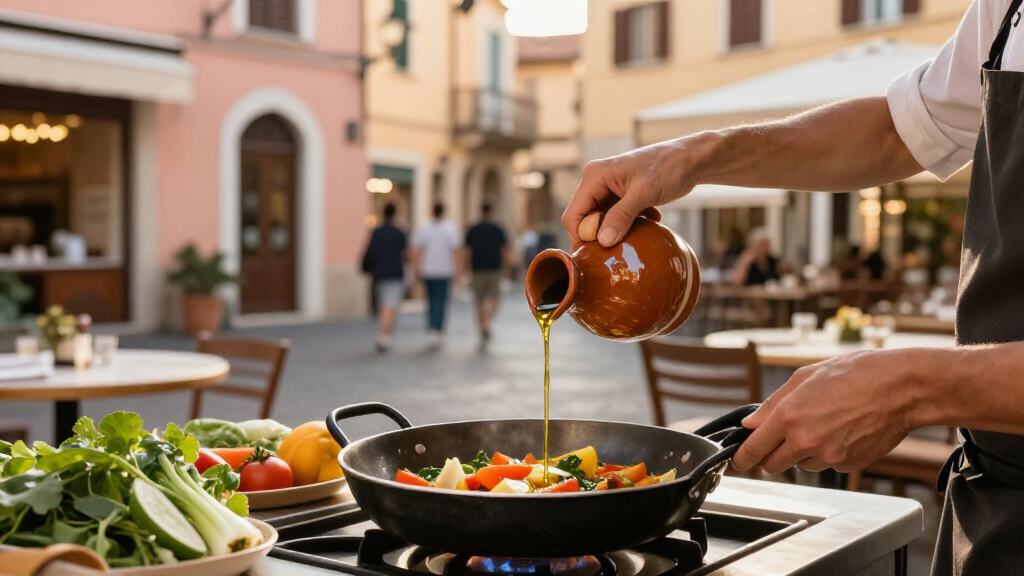
Olive oil is a fresh, perishable food, and its aroma and flavor fade with exposure to light, oxygen, heat, and time. Keep your main supply in a tightly sealed, dark or opaque container in a cool cupboard, then refill a small, clean, completely dry cruet as needed—without topping it up over old oil.
A beautiful olive oil cruet can make weeknight dinner feel like a meal in a trattoria. It can also leave your oil sitting in the light beside a warm stove, slowly losing the grassy, peppery aromas you paid for. That’s the cruet problem: the easiest bottle to pour from is not always the best place to keep your oil.
Think of extra-virgin olive oil as a fresh ingredient, more like coffee beans than an indefinitely stable pantry staple. Its flavor and aroma fade with oxygen, light, heat, and time, even when the oil remains safe to eat. A cruet is useful for serving, but your main supply needs a darker, cooler home.
Here’s how to choose a practical container, store your oil, refill a table cruet, and tell fresh peppery flavor from stale, rancid notes. You’ll also learn what harvest dates can—and can’t—tell you, whether refrigeration helps, and how to bring a little of Liguria or Tuscany to your own table without letting good oil go flat.
At a glance
The Olive Oil Cruet Problem: Keep Oil Fresh
Key insight
A cruet’s convenience can work against freshness: each refill should start with an empty, clean, fully dry vessel, because topping up can mix fresh oil with older oil, air, food residue, or moisture.
Key takeaways
1
Keep most olive oil in its original, tightly sealed dark bottle or tin, stored in a cool cupboard away from the stove and windows.
2
Use a cruet for serving and near-term use; refill it with a modest amount rather than storing the whole supply in it.
3
Empty, wash, rinse, and completely dry a cruet before every refill; don’t top fresh oil over old oil or residue.
4
Look for a harvest date when available, but judge freshness by packaging, storage, and whether the oil still smells and tastes lively.
5
Cloudiness in refrigerated olive oil is a temporary physical change; a stale, waxy, or old-nut aroma is a more useful warning about lost quality.
Step by step
1
Refill Your Cruet Without Mixing Old Oil Into New
Refill an olive oil cruet only after it is empty, washed, and completely dry .
Why Your Olive Oil Cruet Can Make Fresh Oil Go Flat
The olive oil cruet problem is that a serving vessel often exposes oil to more light, air, and warmth than its original container. A cruet makes pouring easy, but clear glass on a sunny counter can work against the flavor you want to preserve. Treat it as a small pourer, not the oil’s long-term home.
Extra-virgin olive oil carries aromas that can suggest fresh grass, green tomato, artichoke, or ripe fruit, depending on the olives and how the oil was made. Those lively notes fade over time. Oxygen enters when you open a container, while light and warmth can speed quality loss. A bottle beside the stove gets a double dose: rising heat from cooking and frequent opening when you reach for it.
That doesn’t mean one dinner’s worth of oil in a cruet will instantly turn bad. The risk grows when you leave a large amount exposed for weeks, keep the stopper loose, or repeatedly warm the vessel on a sunny sill. Imagine a clear cruet parked next to the range through a month of pasta nights; it may still pour smoothly, but its aroma can become dull before you finish it.
In Liguria, where fragrant Taggiasca olive oil often finishes vegetables, fish, or a slice of focaccia, that fresh aroma is part of the pleasure. You don’t need a restaurant kitchen to protect it. Keep the bulk sealed away, then bring a small amount to the table for tonight’s meal.
The useful rule: make your cruet easy to use, but make your main oil supply hard to expose.
Products Worth Considering
eufy Security Video Doorbell E340, Dual Cameras, 2K FHD, 8GB Local Storage
Roborock Q7 L5 Robot Vacuum and Mop Combo
Samsung 65-Inch The Frame Pro Neo QLED 4K TV (2026) Bundle with Modern Brown Bezel, HDMI Cables, and Home Theater Guide
As an affiliate, we earn on qualifying purchases.
Choose a Cruet That Shields Oil From Light and Air
The best olive oil container blocks light, seals well, and suits how quickly you use it. Dark glass, opaque ceramic, and tins can all protect oil from light; no single material wins for every kitchen. For a cruet you refill often, a snug-fitting stopper matters as much as its appearance.
Clear glass is easy to inspect and looks handsome on a table, but it offers little protection from light. It can still work if you fill it with a small amount, keep it in a cupboard between meals, and use it promptly. By contrast, an opaque cruet can sit out more safely, though you may need to check the oil level by pouring or lifting it.
For the main supply, the original dark bottle or a well-sealed tin is often practical. The trade-off is handling: a large tin may be awkward to pour from, while a small bottle may run out quickly if you cook every evening. Choose an amount you’ll use while the oil still smells lively, rather than buying a large container just because the price per ounce looks appealing.
Container
Light protection
Best use
Watch for
Clear glass cruet
Low
Small amount for near-term serving
Sunlight and warm counters
Dark glass bottle
Good
Main supply or everyday use
Loose caps and repeated exposure
Opaque ceramic cruet
Good
Table service and frequent pouring
Hard-to-see oil level; clean the spout
Tin
Good
Protected pantry storage
Choose a manageable size and seal it well
Packaging also involves practical and environmental trade-offs: weight, transport, recycling options, and ease of pouring all matter. Pick a package that blocks light and closes tightly, then decant only what you can use soon. A pretty cruet is a serving choice, not proof that the oil inside is protected.
Store the Main Bottle in a Cool, Dark Cupboard
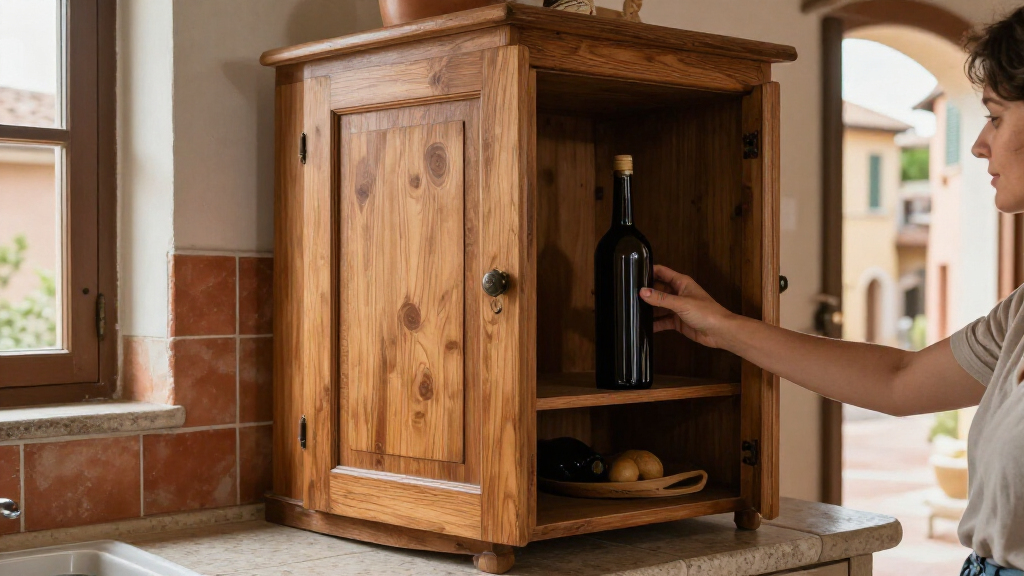
To store olive oil so it stays alive, keep the main supply tightly closed in a cool, dark cupboard, away from the stove, oven, and windows. This simple routine limits the oil’s exposure to light, oxygen, and heat. You don’t need a special wine fridge or a complicated storage setup.
Try this quick routine when you unpack groceries:
Choose a spot. Pick a cupboard away from the oven, dishwasher, radiator, and direct sunlight. A shelf near a cooktop may feel convenient, but it can get warm every time you make soup or roast vegetables.
Close the cap after each pour. Don’t leave the bottle open while you chop onions or set the table. A few extra seconds with the cap on reduces unnecessary contact with air.
Keep it in its protective package. Leave oil in its dark bottle or tin when practical. If you transfer it, use a clean, dry, opaque container with a snug lid.
Buy a sensible amount. If you cook with oil only on weekends, a smaller bottle may taste fresher by the time you finish it than a large tin that sits open for months.
Refill the cruet sparingly. Add enough for the next few meals, not a generous supply you expect to sit on the table all season.
For example, if you drizzle olive oil over minestrone on Tuesday and dress a salad on Thursday, a small cruet fill can handle both meals. The rest stays sealed in the cupboard. This is especially useful in summer, when a bright kitchen counter can heat up long before you notice it.
There is no universal number of days after opening that fits every bottle. The oil’s age at purchase, packaging, temperature, and frequency of opening all affect quality. Follow the producer’s advice when available, and pay attention to aroma and taste rather than treating one date as a promise.
Refill Your Cruet Without Mixing Old Oil Into New
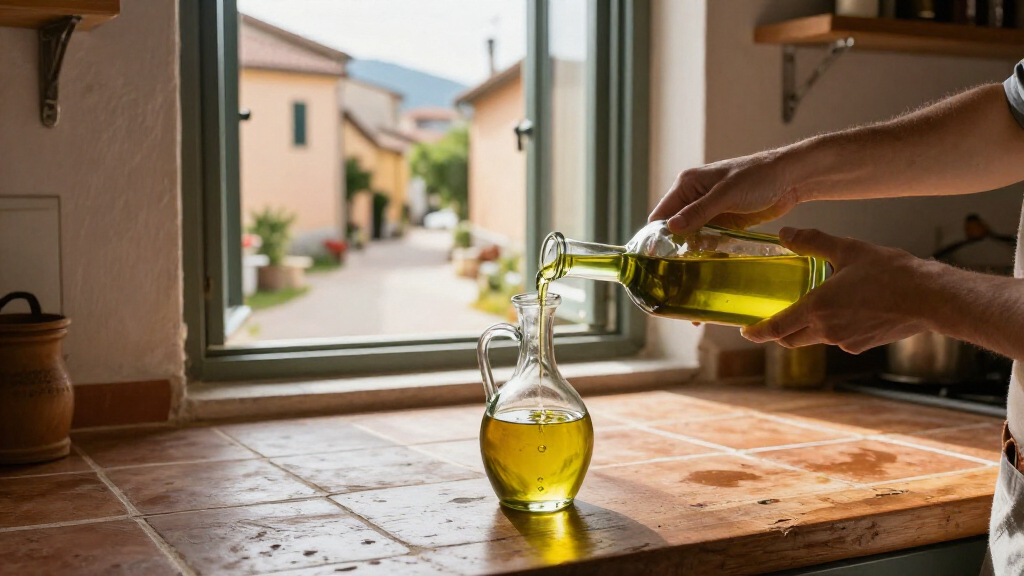
Refill an olive oil cruet only after it is empty, washed, and completely dry. Topping up old oil with fresh oil seems thrifty, but it leaves the older oil and any residue in place. Your new pour joins whatever has been sitting in the spout or bottom of the vessel.
Use this clean-refill routine whenever the cruet runs low:
Pour out the remaining oil. If it smells stale or unpleasant, don’t blend it into the fresh batch. Discard it rather than asking new oil to cover an old flavor.
Wash the cruet and stopper. Use warm water and dish soap, paying attention to the narrow neck and pour spout, where oil can cling.
Rinse thoroughly. Soap residue can affect flavor, so rinse until the vessel no longer feels slick or smells of detergent.
Let every part dry fully. Set the bottle and stopper aside until no water droplets remain. Water trapped inside is a reason to wait, not to refill quickly.
Add a modest amount of fresh oil. Keep the main bottle closed again as soon as you finish pouring.
Picture a cruet that has sat beside the dinner plates for two weeks. Its metal spout may carry a thin film of old oil, even if the glass looks clean. Washing the whole vessel between batches takes a little time, but it keeps the next drizzle over grilled zucchini tasting like olive oil, not the last few meals.
If you use a clear-glass cruet because you love how it looks on the table, make the batch especially small and put it away after dinner. A dark or opaque cruet gives you more flexibility, but it still needs a clean, dry refill and a closed stopper. Convenience should never mean repeatedly topping up a bottle you haven’t cleaned.
Use Harvest Dates and Your Nose to Judge Freshness
A harvest date can help you judge an olive oil’s age, while the best-by date gives a quality guideline; neither tells the whole story. Storage and packaging matter too, and oil can lose its vivid character even before a printed date passes. When you shop, look for harvest information, origin, and lot details when producers provide them.
Recent interest in freshness and traceability has made harvest dates easier to spot on some labels. That’s useful, but don’t treat a date as a guarantee of flavor. A bottle harvested earlier and stored well in an opaque package may fare better than one exposed to bright store lights and a warm kitchen after purchase.
Your nose and palate are practical tools. Fresh extra-virgin olive oil may smell fruity, grassy, or herbal, and a peppery catch at the back of your throat can be normal. Rancid oil is more likely to smell stale, waxy, crayon-like, or like old nuts. Bitterness or pepperiness alone does not mean spoilage.
Try a small taste before using an oil raw on bread, salad, or Tuscan ribollita, a hearty bread-and-vegetable soup. If it smells lively and tastes pleasant, it can bring the dish to life; if it has a flat, waxy note, replace it for finishing. The oil may still be usable in cooking if the flavor hasn’t turned unpleasant, but stale oil won’t improve a delicate dish.
Olive oil can become rancid and lose flavor; it does not spoil in exactly the same way as milk or fresh fish. Don’t rely on a sniff to prove food safety in every situation, but do take strong off-odors as a clear reason not to serve it. Store it well, check it now and then, and let its actual condition guide your choice.
Refrigeration Is Optional, Not a Freshness Shortcut
Most households can keep olive oil in a cool, dark cupboard without refrigerating it. Cold temperatures may make oil cloudy or firm, but that change is physical and does not by itself mean the oil has gone bad. For everyday cooking, a stable cupboard is usually simpler than moving the bottle in and out of the refrigerator.
Refrigeration can make sense if you need to store oil for a longer period or your home stays hot. The trade-off is convenience: cold oil can pour slowly, and repeated warming and cooling may be bothersome. If you do refrigerate a large supply, consider keeping a smaller amount in a cupboard for regular use and leaving the rest undisturbed in the cold.
For instance, a family in a warm apartment that buys a larger tin may choose to protect the reserve from heat and refill a small bottle as needed. A cook in a cooler home who uses a modest bottle quickly may get no practical benefit from refrigeration. The right choice depends on temperature, quantity, and how fast you use the oil—not on a claim that cold automatically makes it better.
When chilled oil looks cloudy, let it return to room temperature before judging its appearance or pouring it. Don’t heat the bottle on the stove or near an oven to make it flow faster. Gentle warming in the kitchen is enough; direct heat adds another avoidable stress to a fresh ingredient.
Storage advice should focus on quality and flavor, not promises that a particular cruet or temperature makes the oil healthier. Olive oil contains monounsaturated fats and naturally occurring compounds, but no storage vessel can turn old oil into fresh oil. Your goal is straightforward: slow flavor loss and enjoy the oil while its aroma still shines.
Match the Cruet to How You Actually Cook
The right cruet depends on how quickly you use oil and whether you serve it raw, cook with it, or both. A person who finishes a small bottle each week has different needs from someone who only drizzles oil over Sunday vegetables. Start with your habits, then choose a vessel that protects the amount you keep within reach.
If you make salads most nights, a small opaque cruet can keep a week’s worth of oil easy to pour, while the rest stays sealed in its original package. If you mainly cook with oil and rarely use it at the table, skip the permanent countertop display: keep the bottle in the cupboard and pour directly when you need it. There’s no rule that says oil must live beside the salt.
For a dinner inspired by Puglia, you might serve a small dish of extra-virgin olive oil with bread, or finish grilled vegetables with a thread of local oil. That’s a good time to bring out a clean cruet filled just for the meal. After dinner, return it to a cupboard rather than leaving it in a bright patch of afternoon sun.
Shopping choices matter here. If you use oil slowly, a smaller dark bottle may be more practical than a large container, even if the larger option costs less per ounce. If you cook often, a tin can protect your reserve while a small cruet handles the evening’s pouring. Sustainability and recycling vary by package and location, so balance those concerns with size, storage, and ease of use.
For frequent raw use: choose a small, easy-to-clean cruet with a tight stopper.
For slow use: buy less at a time and keep the main container sealed in a cupboard.
For a hot kitchen: move oil away from appliances and windows; consider protecting a reserve from heat.
For table service: fill only what you expect to use soon, then put it away.
A useful vessel should fit your dinner routine, not demand that you change your kitchen around it. The best-looking cruet is no bargain if you keep more oil in it than you can enjoy while it’s fresh.
Frequently Asked Questions
Does olive oil go bad?
Olive oil can become rancid and lose its fresh aroma and flavor, though it does not spoil in exactly the same way as highly perishable foods. If it smells stale, waxy, crayon-like, or like old nuts, replace it rather than using it to finish a dish.
How long does olive oil last after opening?
There is no single cutoff that fits every bottle. The oil’s age when you buy it, the package, storage temperature, and how often you open it all affect quality, so seal it well, keep it in a cool dark place, and follow the producer’s guidance when available.
Is a clear glass cruet safe for olive oil?
Clear glass can hold olive oil, but it blocks less light than dark glass or an opaque container. Use it for a small amount you’ll finish soon, and keep it away from windows, the stove, and other warm or sunny spots.
Can I keep topping up my olive oil cruet?
It’s better to empty, wash, rinse, and fully dry the cruet before adding fresh oil. Topping it up can mix new oil with older oil, residue, or moisture left inside the bottle or spout.
Should I refrigerate olive oil?
Most households can store olive oil in a cool, dark cupboard. Refrigeration may help when you need to store oil longer or your home is hot, but cold can make the oil cloudy or firm temporarily; that change alone does not mean it has gone bad.
Does a peppery taste mean olive oil is spoiled?
No. A peppery bite or mild bitterness can be a normal feature of fresh extra-virgin olive oil. Stale, waxy, crayon-like, or old-nut aromas are more suggestive of rancidity than pepperiness by itself.
Is the harvest date more useful than the best-by date?
A harvest date offers a direct clue to when the olives were picked, while a best-by date is a quality guideline. Neither tells the whole story: packaging, storage conditions, and time since opening also shape the oil’s freshness.
Conclusion
Keep the bulk of your olive oil sealed, cool, and out of the light, then use a clean cruet for a small amount you’ll enjoy soon. That simple split protects the oil without giving up the pleasure of an easy pour.
Next time you set the table for pasta or warm focaccia, let the cruet make dinner easier—not make your fresh oil fade on the counter.