
TL;DR

Get kitchen staples and gadgets delivered free with Prime
- Fast, free delivery on millions of items
- Prime Video, Amazon Music and more included
- Member-only deals all year
Ognissanti, or Tutti i Santi, is Italy’s November 1 public holiday honoring all saints; November 2, Giorno dei Morti, is the day many families remember deceased relatives and visit cemeteries. Halloween is increasingly visible in Italian cities, but it is a separate October 31 celebration. Expect flowers at cemeteries, regional seasonal foods, family gatherings, and holiday hours that call for a little advance planning.
On an autumn visit to Italy, you might see a costume party poster in a city window and, a day later, a cemetery glowing with chrysanthemums. Both belong to the season, but they tell different stories. Halloween falls on October 31; Ognissanti, meaning “All Saints,” is the public holiday on November 1.
This guide explains what Ognissanti looks like in Italy, how it differs from Giorno dei Morti (“Day of the Dead,” or All Souls’ Day) on November 2, and what those dates mean for your trip. You’ll get practical advice on holiday hours, respectful cemetery visits, and the regional sweets worth looking for when the air turns cool and bakeries fill with seasonal treats.
Think of the long weekend as a chance to see a more local rhythm: families gathering, flowers being carried through neighborhood streets, and towns taking a slower pace. With a few checks before you travel, you can take part as an observant visitor without mistaking a Catholic feast for an Italian version of Halloween.
Ognissanti, also called Tutti i Santi, is November 1 and honors all saints; Giorno dei Morti is November 2 and centers on remembering the dead.
Halloween falls on October 31 and is increasingly visible in cities, but it is not the same observance as Ognissanti.
Treat November 1 as a public holiday: confirm museum, shop, restaurant, and transit schedules for your exact date.
Chrysanthemums are commonly linked with remembrance and graves in Italy, so cemetery visits around these dates call for a quiet, respectful approach.
Food traditions vary by region; ask a local bakery what people eat for Ognissanti and check ingredients if you have allergies.
Italy · November 1–2 · Traveler’s field guide
A Halloween Trip to Italy? What Ognissanti Really Looks Like
Ognissanti, or Tutti i Santi, is Italy’s November 1 public holiday honoring all saints. On November 2, Giorno dei Morti brings many families to remember deceased relatives. Halloween is visible too—but it is a separate October 31 celebration.
Read the rhythm of the season
The observances sit side by side on the calendar, but each has its own focus. Local customs vary by town and family.
Halloween
Increasingly visible in cities and tourist areas, with parties, decorations, and activities for children.
Ognissanti
Also called Tutti i Santi, “All Saints.” A Catholic feast honoring all saints, often marked by Mass and family gatherings.
Giorno dei Morti
“Day of the Dead,” corresponding to All Souls’ Day. Many people remember deceased relatives and visit cemeteries.
From city lights to quiet remembrance
Halloween events can share the season with older religious and family traditions without replacing them.
October 31
Look for costume parties, themed restaurant nights, and children’s events—especially in larger cities.
November 1
Expect a public-holiday pace: Mass, family meals, short trips, and some business closures.
November 1–2
Families may tend graves and bring flowers, especially chrysanthemums, to cemeteries.
Across regions
Seasonal foods and customs differ. Ask what is typical where you are visiting.
Make room for holiday hours
November 1 is a national public holiday. Government offices and many businesses close; museums, shops, and attractions set their own schedules.
Build a flexible day
A venue open on an ordinary weekday may change its hours for Ognissanti. Holiday weekends can also bring domestic trips, altered transit timetables, and busy routes between cities.
For a day in Bologna, for example, anchor the plan with a confirmed booking and keep an outdoor stroll beneath the porticoes as a flexible option.
See which weekdays November 1 and 2 fall on during your trip; nearby weekends can affect travel patterns.
Check each museum, attraction, restaurant, and shop directly, including its own booking page.
Verify the operator’s timetable for your specific date and route, especially for day trips.
Choose a walk, piazza, or neighborhood food stop that still works if a venue is closed.
Notice the flowers. Respect the moment.
Cemeteries are places of family remembrance. Hours and local arrangements can vary.
Chrysanthemums carry meaning
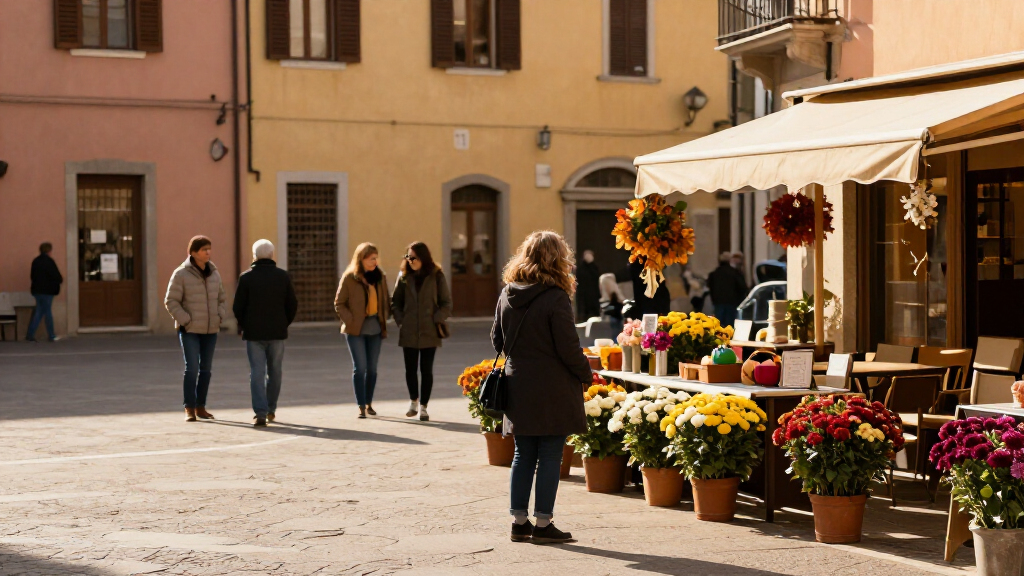
In Italy, chrysanthemums are commonly associated with remembrance and graves. Around November 1 and 2, cemeteries may be busy with families bringing flowers and tending burial plots.
The atmosphere is generally quiet and reflective. Customs differ by place, so follow local cues and give families space.
Follow local flavors
There is no single nationwide Ognissanti menu. Seasonal sweets and family dishes vary by region—a local bakery or market is a good place to start. Check ingredients if you have allergies.
Understand what Ognissanti means before you book
Ognissanti in Italy is the November 1 Catholic feast honoring all saints, and a national public holiday. The name also appears as Tutti i Santi, or “All Saints.” It is a religious observance with family and community traditions, not a nationwide costume celebration or an Italian version of Halloween.
November 2 is a related but distinct day: Giorno dei Morti, translated as “Day of the Dead,” corresponds to All Souls’ Day and focuses on remembering deceased relatives. Many families attend to graves around both dates, though local habits and individual beliefs vary. If you’re visiting a town on November 1, you may find Masses, family meals, and a quieter street scene rather than a full calendar of tourist events.
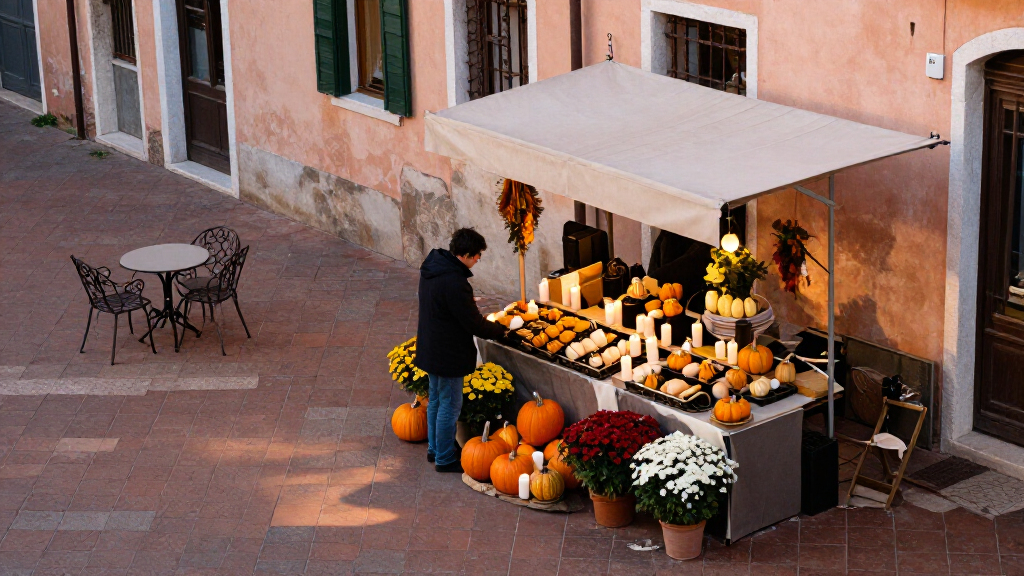
That distinction helps you read what you see. A wreath or a cluster of chrysanthemums outside a cemetery is a sign of remembrance, not Halloween decoration. In a larger city, meanwhile, a bar advertising a costume party on October 31 belongs to the newer, more pop-culture side of the season. Both can coexist within a few blocks, but they are not the same tradition.
For a traveler, the simplest plan is to treat November 1 as a holiday and November 2 as a day when cemetery visits may be especially visible. If you are in Florence, for example, a lively evening event on October 31 could give way to a quieter public holiday the following morning. Let the date guide your expectations, and you’ll have a clearer sense of the rhythm around you.

Products Worth Considering

Bose TV Speaker Compact Soundbar with Bluetooth and HDMI-ARC, Black

Sonos Era 100 SL Compact Microphone-Free Speaker, Black

Bose TV Speaker (2nd Gen) Compact Soundbar with Bluetooth and HDMI-ARC, Black
As an affiliate, we earn on qualifying purchases.
Tell Halloween apart from Italy’s November observances
Halloween in Italy is October 31 and is increasingly visible in cities and tourist areas through parties, decorations, and activities for children. Ognissanti falls the next day and keeps a different religious and commemorative focus. One evening may bring shop windows with pumpkins; the next may bring families carrying flowers to a cemetery.
The growth of Halloween events doesn’t mean every town celebrates in the same way. In a large city, you may see a themed night at a restaurant or a children’s event in a public space. In a smaller town, Halloween might receive little attention, while the November observances shape the family calendar. The difference can also depend on the year: check current local listings instead of assuming a particular event will return.
Here’s a useful way to plan: treat Halloween as an optional evening activity, and treat November 1 as a public holiday that can affect your daytime schedule. If you’re hoping to visit a museum, book a ticket where possible and verify its holiday hours directly. If you’re hoping to see everyday neighborhood life, a morning walk may be more rewarding than a packed sightseeing itinerary.
The comparison matters most when you’re setting expectations. Don’t book a trip expecting Italy to feel like a giant Halloween festival. Instead, you can enjoy a costume event if one fits your plans, then leave room for the quieter observances that make the first days of November feel distinct.
| Date | What it marks | What you may notice |
|---|---|---|
| October 31 | Halloween | Parties, costumes, and children’s activities, especially in larger cities |
| November 1 | Ognissanti, or Tutti i Santi | A public holiday, Mass, family gatherings, and some closures |
| November 2 | Giorno dei Morti, or All Souls’ Day | Remembrance of deceased relatives and visits to cemeteries |
Plan around November 1 closures and changing schedules
November 1 is a public holiday in Italy, so government offices and many businesses close, while museums, shops, and attractions set their own hours. Don’t assume that a place open on an ordinary Tuesday will follow its usual schedule on Ognissanti. A quick check with the venue can save you a wasted walk across town.
Holiday weekends can also bring domestic trips, altered transit schedules, and busier routes between cities. Picture a plan to visit a hill town for lunch: the train may run on a holiday timetable, a small shop may close for the day, and the restaurant may require a reservation because local families are dining out. None of that makes travel difficult, but it rewards a little flexibility.
Use these steps when you build your itinerary:
- Check the calendar. See which weekdays November 1 and 2 fall on during your trip; a date near a weekend can change how people travel.
- Confirm hours directly. Check each museum, attraction, restaurant, and shop you most want to visit, including its own website or booking page.
- Look up local transit. Verify the operator’s timetable for the specific date and route, especially if you plan a day trip.
- Keep one flexible option. Choose a walk, piazza, or neighborhood food stop that still works if a venue closes.
For instance, if you’re spending November 1 in Bologna, you could keep a booked visit as the anchor and leave an outdoor stroll through the porticoes for the afternoon. If the schedule changes, the day still has shape. The practical takeaway: plan key visits ahead, but don’t fill every hour with timed entries.
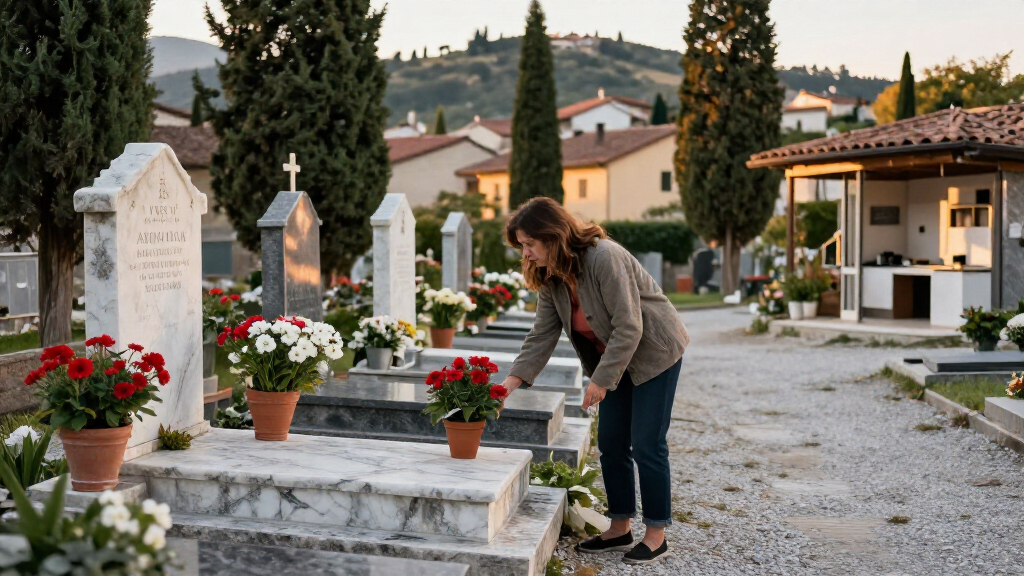
Visit a cemetery with care and notice what the flowers mean
Italian cemeteries around Ognissanti often hold family visits, grave tending, and a profusion of flowers, especially chrysanthemums. The atmosphere is generally respectful and reflective, though practices vary from town to town. A cemetery can be a meaningful place to observe a local custom, but it is also a place where people are grieving and remembering loved ones.
Chrysanthemums have a particular association with remembrance and graves in Italy. Their dense blooms and vivid colors stand out against stone plots, especially in the cool late-autumn light. If you come from a place where the flower carries a different meaning, take this as a useful reminder that familiar plants can tell different cultural stories. A florist near a cemetery may be busy with people choosing arrangements for family graves.
If you decide to visit, follow the tone set by the people around you. Speak softly, give families room, and avoid photographing individuals or private graves without permission. Check local opening hours and arrangements, and step aside during services. You don’t need to make a spectacle of the visit; a quiet walk along a public path can show you the season’s rituals without intruding.
Imagine arriving in a neighborhood cemetery on the morning of November 2: someone is setting fresh flowers into a vase, a family is pausing at a grave, and the usual city noise seems far away. You can appreciate the scene while keeping your camera away and letting people have their privacy. If you want to learn more, a local cultural guide or museum may offer context in a setting designed for visitors.
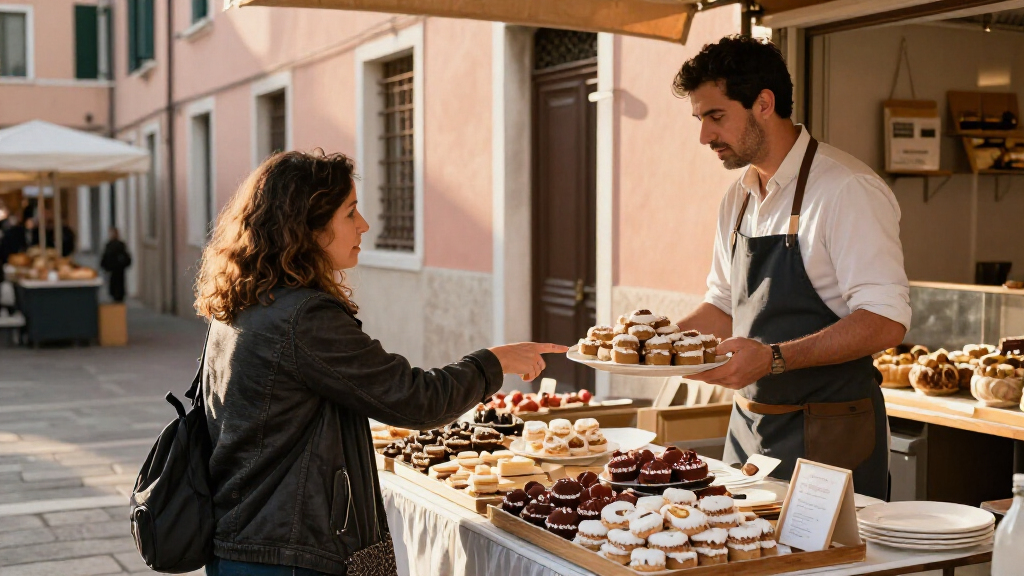
Find the local sweets instead of searching for one national menu
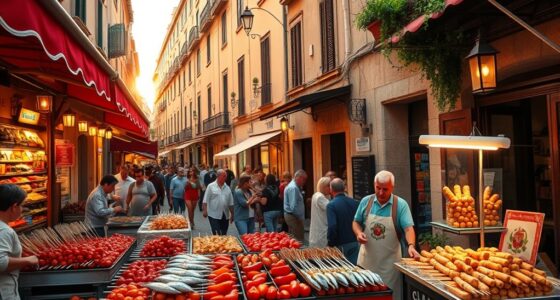
There is no single nationwide Ognissanti menu; seasonal sweets and family dishes vary across Italy. That variation makes a bakery visit more useful than looking for one dish that supposedly represents the whole country. Ask what people in that town eat around All Saints’ Day, then look for the answer in the pastry case or at a local market.
Late autumn gives you plenty to notice even before you know the names: the warm smell of baked dough, trays of cookies dusted with sugar, and chestnuts appearing at market stalls. A bakery in one region may emphasize a particular sweet, while a shop elsewhere has a different seasonal specialty. The detail that matters is local custom, so a recipe associated with one place should not be presented as an Italian-wide rule.
Try a simple approach. In the morning, ask a baker, “Che dolci si mangiano per Ognissanti qui?”—“What sweets do people eat for All Saints’ Day here?” If you’re staying in Palermo, ask there; if you’re spending the holiday in a town in Veneto, ask there instead. The answer can turn an ordinary coffee stop into a small piece of food history, and you may discover a regional treat you wouldn’t have found on a generic list.
For food safety, choose a bakery with a good turnover and follow its guidance on storage, especially for cream-filled pastries or anything that needs refrigeration. If you have allergies, ask about ingredients before ordering; baked goods often contain wheat, eggs, milk, or nuts, and recipes can share equipment. That little question protects your appetite and makes room for a more enjoyable taste of the place.
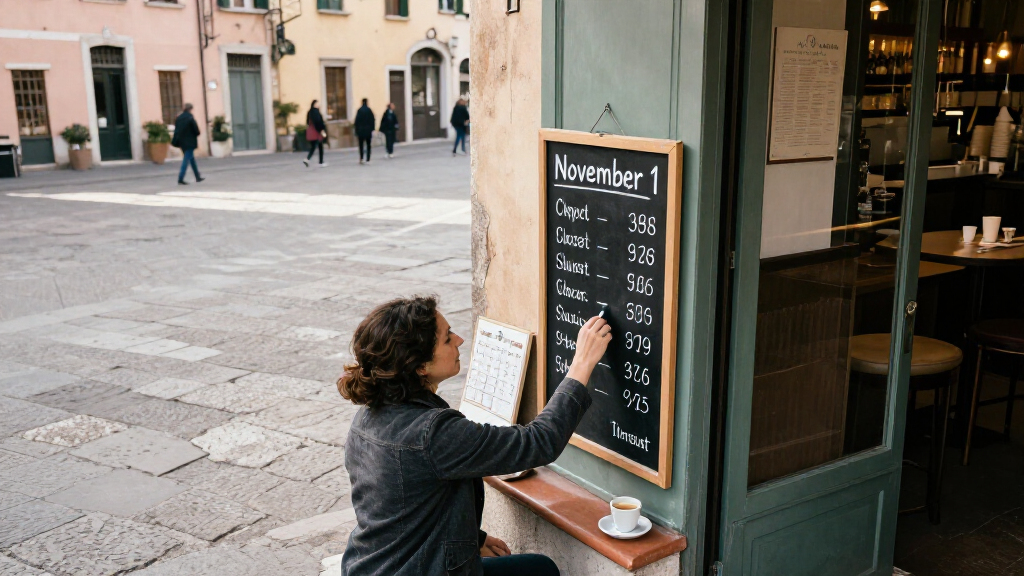
Make the long weekend feel like a local autumn trip
An Ognissanti trip works best with a lighter itinerary: anchor the day around one confirmed activity, then leave space for a neighborhood walk, a seasonal bakery stop, or a family-run lunch. The holiday can bring a slower pace, but it also brings visitors on the roads and some changing schedules. A little room in your plan lets you enjoy both sides.
For example, you might spend the morning at a museum whose November 1 hours you confirmed, have lunch near a market, and take a walk through a historic district in the afternoon. If the museum is closed, switch the order: stroll first, then find a café or bakery. In late autumn, shorter daylight makes it wise to check closing times and plan outdoor sightseeing earlier rather than assuming you can fit it in after dinner.
Keep transport practical. Buy intercity tickets in advance if your route is popular, check local service notices, and leave extra time if you’re connecting to a bus or regional train. If you’re renting a car to visit the countryside, verify parking and opening hours in your destination before setting out. A holiday drive through the hills can be beautiful, with bare vines and woodsmoke in the air, but a closed restaurant can leave you searching for lunch in a quiet village.
Keep your expectations flexible, too. You may find a lively Halloween event on October 31, a very quiet morning on November 1, and busy cemetery paths on November 2. That sequence offers a better picture of the season than trying to turn every date into a festival. Respect the local pace, eat what the region is making, and let the trip change shape as the day unfolds.
Frequently Asked Questions
What does Ognissanti mean in Italy?
Ognissanti means “All Saints” and refers to the Catholic feast on November 1 honoring all saints. It is a public holiday in Italy, and local families may attend Mass, share a meal, or take a short trip.
Is Ognissanti an Italian version of Halloween?
No. Halloween is October 31 and is increasingly marked by parties and events, especially in larger cities. Ognissanti on November 1 is a separate Catholic observance; November 2, Giorno dei Morti, is associated with remembering the dead.
Are shops and attractions open on November 1?
Some places close or reduce their hours because November 1 is a public holiday, while some tourist attractions remain open. Check directly with the museum, shop, or restaurant you want to visit, and confirm local transit times for that date.
Can visitors go to cemeteries around All Souls’ Day?
Cemeteries are generally accessible, but hours and local arrangements vary. Expect families tending graves and bringing flowers; keep your voice low, give people privacy, and ask before photographing anyone or a private grave.
What food should I try for Ognissanti?
There is no single national Ognissanti dish; seasonal sweets and family foods differ by region. Ask a local baker what people eat for the holiday, and check ingredients if you have allergies because pastries may contain wheat, eggs, milk, or nuts.
Conclusion
Plan for November 1 as a holiday, understand that Halloween and Ognissanti are different, and leave time to notice what your destination actually does. Check the opening hours that matter, follow local cemetery etiquette, and ask a baker what’s in season rather than hunting for a single national dish.
Then take the long way through town. In early November, Italy can offer a costume poster in one window, chrysanthemums at the cemetery gate, and the warm scent of fresh pastries drifting from a bakery down the street.