
TL;DR

Get kitchen staples and gadgets delivered free with Prime
- Fast, free delivery on millions of items
- Prime Video, Amazon Music and more included
- Member-only deals all year
You can make authentic Pizza Margherita at home using high-quality ingredients, proper dough fermentation, and a preheated pizza steel or stone. High heat and minimal toppings are key to achieving that blistered, airy crust reminiscent of Naples’ pizzerias.
Imagine biting into a slice of Pizza Margherita with a thin, blistered crust, fragrant basil leaves, and the rich, tangy flavor of San Marzano tomatoes. It’s a simple dish, yet when done right, it captures the soul of Naples. But you don’t need a wood-fired oven or a trip to Italy to recreate that magic at home.
Many home cooks feel limited by their equipment, but with a few smart choices—like using a pizza steel, selecting authentic ingredients, and understanding the nuances of dough fermentation—you can get impressively close. This isn’t about perfect imitation; it’s about understanding the essentials and making them work in your kitchen. Whether you’re a seasoned home chef or a curious beginner, this guide will walk you through every step, from ingredient sourcing to oven setup, so your next pizza night feels like a trip to the heart of Naples.
Use high-quality Italian ingredients—especially 00 flour, San Marzano tomatoes, and fresh mozzarella—to capture authentic flavors.
Long fermentation (24-72 hours) in the fridge enhances dough flavor, elasticity, and digestibility.
Preheat a pizza steel or stone in your oven at the highest setting for at least 45 minutes to mimic a wood-fired oven’s heat.
Shape the dough gently by hand, keeping toppings minimal to prevent sogginess and achieve that airy, blistered crust.
Bake at the highest temperature possible, around 450-500°F, for 7-10 minutes to get that classic char and bubbles.
Choose the Right Ingredients for Authentic Flavor
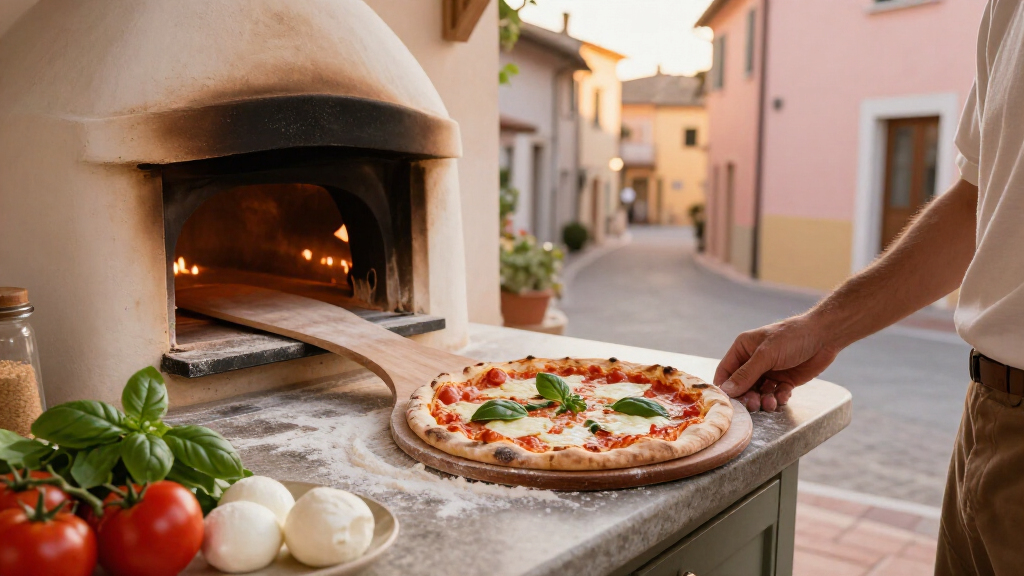
The foundation of a great Pizza Margherita is in its ingredients. Authenticity starts here. Use Italian 00 flour for the dough—its fine grind and high gluten content create that tender yet chewy crust characteristic of Neapolitan pizza. For the sauce, San Marzano tomatoes are king. Their sweet, low-acid profile and dense flesh make a vibrant, balanced base. If you can’t find them, look for high-quality canned tomatoes from Italy or similar varieties.
Fresh mozzarella is non-negotiable. Mozzarella di bufala offers a creamy, slightly tangy flavor, while fior di latte (fresh cow’s milk mozzarella) provides a milder, more elastic bite. Fresh basil leaves add that unmistakable aroma, and a drizzle of extra virgin olive oil finishes the dish with richness. Don’t forget sea salt—preferably coarse—used sparingly to heighten flavors.
Selecting high-quality ingredients is crucial because each component contributes to the overall harmony of the pizza. For example, San Marzano tomatoes are cultivated in volcanic soil, which imparts a unique sweetness and depth of flavor that cheaper varieties lack. Similarly, authentic mozzarella has a balanced moisture content that melts beautifully without making the crust soggy. The tradeoff often involves higher cost and availability, but these ingredients are what elevate a homemade pizza from simple to exceptional. When ingredients are fresh and authentic, they allow the natural flavors to shine through, reducing the need for excessive seasoning or toppings that could compromise the crust’s texture.

As an affiliate, we earn on qualifying purchases.
Master the Dough: Long Fermentation and Hydration
The process of dough fermentation is fundamental because it influences flavor, texture, and digestibility. Longer fermentation times enable enzymes to break down complex carbohydrates and gluten proteins, resulting in a more flavorful and easier-to-digest crust. When dough ferments for 24 to 72 hours, it develops a nuanced profile with subtle sour notes and a more resilient gluten network that can stretch thinner without tearing.
Hydration level, typically around 62-65%, affects the dough’s extensibility and the final crust’s airiness. Higher hydration creates a more open crumb structure with larger, irregular bubbles, which are characteristic of Neapolitan pizza. However, wetter dough can be more challenging to handle and requires a gentle hand during shaping. The tradeoff involves balancing ease of handling with achieving that light, airy texture.
Proper fermentation also impacts flavor complexity. As yeast ferments the sugars in the dough over time, it produces carbon dioxide and alcohols that contribute to aroma and taste. This slow process yields a crust with depth and richness that quick rises cannot replicate. From a practical standpoint, controlling temperature and time during fermentation allows bakers to fine-tune these flavor profiles and crust characteristics, making long fermentation a key step in authentic pizza preparation.

Preheat Your Oven and Use a Pizza Steel or Stone
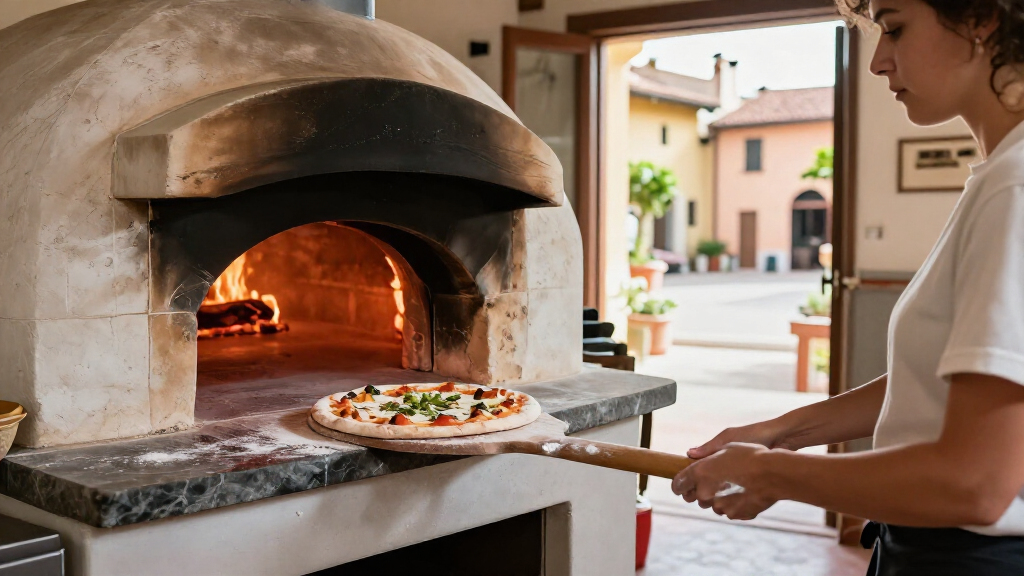
The biggest challenge in home pizza making is mimicking the intense heat of Naples’ wood-fired ovens. Your home oven maxes out around 500°F (260°C), which is significantly lower than traditional Neapolitan ovens that operate at 800-900°F (430-480°C). To compensate, preheating your oven to its maximum setting for at least 45 minutes is essential to develop a hot environment. Incorporating a pizza steel or a thick baking stone inside amplifies this effect, as these tools absorb and radiate heat more efficiently than standard baking sheets.
A pizza steel conducts heat directly to the dough, creating a rapid transfer that results in a crisp, blistered crust. This high thermal conductivity allows the crust to develop those characteristic charred spots and airy bubbles that define authentic Neapolitan pizza. The tradeoff is that steels and stones are heavy and require careful handling, but their ability to simulate high-temperature environments makes them invaluable for home cooks aiming for professional-quality results.
Using a high-quality steel or stone, along with thorough preheating, can significantly close the gap between home and pizzeria results. For instance, preheating a steel at 500°F for at least 45 minutes ensures the surface is hot enough to quickly cook the dough’s exterior while maintaining a moist interior. This rapid cooking cycle is what produces the distinctive blistering and airy texture typical of Naples-style pizza, even in a standard home oven.
Frequently Asked Questions
Can I make authentic Pizza Margherita in a standard home oven?
Yes, you can. Preheat your oven with a pizza steel or stone at the highest temperature for at least 45 minutes. Use quality ingredients and keep toppings minimal. While it won’t be exactly like a wood-fired oven, you’ll achieve a crispy, blistered crust and vibrant flavors.What type of flour should I use for the dough?
Italian 00 flour is ideal because of its fine grind and gluten properties, which create that tender yet chewy crust. If unavailable, all-purpose flour can work with a slightly higher hydration and longer fermentation, but the texture won’t be quite the same.How long should I ferment the dough?
Aim for 24 to 72 hours in the fridge. This long, slow fermentation develops complex flavors and improves dough elasticity. It’s worth planning ahead—dough prepared a day or two in advance will produce a noticeably better crust.What’s the best way to prevent sogginess?
Use a preheated pizza steel or stone, keep toppings light, and avoid excess moisture. Also, bake at the highest temperature possible. Let the pizza rest for a minute after baking to allow excess steam to escape before slicing.Are there shortcuts to getting closer to Naples-style pizza?
Yes. Using a pizza steel, authentic ingredients, and long fermentation helps. Some also finish the pizza under the broiler for a minute or two to increase blistering. Remember, patience and quality matter more than fancy equipment.Conclusion
Making Pizza Margherita at home isn’t just about copying a recipe; it’s about understanding the elements that make it special. High heat, quality ingredients, and patience in fermentation transform your kitchen into a tiny Naples. With a little practice, you’ll find yourself craving this simple, perfect slice—no matter where you are.
Remember, the secret isn’t in fancy equipment but in respecting the process. Your next pizza night could become a weekly ritual that transports you to Italy with every bite. So, gather your ingredients, turn up the heat, and get ready to enjoy a slice of Naples in your own home.
Halloween Picks
halloween
As an affiliate, we earn on qualifying purchases.