TL;DR

Get kitchen staples and gadgets delivered free with Prime
- Fast, free delivery on millions of items
- Prime Video, Amazon Music and more included
- Member-only deals all year
Naples is widely regarded as the birthplace of modern pizza, and a Margherita or marinara is a useful first order because it lets you taste the dough, tomato, and brief, high-heat bake. Plan a short list of pizzerias, check current hours and booking rules, and leave room for fried street snacks, seafood, pastries, and espresso. Restaurant details and allergy practices vary, so confirm them directly before you go.
Order a Margherita or marinara first to taste the dough, tomato, and high-heat bake clearly.
Check restaurant hours, booking rules, menus, and holiday schedules directly before traveling across Naples for a meal.
Make room for cuoppo, frittatina di pasta, seafood, sfogliatella, babà, and espresso alongside pizza.
Ask restaurants directly about allergens and cross-contact; traditional pizza dough contains wheat and Margherita usually contains dairy.
Keep a nearby alternative and open time in your plan so a queue does not take over the day.
Naples food guide · Plan the perfect pizza pilgrimage
Food and Dining Experiences in Naples: The Pizza Pilgrimage, Planned Right
Start with a classic pie, then follow your appetite into fried street snacks, seafood, pastries, and espresso. A flexible shortlist makes room for the meal and the city around it.
01 / Begin with the classics
Two pies, one clear first taste
Keep the first order simple. These landmark toppings let the dough, tomato, and high-heat bake come through.
Margherita
Tomato, mozzarella, and basil. The cheese brings richness and moisture against the tender center and puffed rim.
Contains dairy; dough contains wheatMarinara
Tomato, garlic, oregano, and oil. Traditionally made without cheese, it offers a lighter, sharper balance.
Confirm ingredients with the restaurantSoft meets blistered
Neapolitan pizza is tender in the middle, with an airy raised crust and dark spots from a very hot, short bake.
Eat fresh from the oven02 / Beyond the pizzeria
Make room for the rest of Naples
A bakery stop or a paper cone of hot snacks can become the day’s best memory. Mix quick bites with a relaxed meal.
Cuoppo & frittatina
A cuoppo is a paper cone of fried bites; frittatina di pasta has a crisp shell and a soft, savory center.
Hot · Portable · SavoryFolded or fried pizza
Pizza a portafoglio is folded for the walk. Pizza fritta is fried dough, often stuffed with a hearty filling.
Different textures, same city spiritPastries & espresso
Look for sfogliatella and babà, then stop for espresso at a busy café bar, often enjoyed quickly at the counter.
Leave a little appetiteFollow Campania’s coast and seasons
Naples dining reaches beyond pizza: coastal seafood, seasonal produce, local cheeses, ragù, and sociable meals all belong in the picture.
TSG is context, not a ranking
Pizza Napoletana has EU Traditional Speciality Guaranteed status for traditional ingredients and preparation. It does not certify every excellent pizzeria or guarantee a particular preference.
03 / Plan the pilgrimage
A little structure. Plenty of breathing room.
Queues, hours, and booking rules vary. A practical plan protects time for both the meal and everything else you came to see.
Choose a short list
Pick two or three pizzerias that fit your neighborhood plans. Keep a convenient second choice nearby.
Check today’s details
Confirm hours, booking rules, menu, and holiday changes directly with the restaurant before setting out.
Allow for the line
Popular spots can be busy at peak meal times. Set a wait limit, especially if you have timed tickets afterward.
Keep a nearby backup
If the queue takes over, switch to a bakery, café, market, or another planned stop. You can return for pizza later.
Planning priorities · qualitative guide, not measured data
04 / A simple route through the day
Let the food set the rhythm
Build a frame for the day, then adjust to appetite, opening times, and how long you want to wait.
Shortlist
Choose a few options close to planned sights.
Verify
Check the current schedule and booking policy.
Order simply
Start with Margherita or marinara, eaten hot.
Explore
Add street snacks, seafood, a pastry, or espresso.
Stay flexible
Use a nearby backup if the line or timing shifts.
05 / Practical notes
Small details make the day easier
Restaurant information changes, and every traveler’s needs differ. A direct check is the most useful final step.
Mind the meal hours
Lunch and dinner times may differ from what you expect. Peak periods can bring longer waits; off-peak timing may ease the pressure.
Leave a buffer
Parts of the historic center are walkable, but traffic and hills affect travel time. Comfortable shoes help between stops.
Ask about allergens
Traditional dough contains wheat and Margherita usually contains dairy. Ask the restaurant directly about ingredients and cross-contact.
Plan the frame, not every bite
Choose a manageable shortlist, confirm details, and leave open time. A queue should not have to decide the shape of your whole day.
Choose what fits your trip
Travel coverage can make celebrated spots especially visible. Personal taste, wait times, neighborhood plans, and current menus all matter.
Start with a Margherita or marinara to taste what makes Naples pizza special
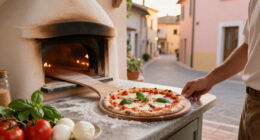
Neapolitan pizza is a round, soft-centered pie with an airy, raised crust, traditionally baked very briefly in a very hot oven. In Naples, a Margherita or marinara gives you a clear first taste of that style: the dough and bake matter as much as the toppings. Order one when you can sit down and eat it fresh from the oven, while the center is still tender and the crust warm. A Margherita pairs tomato with mozzarella and basil. A marinara uses tomato, garlic, oregano, and oil, and traditionally contains no cheese. These two pies make useful reference points because their toppings are simple enough that the dough, tomato, and oven’s effect stay noticeable. The Margherita’s mozzarella adds richness and moisture; the marinara is sharper and lighter. If you try both, you can compare how the same soft dough supports two different balances of flavor. If you only have one meal, choose by appetite and dietary needs rather than treating both as a test you must pass. The name Pizza Napoletana also has a protected European designation: Traditional Speciality Guaranteed, or TSG. That recognition covers traditional ingredients and preparation, but it does not certify every excellent local pizzeria. The designation helps explain why certain methods and ingredients are associated with the style; it is not a quality ranking or a guarantee that a certified pie will suit your preferences. Treat it as context for the tradition, then use the restaurant’s current menu, location, and meal timing to decide where to eat. The classic pies also make the experience easy to share. Ask your table what it wants, order simply, and notice how the soft middle contrasts with the puffed, spotted rim. Neapolitan pizza can be floppy in the center because it is tender and served hot, so a knife and fork are perfectly practical. Folding a slice may work too, depending on the pie and your comfort. Either way, eat it soon after it arrives: as it cools, the center firms and the contrast between tender dough and warm toppings changes.As an affiliate, we earn on qualifying purchases.
Plan your pizza pilgrimage around meals, locations, and the line
A successful pizza pilgrimage in Naples starts with a manageable shortlist, current restaurant details, and enough breathing room to enjoy a meal. Pick a few pizzerias that fit your neighborhoods and schedule instead of trying to visit every famous name. Then check directly for opening hours, reservation rules, and holiday changes, since those details can shift. This planning matters because a restaurant across town costs more than the meal: it also uses time you could spend seeing a neighborhood or taking a slower lunch. A shortlist gives you a destination while keeping the day flexible. Use this simple sequence to keep the day on track:- Choose two or three options. Group them near places you already plan to visit, so lunch does not require a cross-city dash. A convenient second choice can save an hour if your first pick is closed or crowded.
- Check today’s details. Look up the restaurant’s current schedule and whether it accepts bookings or serves walk-ins. This helps you avoid planning around a reservation that the restaurant does not take or arriving during a closure.
- Allow for the wait. Peak dining hours and busy travel periods can mean a queue. Arriving outside the busiest window may help, but it cannot guarantee a short wait. Decide in advance how long you are willing to wait, especially if you have tickets or another timed plan.
- Order a classic first. Start with a Margherita or marinara, then add a dish only if you have room. A simple order lets you enjoy the pizza while it is hot and avoids adding food just to make the visit feel more complete.
- Keep a backup nearby. If the line is too long, switch to a bakery, café, or another planned meal rather than spending the afternoon watching the clock. A smaller stop can be satisfying and leave you room to return for pizza another day.
Add street food so your itinerary tastes like more than pizza
The best food experiences in Naples include quick bites as well as sit-down meals, so make space for street snacks between pizza stops. Try pizza a portafoglio, a small pizza folded for eating on the go, or pizza fritta, fried dough that is often stuffed. A cuoppo is a paper cone filled with fried snacks, while frittatina di pasta is a fried pasta bite with a crisp shell and soft, savory center. These are more than convenient substitutes for a restaurant: they show how a quick, portable meal can be built around dough, frying, and fillings, with a very different texture from oven-baked pizza. These foods suit different moments. If you are walking between sights and want something compact, folded pizza is easy to carry. If you have time to sit and share, a cuoppo offers variety in a few crunchy bites. The tradeoff is that fried snacks can be both rich and filling, even when the portions look small. Sharing a cuoppo lets you sample several bites without spoiling a later meal; a whole fried pizza is closer to choosing another main course. One useful afternoon plan: pause at a bakery or street-food counter after a morning of sightseeing, share a small snack, then head to dinner without trying to turn every stop into a full meal. You will get more variety and be less likely to meet your next pizza already full. Busy counters move quickly, so watch how locals order and be ready with your choice. If you are unsure how much to order, start with one item and decide afterward; it is easier to add another bite than to enjoy a meal while already uncomfortably full. Ask about ingredients if you have allergies or dietary restrictions. Fried food may contain wheat, dairy, eggs, or other allergens, and shared fryers can create cross-contact. Menu descriptions may not tell you how food is prepared, so ask the staff directly before ordering. The same fryer can transfer traces between foods, meaning an apparently suitable snack may still be unsuitable for someone with an allergy. A dairy-free-sounding name or a simple filling is not a guarantee of allergen safety.Explore Campania beyond pizza with seafood, pastries, and espresso
Naples’ food culture reflects Campania’s coastal geography and regional ingredients, so a pizza-focused visit should still leave room for seafood, seasonal produce, local cheeses, pasta, and desserts. Experiences in Naples feel richer when you make one meal a chance to try a different part of the region’s cooking rather than a second comparison between pizzerias. This also gives your palate a break: another dough-heavy meal can blur together, while a seafood dish or a pastry offers a change in texture and pace. A seafood lunch gives you a useful change of pace after a day of dough and fried snacks. Ask what is fresh that day, since availability and preparations change with season and restaurant. At a bakery, look for sfogliatella, a pastry whose crisp, layered shell gives way to a soft filling. Babà, a rum-soaked cake, offers a different finish: tender crumb, syrup, and a fragrant kick. If you choose a dessert made with alcohol, enjoy it as an adult and remember that alcohol can remain in the food; ask about preparation if that matters to you. A pastry stop is easy to fit between meals, but these rich sweets can be substantial, so sharing one may leave more room for dinner. Espresso belongs in the daily rhythm. Many people take it quickly at the bar, where a small cup offers a dark, concentrated pause between errands. You could stop for one after a pastry, then continue walking rather than planning a long café visit around it. The bar format is part of the experience: it suits a short break and a quick refill of energy, while sitting at a table may cost more or take longer depending on the café. If you want milk, ask for the drink you prefer; an espresso bar can be busy, so a simple order helps. Let the season guide what you try. Menus and produce change, and the coast gives local cooks a reason to make seafood a natural part of the table. Ask what is fresh that day, then choose a dish that sounds good rather than treating a famous name as a required checkbox. That approach helps you eat what the kitchen is actually offering and keeps the meal grounded in the place and season you are visiting.Handle queues and restaurant choices without letting a viral ranking run your trip
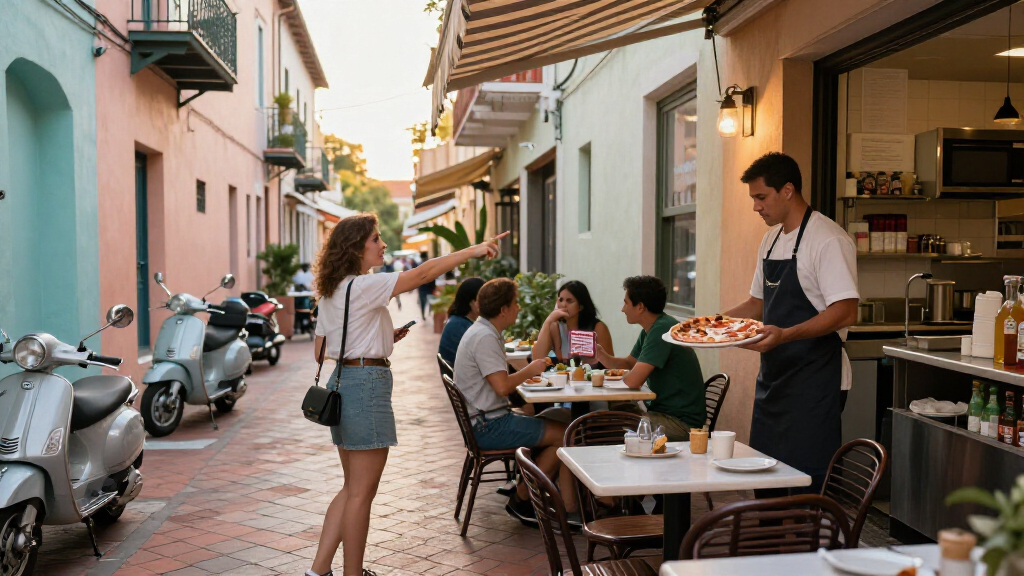
A famous pizzeria can be a memorable stop, but reputation alone cannot predict whether its location, wait, menu, or pace will suit your day. Naples is widely regarded as the birthplace of pizza, and social media has made celebrated restaurants more visible to visitors. That attention can mean queues, especially at peak times, while a less publicized neighborhood option may fit your plans better. The decision is a tradeoff between seeking a particular name and protecting time for the rest of your trip; neither choice is automatically the more authentic one. Think about the experience you want. If you care most about a classic pie, prioritize a place whose current menu and hours make that meal possible. If you want context and several small tastes, a pizza tour may suit a short visit. Compare what the tour includes, how large the group is, how long it takes, and whether the organizer can handle dietary needs. A tour can simplify choices and provide a guide, but it also sets the pace and menu for you. A self-planned meal offers more flexibility, though you will need to check details and make decisions yourself. A tour is useful when it matches your pace; it is not automatically better than choosing a meal yourself. Menus may combine traditional pies with newer toppings or tasting formats. Those approaches can be enjoyable, but they are different experiences. On a first visit, a classic Margherita or marinara gives you a reference point; another day, try a contemporary combination if it appeals to you. The classic helps you notice the dough and bake without many competing flavors, while a creative pie may show how a restaurant interprets the style. Choose based on what you want to taste, not on an assumption that one kind of menu is the only legitimate one. Look for a menu and prices you can understand, and check recent details before you travel across town. A restaurant’s policy can change, and even a well-planned visit may meet a long line. Keep a nearby alternative in mind, and give yourself permission to choose dinner by appetite rather than by an online ranking. If the wait is longer than the meal is worth to you that day, changing plans is a practical choice, not a failed pilgrimage.Ask direct questions about allergies and dietary needs before you order
Traditional Neapolitan pizza dough contains wheat, and Margherita commonly includes dairy from mozzarella, so ask the restaurant directly about ingredients and cross-contact if you have an allergy. Marinara traditionally has no cheese, but recipes, surfaces, and kitchen practices vary. A dish that sounds suitable on the menu is not enough information to judge whether it is safe for you: the ingredients matter, and so does what happens during preparation. For example, if you avoid dairy, ask whether the marinara is prepared without cheese and whether the kitchen uses shared utensils or surfaces. If you avoid gluten, ask whether the restaurant offers a gluten-free base and how it handles cross-contact. Gluten-free options are not universal, and a separate base alone does not tell you how the kitchen prepares it. A clear answer about ingredients and handling gives you more useful information than relying on a dish’s name or appearance. Vegetarian and vegan options vary by venue, too. A marinara is traditionally dairy-free, but confirm its ingredients and preparation. Vegan cheese or gluten-free pizza may be available at some restaurants, but do not assume a particular menu offers either. For severe allergies, communicate clearly and consider carrying a translated allergy card that names the ingredient and the risk of cross-contact. If staff cannot explain how a dish is prepared, choosing something else or another restaurant may be the safer practical decision. Food safety matters beyond allergies. Eat hot dishes soon after serving, and refrigerate leftovers within two hours; keep them at or below 40°F (4°C) and reheat them to 165°F (74°C). If you are not sure that leftovers stayed cold during a long day of sightseeing, skip them. Ask the restaurant about ingredients and preparation before ordering, and trust a clear answer over a guess. These precautions help you weigh whether saving food is worth carrying it without reliable refrigeration; when you cannot keep it cold, enjoying the meal fresh is the better plan.Build a two-day food plan that leaves time to enjoy each meal
A two-day plan works best when each day has one anchor meal and smaller food stops around it. That approach lets you experience pizza alongside other Neapolitan favorites without turning the trip into a checklist. It also gives you a practical backup when queues or travel time change your plans. Treat the anchor as a dependable meal to build around, not a fixed appointment that every snack and sight must serve. On the first day, walk the historic center at a comfortable pace, then choose a nearby pizzeria for lunch. Order a Margherita or marinara and notice the soft center and airy rim. Later, split a pastry such as sfogliatella with an espresso at a bar. If lunch ran late, make dinner lighter or move it back instead of forcing a second full pizza. That adjustment matters because arriving at dinner already full can make a celebrated meal feel like an obligation; a coffee or a small shared bite may suit the day better. On day two, look for a seafood or pasta meal and ask what is seasonal. Add a cuoppo or frittatina di pasta as a shared snack if you are hungry between stops. Save pizza fritta for a day when you want a richer, fried meal, rather than stacking it beside a large dinner. This gives the two days different character: one centers on the classic oven-baked pie, while the other leaves room for regional cooking and a few portable tastes. Your actual route depends on where you stay and what you want to see. Check restaurant locations before setting off, and avoid planning back-to-back meals across distant neighborhoods. The best food day might include one long lunch, a brief coffee stop, and a late walk through streets that still smell faintly of warm bread. Leave room for that unscheduled hour; it often becomes the part you remember. A flexible plan may mean missing a particular famous table, but it can give you time to enjoy the neighborhood and choose food when you are actually hungry.Frequently Asked Questions
Is Naples really the birthplace of pizza?
Naples is strongly associated with the development of modern pizza, especially the tomato-topped style that made the city famous. A visit gives you a chance to try that tradition where it became widely known.What should I order first at a pizzeria in Naples?
Choose a Margherita or marinara. A Margherita has tomato, mozzarella, and basil; a marinara traditionally has tomato, garlic, oregano, and oil, with no cheese.Do I need to book a pizzeria in advance?
It depends on the restaurant. Some accept reservations, while others use walk-in queues, so check the restaurant’s current policy before you go. Hours and booking rules can change, especially around holidays.Can I find vegetarian, vegan, or gluten-free pizza in Naples?
Options vary by restaurant, and vegan cheese or gluten-free bases are not universal. Marinara is traditionally dairy-free, but confirm ingredients and preparation directly; ask about cross-contact if you have an allergy or need to avoid gluten.What should I eat in Naples besides pizza?
Try a cuoppo of fried snacks, frittatina di pasta, pizza a portafoglio, or pizza fritta. You can also look for seafood, seasonal Campanian dishes, sfogliatella, babà, and espresso at a café bar.Can I eat Neapolitan pizza with a knife and fork?
Yes. The soft center can make utensils practical, especially when the pizza arrives hot. Pizza a portafoglio is folded for eating on the go, so people usually hold it in their hands.Conclusion
Plan your Naples food trip around a classic pizza, then let the city’s other flavors fill the gaps: a crisp cuoppo, fresh seafood, a flaky sfogliatella, or a small espresso at the bar. Check current restaurant details, ask clearly about dietary needs, and leave enough time to eat without watching the clock. Remember the first pie for its simple details: tomato, warm dough, a spotted crust, and a soft center. Then follow your appetite into the streets.Fall Picks
fall essentials
As an affiliate, we earn on qualifying purchases.