
TL;DR

Get kitchen staples and gadgets delivered free with Prime
- Fast, free delivery on millions of items
- Prime Video, Amazon Music and more included
- Member-only deals all year
The Sagra della Castagna is a vibrant autumn celebration in Lazio and Tuscany, centered around chestnuts. Planning involves choosing the right town, timing, and activities to savor regional traditions, food, and scenery.
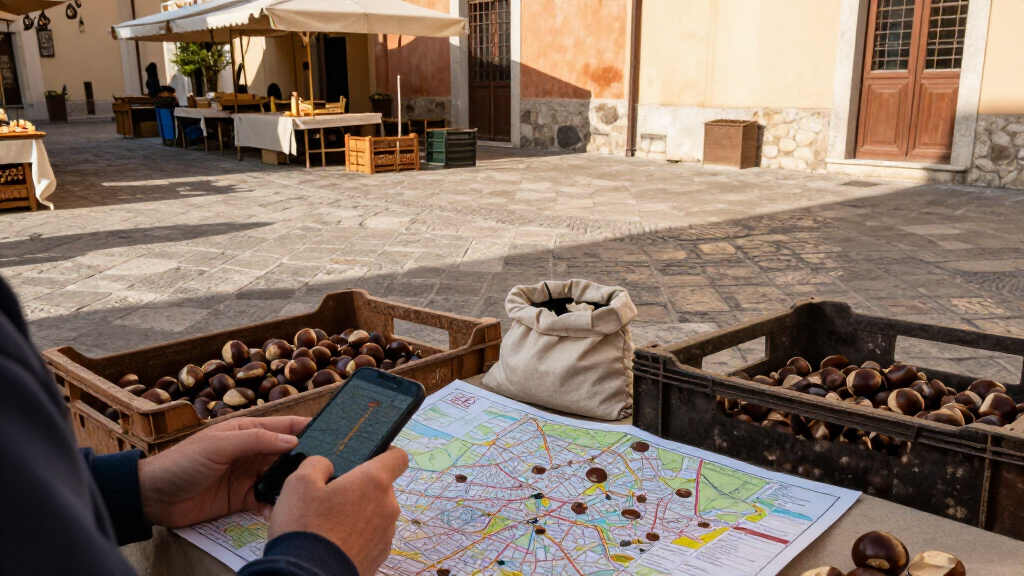
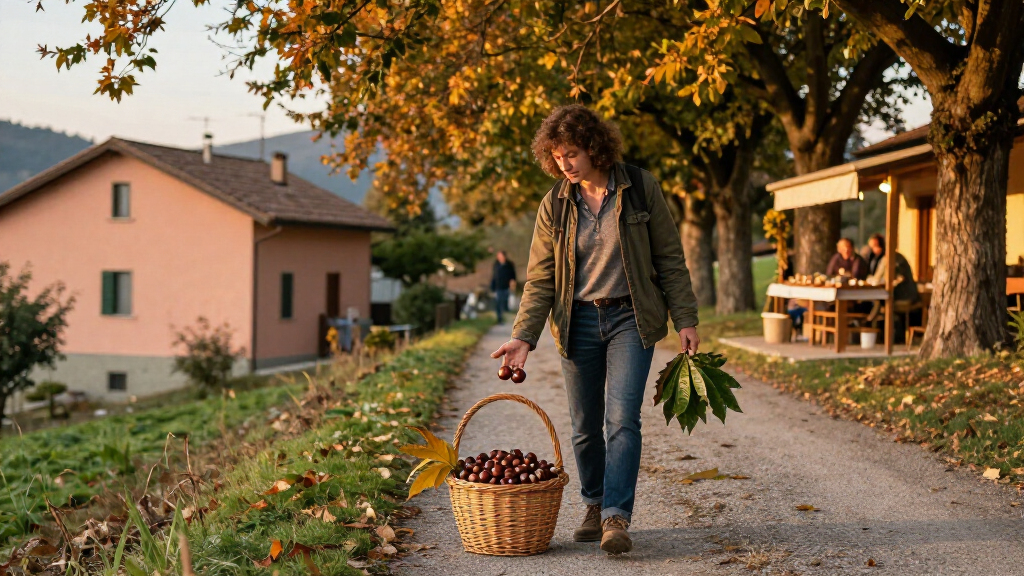
Imagine walking through a hillside village in Italy, the air thick with the sweet, smoky aroma of roasted chestnuts. The vibrant colors of autumn leaves swirl around ancient stone streets, and local folk music fills the air with warmth and tradition. That’s the essence of the Sagra della Castagna weekend—an immersive celebration of Italy’s beloved autumn bounty.
If you’ve ever tasted a freshly roasted chestnut in a mountain village, you know how simple ingredients can become extraordinary when rooted in tradition. Planning a trip around this festival isn’t just about tasting; it’s about experiencing regional culture, savoring local flavors, and soaking in Italy’s seasonal beauty. Whether you choose a charming town in Lazio or a hilltop village in Tuscany, your chestnut adventure promises authenticity, flavor, and memories that last a lifetime.
This guide will help you navigate the best spots, timing, and tips to make your chestnut festival trip truly special. From the best towns to visit, to what dishes to try, to practical advice on logistics—consider this your map to an unforgettable autumn in Italy.
Plan your visit between late October and early November for peak chestnut harvests and festival activity.
Choose towns that match your preferred experience—whether lively markets like Vallerano or scenic walks in Marradi.
Sample regional specialties like castagnaccio in Lazio and necci in Tuscany, pairing them with local wines or liqueurs.
Book accommodations early and consider guided tours or workshops to deepen your cultural immersion.
Combine your chestnut trip with other Italy destinations for a richer, more diverse vacation experience.
Autumn field guide · Lazio & Tuscany
Sagra della Castagna Weekend
Plan a chestnut trip through Italy’s autumn heartland. Choose a festival town, follow the harvest season, and make room for village food, local traditions, and walks through changing hillsides.
01 / Timing & place
Catch the harvest at its liveliest
Late October to early November is the guide’s recommended window for peak harvest and festival activity. Exact weekends differ by location, so confirm dates with local festival channels before booking.
Choose the energy you want
Peak weekends bring full markets, music, and a stronger communal atmosphere. They can also mean more visitors and fewer rooms. A weekday visit may be quieter, with fewer festival events.
Indicative season · verify each town’s dates
Vallerano
Known for street food stalls, tastings, cooking demonstrations, and folk performances that bring the town together.
Best fit: a bustling festival atmosphere
Canepina
A chestnut-season stop with local market energy and a chance to explore Lazio’s harvest customs.
Best fit: regional food and heritage
Marradi
Pair chestnut treats with medieval streets and, where offered, guided walks through nearby chestnut groves.
Best fit: scenery and a slower pace
Other options include Soriano nel Cimino in Lazio and Montepulciano in Tuscany. Check each town’s current program, transport, and event dates.
02 / Build your weekend
Turn a festival visit into a full trip
Markets, crafts, music, and food are central to the experience. Depending on the town’s program, you may also find walks, demonstrations, workshops, tastings, or family activities.
Plan local transport
Some towns have limited access or service. Check routes and parking ahead of time, and consider an organized tour.
Wear comfortable shoes
Expect cobbled streets, market browsing, and possible walks on uneven village or country paths.
Look for shared activities
Many festivals list family-friendly entertainment or workshops; confirm what is scheduled for your dates.
Check event updates
Programs and local guidance can change. Verify practical details close to your visit.
03 / Taste the region
Follow the chestnut from fire to table
Roasted chestnuts are the fragrant festival classic. Chestnut flour also appears in comforting dishes that connect seasonal cooking with local agricultural history.
Castagnaccio
A chestnut-flour cake often made with raisins and pine nuts. Its simple, earthy ingredients reflect a tradition of resourceful rural cooking.
Necci
Chestnut-flour pancakes served with additions such as honey or ricotta, depending on local custom and the stall.
04 / A richer itinerary
Make space for culture and landscape
A chestnut weekend can be one stop in a wider Italian journey. Build in time for hill-town scenery, regional food, and the traditions behind the harvest.
Meet local makers
Browse craft stalls and regional products alongside the chestnut stands.
Join a workshop
Cooking demonstrations and tastings can deepen your connection to local food.
Explore the hills
Look for guided routes through chestnut groves and autumn countryside.
Link destinations
Combine the festival with nearby towns or other stops for a varied vacation.
When and Where to Experience Italy’s Most Authentic Chestnut Festivals
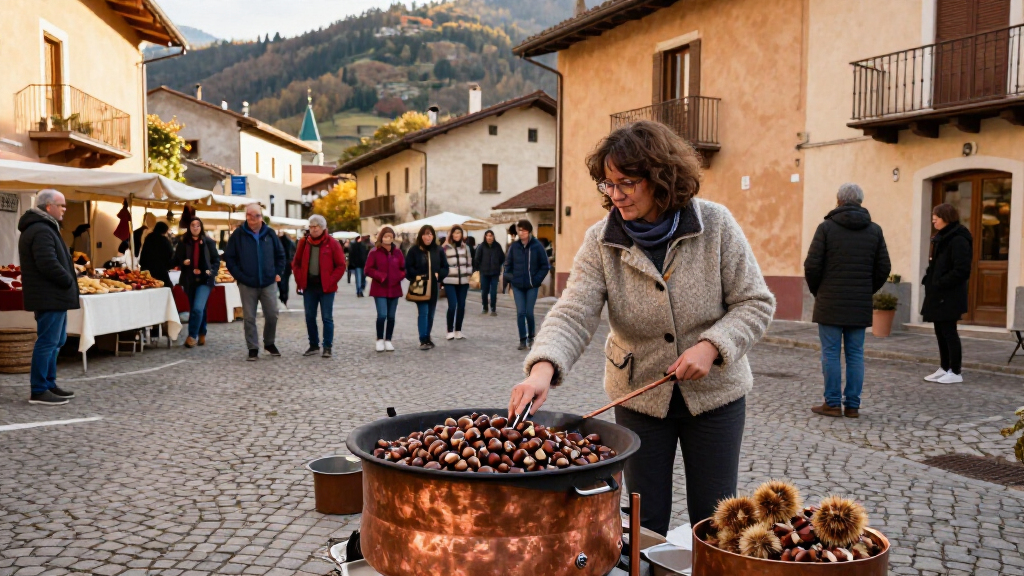
The perfect time for your chestnut trip is late October to early November, when the harvest peaks and festivals burst into full swing. This period is not only about the abundance of chestnuts but also about the cultural significance of the harvest, which has traditionally marked the end of an agricultural cycle and the beginning of winter preparations. In Lazio, towns like Vallerano and Canepina hold lively sagre, with centuries-old traditions and bustling markets that serve as communal celebrations of local heritage. In Tuscany, Marradi and Montepulciano host some of the most picturesque and authentic celebrations, often set against rolling hills and medieval architecture that enhance the festival’s rustic charm.
For example, in Lazio, the Sagra della Castagna di Vallerano is famous for its lively street food stalls and folk music, which serve to reinforce local identity and community bonds. Meanwhile, in Tuscany, the Sagra della Castagna di Marradi features not only roasted chestnuts but also chestnut-based desserts like castagnaccio—an almond, raisin, and chestnut flour cake that embodies the region’s rustic charm. These festivals are more than just food events; they are expressions of regional history, craft, and social cohesion, which is why timing your visit during these peak weekends ensures an authentic experience rooted in local traditions.
Choosing the right time also allows you to witness the landscape at its most vibrant—autumn foliage in full display, creating a picturesque backdrop that elevates the sensory experience. The trade-offs involve crowds and availability—while peak weekends bring lively energy, they also require early planning and reservations. Conversely, visiting during weekdays might mean fewer crowds but less festive atmosphere. Recognizing these nuances helps you tailor your trip to your preferences, making your experience both meaningful and enjoyable.
Pro tip: check local festival websites or social media pages for exact dates and special events, as some towns may host additional activities or markets during the weekend, further enriching your visit with cultural demonstrations, music, and artisan crafts.
As an affiliate, we earn on qualifying purchases.
How to Pick the Best Towns for Your Chestnut Festival Experience
Choosing the right town can deeply influence how authentic and memorable your festival experience will be. Lazio’s towns like Vallerano and Canepina are celebrated not only for their lively markets but also for how they embody local community spirit—these festivals serve as communal gatherings that reinforce local identity through shared traditions, music, and crafts. In Tuscany, towns like Marradi and Montepulciano offer a different perspective: their picturesque settings and historical architecture provide a scenic backdrop that enhances the sensory and aesthetic qualities of the festival. These towns also often integrate regional wine or other local products, creating a multisensory experience that deepens your understanding of local culture.
Consider what kind of atmosphere you prefer: a bustling, energetic market where you can mingle with locals and sample a variety of treats, or a quieter, more contemplative setting perfect for scenic walks and cultural immersion. For instance, Vallerano’s festival features a dedicated Chestnut Fair with tastings, cooking demos, and folk performances that foster a sense of community. Marradi’s festival, on the other hand, offers guided hikes into chestnut groves, providing insight into sustainable harvesting practices and local cultivation techniques—these experiences cultivate a deeper appreciation of the regional agricultural heritage.
Another important factor is accommodations: staying close to the festival, such as in agriturismi or charming B&Bs, not only offers convenience but also enriches your experience by immersing you in rural life. Early booking is essential, as these festivals attract visitors from across Italy and Europe, and limited availability can quickly become a barrier. Staying in nearby villages can also provide a peaceful retreat after the festivities, with opportunities to explore surrounding landscapes and local attractions at your own pace.
Ultimately, selecting a town aligned with your interests—whether lively and social or tranquil and scenic—ensures a customized experience. Each location’s unique regional character and traditions contribute to a richer, more authentic journey into Italy’s chestnut heritage, making your visit more meaningful and memorable.
What to Eat and Drink at the Chestnut Festivals — Don’t Miss These Regional Delights
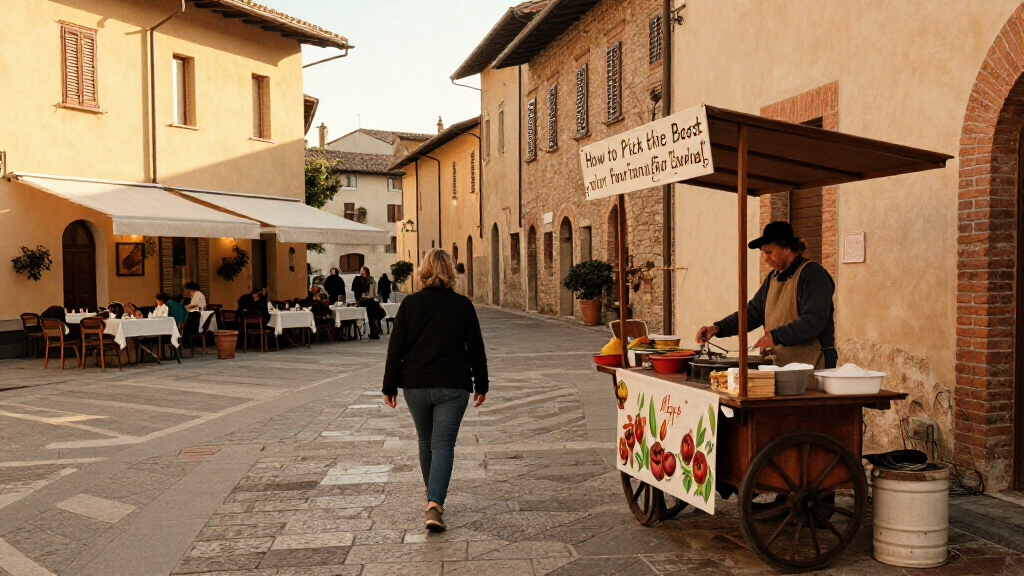
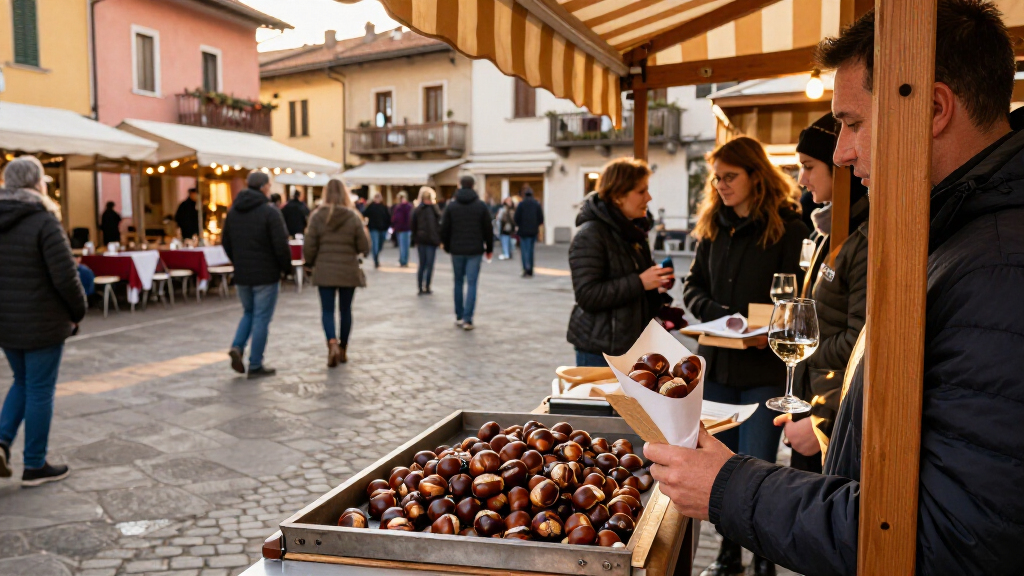
Chestnuts are the highlight of the festivals, but the real depth comes from how they are incorporated into regional dishes that reflect centuries of culinary tradition and regional identity. At these festivals, roasted chestnuts serve as the quintessential snack—warm, crispy, and fragrant—but beyond that, regional recipes elevate chestnuts into hearty, culturally significant dishes that tell stories of local history and resourcefulness.
In Lazio, the iconic castagnaccio is more than just a cake; it’s a symbol of rustic Italian baking that embodies resourcefulness, using simple ingredients like chestnut flour, raisins, and pine nuts to create a hearty, earthy flavor that has sustained rural communities for generations. In Tuscany, the necci—chestnut flour pancakes—are a versatile dish, often served with honey or ricotta, showcasing how regional ingredients can be transformed into comforting, social foods that foster community sharing. These dishes are cultural artifacts, connecting present celebrations to historical agricultural practices and regional identities. They reveal how local ingredients like chestnuts shape regional culinary traditions, highlighting resilience and adaptation over centuries.
Pair these dishes with local beverages to enhance their flavors: Lazio’s Frascati wine, light and refreshing, complements the earthy sweetness of roasted chestnuts and castagnaccio, while Tuscany’s robust Chianti adds depth to chestnut-based dishes. Some festivals also feature chestnut-infused liqueurs or craft beers, which serve as modern interpretations that still honor regional terroir. These beverages are more than drinks—they are expressions of local craftsmanship, often produced by small-scale artisans dedicated to regional flavor profiles, and they deepen your cultural immersion.
Pro tip: visiting local markets to buy chestnut flour, honey, and preserves allows you to recreate festival flavors at home. These products act as edible souvenirs and help you understand how regional ingredients and culinary techniques define local identity. Appreciating the cultural significance of these dishes and drinks transforms a simple tasting into an exploration of Italy’s seasonal culinary landscape, revealing how food and drink serve as carriers of regional history and tradition.
Practical Tips for a Smooth and Enjoyable Chestnut Festival Trip
Attending a festival in Italy requires strategic planning to ensure a smooth, enjoyable experience. Arrive early—festivals are popular and parking can be limited, especially in small towns during peak weekends. Wearing comfortable shoes is essential, as uneven cobblestone streets, hill climbs, and outdoor terrain are common and can quickly tire you out if unprepared. Bring cash—many stalls prefer cash transactions and having small change is helpful for tips or spontaneous purchases.
Securing accommodations early is critical, especially in popular towns like Marradi or Vallerano, where lodging fills quickly during festival weekends. Consider staying in agriturismi or B&Bs near festival sites; these options not only provide convenience but also enrich your experience by immersing you in rural life. If you prefer guided experiences, booking organized tours that include transportation, tastings, and cultural insights can streamline your visit, making it more relaxed and educational.
Active participation enhances the authenticity—join cooking workshops, try chestnut roasting, or dance to folk music. These interactions create memorable moments and foster a deeper cultural connection. Also, check the weather forecast and pack accordingly: layers, rain gear, and umbrellas are wise choices since autumn weather can be unpredictable, with chilly mornings and rainy days. Respect local customs by engaging politely with vendors and showing genuine interest—this attitude fosters positive interactions and enriches your experience, transforming a simple festival visit into a meaningful cultural exchange.
How to Incorporate a Chestnut Trip into Your Italy Vacation
If you’re planning a broader trip to Italy, a chestnut festival can serve as a seasonal highlight that complements your itinerary, offering a glimpse into regional traditions and landscapes. In Lazio, combine your visit with cultural excursions in Rome or explore the Etruscan ruins near Viterbo, where history and countryside blend seamlessly—this enriches your understanding of Italy’s diverse heritage. In Tuscany, pair the festival with wine tastings in Chianti or explore hill towns like Pienza and Montepulciano, which showcase medieval architecture and panoramic views that deepen your regional immersion.
For example, spending a weekend in Florence followed by a trip into the Tuscan hills for the Marradi sagra allows you to experience Italy’s urban vibrancy alongside rural traditions. Conversely, in Lazio, enjoying a cultural day in Rome before escaping to Vallerano’s chestnut festival offers a contrast that highlights Italy’s layered regions—urban sophistication versus rustic charm. These combinations diversify your travel experience, revealing Italy’s seasonal rhythm where city life and rural heritage coexist and complement each other.
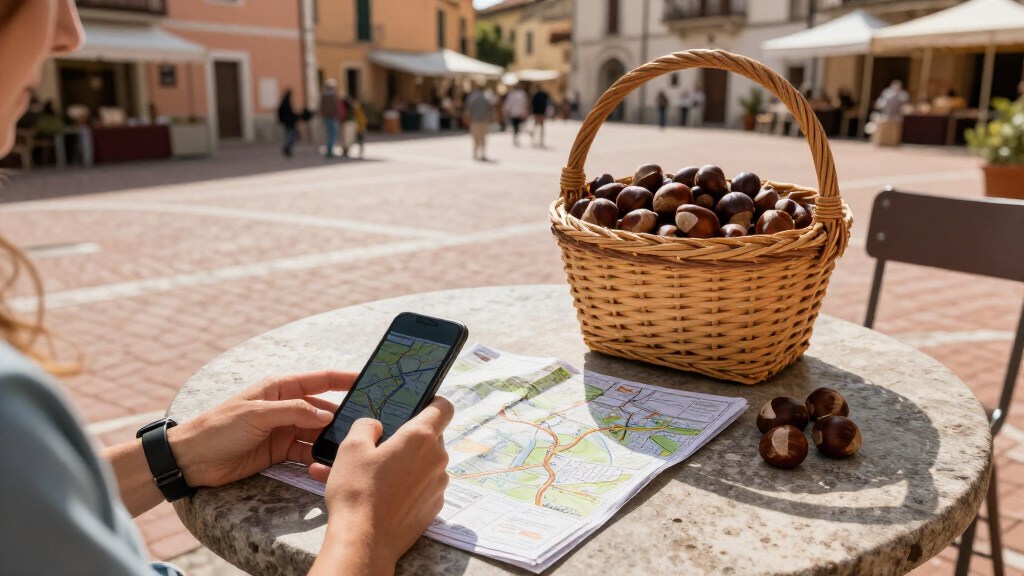
Travel logistics are key: renting a car provides flexibility for exploring remote areas and hill towns, especially in Tuscany’s hilly terrain. Alternatively, regional trains and buses connect many towns during festival weekends, but planning routes in advance can avoid last-minute hassles. Incorporating a chestnut festival into your broader itinerary transforms a simple trip into a rich cultural journey, allowing you to enjoy Italy’s culinary, scenic, and historical diversity in one memorable weekend.
Frequently Asked Questions
When is the best time to visit the chestnut festivals in Lazio and Tuscany?
The ideal window is late October through early November, when the chestnut harvest is at its peak and festivals are in full swing. This timing is significant because it aligns with the culmination of the harvest season, a period historically marked by communal celebrations that reinforce regional identity. Visiting during this time allows you to witness centuries-old traditions, taste freshly harvested chestnuts, and participate in local customs that have been passed down through generations. However, keep in mind that the popularity of these festivals means early planning is essential; arriving during peak weekends ensures a lively atmosphere, but it also requires booking accommodations and transportation well in advance.Which towns are must-visit for an authentic chestnut festival experience?
In Lazio, Vallerano and Canepina stand out for their vibrant celebrations that emphasize community participation, traditional music, and artisanal crafts, offering a window into local life and history. In Tuscany, Marradi and Montepulciano are renowned for their picturesque settings and deep-rooted traditions, where the landscape and architecture enhance the festival atmosphere. Each town provides a different perspective on regional culture—whether through lively street scenes, historical ambiance, or culinary specialties—making them ideal bases for exploring Italy’s autumn chestnut heritage. Choosing the right town depends on your interest in either lively social scenes or tranquil scenic walks, but all offer authentic experiences rooted in regional customs.What regional dishes should I try during the festival?
Don’t miss roasted chestnuts, which are a simple yet quintessential snack, but also explore regional specialties that showcase chestnuts’ versatility. In Lazio, try castagnaccio, a moist, dense cake made with chestnut flour, raisins, and pine nuts—its hearty flavor reflects the resourcefulness of traditional rural baking. In Tuscany, the necci are chestnut flour pancakes often served with honey or ricotta, embodying the rustic charm of mountain cuisine. These dishes are more than just sustenance; they are cultural symbols that reveal how regional ingredients shape local identity and culinary history. Sampling these authentic foods offers insight into the agricultural and cultural fabric of each region, making your festival experience both delicious and meaningful.Are these festivals suitable for families and children?
Absolutely. Many festivals are designed with family participation in mind, often featuring activities like chestnut roasting workshops, folk dances, and storytelling that are engaging for all ages. Children particularly enjoy the sensory experience of roasting and tasting fresh chestnuts, as well as participating in traditional games and crafts. These events foster a sense of community and cultural continuity, making them ideal for family outings. Moreover, the festive atmosphere, combined with the opportunity to learn about local traditions in an interactive way, ensures that families leave with memorable experiences and a deeper appreciation of Italy’s seasonal customs.How can I make the most of my chestnut festival trip?
To truly immerse yourself, plan to arrive early to beat the crowds and secure the best spots for tasting and activities. Wear comfortable shoes suitable for walking on cobblestone streets and hill paths, and bring cash—many vendors prefer cash transactions, and small change is handy for tips or spontaneous purchases. Booking accommodations well in advance is crucial, especially in popular towns, to avoid last-minute shortages. Consider participating in workshops, guided walks, or cooking demos to deepen your understanding of regional traditions. Engaging actively with vendors, artisans, and fellow visitors enhances your experience, fostering connections and cultural insights. Also, check the weather forecast and pack layers, as autumn weather can vary from chilly mornings to mild afternoons, and rain is possible. Respect local customs and show curiosity—asking questions and engaging sincerely will enrich your visit, turning a simple festival trip into a meaningful journey into Italy’s seasonal culture.Conclusion
Attending a Sagra della Castagna is more than a food festival; it’s a doorway into Italy’s seasonal soul. The best trips blend authentic flavors, scenic beauty, and local traditions—all wrapped in the warm embrace of autumn in Lazio or Tuscany.
Remember, the key to a memorable chestnut adventure is planning ahead, engaging actively, and savoring every moment—whether it’s a crispy roasted chestnut, a folk tune, or a walk through colorful leaves. So, pick your town, pack your curiosity, and prepare for an unforgettable taste of Italy’s autumn magic.
Halloween Picks
halloween
As an affiliate, we earn on qualifying purchases.