
TL;DR

Get kitchen staples and gadgets delivered free — and shop member deals
- Fast, free delivery on millions of items
- Access to Prime Big Deal Days deals on October 6–7
- Prime Video, Amazon Music and more included
Caponata is a Sicilian cooked vegetable dish built around eggplant, celery, tomatoes, olives, and capers, finished with a balanced sweet-and-sour sauce called agrodolce. Frying gives the eggplant a rich, silky texture, while roasting offers a lighter result; either way, let the dish rest and serve it at room temperature with bread or as part of an antipasto spread.
A bowl of caponata can taste like an entire Sicilian summer: soft eggplant, bright tomato, the salty snap of capers, and vinegar lifting a little sweetness at the end. The flavors are bold, but the dish is gentle enough to eat at room temperature on a sunny afternoon, spooned onto crusty bread.
Caponata is a Sicilian cooked vegetable dish built around eggplant, celery, tomatoes, olives, and capers. Its defining note is agrodolce, or “sour-sweet,” a balance of vinegar and sweetness that never needs to taste like dessert. Once you know how those ingredients work together, you can make a version that suits your kitchen without worrying about a single fixed formula.
This guide explains what gives caponata its distinctive flavor, how frying and roasting change the eggplant, and how to serve and store it safely. You’ll also find practical ways to taste and adjust the sauce, plus the regional context that makes each family’s bowl feel at home in Sicily.
Caponata’s signature is its balanced agrodolce finish, with vinegar sharpened by a restrained touch of sweetness.
Frying makes the eggplant richer and silkier; roasting offers a lighter, easier oven method.
Recipes vary across Sicily and between households, so treat raisins, pine nuts, peppers, or almonds as possible additions.
Taste the sauce after it rests, and let caponata come toward room temperature for serving if you prefer its flavors more open.
Refrigerate leftovers in a covered container, and check for anchovies or nuts when serving guests with dietary needs.
Sicilian table · agrodolce tradition
Caponata: Sicily’s Sweet-and-Sour Eggplant Masterpiece
Soft eggplant, bright tomato, briny olives and capers, all lifted by a sweet-and-sour finish. This flexible Sicilian classic tastes especially inviting after its flavors have had time to mingle.
Tender, silky, and substantial
Balanced with a touch of sweetness
Season gradually; salt builds
Recipes vary across Sicily
01 / Flavor architecture
What makes it taste like Sicily
Each ingredient has a role: rich vegetables carry the sauce, while fresh, briny, and sharp notes keep every bite lively.
Soft & savory
Eggplant brings a mild, almost creamy center. Tomatoes add moisture and help the flavors mingle.
Bright & briny
Vinegar wakes up the vegetables. Olives and capers add salty depth; celery brings a faint bitterness.
Sweet & balanced
A little sugar or raisins can soften vinegar’s edge. Add slowly so the finish stays lively, not candy-like.
02 / Choose your texture
Fried or roasted eggplant?
Both work. Choose the finish you want, then cook the cubes in a single layer or in batches so they brown rather than steam.
Fried
Frying gives eggplant a plush, silky texture and deeper richness. Cook in batches and drain briefly before combining with the vegetables.
Roasted
Roasting is a lighter, hands-off option. Spread the cubes in one layer, turn as they cook, and let their concentrated eggplant flavor shine.
03 / A tradition with room to vary
Every kitchen has its own bowl
There is no single definitive formula. Treat a recipe as a starting point, then adjust after the vegetables cook and their sweetness is clear.
The familiar base brings together eggplant, tomato, celery, olives, capers, vinegar, and a restrained touch of sweetness. Across Sicily and from household to household, proportions and extras change.
Raisins can round the sauce; pine nuts and almonds add texture; peppers shift the vegetable balance. Additions are part of caponata’s flexible tradition. Taste as you go, because every salty or sweet ingredient changes the seasoning the rest needs.
Caponata is sometimes linked to capone, a fish served with sweet-and-sour sauce. The story is possible, but unsettled.
04 / From pan to table
A simple path to a balanced bowl
Salt can accumulate as the mixture reduces, especially with briny capers and olives. Taste before adding more.
05 / Serving & keeping
Give the flavors room to open
Caponata is versatile at the table and easy to make ahead. Let preference guide serving temperature, and store leftovers safely.
Serve it simply
Spoon it over crusty bread or toast, offer it as an antipasto, or pair it with grilled fish, roasted meats, or grains. It can be served warm, chilled, or at room temperature.
Make ahead & store
Resting helps the flavors meld. Keep leftovers in a covered container in the refrigerator and follow your recipe’s food-safety guidance. Avoid leaving it unrefrigerated for extended periods.
What Makes Caponata Taste Like Sicily
Caponata is a Sicilian cooked vegetable dish whose signature comes from tender eggplant, briny olives and capers, and a balanced sweet-and-sour finish. A bite should move through several notes: soft, almost creamy eggplant; the clean, faint bitterness of celery; and a bright vinegar tang rounded by a little sweetness. These contrasts matter because each keeps the others from becoming tiring: eggplant gives the sauce something mild to cling to, while celery, vinegar, olives, and capers cut through its richness. Think of the sauce like adjusting a radio dial: each note needs room, but none should drown out the others.
The Italian word agrodolce means “sour-sweet.” In caponata, vinegar supplies the sharp edge, while sugar, raisins, or other ingredients may soften it. The aim is not candy-like sweetness. Sweetness rounds the vinegar’s bite so it feels lively instead of harsh; too much, however, can obscure the vegetables and make the dish taste more like a relish. For example, if you taste a spoonful after adding vinegar and your mouth tightens, a small pinch of sugar can smooth the edge; if the mixture tastes flat, another splash of vinegar may wake it up.
Olives and capers form a savory, salty backbone. Their brine makes the mild vegetables taste more vivid, but it also means salt can accumulate quickly, especially as the mixture reduces. Celery keeps that richness lively, while tomatoes help bring the ingredients together and add moisture for the flavors to mingle. The result is a sicilian cooked vegetable dish that feels both hearty and bright, rather than a plain eggplant stew. That contrast explains why it works as an antipasto, or starter, and as a side beside a simple main course: a small serving can sharpen the appetite without weighing down the plate.
One easy test: put a spoonful on plain toasted bread. Bread absorbs some of the sauce, so it reveals whether the caponata has enough acidity and flavor to hold its own without tasting aggressively sharp or salty. If the capers dominate, add more cooked eggplant or tomato; if the vinegar dominates, give the flavors time to settle before adjusting again. This taste test also shows why balance is more useful than a fixed ratio: the saltiness of olives and capers, and the sweetness of tomatoes, vary from batch to batch.

As an affiliate, we earn on qualifying purchases.
Why Every Sicilian Kitchen Has Its Own Version
Caponata has no single definitive recipe; cooks across Sicily and from one household to another change ingredients and proportions. The familiar base often includes eggplant, tomatoes, celery, olives, capers, vinegar, and a touch of sweetness, but raisins, pine nuts, peppers, or almonds may appear in some versions. Those additions belong to the dish’s flexible tradition rather than marking one bowl as authentic and another as wrong. This variation affects more than the ingredient list: raisins can soften the vinegar, nuts add texture, and peppers can shift the vegetable balance, so each addition changes how much seasoning the sauce needs.
That flexibility makes sense when you cook with what the season and pantry offer. Imagine a late-summer kitchen with glossy eggplants and ripe tomatoes: a cook might keep the mixture simple, letting the produce carry the flavor. Another household might add raisins and pine nuts for little sweet and nutty surprises. Both still serve the same central pleasure: soft vegetables lifted by an agrodolce finish. The practical lesson is to treat a recipe as a starting point and adjust after the vegetables cook, when their moisture and sweetness are easier to judge.
The name is sometimes linked to capone, a local name for a fish historically served with a sweet-and-sour sauce. One possible story says a vegetable dish became a more accessible alternative, but the origin is unsettled, so treat it as a possibility rather than a proven fact. What you can taste today is more certain than the name’s history: an island pantry’s mix of produce, brine, and bright acidity. That open history fits the dish’s many versions, though it does not prove why they developed.
As you choose a recipe, pay attention to balance more than to a checklist of optional ingredients. If you add raisins, for instance, start modestly and taste before adding sugar. A handful can make the sauce rounder; too many can push the whole dish toward sweetness and mute the vinegar that distinguishes caponata. Caponata rewards a cook who adjusts in small steps, because each salty or sweet addition changes the amount of correction the rest of the dish needs.
How to Choose Between Fried and Roasted Eggplant
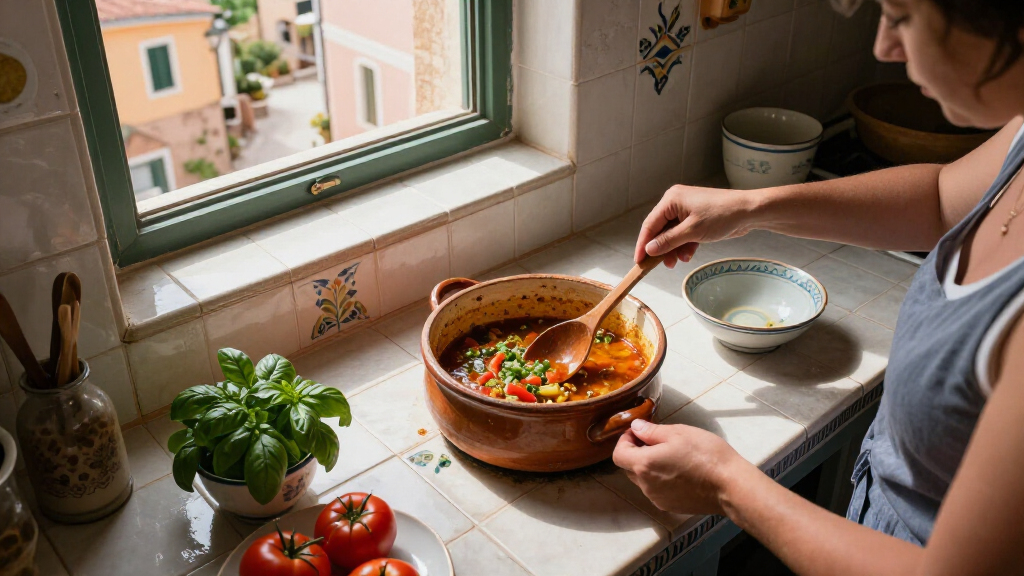
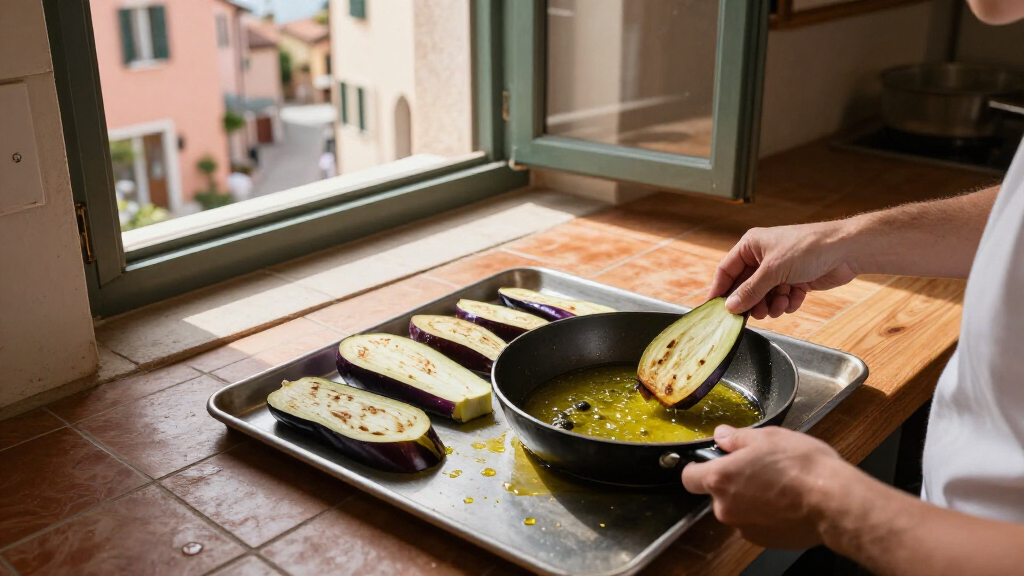
Fried eggplant gives caponata a richer, silkier texture, while roasted eggplant makes a lighter version with a more concentrated, less oily flavor. The difference affects how the sauce feels as well as how the dish is cooked: fried cubes carry oil and make each bite plush, while roasted cubes tend to taste more distinctly of eggplant. Neither method has to be treated as the one correct choice. The best option depends on whether you want the eggplant to feel lush and browned or want a simpler oven-based preparation for a weeknight meal.
Cut the eggplant into even cubes so the pieces cook at about the same pace. For a classic, richer feel, fry the cubes in batches so they brown instead of crowding and steaming. Let them drain briefly before combining them with the tomato, celery, olives, and capers; this limits excess oil that could make the finished sauce feel heavy. If you roast, spread the cubes in a single layer with oil and turn them as they cook; crowded pieces can soften without developing much color. Browning adds a deeper, savory flavor, so leaving room on the pan matters even when convenience is the reason you chose the oven.
Salting is optional. Many modern eggplants are less bitter than older varieties, so you do not always need to draw out moisture first. If your eggplant seems especially watery or you want help browning it, salt the cubes, let them stand, then pat them dry before cooking. Removing surface moisture can help the pieces brown instead of steaming, but the extra step costs time and is not a guarantee of a better result. Picture the difference like toast: frying gives the surface a quick, rich sear, while roasting lets the oven slowly deepen its flavor.
In a practical example, if you are making caponata for a Saturday antipasto table, frying can give each cube a tender center and golden edge that feels especially satisfying with bread. The tradeoff is more hands-on cooking and oil to manage. If you are preparing dinner after work and want fewer pans to manage, roasting offers an easier path, though the result may be less silky. Stir the cooked eggplant into the sauce gently so the pieces keep their shape; intact cubes make the contrast in texture noticeable in each bite.
How to Balance the Sauce Without Guesswork
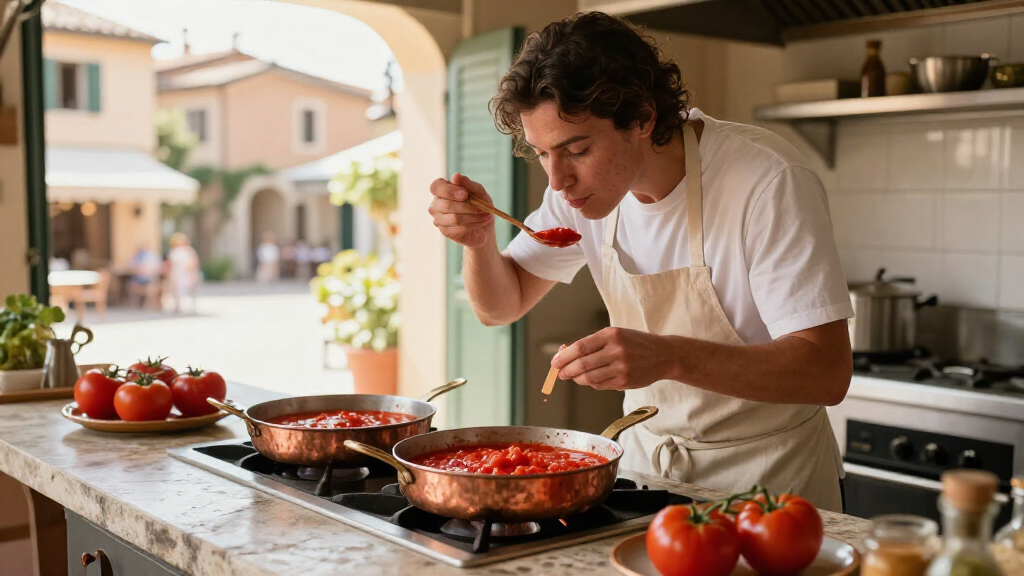
To balance caponata’s sauce, add vinegar and sweetness gradually, stir them through the vegetables, then taste after the mixture has had a few minutes to settle. This keeps the sharp, sweet, salty, and savory flavors in proportion. The pause matters because hot food can make acidity seem more aggressive, while the vegetables continue absorbing flavor as they rest. Because olives and capers already bring salt, taste before adding any extra; seasoning a finished bowl is easier than trying to correct a sauce that has become too salty.
- Build the vegetable base. Cook the celery and tomatoes until they are tender and the juices begin to mingle. For example, a spoon should move through the mixture easily, but the vegetables should not disappear into a puree. This base supplies moisture and mild sweetness, so cooking it down too far can leave less room for vinegar to blend evenly.
- Add the briny ingredients. Stir in olives and capers, then taste. A small chopped olive should bring a salty pop, while the capers add a sharper tang. Since both vary in saltiness, this is the point to judge whether the dish needs extra seasoning at all.
- Stir in vinegar and sweetness a little at a time. Begin with a modest pour of vinegar and a pinch of sugar or a few raisins. Taste, wait a moment, then decide whether the mixture needs more. Vinegar provides the defining lift; sweetness should round its edges, not cover it.
- Fold in the cooked eggplant and rest the dish. Let everything mingle before your final taste. What seems too sharp straight from the pan may feel more balanced after resting, as the eggplant takes on some of the sauce and the flavors become less separate.
This step-by-step approach is a bit like tuning a stringed instrument: small turns make a bigger difference than one dramatic twist. If the sauce feels too sharp, try a little more tomato or sweetness; if it feels dull, add a little vinegar. If it tastes too salty, increase the proportion of unsalted vegetables rather than reaching for sugar, which would mask the salt without reducing it. Each adjustment changes the balance, so taste again before adding more.
Raisins and pine nuts appear in some versions and change the texture as well as the flavor. Raisins bring soft, concentrated sweetness; pine nuts add a gentle crunch. Add them with care, especially if your capers and olives already make the dish quite briny. Raisins may reduce the need for added sugar, while nuts make each bite richer and can make the dish feel more substantial. Your best guide is a spoonful on bread, tasted after a short rest.
When to Serve Caponata and What to Put Beside It
Caponata is often served at room temperature as an antipasto or side dish, when its flavors have had time to mingle and the vinegar’s edge feels less sharp. You can serve it warm or chilled, too, but a bowl straight from the refrigerator may taste muted because cold dulls the perception of aroma and seasoning. Let it stand briefly before serving if you want the tomato, eggplant, and briny ingredients to come forward. Serving temperature is a matter of emphasis: warm caponata feels more like a cooked side, while room-temperature caponata makes a relaxed starter.
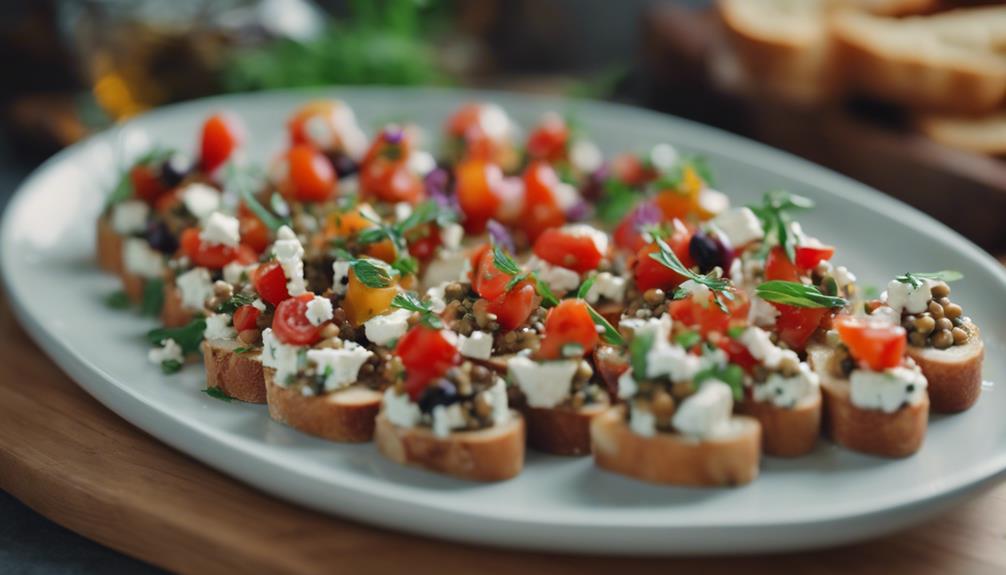
For an easy appetizer, spoon caponata over toasted country bread and finish with a little olive oil. The bread catches the sweet-sour juices; the eggplant stays tender while the capers deliver tiny bursts of salt. The toast also gives the soft vegetables a crisp counterpoint, which makes a small portion feel complete. If you are building an antipasto spread, pair it with plain bread, roasted vegetables, and other simple bites, so the bold sauce still has space to shine.
It also works as a side with grilled fish, roasted meat, or a bowl of grains. In a summer lunch, a small scoop beside grilled fish gives you acidity and softness against a clean, smoky main. That contrast can make a mild main taste livelier, while a heavily seasoned or acidic partner may compete with the caponata. For a picnic, pack the caponata in a sealed container and keep it chilled until serving rather than leaving it out for hours in warm weather.
Caponata and ratatouille both feature cooked eggplant, but caponata typically emphasizes agrodolce, olives, and capers. Ratatouille is generally more herb-forward and lacks that same sweet-sour, briny profile. The distinction matters at the table because caponata’s acidity and salt make it a stronger seasoning partner, while ratatouille tends to lean on herbs and the vegetables’ own flavors. If a guest expects a soft vegetable stew, explain that caponata brings a livelier vinegar note and a salty bite; the first taste makes the difference clear.

How to Store Leftovers Safely and Keep Their Flavor
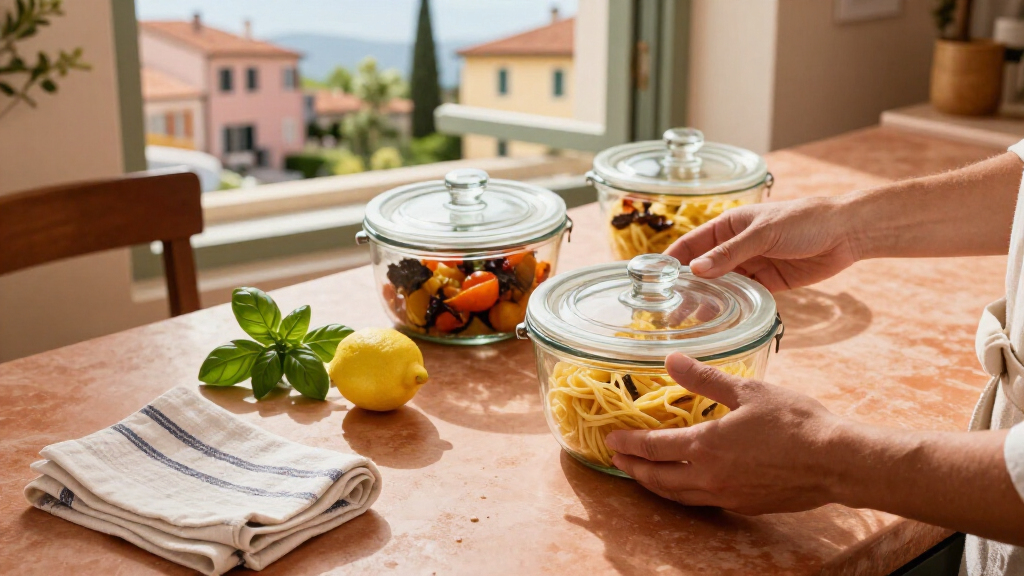
Store leftover caponata in a covered container in the refrigerator, and do not leave it unrefrigerated for an extended stretch. Like other cooked vegetable dishes, it needs safe handling even when it is served cool; vinegar gives caponata its flavor but should not be treated as a substitute for refrigeration. If you are taking it to a gathering, keep it cold during transport and put out a small serving bowl, refilling it from the refrigerator as needed. Smaller portions also spend less time warming on the table.
Making caponata ahead can help the flavors mingle, so the next day’s spoonful may taste rounder than the one you sampled right after cooking. The vegetables have more time to take on the sauce, which can soften the impression of separate sharp, sweet, and salty notes. Once chilled, you can bring a portion toward room temperature shortly before serving. For instance, if lunch begins at noon, take out only the amount you plan to serve close to mealtime and keep the remaining container refrigerated.
You can freeze caponata, but thawed eggplant may be softer. Freezing suits a batch you plan to spoon onto toast or fold into a grain bowl, where a looser texture matters less. If you want distinct cubes for a platter, refrigerating a smaller batch is a better fit. The texture tradeoff comes from the eggplant softening as it freezes and thaws, so choose the method based on how you plan to use the leftovers.
Many versions are naturally vegetarian and vegan, but ingredients vary. Check your recipe for anchovies if you are serving someone who avoids fish, and tell guests about likely allergens when you add nuts such as pine nuts or almonds. For a shared antipasto table, label the nut-containing bowl and keep a nut-free portion separate before serving. That small choice helps guests make an informed decision without changing the dish for everyone.
Frequently Asked Questions
What does caponata taste like?
Caponata tastes tender and savory, with a bright vinegar tang and a gentle sweetness. Olives and capers give it a salty, briny depth, while celery adds a fresh, faintly bitter note. A balanced spoonful should not taste like dessert.
Do I have to fry the eggplant?
No. Frying gives eggplant a rich, silky quality, while roasting or sautéing makes a different, often lighter result. For roasted cubes, space them on the pan so they brown rather than steam.
Can I make caponata ahead?
Yes. A little resting time gives the flavors a chance to mingle, and many cooks enjoy caponata at room temperature. Refrigerate it in a covered container, then serve only the portion you need.
Is caponata the same as ratatouille?
No. Both dishes use cooked eggplant, but caponata is known for its agrodolce sweet-and-sour finish, olives, and capers. Ratatouille is usually more herb-forward and does not have the same briny balance.
Is caponata vegan, and what allergens should I check?
Many versions are vegan, but check the ingredient list for anchovies. Some cooks add pine nuts or almonds, so flag those nuts for guests and keep a separate portion if needed.
Can I freeze leftover caponata?
Yes, though the eggplant may soften after thawing. Frozen caponata works well on toast or in a grain bowl, where a softer texture is less noticeable. Keep leftovers covered and refrigerated when you are not freezing them.
Conclusion
Remember caponata as a balance you can taste and adjust: tender eggplant, bright vinegar, a little sweetness, and the briny spark of olives and capers. Choose frying for richness or roasting for ease, then give the vegetables time to settle together before you make your final call on the sauce.
Serve it with good bread and let the sweet-sour juices run into the crust. That small, vivid bite is Sicily at the table.
Halloween Picks
halloween
As an affiliate, we earn on qualifying purchases.