
TL;DR

Get kitchen staples and gadgets delivered free — and shop member deals
- Fast, free delivery on millions of items
- Access to Prime Big Deal Days deals on October 6–7
- Prime Video, Amazon Music and more included
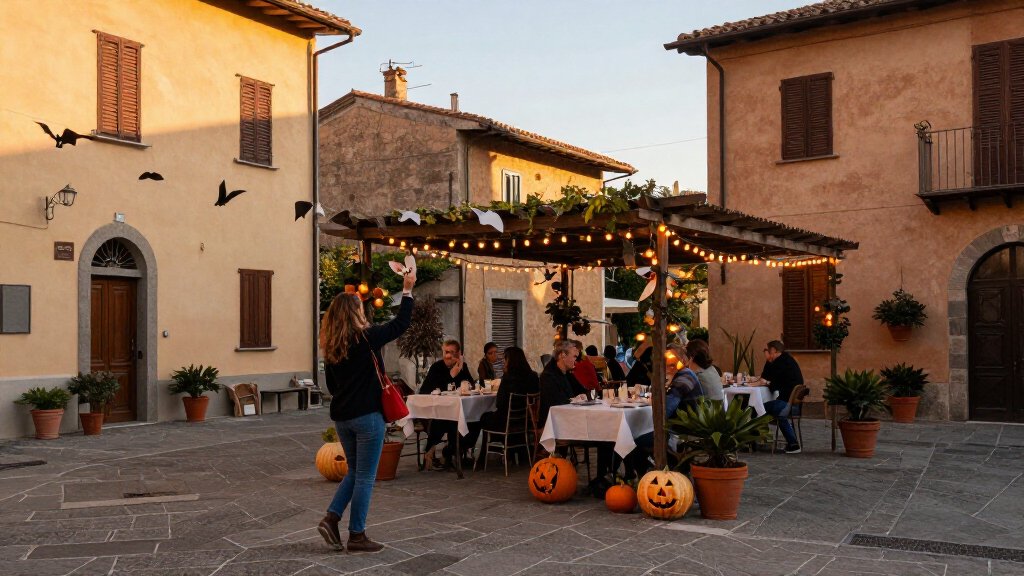
Italian Halloween party decorations work best when you mix familiar symbols such as pumpkins and paper bats with autumn harvest materials, rustic tableware, and a clearly named regional food or craft detail. Treat Halloween on October 31 as a modern party occasion, not an ancient Italian custom, and keep it distinct from All Saints’ Day on November 1 and remembrance traditions on November 2.
One small pumpkin can change the whole room. Add a handful of chestnuts, a dark linen runner, and a bowl of grapes, and your Halloween table starts to feel less like a party-store aisle and more like an autumn evening in Italy.
Italian Halloween party decorations do not come from one shared national tradition. Halloween has become more visible in Italy through parties, school events, shops, and social media, while Ognissanti means All Saints’ Day, observed on November 1, and November 2 is traditionally linked with remembering the dead. Customs vary by region and family, so the most thoughtful approach is to borrow the atmosphere, not claim every decoration has ancient roots.
This guide helps you build a room and table with harvest color, familiar spooky symbols, and Italian details you can explain honestly. You’ll get a simple palette, practical decorating steps, food ideas, and safety tips for a gathering that feels warm, specific, and fun.
Build your palette from orange, cream, olive green, and deep red, then use black for a few clear Halloween accents.
Treat pumpkins as seasonal harvest décor; do not describe carved jack-o’-lanterns as an ancient Italian custom.
Choose a named regional or material reference, such as ceramics or a local sweet, and describe it as inspiration rather than a national rule.
Use ossa dei morti or fave dei morti only with a clear note that names and customs vary by locality.
Keep flames, breakable ceramics, and unlabelled allergens away from children and food-service areas.
Start with harvest colors, then add the spooky details
Italian Halloween party decorations feel grounded when you begin with autumn harvest colors and add spooky motifs in smaller doses. Use orange, cream, olive green, and deep red as your base, then bring in black through a few bats, napkins, or candle holders. This gives the room a rich, rustic look instead of making every surface compete for attention.
Think of your palette like a meal: the harvest tones are the main course, while black accents are the seasoning. A bowl of small pumpkins and gourds can sit beside grapes, chestnuts, and dried leaves; a few paper bats above the mantel supply the Halloween cue. Pumpkins work beautifully as seasonal décor, but the carved jack-o’-lantern is a widespread modern Halloween symbol, not an ancient Italian custom.
For a real-room example, set a cream tablecloth with a dark red runner, then arrange three pumpkins of different sizes down the center. Scatter a modest number of dry leaves around them, leaving space for plates and serving dishes. Add a black cat or bat motif on one sign rather than repeating it on every napkin, plate, and wall.
- Rustic and warm: orange, cream, olive green, and natural wood.
- Moody and dramatic: black, burgundy, and candlelight.
- Kid-friendly: bright orange, paper ghosts, and cheerful pumpkin faces.
Choose decorations that can move from the entryway to the dinner table. That one practical choice saves money and helps the palette feel connected.
Italian harvest Halloween decorations
As an affiliate, we earn on qualifying purchases.
As an affiliate, we earn on qualifying purchases.
Add Italian character without presenting one national style
Italian Halloween party decorations feel more convincing when you use a specific regional or material reference instead of treating Italy as one decorating style. A rustic ceramic bowl, handwritten Italian labels, and a linen runner can suggest an Italian table without pretending they represent every region or family. There is no single official “Italian Halloween” look.
Choose one place or visual cue and carry it through two or three details. For example, if you’re planning around a Tuscan autumn mood, use terracotta-colored napkins, simple pottery, and a small card naming the place that inspired your table. If you prefer a Venetian-inspired evening, lean into deep burgundy, black, and candlelike light—but label it as your design idea, not a traditional Halloween custom.
Handwritten labels are an easy, inexpensive way to make the setting feel personal. Write uva (“grapes”) beside a bowl of fruit, or castagne (“chestnuts”) next to a serving dish. Keep the translations brief so guests understand them, and avoid using Italian words as decoration without knowing what they mean.
A good rule: name the place, describe the inspiration, and separate design from history. You might say, “Our table borrows colors and ceramics from an autumn in Tuscany,” rather than “This is how Italians decorate for Halloween.” That small distinction makes your party more welcoming and more accurate, especially for guests who know the region you’ve chosen.
Build the room in five steps, from doorway to table
To decorate an Italian Halloween party, work from the entrance toward the food table so each area feels connected. Start with a small harvest display, repeat the same colors in the main room, and save your strongest spooky moment for one focal point. This simple order keeps you from buying a pile of unrelated decorations at the last minute.
- Set the palette. Pick three main colors, such as orange, cream, and olive, with black as an accent.
- Dress the entrance. Place a pumpkin, a few leaves, and a handwritten welcome card by the door.
- Choose one focal point. Hang paper bats above a mantel or arrange gourds and chestnuts down the center of the table.
- Repeat a material. Use linen, terracotta, glass jars, or wood in more than one spot to tie the room together.
- Check movement and safety. Keep walkways clear, place decorations away from hot lights, and use battery candles near children.
Picture a small apartment gathering for eight. The entry has one pumpkin and a card reading Buona festa (“Have a good celebration”); the table repeats the orange and cream colors with jars of leaves; paper bats appear only over the dessert corner. Guests recognize Halloween right away, but the decorations still leave room for conversation, plates, and food.
Do a final check from the doorway. If your eye jumps to five different features, remove one or two. A clear focal point makes handmade decorations look intentional, even when the materials came from a grocery store and a craft drawer.
Let seasonal food carry part of the decoration
A seasonal food display can decorate your party while giving guests something worth gathering around. Use pumpkins, grapes, chestnuts, and autumn leaves as visual elements, then add a regional sweet only when you can name where it comes from. This approach connects autumn harvest imagery to the menu without claiming that every dish belongs to one national Halloween tradition.
Some areas have sweets associated with All Saints’ or remembrance customs, including ossa dei morti (“bones of the dead”) in some places and fave dei morti (“beans of the dead”) in others. Recipes and names vary locally. If you serve one, add a small card that gives its name and the region or local tradition you’re referencing, rather than presenting it as a dish eaten everywhere in Italy.
For an easy centerpiece, use a platter of grapes and chestnuts beside a bowl of small pumpkins. Keep food on clean serving dishes, not directly on outdoor leaves or decorative gourds that may have dirt or residue. Put out ingredient cards for common allergens; sweets may contain wheat, nuts, eggs, or dairy, so check the recipe or package instead of guessing.
Food also makes a useful conversation starter. If a guest asks about fave dei morti, your label gives you a chance to explain that customs differ across Italy and that Halloween parties are a separate modern practice. Serve perishable items promptly, and refrigerate foods that need chilling within two hours—so the display stays inviting without leaving safety to chance.
Choose decorations that suit your budget and your guests
You can create Italian Halloween party decorations on a small budget by combining reusable tableware with a few seasonal items and handmade paper details. Spend first on pieces you’ll use again, such as a dark runner or glass jars, then gather leaves and fruit to add color. A single pumpkin can anchor the scene; you do not need a carved one for the room to read as Halloween.
For a family party, keep the spooky elements friendly and place fragile ceramics out of reach. Paper bats, smiling pumpkin faces, and battery-operated candles give children the look without open flames. At an adult gathering, you can shift the same room toward black, burgundy, and low light, but keep candles stable and away from dried leaves, curtains, and passing sleeves.
Shopping locally can help you find practical materials: try a garden center for gourds, a market for chestnuts and grapes, and a craft shop for cardstock. Availability changes by place and season, so adapt to what you can find. If your market has no small pumpkins, a bowl of apples, pears, or chestnuts still gives you a strong harvest display.
- Under $15: paper bats, handwritten labels, leaves, and jars you already own.
- About $30: add a few small pumpkins or gourds and a reusable table runner.
- For children: choose shatter-resistant pieces and battery candles.
Keep food and décor separate when materials may be dusty, painted, or treated. That simple boundary lets you reuse inexpensive objects safely and keeps the serving table clean.
Keep Halloween separate from Italy’s November remembrance days
Halloween in Italy is generally a modern, largely secular party occasion on October 31; All Saints’ Day falls on November 1, and November 2 is traditionally associated with remembering the dead. These dates can sit close together on the calendar, but they do not mean the same thing. A thoughtful party design keeps that distinction clear.
Halloween has become more visible in Italy in recent decades through parties, school activities, shops, and social media, but participation varies by age, location, and family. Some households enjoy costumes and carved pumpkins; others do little or nothing for Halloween. That variation is why decorations should not be described as a single, ancient Italian custom.
Remembrance-related sweets and local customs deserve a different tone from bats and novelty skeletons. If your party includes a dessert linked to All Saints’ or remembrance traditions, explain the connection respectfully and avoid using memorial imagery as a spooky prop. A small label naming the sweet and the place associated with it does more than a pile of generic “Italian” decorations.
Keep the calendar clear: Halloween is a party theme; November 1 is All Saints’ Day, and November 2 is traditionally a day for remembering the dead. Regional and family practices differ.
For example, a party on October 31 can use pumpkins, paper bats, and harvest food, while a separate family gathering around November 2 can focus on remembrance in the way that family or community observes it. The difference is not about banning Halloween fun; it is about giving each tradition its proper context.
Frequently Asked Questions
Do people in Italy celebrate Halloween?
Many people in Italy take part in Halloween parties, school events, or children’s activities, but participation varies by age, place, and family. It is a modern, largely secular occasion rather than a uniform national holiday.
What decorations make a party feel Italian?
Combine recognizable Halloween details with seasonal harvest materials, rustic ceramics, linen, and handwritten labels. Choose a particular regional reference when you can, and explain it as inspiration rather than a style shared by all Italians.
Are pumpkins traditional Italian Halloween decorations?
Pumpkins are common autumn decorations and are used for Halloween in Italy today. The carved jack-o’-lantern is better understood as a widespread modern Halloween symbol than as an ancient Italian custom.
How is Halloween different from All Saints’ Day?
Halloween is generally a secular party occasion on October 31. All Saints’ Day, or Ognissanti, is November 1, while November 2 is traditionally associated with remembering the dead; customs vary across Italy.
What Italian foods can I use for the party table?
Grapes, chestnuts, seasonal fruit, and locally identified sweets can support the harvest look. Some areas make ossa dei morti (“bones of the dead”) or fave dei morti (“beans of the dead”); names and recipes differ by locality, so label the regional connection and list allergens.
How can I decorate on a budget and keep it child-friendly?
Reuse jars and linens, make paper bats, collect clean dry leaves, and add one or two pumpkins. Choose cheerful faces and battery-operated candles, keep small breakable pieces out of reach, and keep decorations clear of food and walkways.
Conclusion
Make your party feel Italian through specific details, not a claim that one decoration represents the whole country. Start with pumpkins, chestnuts, grapes, and a restrained palette; add familiar spooky symbols; then name the region or tradition behind any food or design reference.
Keep Halloween on October 31 distinct from November’s remembrance days, and let your table tell the story honestly. A few leaves, warm light, and a bowl of chestnuts can do more than a room full of plastic props.
Fall Picks
fall essentials
As an affiliate, we earn on qualifying purchases.