TL;DR
Prime for Young Adults — start your free trial
Fast free delivery, streaming and member deals for eligible 18–24 year olds.
Try it freeAs an affiliate, we earn on qualifying purchases.
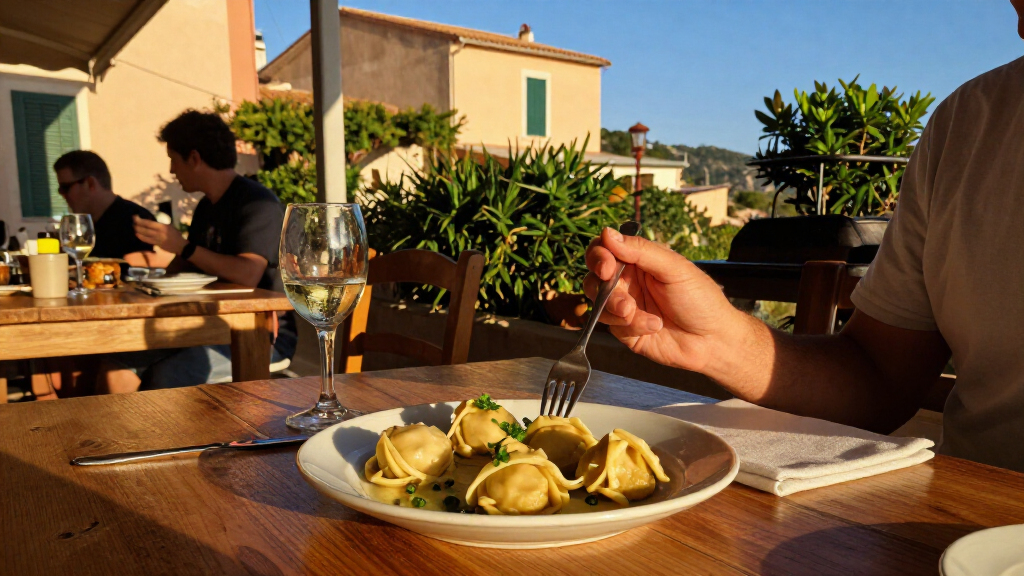
Sardinian food centers on three icons: culurgiones, potato-and-pecorino stuffed pasta sealed with a wheat-spike braid from Ogliastra; porceddu, whole suckling pig slow-roasted over myrtle-wood embers; and Vermentino di Gallura DOCG, a mineral white wine from the granite hills of the north. This guide explains what each one is, where to taste it authentically, and how to bring the flavors home.
The first time you lift a forkful of culurgiones — a plump Sardinian dumpling sealed with what looks like a tiny braided loaf of wheat — you realize Sardinia does not cook like the rest of Italy. The pasta gives way to warm potato, sharp pecorino, and fresh mint, and the whole thing is usually dressed with nothing but olive oil. That restraint is the point.
This island, closer to Tunisia than to Rome in temperament and geography, built its kitchen on shepherds’ cheese, wood fires, and a coastline that hands you sea bass and bottle-shaped Vermentino grapes almost without asking. Experiences in Sardinia rarely feel staged; the food is what neighbors actually eat on Sundays.
In this guide you’ll learn what makes culurgiones, porceddu (roast suckling pig), and Vermentino distinct, where to find the real versions, how to pair them, and how to cook one of them in your own kitchen. No fluff — just the island, the fire, and the glass.
Culurgiones are Ogliastra’s potato-pecorino-mint stuffed pasta, sealed with a wheat-spike braid; eat them dressed only with olive oil and pecorino, never heavy…
Real porceddu requires ordering ahead — find it at agriturismi in the Barbagia interior or at festivals like the Sagra del Porceddu in Orotelli each August.
Buy Vermentino di Gallura DOCG for mineral, sea-scented structure; Vermentino di Sardegna DOC is the lighter everyday alternative.
Pair fire and fat with Cannonau red, sea and mint with Vermentino — never porceddu with Vermentino.
Time your trip around a sagra in July–September, or cook culurgiones yourself with the two-ingredient semola dough method above.
Culurgiones, Porceddu & Vermentino
Sardinia does not cook like the rest of Italy. This island — closer to Tunisia than Rome in temperament — built its kitchen on shepherds’ cheese, wood fires, and a coastline that hands you sea bass and bottle-shaped grapes almost without asking. Here is what to eat, where to taste it, and how to bring the flavors home.
Culurgiones
Potato-pecorino-mint dumplings from Ogliastra, sealed with a wheat-spike braid — a registered traditional product.
Porceddu
Whole suckling pig slow-roasted 3–5 hours over myrtle-wood embers until the skin shatters like glass.
Vermentino
Gallura DOCG — the island’s only white DOCG, mineral and saline from granite hills inland of Costa Smeralda.
Three Icons, One Island
Experiences in Sardinia rarely feel staged — this is what neighbors actually eat on Sundays. Each of these three dishes carries a piece of the island’s pastoral and maritime identity.
The Wheat-Spike Braid
No other Italian stuffed pasta closes like a culurgione. The pinched seam mimics a spiga di grano — a wheat spike — and locals read a practiced hand the way a knitter reads stitches. The braid was a wish for abundance, a small blessing stitched into dinner.
Fire Does the Flavoring
Seasoned only with salt and perhaps myrtle leaves, the pig cooks angled over coals or in a shallow pit. When fat renders into the embers, the smoke perfumes everything beneath. Served communal: a tray, bread, Cannonau, and your hands.
Granite Makes the Wine
Vines struggle through decomposed granite rock, and that stress builds the signature saline, mineral edge. Pale gold in the glass: citrus, green apple, white flowers — and a finish of sea spray.
Dressed With Nothing But Olive Oil
Potatoes arrived late to Sardinia’s interior, and poverty shaped the recipe: what shepherds had was cheese, what gardens gave was mint, what the earth gave was potatoes. The result is quietly brilliant — mint cuts the sheepy tang of pecorino like a cool breeze through a hot barn. A heavy meat sauce smothers the mint, which is the whole personality of the dish. Order them boiled, tossed with extra virgin olive oil and grated pecorino — maybe a sage leaf. Containing wheat and dairy, the classic version is vegetarian: one of the friendliest dishes on a meat-heavy Sardinian menu.
Culurgiones were funeral food and harvest food, made by women working in circles. In Ogliastra they hold recognition as a Prodotto Agroalimentare Tradizionale (PAT) — a registered traditional regional product.
Mashed potatoes · aged pecorino · olive oil · fresh mint
Semola rimacinata (fine remilled semolina) and water. You can make credible culurgiones at home in an afternoon.
Olive oil and grated pecorino. Perhaps tomato slices. Never a heavy ragù.
Wheat and dairy. Classic version is vegetarian.
From Ember to Table
You cannot walk into a random restaurant at 8 p.m. and expect porceddu. Proper roasting takes hours — the best versions are found in agriturismi (farm-stay restaurants) around Barbagia, Oliena, and Orgosolo, or at village festivals like the Sagra del Porceddu in Orotelli each August, ordered ahead.
Myrtle or Cork Oak
Embers only — never a rushed gas flame. Authenticity comes down to wood and patience.
Salt & Wild Herbs
Sometimes stuffed with myrtle leaves, wild herbs, or a splash of Vermentino. Fire does the flavoring.
3–5 Hours Over Coals
Pit or spit, angled over embers. Skin blisters, fat renders, smoke perfumes the meat. Internal temp ≥145°F (63°C).
Communal Tray
Chopped pig, skin-side up, with bread and Cannonau red. Eat with your hands. Leftovers keep 3–4 days — reheat crisped in a hot oven.
Reading the Label & the Glass
Coastal winds and porous granite soils push Gallura’s Vermentino beyond the plumper styles made from the same grape in Liguria or Tuscany. Most wineries near Tempio Pausania and Berchidda pour tastings alongside pecorino and pane carasau; visit in September and you may catch the harvest, vineyards loud with machinery and voices from dawn.
Vermentino typically runs 12.5–13.5% alcohol. Adults only — alternate glasses with water under the Sardinian sun.
Sea Goes With White, Fire With Red
One rule: match the island’s white to the sea and lighter dishes, its reds to fire-roasted meat. Sardinian food and wine grew up together — but the table below saves the guesswork.
| Dish | Best Wine Match | Why It Works |
|---|---|---|
| Culurgiones (potato, pecorino, mint) | ✓ Vermentino di Sardegna DOC | Citrus acidity lifts the potato; herbal notes echo the mint |
| Porceddu (roast suckling pig) | ✓ Cannonau di Sardegna DOC (Grenache) | Soft red fruit and moderate tannins match rich, smoky pork |
| Porceddu with Vermentino | ✗ Skip the white here | Fire and fat demand red — never pair porceddu with Vermentino |
| Seafood — bottarga, clams, grilled fish | ✓ Vermentino di Gallura DOCG | Saline minerality mirrors the sea on the plate |
| Aperitivo hour | ~ Vermentino Spumante | Sparkling, increasingly common, worth trying as an opener |
Time It Around a Sagra
Gastronomic festivals run through the summer and early autumn — the Sagra del Porceddu in Orotelli each August, sagre dei culurgiones across Ogliastra, and the September Vermentino harvest in Gallura. July–September is peak season for eating your way across the island.
Culurgiones
Order at agriturismi; watch the braid being pinned by hand
Porceddu
Book ahead — Oliena, Orgosolo, and August festivals
Vermentino
Tastings €15–30 near Tempio Pausania and Berchidda
Cook It Yourself
Two-ingredient semola dough; olive oil, pecorino, restraint
What Makes Culurgiones Different From Every Other Stuffed Pasta
Culurgiones are handmade Sardinian stuffed pasta from the eastern province of Ogliastra, filled with mashed potatoes, aged pecorino, olive oil, and fresh mint, then sealed along one edge with a pinched braid that mimics a spiga di grano — a wheat spike. That braid is the fingerprint. No other Italian stuffed pasta closes like this, and locals can tell a practiced hand from a clumsy one at a glance, the way a knitter reads stitches.
The filling sounds humble, and it is. Potatoes arrived late to Sardinia’s interior, and poverty shaped the recipe: what shepherds had was cheese, what gardens gave was mint, what the earth gave was potatoes. Yet the result is quietly brilliant — the mint cuts the sheepy tang of the pecorino like a cool breeze through a hot barn.
Tradition matters here. Culurgiones were funeral food and harvest food, made by women working in circles, and in Ogliastra they are recognized as a Prodotto Agroalimentare Tradizionale (a registered traditional regional product). The braid itself was a wish for abundance — a small blessing stitched into dinner.
Order them the local way: boiled, then tossed with little more than extra virgin olive oil, grated pecorino, and maybe a few tomato slices or a sage leaf. A heavy meat sauce smothers the mint, which is the whole personality of the dish.
Allergen note: culurgiones contain wheat and dairy, and the classic version is vegetarian — one of the friendliest dishes on a meat-heavy Sardinian menu.
As an affiliate, we earn on qualifying purchases.
Porceddu: How Sardinia Roasts a Whole Suckling Pig (And Where to Order It Right)
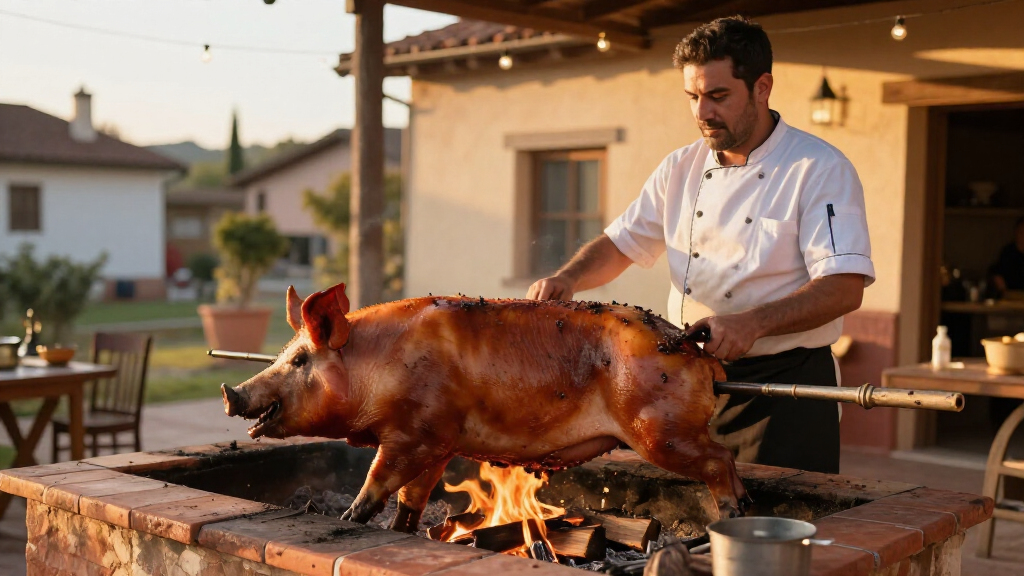
Porceddu (also spelled porchetto, meaning suckling pig) is a whole young pig — typically 4 to 7 weeks old and under 20 pounds — slow-roasted over embers for three to five hours until the skin shatters like glass and the meat pulls from the bone. It is the centerpiece dish of Sardinian celebrations, and important aspects of its authenticity come down to wood and patience: traditionally myrtle or cork oak embers, never a rushed gas flame.
The classic method, still used across the interior at festivals and weddings, involves digging a shallow pit or arranging the pig on a spit angled over the coals. The pig is seasoned simply — salt, sometimes a stuffing of myrtle leaves, wild herbs, or a splash of vermentino — because fire does the flavoring. When the skin blisters and the fat renders into the embers, the smoke perfumes everything beneath it.
Practical advice: you cannot walk into a random restaurant at 8 p.m. and expect porceddu. Proper roasting takes hours, so the best versions are found in agriturismi (farm-stay restaurants) in the interior — around Barbagia, Oliena, and Orgosolo — or at village festivals, where it’s ordered ahead. Portions are communal. You’ll get a tray of chopped pig, skin-side up, with bread and Cannonau red wine, and you eat with your hands.
Safety note: roast pork should reach an internal temperature of at least 145°F (63°C) with a rest period; at a proper event it far exceeds this, falling-apart tender. Leftovers keep 3–4 days refrigerated and reheat best crisped in a hot oven, not a microwave.
Why Vermentino di Gallura Tastes Like the Sea (And Which Bottle to Look For)
Vermentino is Sardinia’s flagship white grape, and its finest expression is Vermentino di Gallura DOCG — the island’s only white wine holding DOCG status, Italy’s top classification — grown in the granite hills of Gallura in the northeast, inland from the Costa Smeralda. The granite is the secret: vines struggle through decomposed rock, and that stress gives the wine its signature saline, mineral edge.
In the glass it’s pale gold, aromatic, and crisp — citrus, green apple, white flowers, and herbs, with a finish that tastes faintly of sea spray. According to madtasting.com, Gallura’s coastal winds and porous granite soils are exactly what push Vermentino beyond the plumper styles made from the same grape on the mainland in Liguria or Tuscany.
Look for these on a label:
- Vermentino di Gallura DOCG — the benchmark; dry, mineral, structured.
- Vermentino di Sardegna DOC — broader island-wide category, often lighter and cheaper, great for everyday sipping.
- Spumante versions — sparkling Vermentino, increasingly common and worth trying as an aperitivo.
Wine tourism has grown fast here, and most Gallura wineries near Tempio Pausania and Berchidda offer tastings for roughly €15–30, often alongside pecorino and pane carasau. If you visit in September, you may catch the harvest — the vineyards loud with machinery and voices from dawn.
Drink responsibly: Vermentino typically runs 12.5–13.5% alcohol; adults only, and alternate glasses with water under the Sardinian sun.
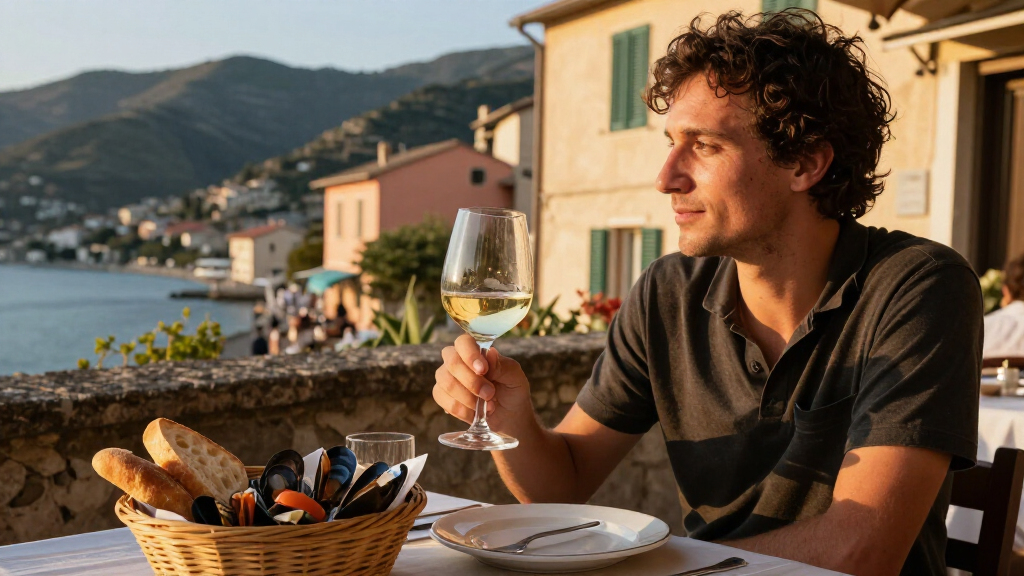
Pairing Sardinian Dishes and Wines: A Simple Cheat Sheet
The right Sardinian wine pairing follows one rule: match the island’s white to the sea and lighter dishes, and its reds to fire-roasted meat. Sardinian food and wine grew up together, so the classic matches barely need thinking about — but the table below saves you the guesswork when you’re staring at a menu.
| Dish | Best Wine Match | Why It Works |
|---|---|---|
| Culurgiones (potato, pecorino, mint) | Vermentino di Sardegna DOC | Citrus acidity lifts the potato; herbal notes echo the mint |
| Porceddu (roast suckling pig) | Cannonau di Sardegna DOC (Grenache) | Soft red fruit and moderate tannins match rich, smoky pork |
| Seafood — bottarga, clams, grilled fish | Vermentino di Gallura DOCG | Saline minerality mirrors the brine of the seafood |
| Pecorino sardo cheese | Cannonau or a sweet Moscato | Tannin or sweetness both cut the sheep’s-milk sharpness |
| Seadas (fried cheese pastry with honey) | Moscato di Sorso-Sennori or Mirto | Sweet wine balances honey; mirto’s berry bitterness contrasts it |
One warning worth repeating: do not pair porceddu with Vermentino. The pork’s smoke and fat flatten the wine’s delicacy like a heavy blanket on lace. Cannonau — Sardinia’s high-antioxidant red, often cited alongside the island’s Blue Zone longevity studies — is the fire-meat wine, and always has been.
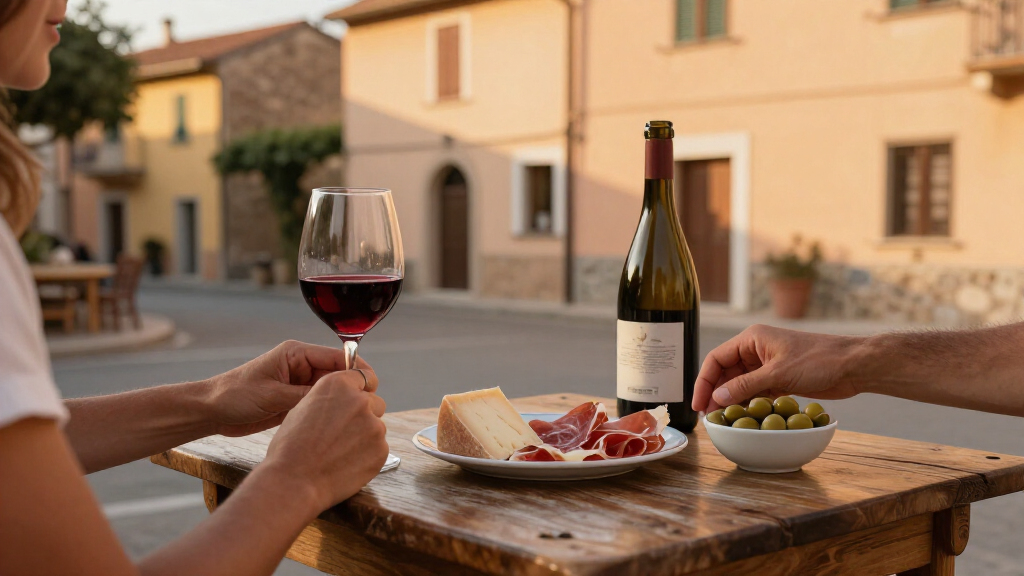
Where and When to Eat Your Way Through Sardinia: Festivals and Real Places
The best Sardinian food experiences are tied to the calendar, because along with common restaurant offerings, the island’s sagre (village food festivals) are where culurgiones and porceddu are made in quantity, by dozens of hands, exactly as they have been for generations. Time a trip around one and you’ll eat better than in any reviewed restaurant.
- Sagra dei Culurgiones, Osini (Ogliastra) — held in early August; thousands of hand-braided culurgiones cooked and served in the square, with music and dancing.
- Sagra del Porceddu, Orotelli — mid-August; suckling pigs roasted over open pits all afternoon.
- Vermentino events in Berchidda — the inland Gallura town hosts wine-focused festivals, including a well-known jazz-and-wine event in late summer.
- Cortes Aperte, autumn — a series of open-house weekends in Barbagia’s stazzi and rural homes, with bread, cheese, and roast meats.
For everyday eating, favor agriturismi in the interior over beachfront restaurants. A farm-stay dinner around Oliena or Mamoiada typically costs €35–50 fixed-price for course after course — pane carasau, cured meats, pecorino, roast meat, seadas, and house wine — and the ingredients come from the land you can see through the window. Along with common tourist menus in coastal towns, these are the true dining experiences in Sardinia, and they’re often cheaper than the tourist ones.
Agriturismo dinners are fixed menus and filling; go hungry, pace yourself, and accept that dessert arrives whether you have room or not.
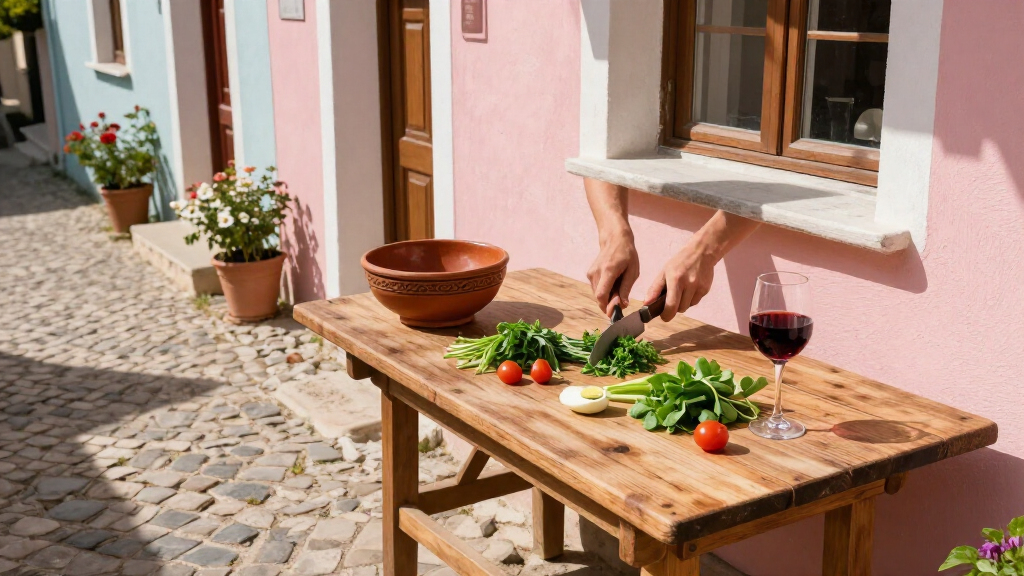
Make Culurgiones at Home: A Step-by-Step First Attempt
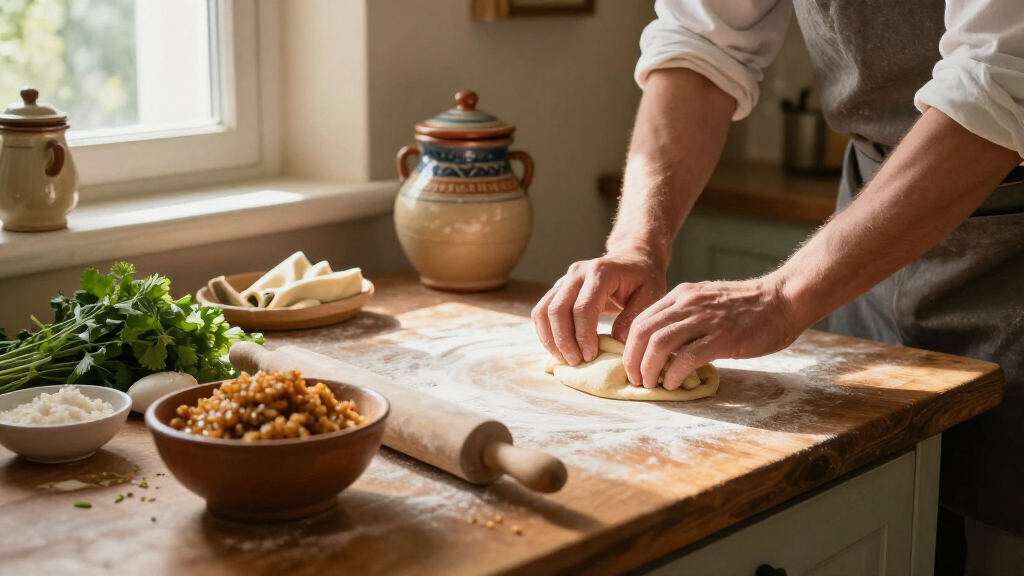
You can make credible culurgiones at home in an afternoon, and the dough needs just two ingredients: semola rimacinata (fine remilled semolina) and warm water. Here is the process that works for first-timers.
- Make the filling: boil 2 pounds of floury potatoes, mash them dry, then mix with about 1½ cups grated aged pecorino, a generous handful of chopped fresh mint, 2 tablespoons olive oil, salt, and pepper. Cool completely — warm filling wrecks the dough.
- Make the dough: knead 400g semola rimacinata with roughly 200ml warm water and a pinch of salt for 10 minutes until smooth and elastic. Rest it, covered, for 30 minutes.
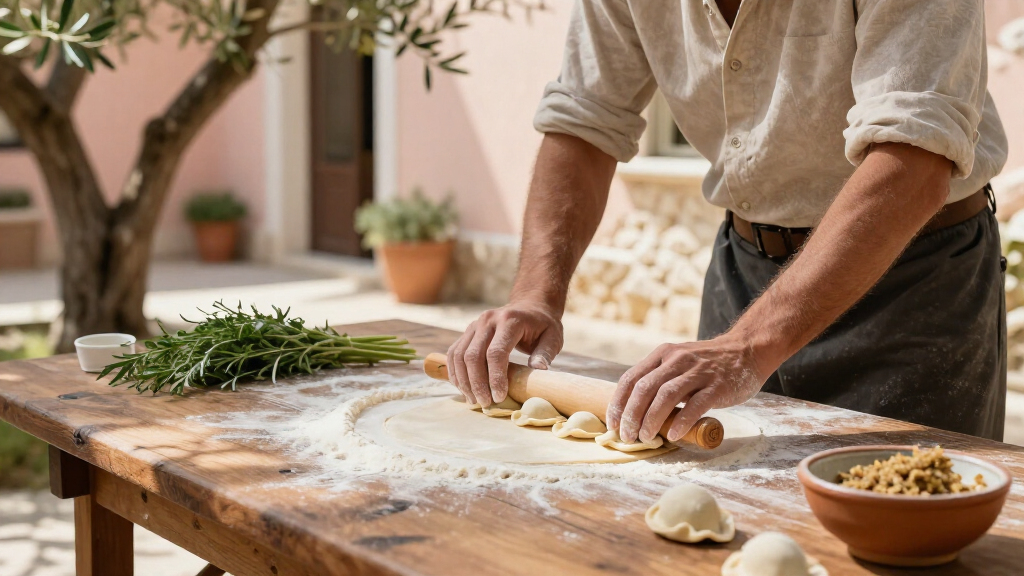
- Shape: roll the dough thin (about 2mm), cut 3-inch rounds, place a spoonful of filling on each, fold into a half-moon, and press out the air.
- Braid the edge: starting at one end, pinch and fold small segments of the seam over each other, working toward the other end, forming a wheat-spike ridge. Your first attempts will look like a Wheat spike that lost a fight. Keep going — it clicks around dumpling ten.
- Cook and dress: boil in salted water 3–4 minutes, until they float and the edge is tender. Dress with good olive oil, extra pecorino, and a few torn mint leaves. Nothing else.
Serve them straight away; culurgiones wait for no one. Store uncooked ones in a single layer, refrigerated, for up to a day, or freeze them on a tray and bag them for a month. Boil from frozen, adding a minute.
Allergens: contains gluten (wheat) and dairy. For a vegan version, some Sardinian cooks swap the pecorino for nutritional yeast plus extra olive oil — not traditional, but honest and tasty.
Frequently Asked Questions
What makes culurgiones different from regular ravioli?
Culurgiones use a potato, pecorino, and fresh mint filling rather than meat or ricotta, and they are sealed with a distinctive hand-pinched braid shaped like a wheat spike — a traditional symbol of prosperity from Ogliastra. They’re also served minimally dressed, usually just olive oil and grated cheese, so the mint and pecorino stay front and center.
Can I find authentic porceddu as a regular restaurant order?
Rarely. Genuine porceddu roasts for three to five hours over myrtle or oak embers, so it must be ordered ahead — usually a day in advance, often for a group. Your best bets are agriturismi (farm-stay restaurants) in the island’s interior, around Oliena, Orgosolo, and Barbagia, or village festivals such as the Sagra del Porceddu in Orotelli in August.
Where should I taste Vermentino in Sardinia?
Head to Gallura in the northeast — the wineries around Tempio Pausania and Berchidda sit in the granite hills that give Vermentino di Gallura DOCG its mineral character. Most offer tastings for about €15–30, often with local cheese and bread. September coincides with harvest and is a vivid time to visit.
Are there vegetarian options in Sardinian cuisine?
Yes, more than the island’s meat-heavy reputation suggests. Culurgiones are vegetarian by default, and menus typically offer pane carasau (crisp flatbread), pecorino sardo, fregola with vegetables, artichokes, broad beans with mint, and seadas (fried cheese pastries with honey — vegetarian but not vegan). Vegans will find culurgiones adaptable at home but limited options at traditional restaurants.
What wine should I serve with culurgiones if I can’t find Vermentino?
Look for another crisp, herbal white — a dry Vermentino from mainland Italy, a Ligurian Pigato, or a Tuscan Vermentino works well. The goal is acidity and subtle herb notes to echo the mint; avoid oaky whites, which clash with pecorino’s sharpness. Serve well chilled, around 46–50°F (8–10°C).
Conclusion
If you remember one thing about Sardinian food and dining, make it this: the island’s three icons are one story told three ways — shepherds braided blessing into culurgiones, fire turned celebration into porceddu, and granite turned coastal wind into Vermentino. Eat them where they’re made, in the interior’s farm kitchens and at the Ogliastra festivals in August, and you’ll understand Sardinia faster than any guidebook can explain it.
And if the trip waits, the kitchen doesn’t. Braided dumplings, a bottle of Gallura, a handful of mint — the island fits on one plate. The only question left is whether your first wheat-spike survives to the pot.
Fall Picks
fall essentials
As an affiliate, we earn on qualifying purchases.