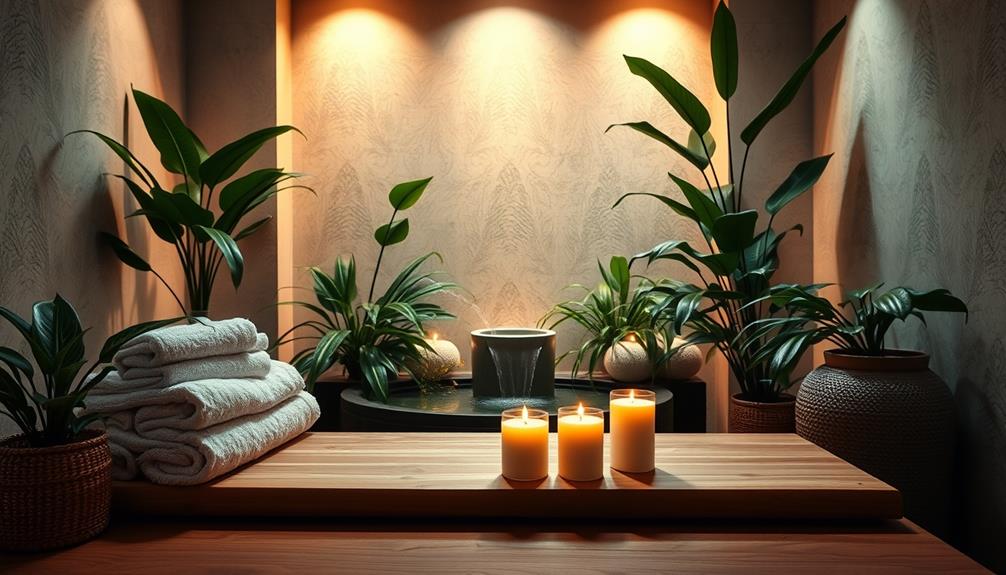
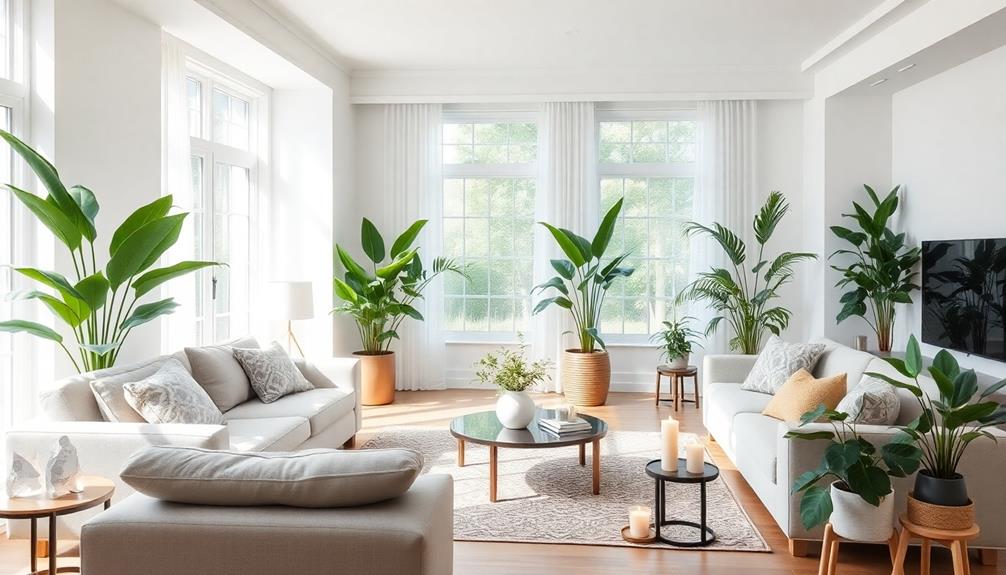
Wabi-sabi design principles encourage you to embrace imperfection, natural materials, and simplicity to create authentic, calming spaces. You’ll find beauty in weathered wood, handmade ceramics, and irregular textures that celebrate the transient nature of life. Focus on minimalism, avoiding excess clutter, and fostering a sense of peace. By appreciating subtle flaws and natural growth, you’ll cultivate an environment of mindfulness and connection. Continue exploring these principles to truly understand how they can transform your space.

Get kitchen staples and gadgets delivered free — and shop member deals
- Fast, free delivery on millions of items
- Access to Prime Big Deal Days deals on October 6–7
- Prime Video, Amazon Music and more included
Key Takeaways
- Embrace natural imperfections and irregularities in materials and craftsmanship.
- Focus on simplicity and minimalism, avoiding unnecessary ornamentation.
- Highlight the authentic beauty of aged, weathered, or handmade objects.
- Create a sense of calm and mindfulness through understated, harmonious design.
- Prioritize natural materials and an organic, lived-in atmosphere.

Wabi-sabi design principles embrace the beauty of imperfection and impermanence, encouraging you to find elegance in simplicity and natural flaws. When you incorporate wabi-sabi into your space, you shift your focus from perfection to authenticity. It’s about appreciating what is imperfect, whether it’s a weathered piece of wood, a handmade ceramic, or a slightly uneven fabric weave. This approach invites you to see beauty in the natural state of things, fostering a sense of calm and connection to the world around you. The core idea is that true elegance doesn’t come from flawless symmetry but from embracing the unique character that natural imperfections bring.
True elegance lies in embracing natural imperfections and authentic simplicity.
In practical terms, this means choosing materials that display their natural qualities—wood with knots and grain, stone with irregularities, or textiles with subtle flaws. These elements highlight natural simplicity, stripping away unnecessary ornamentation and allowing the inherent beauty of the materials to shine. When you design with wabi-sabi, you resist the urge to perfect every detail, instead celebrating the subtle irregularities that make each object and space distinct. It’s about creating a sense of harmony through simplicity, where less is more, and each piece plays a part in a balanced whole.
By embracing imperfection elegance, you cultivate a space that feels authentic and lived-in. You might select handcrafted pottery with uneven edges or furniture that shows signs of age and use. These imperfections aren’t flaws; they’re testimonies of craftsmanship and natural growth. Recognizing imperfection in your environment helps you appreciate the fleeting nature of life and beauty, reminding you that nothing is static or overly polished. This perspective fosters mindfulness, encouraging you to slow down and notice the small, often overlooked details that give character to your surroundings.
Natural simplicity is at the heart of wabi-sabi. It involves stripping away excess and focusing on the essential. Your space becomes a sanctuary of quiet elegance, where simplicity doesn’t mean minimalism devoid of texture but rather a thoughtful selection of elements that reflect the natural world. You’re encouraged to keep clutter minimal, choose pieces that have meaning, and allow the beauty of their natural state to speak for itself. This approach helps you cultivate a sense of peace, where beauty isn’t manufactured but discovered—found in the humble, the imperfect, and the transient. Recognizing the importance of natural qualities in materials further enhances the authenticity of this aesthetic. Ultimately, wabi-sabi invites you to embrace life’s impermanence and find beauty in what is truly real.
Top picks for "wabi sabi design"
As an affiliate, we earn on qualifying purchases.
Frequently Asked Questions
How Can Wabi-Sabi Influence Modern Interior Design?
You can embrace imperfection and minimalist aesthetics to influence modern interior design through wabi-sabi. By selecting authentic, weathered materials and avoiding overly polished finishes, you create spaces that celebrate natural beauty. Incorporate simple, functional furniture with subtle flaws, and keep decor minimal to highlight tranquility. This approach fosters a calming environment that values authenticity, imperfection, and the beauty of simplicity in your modern interior design.
What Are Common Materials Used in Wabi-Sabi Decor?
Imagine touching the soul of a space—what materials bring you there? You’ll find that raw textures like unpolished wood, weathered stone, and handmade ceramics define wabi-sabi decor. Natural fibers such as linen, jute, and cotton add warmth and authenticity. These materials celebrate imperfection, creating a serene, lived-in feel. Embrace these simple, honest elements to craft a space that feels both grounding and beautifully imperfect.
How Does Wabi-Sabi Promote Sustainability?
You can promote sustainability through wabi-sabi by embracing minimalist living, which encourages you to buy less and value quality over quantity. It also supports recycling practices, as you’re more likely to reuse and repurpose items with imperfections rather than discard them. This mindful approach reduces waste and fosters a deeper connection to nature, helping you live more sustainably while appreciating beauty in simplicity and imperfection.
Can Wabi-Sabi Be Incorporated Into Outdoor Spaces?
Yes, you can incorporate wabi-sabi into outdoor spaces by using natural textures and weathered finishes. Embrace imperfect materials like aged wood, stone, or rusted metal to create a serene, authentic vibe. Let the outdoor furniture and decor show signs of age and wear, highlighting the beauty in imperfection. This approach fosters harmony with nature and encourages mindfulness of the transient, ever-changing qualities of the outdoor environment.
What Are Typical Wabi-Sabi Color Schemes?
You’ll notice that typical wabi-sabi color schemes feature earth tones and muted palettes, emphasizing natural simplicity. Think warm browns, soft grays, gentle greens, and subtle beiges that blend seamlessly with imperfect textures. These colors create a calming, understated aesthetic that celebrates authenticity. By using such hues, you bring a sense of tranquility and organic beauty into your space, embracing imperfection and the quiet elegance of nature.
Conclusion
Embrace wabi-sabi as a gentle reminder that beauty lies in imperfection and transience. Like a weathered stone or a fading blossom, these symbols remind you to cherish life’s fleeting moments and find serenity in authenticity. By welcoming impermanence and embracing natural flaws, you create spaces that reflect your true self. Let these symbols guide you to find harmony in life’s imperfections, turning everyday moments into meaningful, timeless experiences.
Fall Picks
fall essentials
As an affiliate, we earn on qualifying purchases.