
For photographers choosing an iMac for photo editing, my best overall pick is the 24-inch M4 model with 24GB memory and a 512GB SSD, which gives demanding workflows more room to run smoothly. The 16GB/512GB versions are stronger value choices for everyday editing, while the 16GB/256GB models suit lighter work if you rely on external storage. Across these six configurations, the main tradeoff is memory and built-in storage rather than a different display size or chip generation. Color options do not change editing capability, so I would choose based on workflow and budget before finish. Read on for the full comparison, buying advice, and recommendations by photographer type.

Get kitchen staples and gadgets delivered free with Prime
- Fast, free delivery on millions of items
- Prime Video, Amazon Music and more included
- Member-only deals all year
Key Takeaways
- 24GB memory separates the strongest editing options: both 24GB/512GB configurations offer more headroom for large RAW files, layered edits, and multitasking than the 16GB models.
- The 512GB SSD is the better starting point for an active photo library; the 256GB models are more suitable when originals and archives live on external drives.
- The two 24GB models are close in capability, so Silver versus Blue is a finish choice, not a reason to expect a different editing experience.
- 16GB/512GB is the practical middle ground for many photographers who want useful local storage without prioritizing maximum memory.
- The 16GB/256GB configurations are entry points, not workstation substitutes; they make most sense for lighter edits, learning, and disciplined external-storage habits.
| Apple 2024 iMac All-in-One Desktop Computer with M4 Chip, 24-inch Retina Display, 16GB RAM, 512GB SSD, Blue |  | Best Overall for Photo Editing | Processor: Apple M4, 10-core CPU and 10-core GPU | Display: 24-inch Retina 4.5K | Memory: 16GB unified memory | VIEW ON AMAZON | See Our Full Breakdown |
| Apple 2024 iMac 24-inch All-in-One Desktop with M4, 10-Core CPU and GPU, 24GB Memory, 512GB SSD – Blue |  | Best for Large Catalogs and Multitasking | Processor: Apple M4, 10-core CPU | Graphics: 10-core GPU | Memory: 24GB unified memory | VIEW ON AMAZON | See Our Full Breakdown |
| Apple 2024 iMac 24-inch All-in-One Desktop with M4 Chip, 16GB Memory, 256GB SSD, Blue |  | Best Entry Configuration for Beginners | Processor: Apple M4, 8-core CPU and 8-core GPU | Display: 24-inch 4.5K Retina, 500 nits, supports up to one billion colors | Memory: 16GB unified memory | VIEW ON AMAZON | See Our Full Breakdown |
| Apple 2024 iMac All-in-One Desktop Computer with M4 Chip, 24-inch Retina Display, 24GB Memory, 512GB SSD, Silver | 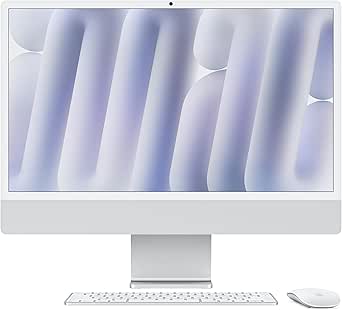 | Best Premium Silver Configuration | Processor: Apple M4, 10-core CPU and 10-core GPU | Display: 24-inch Retina 4.5K | Memory: 24GB unified memory | VIEW ON AMAZON | See Our Full Breakdown |
| Apple 2024 iMac All-in-One Desktop Computer with M4 Chip, 24-inch Retina Display, 16GB Memory, 512GB SSD, Silver | 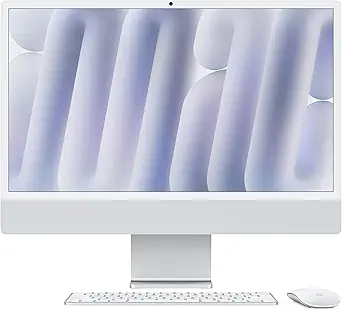 | Best for a Clean, Neutral Workspace | Processor: Apple M4, 10-core CPU and 10-core GPU | Display: 24-inch Retina 4.5K, 500 nits | Memory: 16GB unified memory | VIEW ON AMAZON | See Our Full Breakdown |
| Apple 2024 iMac All-in-One Desktop Computer with M4 Chip, 24-inch Retina Display, 16GB RAM, 256GB SSD, Green | 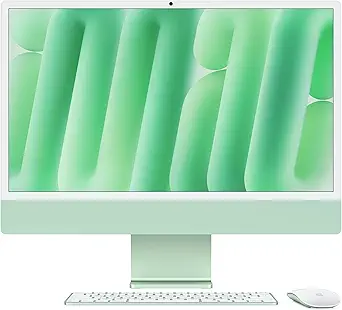 | Best Colorful Entry Configuration | Processor: Apple M4 chip with 10-core CPU and 10-core GPU | Display: 24-inch 4.5K Retina display | Display brightness: 500 nits | VIEW ON AMAZON | See Our Full Breakdown |
| imac for photographer | Processor | Display | Memory | Storage |
|---|---|---|---|---|
| Apple 2024 iMac All-in-One Des | Apple M4, 10-core CPU and 10-core GPU | 24-inch Retina 4.5K | 16GB unified memory | 512GB SSD |
| Apple 2024 iMac 24-inch All-in | Apple M4, 10-core CPU | 24-inch 4.5K Retina, 500 nits, supports up to one billion colors | 24GB unified memory | 512GB SSD |
| Apple 2024 iMac 24-inch All-in | Apple M4, 8-core CPU and 8-core GPU | 24-inch 4.5K Retina, 500 nits, supports up to one billion colors | 16GB unified memory | 256GB SSD |
| Apple 2024 iMac All-in-One Des | Apple M4, 10-core CPU and 10-core GPU | 24-inch Retina 4.5K | 24GB unified memory | 512GB SSD |
| Apple 2024 iMac All-in-One Des | Apple M4, 10-core CPU and 10-core GPU | 24-inch Retina 4.5K, 500 nits | 16GB unified memory | 512GB SSD |
| Apple 2024 iMac All-in-One Des | Apple M4 chip with 10-core CPU and 10-core GPU | 24-inch 4.5K Retina display | 16GB unified memory | 256GB SSD |
More Details on Our Top Picks
Apple 2024 iMac All-in-One Desktop Computer with M4 Chip, 24-inch Retina Display, 16GB RAM, 512GB SSD, Blue
I’d make this the balanced pick for photographers who want a capable desktop without stepping up to 24GB memory. Its M4 chip with a 10-core CPU and GPU pairs with a sharp 4.5K Retina display, giving photo edits and everyday multitasking room to run smoothly. The 512GB SSD is a more comfortable starting point for apps and active projects than the 256GB drive in the 16GB blue iMac, though a large RAW archive will still call for external storage. Compared with the 24GB blue model, this configuration gives up memory headroom for larger catalogs and simultaneous workloads. The compact all-in-one setup saves desk space, but its display and components aren’t designed for later upgrades.
Pros:- 10-core M4 CPU and GPU provide capable performance for editing and multitasking
- 4.5K Retina display offers a detailed workspace for reviewing and refining images
- 512GB SSD provides more room for active work than the 256GB configuration
- Thunderbolt 4 connectivity supports fast external storage and up to two 6K displays
Cons:- 16GB unified memory offers less headroom than either 24GB configuration for demanding multitasking
- 24-inch built-in display may feel cramped beside larger photo-editing monitors
- All-in-one design limits internal upgrades and makes external storage important for large libraries
Best for: Photographers editing personal or moderate-sized photo libraries who want a strong M4 system, a built-in color-rich display, and 512GB of internal storage.
Not ideal for: Photographers managing very large RAW catalogs or complex layered files who need more memory, extensive internal storage, or a larger workspace.
- Processor:Apple M4, 10-core CPU and 10-core GPU
- Display:24-inch Retina 4.5K
- Memory:16GB unified memory
- Storage:512GB SSD
- Color:Blue
- Connectivity:Wi-Fi 6E and Bluetooth 5.3
- Ports and display support:Thunderbolt 4; supports two 6K displays
Our verdict“Choose this blue 16GB model for a well-rounded photo-editing iMac with a larger starting SSD, but pick a 24GB version if your projects routinely push memory limits.”
Apple 2024 iMac 24-inch All-in-One Desktop with M4, 10-Core CPU and GPU, 24GB Memory, 512GB SSD – Blue
For photographers who keep editing software, a browser, and a sizable catalog open together, I’d favor this blue configuration’s 24GB unified memory. It retains the 10-core M4 CPU and GPU and 512GB SSD found in the 16GB blue model, but adds breathing room for heavier multitasking and more demanding edits. Its 24-inch 4.5K display supports up to one billion colors, making detailed image review more comfortable than working on a standard-resolution screen. That said, the larger memory allocation doesn’t solve the iMac’s compact workspace or limited internal storage: photographers with extensive archives will still need external drives. Compared with the less expensive-feeling 16GB configurations in this lineup, this is the stronger choice for workload headroom, not for a larger built-in canvas.
Pros:- 24GB unified memory provides more multitasking headroom than the 16GB models
- 10-core M4 CPU and GPU support demanding creative workloads
- 4.5K display supports up to one billion colors for detailed image work
- Thunderbolt 4 and support for up to two external 6K displays allow workspace expansion
Cons:- The 24-inch built-in display remains compact for side-by-side editing panels
- 512GB SSD can fill quickly with RAW files and project archives
- The all-in-one design limits future internal upgrades
Best for: Photographers who work with larger catalogs, layered edits, and several creative apps at once and want 24GB memory without giving up the 512GB SSD.
Not ideal for: Photographers who prioritize a large editing surface or need to keep a large RAW archive on the computer’s internal drive.
- Processor:Apple M4, 10-core CPU
- Graphics:10-core GPU
- Memory:24GB unified memory
- Storage:512GB SSD
- Display:24-inch 4.5K Retina, 500 nits, supports up to one billion colors
- Camera and audio:12MP Center Stage camera; three microphones; six speakers with Spatial Audio
- Connectivity:Up to four Thunderbolt 4 ports, Wi-Fi 6E, and Bluetooth 5.3
- Color:Blue
Our verdict“Pick this model over the 16GB iMacs when memory headroom for catalogs and multitasking matters more than internal archive capacity or a larger built-in screen.”
Apple 2024 iMac 24-inch All-in-One Desktop with M4 Chip, 16GB Memory, 256GB SSD, Blue
This is the entry configuration I’d choose for a photographer starting out with a manageable image library and a plan to store older work externally. The 24-inch 4.5K Retina display provides a clear workspace, while the M4 chip with an 8-core CPU and GPU handles everyday editing tasks. Its biggest compromise is the combination of 16GB memory and a 256GB SSD: storage can become tight quickly when RAW files, apps, and current projects share one drive. The 16GB blue iMac with 512GB storage is a more flexible alternative if you expect your library to grow, and the 24GB models offer more multitasking headroom. This version makes most sense when keeping the initial setup simple matters more than extra capacity.
Pros:- 4.5K Retina display offers fine detail for learning image review and editing
- M4 chip supports everyday creative work in a compact all-in-one system
- 12MP Center Stage camera and built-in microphones and speakers suit calls and tutorials
- Thunderbolt 4, Wi-Fi 6E, and Bluetooth 5.3 support modern accessories and storage
Cons:- 256GB SSD leaves limited room for applications and active photo projects
- 16GB unified memory provides less headroom than the 24GB configurations
- 8-core CPU and GPU configuration is less capable than the 10-core versions in this lineup
Best for: New photographers editing smaller libraries, learning photo software, and comfortable archiving images on external storage.
Not ideal for: Photographers with growing RAW collections, large layered projects, or several demanding apps open at once; the 256GB SSD and 16GB memory leave less room to grow.
- Processor:Apple M4, 8-core CPU and 8-core GPU
- Display:24-inch 4.5K Retina, 500 nits, supports up to one billion colors
- Memory:16GB unified memory
- Storage:256GB SSD
- Camera:12MP Center Stage
- Audio:Three microphones and six speakers with Spatial Audio
- Connectivity:Up to four Thunderbolt 4 ports, Wi-Fi 6E, and Bluetooth 5.3
- Color:Blue
Our verdict“Choose this blue iMac for a starter photo-editing setup only if your library is modest and you’ll use external storage; otherwise, the 512GB model is a safer fit.”
Apple 2024 iMac All-in-One Desktop Computer with M4 Chip, 24-inch Retina Display, 24GB Memory, 512GB SSD, Silver
I’d steer photographers who prefer a restrained workspace and want the lineup’s stronger memory configuration toward this silver iMac. Its 24GB unified memory, 10-core M4 CPU and GPU, and 512GB SSD make it better suited to large working sessions than the 16GB silver model. The 24-inch 4.5K display keeps the computer self-contained, while Thunderbolt 4 ports let you add external drives or a larger monitor. Compared with the blue 24GB iMac, the core editing configuration is similar; the main distinction is the silver finish, so color preference and availability should guide the choice rather than an assumed performance advantage. The tradeoffs remain the same: a compact built-in display, finite internal storage, and limited upgrade options.
Pros:- 24GB unified memory gives more room for demanding editing sessions than the 16GB silver model
- 10-core M4 CPU and GPU support creative work and multitasking
- 512GB SSD provides a useful working space for apps and current projects
- Thunderbolt 4 connectivity supports external storage and additional display setups
Cons:- The 24-inch display may constrain photographers who prefer a wide editing workspace
- 512GB internal storage is modest for extensive RAW archives
- All-in-one construction limits later component upgrades
Best for: Photographers who want 24GB memory and a 512GB SSD in a neutral-looking all-in-one for a tidy studio or home office.
Not ideal for: Buyers who need a bigger built-in editing canvas, extensive internal archive space, or a lower-memory configuration to meet a tighter budget.
- Processor:Apple M4, 10-core CPU and 10-core GPU
- Display:24-inch Retina 4.5K
- Memory:24GB unified memory
- Storage:512GB SSD
- Color:Silver
- Dimensions:21.54 x 5.79 x 18.15 inches
- Weight:9.77 pounds
- Connectivity:Up to four Thunderbolt 4 ports, Wi-Fi 6E, and Bluetooth 5.3
Our verdict“Choose the silver 24GB model if you want the lineup’s stronger memory setup in a neutral finish, and plan on external storage for a substantial photo archive.”
Apple 2024 iMac All-in-One Desktop Computer with M4 Chip, 24-inch Retina Display, 16GB Memory, 512GB SSD, Silver
This silver configuration is a sensible match for photographers who want a low-key desk setup and don’t need the extra memory in the 24GB models. The 10-core M4 CPU and GPU give it the same listed core count as the blue 16GB, 512GB iMac, and its 4.5K Retina display offers a detailed surface for editing. Its 512GB SSD is more practical for active projects than the 256GB blue entry model, though it still won’t replace a dedicated archive drive for a large RAW collection. Compared with the silver 24GB iMac, this model gives up memory headroom rather than display quality or storage capacity. I’d choose it for a simpler workload and neutral styling, not for intensive multitasking or a need to upgrade later.
Pros:- 10-core M4 CPU and GPU provide strong capability for everyday photo editing
- 4.5K display with 500-nit brightness supports detailed image work
- 512GB SSD offers more active-project space than the 256GB configuration
- Thunderbolt 4 supports external storage and up to two 6K displays
Cons:- 16GB unified memory has less headroom than the silver 24GB model
- 24-inch screen may feel small for photographers who rely on multiple editing panels
- Internal components are not readily upgradeable, and large archives need external storage
Best for: Photographers with moderate editing workloads who want 512GB of internal storage and a silver all-in-one that blends into a neutral workspace.
Not ideal for: Photographers who frequently work with large layered files, keep many apps open, or need more than 16GB memory and expandable internal hardware.
- Processor:Apple M4, 10-core CPU and 10-core GPU
- Display:24-inch Retina 4.5K, 500 nits
- Memory:16GB unified memory
- Storage:512GB SSD
- Color:Silver
- Connectivity:Wi-Fi 6E and Bluetooth 5.3
- Ports and display support:Up to four Thunderbolt 4 ports; supports two 6K displays
Our verdict“Pick this silver iMac for moderate photo work and a neutral desk setup; move to the 24GB silver model if heavier multitasking is part of your routine.”
Apple 2024 iMac All-in-One Desktop Computer with M4 Chip, 24-inch Retina Display, 16GB RAM, 256GB SSD, Green
I’d choose this green M4 iMac for a photo workspace where a built-in screen and a compact, coordinated setup matter more than generous local storage. Its 24-inch 4.5K Retina display supports a billion colors and reaches 500 nits, giving photographers a detailed canvas for editing and reviewing images. The 10-core M4 CPU and GPU, paired with 16GB of unified memory, suit everyday library management and common photo-editing work. Compared with the 16GB/512GB blue iMac, this version keeps the same listed memory and processor but gives you half the SSD capacity, so an external drive or cloud library is more likely to be part of the setup. I’d pick a 24GB/512GB model for heavier multitasking or a larger local catalog; this one favors a colorful all-in-one footprint over headroom.
Pros:- 24-inch 4.5K display supports a billion colors for detailed image review
- M4 chip with a 10-core CPU and GPU suits everyday editing and multitasking
- All-in-one design keeps the desk setup simple
- Wi-Fi 6E, Bluetooth 5.3, and Thunderbolt 4 support flexible connections
Cons:- 256GB SSD can fill quickly with RAW files, catalogs, and exports
- 16GB unified memory provides less headroom than the 24GB configurations in this lineup
- The 24-inch screen may feel cramped for photographers who want a larger editing canvas
Best for: Photographers who want a green all-in-one Mac for home editing, keep most image files on external or cloud storage, and mainly handle everyday photo workflows.
Not ideal for: Photographers who store large RAW libraries on the computer or run demanding editing apps alongside several other workloads; the 256GB SSD and 16GB memory offer less room than the listed 512GB and 24GB configurations.
- Processor:Apple M4 chip with 10-core CPU and 10-core GPU
- Display:24-inch 4.5K Retina display
- Display brightness:500 nits
- Color support:Supports 1 billion colors
- Memory:16GB unified memory
- Storage:256GB SSD
- Connectivity:Wi-Fi 6E, Bluetooth 5.3, and up to four Thunderbolt 4 ports
- External display support:Supports two 6K displays
- Color:Green
Our verdict“Choose this green iMac if you want a capable, colorful photo-editing desktop and plan to keep your growing image library on external or cloud storage.”
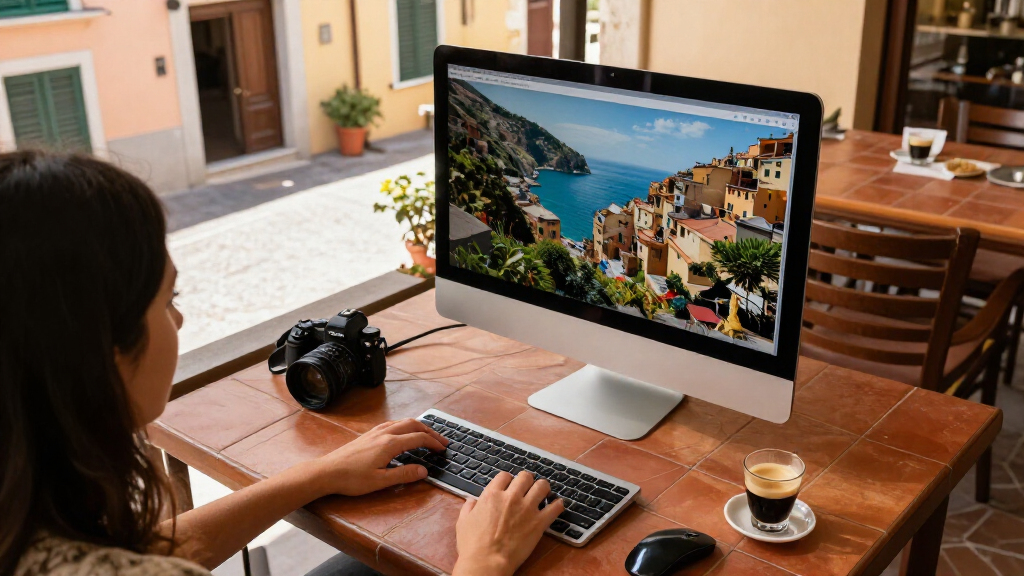
How We Picked
I ranked these iMacs by the features most likely to affect a photography workflow: unified memory capacity, SSD capacity, and overall configuration value. More memory can give editing apps and other open tools more room when handling large images, while additional internal storage reduces the need to manage external drives from day one. Since all six listings are 2024 24-inch M4 iMacs, I treated color and other cosmetic differences as secondary rather than performance advantages.
The 24GB/512GB models rank highest for their stronger headroom, followed by the 16GB/512GB options as balanced choices. The 16GB/256GB configurations rank lower because photographers can fill their internal drive quickly and have less memory for demanding multitasking. I also distinguish between similar configurations by buyer fit, not by claiming unlisted performance differences; these listings do not specify every technical detail, so I avoid assuming that a finish or product-name variation changes capability.
| imac for photographer | Processor | Color | Connectivity |
|---|---|---|---|
| Apple 2024 iMac All-in-One Des | Apple M4, 10-core CPU and 10-core GPU | Blue | Wi-Fi 6E and Bluetooth 5.3 |
| Apple 2024 iMac 24-inch All-in | Apple M4, 10-core CPU | Blue | Up to four Thunderbolt 4 ports, Wi-Fi 6E, and Bluetooth 5.3 |
| Apple 2024 iMac 24-inch All-in | Apple M4, 8-core CPU and 8-core GPU | Blue | Up to four Thunderbolt 4 ports, Wi-Fi 6E, and Bluetooth 5.3 |
| Apple 2024 iMac All-in-One Des | Apple M4, 10-core CPU and 10-core GPU | Silver | Up to four Thunderbolt 4 ports, Wi-Fi 6E, and Bluetooth 5.3 |
| Apple 2024 iMac All-in-One Des | Apple M4, 10-core CPU and 10-core GPU | Silver | Wi-Fi 6E and Bluetooth 5.3 |
| Apple 2024 iMac All-in-One Des | Apple M4 chip with 10-core CPU and 10-core GPU | Green | Wi-Fi 6E, Bluetooth 5.3, and up to four Thunderbolt 4 ports |
Factors to Consider When Choosing Imac For Photographers
Choosing an iMac for photography is less about picking a color and more about matching the configuration to your file sizes, editing habits, and storage plan. I would decide how much work happens locally, how often you keep several applications open, and whether your monitor needs are already met by the built-in display. These broader checks can prevent a configuration that looks suitable on paper from feeling cramped later.
Choose Memory for Your Editing Habits
Memory affects how comfortably a computer can keep editing apps, browser tabs, and other tools active while you work. A photographer who edits a few images at a time may be well served by 16GB, while large RAW batches, layered files, and frequent multitasking make the 24GB configurations more appealing. A common mistake is to focus only on the processor name and ignore how much memory the selected configuration includes. Think about your busiest typical session, not just the simplest edit. If you rarely work with layers or multiple applications, extra memory may matter less than a larger SSD.
Plan Internal Storage Around Your Library
A 256GB SSD can work when the iMac holds apps and current projects while a fast external drive stores original files and archives. It becomes restrictive if you keep a large photo library, previews, catalogs, and exports on the internal drive. 512GB offers more breathing room, but it is not unlimited storage for a long-term archive. Before choosing, estimate how much space your existing library uses and how quickly it grows each year. Avoid treating cloud storage as a complete substitute for a local backup; photographers should keep a reliable backup plan for originals and catalogs.
Match the Computer to Your File Workflow
Not every photographer pushes an iMac equally hard. Occasional family-photo edits, hobby shooting, and modest RAW batches place different demands on a system than studio work with high-resolution files, layered composites, or many simultaneous exports. 24GB memory is the safer fit for heavier sessions, while 16GB can be a sensible choice for lighter editing and a more controlled number of open applications. Consider your editing software and its current requirements before buying, since app features and file sizes can change. If your workflow is already limited by a specialized task, check that task’s requirements rather than assuming every photo workload benefits equally from the same upgrade.
Decide Whether the Built-In Display Is Enough
The 24-inch Retina display gives these iMacs a compact all-in-one setup, but a built-in screen does not automatically meet every color-critical workflow. Photographers who deliver web images may find the integrated display convenient, while print-focused work can call for a calibrated display and a consistent color-managed process. Display calibration and a controlled viewing environment can matter more than choosing between Blue and Silver. A frequent buying error is assuming a sharp screen alone guarantees accurate color in every room. Check your output needs, lighting conditions, and calibration options before treating the display as a finished color-proofing setup.
Budget for the Whole Photo Workspace
The iMac is an all-in-one computer, but a photography setup may still need external storage, a card reader, backup drives, and input devices suited to long editing sessions. Those additions affect convenience and total system cost even though they are not part of the listed configuration. Prioritize memory and internal storage before cosmetic finish if you are choosing between otherwise similar models. For a 256GB configuration, include external-drive capacity and a backup drive in your plan from the outset. A tidy setup is useful, but not if it depends on a single drive holding the only copy of your images.
Know When an iMac Is the Right Form Factor
An iMac combines the computer and display in one unit, which suits photographers who want a fixed, uncluttered editing desk. That convenience is less valuable if you need to move between locations, use a specialized external display, or upgrade individual components later. Choose the all-in-one format for desk simplicity, not for assumed future expansion. Compare the configuration you can buy now with the demands you expect over its useful life. If your work depends on a particular screen size, connection setup, or upgrade path, verify those needs before committing to this form factor.
Frequently Asked Questions
Is 16GB of memory enough for photo editing on these iMacs?
16GB can suit everyday photo editing, including routine adjustments and moderate RAW work, particularly when you avoid keeping many demanding applications open at once. The 24GB models offer more headroom for large files, layered edits, and multitasking. I would choose 16GB if your workflow is relatively light and the storage configuration fits your library. If you expect your projects to grow or already work with complex edits, the added memory is the more reassuring choice. The best fit depends on your actual editing software and typical session size.
Should I choose 512GB or 256GB of storage for my photo library?
Choose 512GB if you want more active work stored internally, including current projects, catalogs, and exports. A 256GB model can be a reasonable choice when you already use a fast external drive and have a clear backup routine. Remember that apps and system files also occupy space, so the full SSD is not available for images. Estimate your current library and its growth rather than guessing from a single project. Whichever size you select, keep a separate backup copy of your original files.
Does the Blue or Silver iMac edit photos differently?
The listed color differences are cosmetic; the configurations should be compared by memory and SSD capacity rather than finish. The Blue and Silver models with matching listed memory and storage are not presented as having a color-based editing advantage. Pick the finish that suits your workspace after narrowing the choices by specification. Also check the exact product listing before purchase, since product names can differ in how they describe the configuration. For photo work, color accuracy comes from the display and your color-managed workflow, not the iMac’s exterior color.
Is the 24GB/512GB configuration worth choosing over 16GB/512GB?
The upgrade makes the most sense for heavier or growing workloads, such as large RAW sessions, layered files, and editing alongside other applications. Both configurations provide the same listed SSD capacity, so the decision centers on memory headroom. If you mainly make straightforward adjustments and keep a modest number of apps open, 16GB may be adequate. If you want more room for demanding sessions, 24GB is the stronger match among these options. Compare your current habits and likely workflow over the next several years before paying for extra capacity you may not use.
Can a 16GB/256GB iMac work for a beginner photographer?
Yes, if the editing workload is modest and storage is planned. It can handle learning photo-editing tools and working through smaller projects, while an external drive can hold a growing collection. The main limitation is the combination of less memory and less internal space, which leaves less room for demanding multitasking and local libraries. Beginners who are unsure how quickly their library will grow may prefer 16GB/512GB as a more flexible starting point. Whichever configuration you choose, set up a second copy of important images rather than relying on the iMac alone.
Conclusion
For most photographers in this lineup, I recommend the 24GB/512GB iMac as the best overall: it pairs the greatest listed memory with the more practical SSD capacity. The 16GB/512GB model is my best value-style fit for everyday editing when extra memory is not a priority, while the 24GB/512GB configuration is also the best premium choice for heavier multitasking and larger projects. Beginners can choose a 16GB/512GB iMac for a less restrictive starting setup, or select 16GB/256GB if they have a dependable external-storage plan. For photographers who already archive externally and want the lowest-storage configuration, the 16GB/256GB models meet that specific need; pick Blue, Silver, or Green by appearance, not editing performance.