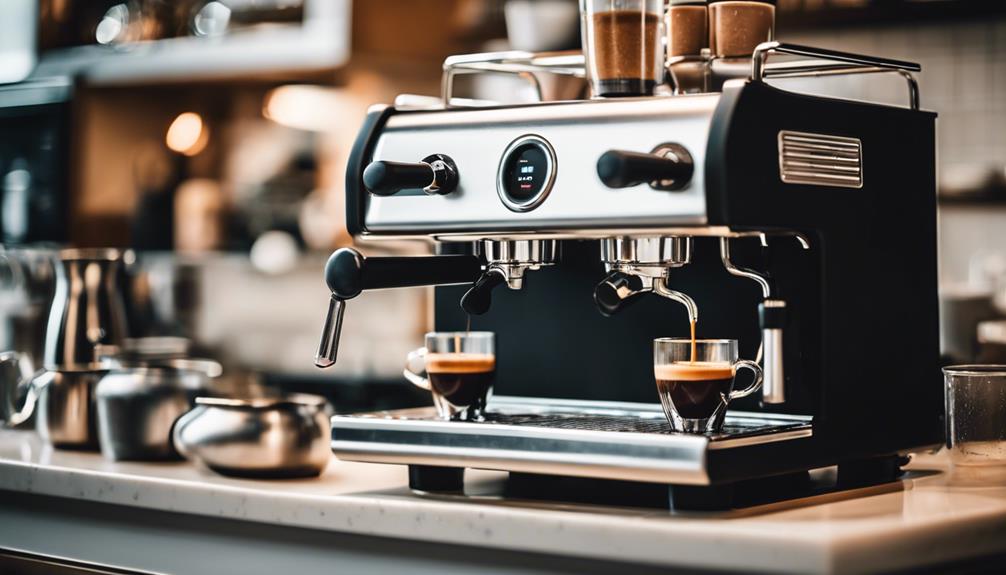

Choosing the right mid level espresso machine requires balancing build quality with operational complexity. The Breville Barista Express stands out as the best overall pick for its integrated grinder and reliable workflow, while the Gaggia Classic Evo Pro offers unparalleled upgradeability for those willing to learn manual techniques. Most buyers in this category face a tradeoff between convenience, such as pre-infusion and automatic dosing, and the tactile control found in traditional lever or portafilter designs. This guide breaks down the top fifteen options to help you identify which machine aligns with your budget and skill level. Read on for a detailed comparison of features, maintenance requirements, and long-term value.

Get kitchen staples and gadgets delivered free with Prime
- Fast, free delivery on millions of items
- Prime Video, Amazon Music and more included
- Member-only deals all year
Complete the kit


Key Takeaways
- Integrated grinders on models like the Breville Barista Express save counter space but often restrict future grinder upgrades, whereas separate units offer more flexibility.
- The Gaggia Classic Evo Pro remains the benchmark for modifiability, allowing users to swap boilers and group heads, unlike sealed units like the Breville Bambino.
- Budget-friendly options like the CASABREWS 5418 provide solid entry-level performance but often lack the thermal stability needed for consistent back-to-back shots.
- Thermoblock heating systems in machines like the Breville Bambino offer faster startup times compared to traditional boiler systems, reducing wait times significantly.
- Build materials matter; stainless steel bodies on machines like the Aromaster 1400W provide better heat retention and durability than plastic-heavy competitors.
| XIXUBX Espresso Machine with Milk Frother |  | Best Compact Entry-Point | Pressure System: 20 bar | Water Tank Capacity: 42 oz | Heating Technology: Fast heating | VIEW ON AMAZON | See Our Full Breakdown |
| Aromaster 1400W Espresso Machine |  | Best for Feature-Rich Simplicity | Power: 1400W | Pressure Pump: 20-Bar | Water Tank Capacity: 37 ounces | VIEW ON AMAZON | See Our Full Breakdown |
| Breville Barista Express Espresso Machine |  | Best Overall for Home Baristas | Machine Type: Manual with Integrated Grinder | Grinder: Conical burr | Temperature Control: Digital PID | VIEW ON AMAZON | See Our Full Breakdown |
| Gevi 20-Bar Espresso Machine with Grinder |  | Best Value All-in-One | Type: Semi-automatic with Grinder | Grinder: Conical burr, 30 settings | Portafilter Size: 58 mm | VIEW ON AMAZON | See Our Full Breakdown |
| Arecovas Espresso Machine with Touch Screen |  | Best Compact Modern Design | Pressure: 20 bar | Wattage: 1300W | Water Tank Capacity: 40oz / 1.2L | VIEW ON AMAZON | See Our Full Breakdown |
| EUHOMY Espresso Machine with Grinder and Milk Frother, 20 Bar Pressure |  | Best All-in-One Convenience | Pressure: 20 Bar | Grind Settings: 30 levels | Portafilter: 58mm Commercial-Grade | VIEW ON AMAZON | See Our Full Breakdown |
| Gaggia RI9380/49 Classic Evo Pro Espresso Machine, Thunder Black |  | Best for Modularity and Longevity | Housing Material: Solid Steel | Made in: Italy | Extraction Pressure: 9 Bar | VIEW ON AMAZON | See Our Full Breakdown |
| AMZCHEF Espresso Machine with Built-In Grinder, 44 Grind Settings, and Temperature Control |  | Best for Granular Control | Brand: AMZCHEF | Model: CM1626 | Type: Semi-automatic espresso machine | VIEW ON AMAZON | See Our Full Breakdown |
| CASABREWS 5418 PRO Espresso Machine with Fast Heating and Steam Wand |  | Best for Speed and Efficiency | Operation mode: Semi-automatic | Heating system: Flashheat | Steam switching: 3 seconds | VIEW ON AMAZON | See Our Full Breakdown |
| Breville Barista Pro Espresso Machine BES878BSS, Brushed Stainless Steel |  | Best Premium All-in-One | Capacity: 1/2 lb Bean Hopper | Water Tank Capacity: 67 oz | Power: 1680 Watts | VIEW ON AMAZON | See Our Full Breakdown |
| CASABREWS CM5418 Compact Espresso Machine |  | Best Budget Entry | Pump Pressure: 20 bar | Wattage: 1350 W | Water Tank: 34 oz, removable | VIEW ON AMAZON | See Our Full Breakdown |
| AAOBOSI Compact Espresso Machine |  | Best Speed & Convenience | Pump Pressure: 20 Bar | Power: 1350W | Preheat Time: 30 seconds | VIEW ON AMAZON | See Our Full Breakdown |
| De’Longhi Classic Signature Espresso Machine |  | Best Brand Reliability | Pump Pressure: 15 bar | Heating System: Thermoblock | Frother Type: Dual-mode, Adjustable | VIEW ON AMAZON | See Our Full Breakdown |
| CASABREWS 3700 Essential Stainless Steel Espresso Machine |  | Best Build Quality | Pump Pressure: 20 bar | Water Tank: 43.9 fl oz | Material: Stainless Steel | VIEW ON AMAZON | See Our Full Breakdown |
| Breville Bambino Espresso Machine |  | Best Premium Compact | Heating System: ThermoJet (3-second heat up) | Temperature Control: Digital PID | Frothing: Automatic Steam Wand | VIEW ON AMAZON | See Our Full Breakdown |
More Details on Our Top Picks
XIXUBX Espresso Machine with Milk Frother
This model serves as a solid entry point for those moving away from pod machines but not yet ready for full manual control. Unlike the Breville Barista Express, this unit lacks an integrated grinder, meaning you must purchase pre-ground coffee or a separate burr grinder to achieve quality results. Its 20-bar pressure system and fast heating are standard for this tier, but the 42 oz water tank is notably larger than the Aromaster 1400W, reducing refill frequency for households. The detachable steam wand is easier to clean than fixed designs, though mastering microfoam still requires practice. It is best for users who prioritize compact footprint and simplicity over advanced extraction features.
Pros:- Large 42 oz water tank reduces refilling
- Fast heating reduces wait time between drinks
- Compact stainless steel footprint fits small counters
- Detachable steam wand simplifies cleaning
Cons:- No built-in grinder requires separate purchase
- Manual steaming has a learning curve
- Plastic internal components may lack durability
Best for: Beginners upgrading from pod machines who already own a grinder
Not ideal for: Users wanting whole-bean freshness without buying extra equipment
- Pressure System:20 bar
- Water Tank Capacity:42 oz
- Heating Technology:Fast heating
- Steam Wand:360° rotating, detachable
- Material:Stainless steel
- Included Accessories:Milk frothing pitcher
- Warranty:1 year
Our verdict“A pragmatic choice for small kitchens where counter space is scarce and simplicity is valued over integrated grinding.”
Aromaster 1400W Espresso Machine
The Aromaster 1400W distinguishes itself with PID temperature control and pre-infusion, features often reserved for higher-end manual machines like the Gevi 20-Bar. This allows for more consistent extraction than the XIXUBX, which lacks precise thermal management. However, its 37 oz water tank is smaller than the XIXUBX, requiring more frequent refills for multi-cup households. The semi-automatic operation strikes a balance between control and convenience, though it still demands user involvement for grinding and dosing if you add an external grinder. It is ideal for those who want technical control without the bulk of a full prosumer setup.
Pros:- PID temperature control ensures stable brewing
- Pre-infusion improves shot consistency
- Swivel steam wand offers flexible frothing
- Compact dimensions suit tight spaces
Cons:- Smaller 37 oz tank requires frequent refills
- No integrated grinder limits freshness
- Semi-auto workflow takes time to master
Best for: Enthusiasts who want PID control without a built-in grinder
Not ideal for: Large families needing high-volume brewing capacity
- Power:1400W
- Pressure Pump:20-Bar
- Water Tank Capacity:37 ounces
- Operation Mode:Semi-Automatic
- Temperature Control:PID
- Features:Pre-Infusion, Cup Warmer, Auto Shut-Off
- Dimensions:13″D x 7″W x 14″H
Our verdict“Perfect for the technical hobbyist who prioritizes temperature stability over convenience features like auto-grinding.”
Breville Barista Express Espresso Machine
The Breville Barista Express remains the benchmark for mid-level machines due to its integrated conical burr grinder and digital PID control. Unlike the Gevi 20-Bar, which uses a similar grinder setup, the Breville benefits from a mature ecosystem of accessories and long-term reliability data. Its 67 oz water tank and 1/2 lb bean hopper support larger households better than the Aromaster or XIXUBX. While the 1600W power provides rapid heat-up, the machine is significantly larger and heavier than compact competitors. It demands hands-on operation for tamping and steaming, making it less convenient than fully automatic machines but superior in coffee quality and customization.
Pros:- Integrated grinder ensures fresh grounds
- PID control allows precise temperature adjustment
- Robust build quality with steel exterior
- Large water tank supports multiple drinks
Cons:- Large footprint requires significant counter space
- Manual operation has a steep learning curve
- Higher price point than basic entry models
Best for: Serious home baristas who want whole-bean freshness and customization
Not ideal for: Users with limited counter space or those seeking push-button automation
- Machine Type:Manual with Integrated Grinder
- Grinder:Conical burr
- Temperature Control:Digital PID
- Water Tank Capacity:67 oz
- Bean Hopper:1/2 lb
- Power:1600 watts
- Dimensions:13.8 x 12.5 x 15.9 in
- Weight:22.1 lb
Our verdict“The definitive choice for those committed to mastering espresso who want all-in-one convenience and pro-level features.”
Gevi 20-Bar Espresso Machine with Grinder
The Gevi 20-Bar offers a compelling alternative to the Breville Barista Express by including a built-in conical burr grinder with 30 adjustable settings at a lower entry cost. It also features a 58 mm portafilter, matching the commercial standard size used in higher-end machines, whereas the Breville uses a proprietary 54 mm size. The 2.3-liter water tank is larger than the Aromaster‘s, supporting more brewing before refills. However, the NTC and PID control is less refined than Breville’s digital system, and the build quality feels lighter. This machine is best for budget-conscious buyers who want the convenience of integrated grinding and standard-size accessories without paying for brand prestige.
Pros:- Built-in grinder with 30 settings
- Standard 58 mm portafilter size
- Large 2.3-liter removable water tank
- Customizable shot volumes
Cons:- Temperature control less precise than premium brands
- Plastic components feel less durable
- Semi-auto operation requires user involvement
Best for: Budget-conscious buyers wanting integrated grinding and 58mm compatibility
Not ideal for: Those who prioritize brand reputation and long-term support networks
- Type:Semi-automatic with Grinder
- Grinder:Conical burr, 30 settings
- Portafilter Size:58 mm
- Water Tank Capacity:2.3 liters
- Temperature Control:NTC and PID
- Wattage:1450 watts
- Dimensions:12.01 × 11.5 × 16.53 inches
Our verdict“A smart financial choice for users who want commercial-standard components without the premium price tag.”
Arecovas Espresso Machine with Touch Screen
The Arecovas Espresso Machine appeals to users who prioritize aesthetics and footprint over deep customization. With a slim 5.2-inch width and a touch screen interface, it fits comfortably in tight spaces where the bulky Breville Barista Express would not. It includes PID temperature control, offering better consistency than the basic XIXUBX, though it lacks the integrated grinder of the Gevi. The 20-bar pressure system is standard, but the 40 oz water tank is modest. This machine is suited for urban dwellers or office environments where visual appeal and space-saving are critical, and where users are willing to use pre-ground coffee to maintain a clutter-free counter.
Pros:- Ultra-slim 5.2-inch width saves space
- Touch screen simplifies operation
- PID control for consistent temperature
- Lightweight 2.6 lb design
Cons:- No built-in grinder
- Small 40 oz water tank
- Limited to home use due to size
Best for: Urban dwellers or office users with very limited counter space
Not ideal for: Users who want to grind fresh beans or need high-volume output
- Pressure:20 bar
- Wattage:1300W
- Water Tank Capacity:40oz / 1.2L
- Operation Mode:Semi-Automatic
- Dimensions:12″D x 5.2″W x 11.9″H
- Weight:2.6 pounds
- Material:Stainless steel
Our verdict“Ideal for style-conscious buyers who need a sleek, space-saving machine and don’t mind using pre-ground coffee.”
EUHOMY Espresso Machine with Grinder and Milk Frother, 20 Bar Pressure
This machine stands out for those who want grinding, brewing, and steaming in one footprint without the bulk of larger units. Unlike the Gaggia Classic Evo Pro, which requires a separate grinder, the EUHOMY integrates a 30-setting burr grinder, simplifying the workflow for busy mornings. The PID temperature control ensures consistent extraction, a feature often missing in entry-level all-in-ones. However, the complexity of managing three functions simultaneously can be overwhelming for novices compared to simpler pump-only models. It is ideal for users prioritizing space efficiency over modularity, though enthusiasts may miss the upgrade path of separate components.
Pros:- Integrated 30-setting grinder eliminates the need for a separate unit
- PID control maintains stable temperatures for consistent shots
- High-pressure steam wand handles milk texturing effectively
- 58mm commercial portafilter allows for standard accessories
Cons:- Learning curve is steeper than single-function machines
- Large footprint relative to its capacity
- Complex cleaning routine due to integrated grinder
Best for: Urban dwellers with limited counter space who want a single appliance for whole beans to finished latte.
Not ideal for: Hardcore hobbyists who prefer upgrading individual components like the grinder or group head independently.
- Pressure:20 Bar
- Grind Settings:30 levels
- Portafilter:58mm Commercial-Grade
- PID Control:Yes, stable within ±1°C
- Milk Frother:High-Pressure Steam Wand
Our verdict“Choose this if you want a complete espresso station that fits on a small counter without sacrificing grind precision.”
Gaggia RI9380/49 Classic Evo Pro Espresso Machine, Thunder Black
The Gaggia Classic Evo Pro is the definitive choice for those who view their machine as a long-term platform rather than a disposable appliance. Its solid steel housing and 58mm commercial portafilter offer durability that plastic-bodied competitors like the EUHOMY cannot match. While it lacks an integrated grinder, this separation is a strength, allowing users to pair it with high-end grinders. The 9-bar extraction is traditional and reliable, though the uncoated aluminum boiler requires careful descaling. This model rewards patience and maintenance with a machine that can be upgraded indefinitely, making it superior for those willing to learn the craft.
Pros:- Extremely durable solid steel construction
- Standard 58mm group head allows for third-party upgrades
- Made in Italy with professional-grade build quality
- Three-way solenoid valve ensures dry puck disposal
Cons:- No integrated grinder requires additional purchase
- Aluminum boiler is less efficient than copper or stainless steel
- Single-boiler design requires waiting between brewing and steaming
Best for: Enthusiasts who plan to upgrade components over time and prefer a repairable, industrial-style machine.
Not ideal for: Casual users who want a set-and-forget experience or lack space for a separate grinder.
- Housing Material:Solid Steel
- Made in:Italy
- Extraction Pressure:9 Bar
- Portafilter Size:58mm
- Boiler Material:Uncoated Aluminum
- Features:Commercial Three Way Solenoid Valve
Our verdict“This is the buy-it-for-life option for serious hobbyists who value repairability and upgradability over convenience.”
AMZCHEF Espresso Machine with Built-In Grinder, 44 Grind Settings, and Temperature Control
For users who obsess over variables, the AMZCHEF offers an unusual degree of control for its category. With 44 grind settings and adjustable brew temperatures between 190°F and 201°F, it outperforms the EUHOMY in fine-tuning capability. The touch-screen interface provides clear feedback on grind and brew times, reducing guesswork. However, the semi-automatic nature means it still requires active participation, unlike fully automatic machines. The 60-ounce water tank is generous, but the overall size is substantial. This machine is best suited for those who enjoy the ritual of tweaking parameters to match specific roast profiles.
Pros:- 44 grind settings offer precise adjustment for various beans
- Adjustable temperature control (190°F–201°F) optimizes extraction
- Large 60-ounce removable water tank reduces refills
- Touch-screen display provides clear operational feedback
Cons:- Semi-automatic operation requires manual tamping and timing
- Bulky footprint may crowd small countertops
- Learning curve associated with adjusting multiple variables
Best for: Coffee nerds who want to experiment with temperature and grind size to dial in specific beans.
Not ideal for: People looking for a compact solution, as the 13-inch height and 14-pound weight demand significant space.
- Brand:AMZCHEF
- Model:CM1626
- Type:Semi-automatic espresso machine
- Grind Settings:44
- Brewing Temperature:190°F–201°F
- Water Tank Capacity:60 oz
- Steam Wand:8 mm stainless steel
- Wattage:1500 watts
- Dimensions:12.5 × 10.82 × 13.38 in
Our verdict“Pick this if you prioritize precise control over grind and temperature above all else.”
CASABREWS 5418 PRO Espresso Machine with Fast Heating and Steam Wand
The CASABREWS 5418 PRO solves the biggest frustration of home espresso: wait times. Its Flashheat technology reaches brewing temperature in under five seconds, a stark advantage over the thermal lag of the AMZCHEF. The ability to switch from brew to steam in just three seconds makes it ideal for making multiple milk-based drinks quickly. While it lacks an integrated grinder, its compact 5.9-inch width is impressive given the included PID control and pressure gauge. Note that it does not accept pods, strictly requiring ground coffee. This machine is perfect for households with multiple coffee drinkers who need speed without sacrificing temperature stability.
Pros:- Flashheat system heats up in under 5 seconds
- Rapid switching between brew and steam modes
- PID control and pressure gauge aid consistent extraction
- Compact 5.9-inch width fits narrow countertops
Cons:- No integrated grinder or cup warmer
- Incompatible with ESE pods
- Lightweight build may feel less premium than steel competitors
Best for: Busy households that need to make several lattes in quick succession without long heating breaks.
Not ideal for: Users who prefer the convenience of ESE pods or pre-ground coffee, as this model is incompatible.
- Operation mode:Semi-automatic
- Heating system:Flashheat
- Steam switching:3 seconds
- Pump pressure:20 bar
- Temperature control:PID
- Wattage:1550 watts
- Dimensions:12.28″ D x 5.9″ W x 11.97″ H
- Weight:8.4 pounds
Our verdict“This is the best choice for speed-oriented users who need rapid turnaround between brewing and steaming.”
Breville Barista Pro Espresso Machine BES878BSS, Brushed Stainless Steel
The Breville Barista Pro represents the high end of mid-level machines, blending the convenience of an integrated grinder with professional features. Its ThermoJet heating system is faster than the traditional boilers found in the Gaggia Classic Evo Pro, while the integrated grinder offers better dosing precision than the EUHOMY. The digital display guides users through timing and temperature, reducing the learning curve. However, the higher power consumption and complex interface can be overkill for casual drinkers. This machine is for those who want near-commercial results with a polished, user-friendly experience and have the budget to support it.
Pros:- ThermoJet system provides fast heat-up times
- Integrated grinder with precise dose control
- User-friendly digital display guides the brewing process
- Strong microfoam texturing capability for latte art
Cons:- Higher power consumption than smaller units
- Complex interface may intimidate beginners
- Premium pricing compared to basic all-in-ones
Best for: Serious home baristas who want a polished, high-performance all-in-one system with strong brand support.
Not ideal for: Budget-conscious buyers or those who prefer simple, manual machines without digital interfaces.
- Capacity:1/2 lb Bean Hopper
- Water Tank Capacity:67 oz
- Power:1680 Watts
- Voltage:120 Volts
- Included Accessories:Single & Dual Wall Filter Baskets, Razor Dose Trimming Tool, Milk Jug, Cleaning Kit, Water Filter
- Warranty:2 Years
Our verdict“Choose this if you want the most refined all-in-one experience with minimal compromise on speed or quality.”
CASABREWS CM5418 Compact Espresso Machine
The CASABREWS CM5418 serves as a functional entry point for those hesitant to invest heavily in espresso gear. Unlike the De’Longhi Classic, which offers more automated controls, this unit relies on a manual workflow that demands attention but keeps the price accessible. The built-in pressure gauge is a standout feature at this tier, allowing users to visually monitor extraction consistency rather than guessing. However, the cool-down period required after steaming milk disrupts the flow when making multiple drinks quickly. While the 20-bar pump matches the specs of more expensive rivals, the lack of PID temperature control means shots can vary if not dialed in carefully. It is a solid learning tool, though less refined than the Breville Bambino.
Pros:- Visual pressure gauge aids in learning proper extraction
- Compact footprint fits easily on small counters
- Removable water tank simplifies daily refilling
Cons:- Requires cool-down time between steaming and brewing
- Inconsistent temperature without PID control
Best for: Budget-conscious beginners who want to learn manual espresso techniques without breaking the bank.
Not ideal for: Busy households that need to make back-to-back milk drinks without waiting for the machine to cool.
- Pump Pressure:20 bar
- Wattage:1350 W
- Water Tank:34 oz, removable
- Frothing:Manual Steam Wand
- Material:Brushed Stainless Steel
- Machine Type:Semi-automatic
Our verdict“This machine is the best starting point for hobbyists who enjoy the manual process of dialing in espresso.”
AAOBOSI Compact Espresso Machine
The AAOBOSI prioritizes speed with a 30-second preheat time, significantly faster than many competitors in this bracket. Compared to the CASABREWS CM5418, which requires more patience for temperature stability, this model offers quick readiness for morning routines. The 360° adjustable steam wand provides flexibility for different pitcher angles, though it lacks the automated texture control found in the Breville Bambino. While the compact size is excellent for tight spaces, the reliance on ground coffee only means you must budget for a separate grinder. It is a convenient choice for those who value time over deep customization, but it lacks the long-term upgrade path of more robust machines.
Pros:- 30-second preheat time reduces morning wait
- 360° steam wand offers flexible frothing angles
- Easy-to-clean removable components
Cons:- No built-in grinder or bean hopper
- Limited customization options for advanced users
Best for: Small apartment dwellers or office users who need a quick espresso fix with minimal wait time.
Not ideal for: Enthusiasts who want to experiment with advanced temperature profiling or pressure surfing.
- Pump Pressure:20 Bar
- Power:1350W
- Preheat Time:30 seconds
- Frothing:360° Adjustable Steam Wand
- Water Tank:Removable
- Coffee Input:Ground Coffee Only
Our verdict“Ideal for users who prioritize quick heating and simple operation over deep technical control.”
De’Longhi Classic Signature Espresso Machine
The De’Longhi Classic brings established manufacturing quality to the mid-tier segment. Its Thermoblock heating system ensures consistent temperatures, a clear advantage over the basic boiler systems found in budget options like the AAOBOSI. The dual-mode frother is specifically tuned for both dairy and plant-based milks, addressing a common pain point for vegans and lactose-intolerant users. While the 15-bar pump is technically lower than the 20-bar standard seen in the CASABREWS 3700, De’Longhi’s calibration often results in more forgiving extractions. The adjustable drip tray accommodates taller glasses, adding practical versatility. It feels more durable and polished than its direct price competitors, though it lacks the high-end PID precision of the Breville Bambino.
Pros:- Thermoblock system provides stable temperature control
- Dual-mode frother handles plant-based milks effectively
- Adjustable drip tray accommodates tall cups
Cons:- Lower pump pressure rating than some competitors
- Fully automatic presets limit manual tweaking
Best for: Users who want a trusted brand with features specifically designed for oat or almond milk frothing.
Not ideal for: Those seeking the absolute lowest price point or maximum manual control over pressure.
- Pump Pressure:15 bar
- Heating System:Thermoblock
- Frother Type:Dual-mode, Adjustable
- Wattage:1350 watts
- Dimensions:11.22 × 13.98 × 15.94 in
- Weight:9.3 lbs
Our verdict“A reliable, feature-rich option for users who value brand consistency and milk versatility.”
CASABREWS 3700 Essential Stainless Steel Espresso Machine
The CASABREWS 3700 upgrades the materials and capacity of its sibling, the CM5418, with a larger 43.9 fl oz water tank and a robust stainless steel chassis. This increased capacity makes it better suited for households making multiple drinks compared to the smaller tanks on the AAOBOSI. The 20-bar pump and manual steam wand encourage skill development, offering a more hands-on experience than the automated De’Longhi. However, the required first-use cycle adds a minor hurdle before the first shot. While it lacks the digital precision of the Breville Bambino, its physical build feels sturdier and more permanent on the counter. It strikes a balance between durability and manual engagement.
Pros:- Large 43.9 fl oz water tank reduces refills
- Sturdy stainless steel construction feels durable
- Includes both single and double shot filters
Cons:- Requires a priming cycle before first use
- Manual frothing has a steeper learning curve
Best for: Households that brew multiple drinks daily and prefer a sturdy, manual workflow.
Not ideal for: Users who want instant readiness or automated milk texturing without manual wand control.
- Pump Pressure:20 bar
- Water Tank:43.9 fl oz
- Material:Stainless Steel
- Operation Mode:Semi-automatic
- Wattage:1350 W
- Accessories:Portafilter, Tamper, Filters
Our verdict“A durable, high-capacity manual machine for users who enjoy the tactile aspects of espresso making.”
Breville Bambino Espresso Machine
The Breville Bambino sits at the top of this compact tier, justifying its position with the ThermoJet heating system that reaches temperature in just 3 seconds. This speed is unmatched by the CASABREWS 3700 or De’Longhi, which take longer to stabilize. The automatic steam wand with PID temperature control delivers café-quality microfoam with minimal effort, a significant upgrade over the manual wands on the other machines listed. The low-pressure pre-infusion helps even out extraction flaws, making it forgiving for beginners while still offering control for enthusiasts. It is the most refined option here, though it lacks the built-in grinder of the Breville Barista Express.
Pros:- ThermoJet system heats up in 3 seconds
- Automatic steam wand creates consistent microfoam
- PID temperature control ensures shot consistency
Cons:- Higher price point than other compact options
- No built-in grinder included
Best for: Coffee enthusiasts who want café-quality results and fast heat-up times in a small footprint.
Not ideal for: Budget shoppers or those who strictly want to avoid paying a premium for brand engineering.
- Heating System:ThermoJet (3-second heat up)
- Temperature Control:Digital PID
- Frothing:Automatic Steam Wand
- Water Tank:47 fl oz
- Power:1560 W
- Portafilter Size:54 mm
Our verdict“The superior choice for those who value speed, consistency, and professional-grade milk texturing.”

How We Picked
I evaluated these fifteen machines based on three core pillars: thermal stability, workflow efficiency, and long-term serviceability. Thermal stability is the most critical factor in espresso extraction; I prioritized machines with robust boilers or advanced thermoblocks that maintain temperature consistency during simultaneous brewing and steaming. Workflow efficiency was assessed by how intuitive the controls feel and how quickly a user can transition from grinding to pulling a shot to steaming milk.
I also examined the ecosystem around each machine. A machine might have great specs, but if replacement parts are scarce or the community support is non-existent, it loses points. I ranked products higher if they offered a clear path for growth—either through modifiability or by offering features that scale with the user’s skill. Finally, I weighed the value proposition, ensuring that each pick justifies its price point against competitors with similar capabilities.
Factors to Consider When Choosing Mid Level Espresso Machine
Selecting a mid-range espresso machine is less about finding the ‘best’ device and more about finding the right tool for your specific routine. The market is crowded with options that look similar on spec sheets but perform very differently in daily use. Here are the critical factors that should drive your decision.
Integrated Grinder vs. Separate Grinder
Many mid-level machines, such as the Breville Barista Express and Gevi 20-Bar, come with built-in grinders. This is a major convenience factor, saving counter space and simplifying the morning routine. However, integrated grinders are often the weakest link in the chain. They may lack the uniformity of a dedicated burr grinder, which can limit your ability to dial in fine adjustments for different beans. If you plan to upgrade your grinder later, buying a machine without one might be the smarter financial move. Consider your space constraints versus your desire for precision control when making this choice.
Thermal Stability and Boiler Types
The heart of any espresso machine is its heating system. Thermoblocks heat water rapidly, allowing for quick startup times, which is ideal for households where the machine is used sporadically. In contrast, boiler-based systems, like those found in the Gaggia Classic Evo Pro, retain heat better and provide more consistent extraction temperatures, especially when pulling multiple shots in a row. If you drink more than two espressos a day, the slight wait time for a boiler to heat up is worth the payoff in shot consistency. Understanding this difference prevents frustration when your first shot looks great but the second one tastes sour or bitter.
Portafilter Size: 54mm vs. 58mm
Portafilter diameter dictates which accessories you can buy. Most consumer-focused mid-range machines use 54mm portafilters, which are slightly smaller than the commercial standard of 58mm. While 54mm baskets are functional, they offer fewer options for precision filters, tamps, and bottomless portafilters. Machines like the CASABREWS 5418 often use 58mm group heads, signaling a closer alignment with commercial standards. If you are serious about experimenting with different tamp pressures and distribution tools, prioritizing a 58mm system can save you from buying incompatible accessories later.
Steam Wand Power and Milk Texture
For latte and cappuccino drinkers, the steam wand is just as important as the brew group. Some machines offer auto-purge features or high-power steam wands that create microfoam quickly, which is helpful for beginners. Others require precise timing and technique to avoid overheating the milk. If you frequently make milk-based drinks, look for machines with robust steam pressure and easy-to-clean wands. A weak steam wand results in large bubbles rather than silky microfoam, ruining the texture of your drink regardless of how good the espresso shot is.
Ease of Maintenance and Descaling
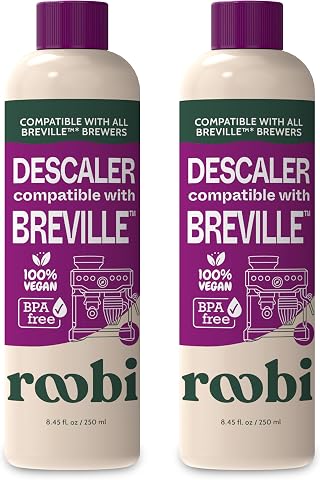
Espresso machines require regular cleaning to prevent clogging and off-flavors. Machines with removable water tanks and accessible drip trays make daily cleaning simple. Some budget-friendly options hide the internal components, making descaling a complex process involving multiple steps and specialized solutions. Check if the machine has indicator lights for descaling or if it requires manual tracking. A machine that is difficult to maintain will inevitably be neglected, leading to premature failure. Prioritize designs that allow you to backflush and clean the group head with minimal effort.
Frequently Asked Questions
Is a 15-bar or 20-bar pressure pump better for espresso?
The number on the box refers to the maximum pressure the pump can generate, not the pressure at which you extract espresso. In reality, espresso is brewed at approximately 9 bars of pressure. Whether a machine has a 15-bar or 20-bar pump, it should be calibrated to deliver 9 bars during extraction. A 20-bar pump does not mean stronger or better espresso; it often just indicates a more powerful motor that might be louder or less refined. Focus on machines that offer pressure profiling or pre-infusion features, as these contribute more to shot quality than the raw pump rating.Can I use pre-ground coffee in these mid-level machines?
While technically possible, using pre-ground coffee in a semi-automatic espresso machine is generally a poor experience. These machines rely on the resistance of the coffee puck to build pressure. Pre-ground coffee is often too coarse or inconsistent in size, leading to channeling, where water finds the path of least resistance and bypasses the coffee. This results in weak, sour shots. If you cannot afford a separate grinder, choosing a machine with a built-in grinder like the Breville Barista Express or AMZCHEF is a better strategy than trying to use pre-ground beans.How often do I need to descale my espresso machine?
Descaling frequency depends entirely on the hardness of your water. In areas with hard water, you might need to descale every 1 to 3 months. In areas with soft water or if you use filtered water, you might go 6 to 12 months. Ignoring descaling leads to scale buildup in the boiler and tubes, which restricts water flow and causes uneven heating. Most mid-level machines will have a warning light, but it is safer to track this manually based on your water usage volume rather than relying solely on the machine’s indicator.Are integrated grinders on mid-range machines worth keeping long-term?
Integrated grinders are convenient for starting out, but they often become a bottleneck as your palate develops. Many built-in grinders, like those in the Breville Barista Express, use conical burrs that are decent but lack the retention control and particle uniformity of high-end flat burr grinders. If you plan to stick with the machine for years, you might eventually want to bypass the built-in grinder entirely and use a separate, higher-quality unit. Ensure the machine allows you to grind into a portafilter or basket independently if you plan to upgrade later.What is the difference between a single boiler and a heat exchanger?
A single boiler machine, like the Gaggia Classic, uses one vessel for both brewing and steaming. You must wait for the temperature to change between modes, which prevents simultaneous brewing and steaming. A heat exchanger (HX) or dual boiler system allows you to brew and steam at the same time because it manages temperatures independently. For mid-level machines, true dual boilers are rare and expensive. Heat exchangers are more common but require cooling flushes to stabilize temperature. Single boilers are simpler and cheaper but require patience and planning if you make multiple milk drinks.Conclusion
The landscape of mid-level espresso machines offers distinct paths depending on your priorities. For most home baristas seeking a balance of quality and convenience, the Breville Barista Express remains the definitive choice due to its integrated workflow and consistent results. If you prioritize longevity and the ability to modify your machine as you learn, the Gaggia Classic Evo Pro is the superior investment, despite its steeper learning curve. Those with limited counter space or a tighter budget should look closely at the Breville Bambino for its compact footprint and rapid heat-up time, or the CASABREWS 5418 for a feature-rich entry point. Ultimately, the best machine is the one you will use daily, so match the features to your routine rather than just the specs.