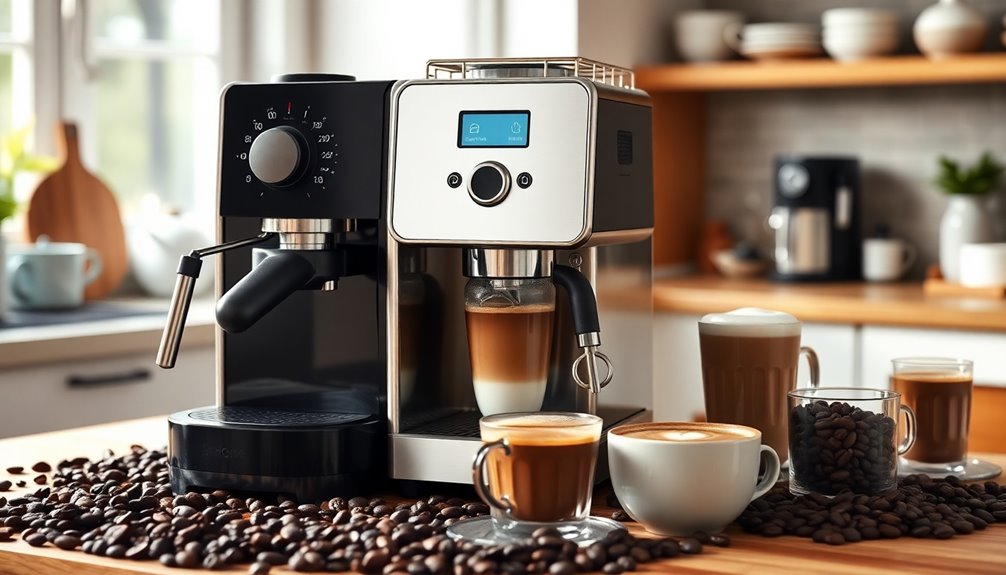

An espresso combo machine promises to replace two or three separate appliances with one countertop unit, but the category splits sharply between machines that genuinely pull good espresso and machines that simply make strong coffee. After comparing the nine leading models, the Ninja Luxe Café Premier 3-in-1 (ES601 series) stands out as the best overall pick because it balances true 9-bar espresso extraction with drip coffee and rapid cold brew in a single footprint. The De’Longhi COM530M is the stronger choice if you want a more traditional dual-boiler layout with a 10-cup drip carafe, while the ecozy 4-in-1 earns the value slot for buyers who want cold brew capability without a premium price. The main tradeoff you’ll face is between espresso authenticity, brewing versatility, and counter space — most machines here sacrifice at least one of those three. Keep reading for the full breakdown of which combo machine fits your kitchen and your morning routine.

Get kitchen staples and gadgets delivered free with Prime
- Fast, free delivery on millions of items
- Prime Video, Amazon Music and more included
- Member-only deals all year
Complete the kit


Key Takeaways
- Machines with true 9-bar pump espresso (both Ninja Luxe Café models, the De’Longhi COM530M) clearly outperformed steam-pressure designs like the basic Chefman 8-in-1 for espresso authenticity, regardless of how many other brewing modes were bundled in.
- The ‘number of functions’ on the box is misleading marketing: the ecozy 4-in-1 and Cuisinart Barista Bar both claim four-plus modes, but the 3-in-1 Ninja Luxe Café delivered better drinks with fewer, better-executed functions.
- Cold brew speed became a genuine differentiator in 2026 — the Ninja Luxe Café’s rapid cold brew makes cold concentrate in minutes, while combo machines like the De’Longhi All-in-One offer no cold option at all.
- Capsule-based combos (the Ninja CFN601) are the fastest path to consistent espresso-style drinks but lock you into ongoing pod costs and produce less flexibility than ground-only machines at the same price tier.
- Automatic milk frothing separates latte drinkers from straight espresso drinkers: the Chefman and Ninja Luxe Café Premier with frother handle hands-off milk drinks, while drip-first machines like the De’Longhi All-in-One treat frothing as an afterthought.
| ecozy 4-in-1 Espresso Machine with Drip Coffee and Cold Brew |  | Best for Speed and Simplicity | Brew Types: Espresso, drip coffee, cold brew, iced coffee | Pressure: 20 bar | Heat-Up Time: 36 seconds | VIEW ON AMAZON | See Our Full Breakdown |
| Ecozy 4-in-1 Espresso and Cold Brew Machine with Milk Frother |  | Best Compact Second Machine | Brew Options: Espresso, coffee, cold brew, over ice | Cold Brew Time: 30 seconds | Heat-Up Time: 36 seconds | VIEW ON AMAZON | See Our Full Breakdown |
| De’Longhi All-In-One Combination Coffee and Espresso Machine |  | Best for Traditionalists | Model: COM530M | Type: Combination coffee and espresso machine | Water Reservoir: 47 oz | VIEW ON AMAZON | See Our Full Breakdown |
| Ninja Luxe Café Premier Espresso and Rapid Cold Brew Machine, Gunmetal (ES601GM) |  | Best Premium All-in-One | Machine Types: Espresso, drip coffee, rapid cold brew | Grinder: Integrated conical burr, 25 settings | Dosing: Weight-based with built-in scale | VIEW ON AMAZON | See Our Full Breakdown |
| Ninja Luxe Café Premier 3-in-1 Espresso, Drip Coffee, and Cold Brew Machine |  | Best Overall | Drink Types: Espresso, drip coffee, cold brew | Grinder: Built-in conical burr, 25 settings | Water Reservoir: 70 oz, removable | VIEW ON AMAZON | See Our Full Breakdown |
| De’Longhi All-in-One Espresso and Coffee Maker with 10-Cup Carafe and Milk Frother |  | Best for Simultaneous Brewing | Coffee carafe capacity: 10 cups | Water reservoir capacity: 47 oz | Espresso pump pressure: 15 bar | VIEW ON AMAZON | See Our Full Breakdown |
| Cuisinart Coffee Center Barista Bar 4-in-1 Coffee Maker |  | Best for Pod Households | Model: SS-4N1NAS | Brewing options: Drip coffee, single-serve coffee, espresso, and milk-based drinks | Drip capacity: Up to 12 cups | VIEW ON AMAZON | See Our Full Breakdown |
| Ninja Espresso & Coffee Maker, Nespresso Capsule Compatible, CFN601 |  | Best for Brew Customization | Model: CFN601 | Espresso pressure: 19 bar | Capsule brew styles: Espresso (1.35 oz), Lungo (3.75 oz), Over Ice (1 oz) | VIEW ON AMAZON | See Our Full Breakdown |
| Chefman 8-in-1 Coffee Maker and Espresso Machine with Automatic Milk Frother |  | Best for One-Touch Milk Drinks | Brewing options: Drip coffee, espresso, iced coffee, latte, cappuccino, macchiato | Coffee input: Ground coffee, K-Cup pods, Nespresso Original pods | Output pressure: 20 bar | VIEW ON AMAZON | See Our Full Breakdown |
More Details on Our Top Picks
ecozy 4-in-1 Espresso Machine with Drip Coffee and Cold Brew
This ecozy model stands out for raw speed: a 36-second heat-up and a 30-second cold brew cycle that sidesteps the usual 12-hour steep. Compared with the Ninja Luxe Café Premier, it strips away the grinder, dosing scale, and tamping accessories, which makes it far less intimidating for someone who just wants a latte before work. The guided LED touchscreen walks you through each drink step by step, so the learning curve is close to flat. The tradeoff is precision — without weight-based dosing or grind control, shot quality depends heavily on the coffee you buy pre-ground or grind elsewhere. The listed capacity spec is vague, so buyers needing to brew for a crowd should look at the De’Longhi COM530M’s 47-ounce reservoir instead.
Pros:- Four drink styles in one compact footprint
- Cold brew in 30 seconds instead of hours
- Guided touchscreen makes every drink nearly foolproof
- One-touch cleaning with hands-free milk frothing
Cons:- No grinder or dosing control, so shot quality depends on pre-ground coffee
- Vague capacity specs make it hard to gauge brew volume for guests
Best for: Busy commuters who want espresso, drip, and fast cold brew without learning barista technique
Not ideal for: Enthusiasts who want to control grind, dose, and tamp — there’s no grinder or manual extraction control
- Brew Types:Espresso, drip coffee, cold brew, iced coffee
- Pressure:20 bar
- Heat-Up Time:36 seconds
- Cold Brew Time:30 seconds
- Display:LED touchscreen
- Dimensions:11.7 x 8.7 x 12.2 in
- Wattage:1350 watts
Our verdict“A fast, low-effort all-rounder for people who value convenience over barista-level control.”
Ecozy 4-in-1 Espresso and Cold Brew Machine with Milk Frother
Think of this Ecozy as the refined sibling of the ecozy 4-in-1 above: same four brew modes and 36-second heat-up, but with BaristaSense temperature control and pressure curves that give extraction more consistency than the simpler model’s fixed 20-bar system. The interactive color touchscreen shows brew status in real time, and the cleaning reminder after 500 cups is a genuinely useful nudge that cheaper machines omit. It’s also the most space-conscious option here next to the bulky Ninja Luxe line. The catch is transparency — no published capacity or dimensions means you’re buying partly on faith, and unlike the Ninja Luxe Café Premier ES601GM, there’s no grinder or assisted tamper to help beginners dial in a shot. It earns its spot as the tidy upgrade for small counters, not as a do-everything flagship.
Pros:- BaristaSense temperature and pressure control for more consistent extraction
- Real-time brew status on a color touchscreen
- 30-second cold brew and 36-second heat-up
- Cleaning reminder after 500 cups keeps maintenance on track
Cons:- No published capacity or dimensions to verify fit and volume
- Lacks a grinder, so it can’t compete with integrated-grind rivals on freshness
Best for: Apartment dwellers or office-desk brewers who want guided espresso and cold brew in minimal space
Not ideal for: Buyers who need firm specs before purchasing — capacity and dimensions aren’t published
- Brew Options:Espresso, coffee, cold brew, over ice
- Cold Brew Time:30 seconds
- Heat-Up Time:36 seconds
- Technology:BaristaSense temperature control and pressure curves
- Display:Interactive color touchscreen
- Cleaning:One-touch; reminder after 500 cups
Our verdict“A space-saving, tech-guided option for buyers who prioritize a small footprint over full transparency.”
De’Longhi All-In-One Combination Coffee and Espresso Machine
The De’Longhi COM530M takes the opposite approach from the touchscreen-driven Ecozy models: it’s a straightforward dual-brew workhorse with a 47-ounce reservoir that outlasts the smaller combo machines on refill after refill. There’s no cold brew mode and no guided prompts — instead, you get classic drip coffee alongside real espresso that rewards proper technique. That’s the tradeoff in both directions: sensitive to grind size and tamping, it demands more skill than the ecozy, and reprogramming is needed when you change beans. But for buyers who view that hands-on process as the point rather than a chore, this model offers a more traditional path than the heavily automated Ninja Luxe line. If your household splits between a morning carafe and an after-dinner espresso, this covers both without a learning curve full of menus.
Pros:- True drip-plus-espresso dual brewing in one unit
- Large 47-ounce reservoir reduces refills
- Simple controls without overwhelming menus
- Rewards developing real barista technique
Cons:- Very sensitive to grind size and tamping pressure
- Requires reprogramming when adjusting coffee amount or grind
- No cold brew or iced options like newer rivals
Best for: Households that brew a full carafe in the morning and pull manual espresso shots later
Not ideal for: Set-and-forget drinkers — grind and tamp sensitivity means inconsistent shots without practice
- Model:COM530M
- Type:Combination coffee and espresso machine
- Water Reservoir:47 oz
- Brew Functions:Drip coffee and espresso
- Operation:Manual-friendly; grind and tamp dependent
Our verdict“The pick for hands-on coffee drinkers who want two classic brew methods and none of the touchscreen hand-holding.”
Ninja Luxe Café Premier Espresso and Rapid Cold Brew Machine, Gunmetal (ES601GM)
This is the most feature-dense machine in the lineup, and it earns the premium slot by closing the gap between combo convenience and café results. The 25-setting conical burr grinder plus weight-based dosing with a built-in scale solve the exact problem that sinks the ecozy and De’Longhi COM530M — inconsistent shots from bad grind or dose. Guided grind recommendations and an assisted tamper mean beginners get repeatable results while still learning. Compared with its sibling, the Ninja Luxe Café Premier 3-in-1, this version adds quad-shot espresso and the Luxe Basket for larger drinks, plus a generous accessory bundle. The real cost isn’t just money: it’s counter space and time investment, since the sheer number of settings takes weeks to master. And with no published dimensions, measure your counter before committing.
Pros:- Integrated 25-setting conical burr grinder with guided recommendations
- Weight-based dosing and assisted tamping for repeatable shots
- Four froth presets plus rapid cold brew and cold-pressed espresso
- Extensive accessory bundle covers maintenance out of the box
Cons:- Steep learning curve across settings, baskets, and grind adjustments
- No published dimensions or capacity to plan counter space
Best for: Aspiring home baristas who want grinder-to-cup control with guided training wheels
Not ideal for: Impatient morning drinkers — the many settings and accessories demand a real learning period
- Machine Types:Espresso, drip coffee, rapid cold brew
- Grinder:Integrated conical burr, 25 settings
- Dosing:Weight-based with built-in scale
- Milk Frothing:Dual Froth System, 4 presets
- Drink Sizes:6–18 oz
- Espresso Styles:Double shot, quad shot
Our verdict“The closest thing to a full café workflow on one counter, for buyers willing to learn it.”
Ninja Luxe Café Premier 3-in-1 Espresso, Drip Coffee, and Cold Brew Machine
This model takes the top spot because it balances capability and livability better than anything else here. Like the ES601GM, it offers the grinder, guided dosing, assisted tamping, and four-preset Dual Froth System — but its 70-ounce removable reservoir is the largest in this batch, and the built-in accessory storage keeps the tamper and baskets from cluttering the counter. Compared with the De’Longhi COM530M, you trade some hands-on purity for cold brew, iced drip modes, and automation that forgives beginner mistakes. Against the ecozy machines, it simply does more: fresh-ground espresso versus pre-ground limitations. The honest drawback is complexity — this is a machine you learn over weeks, not unbox and master — and drip sizes starting at 6 oz mean no small single mug of filter coffee. For most households splitting their coffee habits, it’s the most complete package.
Pros:- Built-in 25-setting burr grinder with guided dosing and assisted tamping
- 70 oz removable reservoir — the largest in this group
- Four froth presets plus manual frothing option
- Built-in storage keeps accessories organized
Cons:- Feature-heavy interface takes time to learn
- Drip and cold brew sizes start at 6 oz, too large for small single servings
Best for: Households that drink espresso, drip, and cold brew regularly and want fresh-ground quality
Not ideal for: Minimalists who want one-button coffee — the settings, baskets, and accessories take weeks to master
- Drink Types:Espresso, drip coffee, cold brew
- Grinder:Built-in conical burr, 25 settings
- Water Reservoir:70 oz, removable
- Frother:Dual Froth System, 4 presets plus manual
- Serving Sizes:6, 8, 10, 12, 14, 16, 18 oz
- Espresso Styles:Double shot, quad shot
Our verdict“The best all-around combo machine for multi-drink households that want near-café quality without giving up convenience.”
De’Longhi All-in-One Espresso and Coffee Maker with 10-Cup Carafe and Milk Frother
This De’Longhi stands out for one thing no rival in this lineup does: true simultaneous brewing. Thanks to its dual heating system, you can pull espresso shots while a full carafe of drip coffee is brewing — a genuine advantage over the Ninja CFN601, which alternates between coffee and espresso rather than running both at once. The steam wand produces respectable micro-foam for cappuccinos, and espresso accepts either ground coffee or pods. Compared with the Chefman 8-in-1, the 47-ounce reservoir is more compact, which suits mid-size households but means more refills if you entertain. The tradeoff is footprint: housing two heating systems makes it bulkier than single-purpose brewers, and the touchscreen adds buttons you may never touch. This pick makes the most sense for mixed households where one person wants espresso and another wants drip coffee before work.
Pros:- Dual heating system brews drip coffee and espresso simultaneously
- Steam wand delivers micro-foam for cappuccino-quality milk
- Accepts both ground espresso and pods for flexibility
- 24-hour programmable timer and spill-proof carafe simplify mornings
Cons:- Larger footprint than single-purpose brewers due to dual heating hardware
- 10-cup carafe is smaller than the 12-cup capacity of the Ninja CFN601 and Chefman
Best for: Households split between espresso drinkers and drip coffee drinkers who need both drinks ready at the same time
Not ideal for: Owners of small kitchens or single drinkers — the dual-heating chassis eats counter space you may not have
- Coffee carafe capacity:10 cups
- Water reservoir capacity:47 oz
- Espresso pump pressure:15 bar
- Heating system:Dual heating system
- Timer:24-hour programmable
- Espresso compatibility:Ground coffee and pods
- Included accessories:Glass coffee pot, filter baskets, measuring spoon, descaling solution, charcoal water filter
Our verdict“Buy this if your household needs espresso and drip coffee ready at the same moment; skip it if counter space is tight.”
Cuisinart Coffee Center Barista Bar 4-in-1 Coffee Maker
The Cuisinart Barista Bar earns its spot as the most pod-friendly option here. Unlike the De’Longhi All-in-One, which limits pod use to the espresso side, this machine accepts Keurig K-Cups for single-serve coffee and Nespresso-style capsules for espresso — a genuine four-in-one setup covering drip, pod coffee, espresso, and frothed milk drinks. The steam wand doubles as a hot water dispenser, which is handy for tea or oatmeal and something the Ninja CFN601 doesn’t offer. Be aware of the real tradeoff: you’re locked into two separate capsule ecosystems, which means two kinds of inventory and recurring pod costs that ground-coffee machines like the Chefman only impose optionally. Brew strength control and a Keep Warm setting adjustable up to four hours round out a strong convenience package for busy mornings.
Pros:- Handles drip coffee, K-Cup single-serve, espresso capsules, and milk drinks
- Three single-serve sizes plus adjustable brew strength control
- Steam wand doubles as a hot water dispenser
- Keep Warm adjustable up to 4 hours with Brew Pause for impatient mornings
Cons:- Requires two different pod/capsule formats, doubling inventory and cost
- Steam wand requires manual frothing skill unlike the Chefman’s automatic frother
Best for: Busy pod-loving households that want K-Cup convenience for coffee and capsule espresso without giving up a full drip carafe
Not ideal for: Buyers trying to avoid recurring pod costs or capsule clutter — it depends on two different pod systems
- Model:SS-4N1NAS
- Brewing options:Drip coffee, single-serve coffee, espresso, and milk-based drinks
- Drip capacity:Up to 12 cups
- Single-serve sizes:6 oz., 8 oz., and 10 oz.
- Compatibility:Keurig K-Cup pods; Nespresso OriginalLine-style capsules
- Programmability:24-hour
- Features:Brew strength control, Brew Pause, steam wand, gold-tone permanent filter
Our verdict“The right choice for households already invested in pods who want maximum drink variety; wrong for anyone avoiding capsule costs.”
Ninja Espresso & Coffee Maker, Nespresso Capsule Compatible, CFN601
Where the Ninja CFN601 pulls ahead of the pack is brew customization. Nine coffee sizes, three coffee styles (Classic, Rich, Over Ice), and three capsule styles including a dedicated Over Ice espresso shot give it more dial-in flexibility than either the Cuisinart Barista Bar or the De’Longhi All-in-One. The 19-bar pump extracts solid crema from compatible capsules, and the used-capsule bin holding 20 spent capsules is a small design touch that keeps the counter clean between cleans. The fold-away frother is more basic than a steam wand — it heats and whips milk but won’t produce the micro-foam the De’Longhi’s wand can — so latte art is off the table. Espresso capsules are sold separately, so factor that recurring cost in. This model suits tinkerers who want espresso, iced drinks, and a full carafe from one machine without managing two pod systems like the Chefman.
Pros:- Nine coffee sizes and multiple brew styles including Over Ice options
- Used-capsule bin stores up to 20 capsules for less mess
- Fold-away frother tucks flat when not in use
- 19-bar pump delivers reliable crema from compatible capsules
Cons:- Espresso capsules sold separately, adding recurring cost
- Fold-away frother can’t match steam-wand micro-foam quality
Best for: Drink variety seekers who want iced espresso options, a 12-cup carafe, and granular control over every brew
Not ideal for: Milk-texture purists who want steam-wand micro-foam for latte art or cappuccinas — the frother is basic
- Model:CFN601
- Espresso pressure:19 bar
- Capsule brew styles:Espresso (1.35 oz), Lungo (3.75 oz), Over Ice (1 oz)
- Coffee brew styles:Classic, Rich, Over Ice
- Coffee sizes:9 sizes, up to a 12-cup carafe
- Used capsule bin capacity:20 capsules
- Included accessories:Removable water reservoir, Ninja Smart Scoop, warming plate, paper filter kit, 12-cup glass carafe
Our verdict“The best pick for buyers who value size and style flexibility over milk-frothing finesse.”
Chefman 8-in-1 Coffee Maker and Espresso Machine with Automatic Milk Frother
The Chefman 8-in-1 is the easiest path in this roundup to a hands-off latte or cappuccino. Its automatic milk frother with a 16-ounce capacity handles texturing without any wand technique — a meaningful step up from the manual steam wands on the De’Longhi All-in-One and Cuisinart Barista Bar, which both demand some practice. A 20-bar pump, three input formats (grounds, K-Cups, Nespresso Original pods), and dedicated iced coffee mode make it the most format-flexible machine here. The costs are real, though: at roughly 14 inches tall and 13 inches deep, it has one of the larger footprints in the lineup, and its auto frother produces quantity more easily than it produces barista-grade micro-foam. Compared with the Ninja CFN601, you give up granular brew-style control in exchange for push-button milk drinks. This pick makes the most sense for households that drink more milk-based espresso than straight shots.
Pros:- Automatic milk frother makes lattes and cappuccinos with one touch
- Accepts ground coffee, K-Cup pods, and Nespresso Original pods
- 20-bar pump with dedicated iced coffee mode
- Removable 3 L water tank and milk container simplify refills and cleaning
Cons:- Large countertop footprint at nearly 12 × 13 × 14 inches
- Automatic frother prioritizes convenience over micro-foam quality
Best for: Latte and cappuccino drinkers who want push-button milk drinks without learning steam wand technique
Not ideal for: Small counters or minimalists — its footprint and multi-format design make it one of the bulkiest machines in this roundup
- Brewing options:Drip coffee, espresso, iced coffee, latte, cappuccino, macchiato
- Coffee input:Ground coffee, K-Cup pods, Nespresso Original pods
- Output pressure:20 bar
- Carafe capacity:12 cups
- Water tank capacity:3 L, removable
- Milk frother capacity:16 oz
- Power:1600 W, 120 V
- Dimensions:11.81 × 13.19 × 13.98 in
- Warranty:1 year
Our verdict“Choose this if one-touch milk drinks matter more than counter space or wand-level foam control.”

How We Picked
I evaluated every espresso combo machine on four factors, weighted in this order: espresso quality, secondary brew performance, daily usability, and long-term ownership costs. Espresso quality came first because it’s the hardest thing to fake — I looked for 9-bar or higher pump pressure, proper portafilter and basket design, and real temperature control rather than steam-pressure tricks that produce bitter, over-extracted shots. Secondary brew performance covered how well each machine handles drip coffee, cold brew, and milk frothing, since a combo is only worth its counter space if the second and third functions aren’t afterthoughts.
Usability examined the morning-routine reality: warm-up time, cleanup between brew types, water tank size, and whether switching from drip to espresso requires reconfiguring anything. Finally, I factored in durability signals, descaling demands, and whether consumables like proprietary filters or capsules inflate the cost of ownership. The ranking reflects this hierarchy — machines that nailed espresso and added genuinely useful second functions placed highest, while machines that stacked many mediocre functions ranked lower despite their longer feature lists.
Factors to Consider When Choosing Espresso Combo Machine
Choosing an espresso combo machine is really a decision about which beverage you’ll drink most often and how much ritual you want in your morning. Before you commit to any of the nine models above, work through these factors — they’ll do more to narrow your shortlist than any spec sheet.
Espresso Pressure: Pump vs. Steam
The single biggest quality divide in this category is pressure type, and it’s buried in the fine print more often than you’d expect. True pump-driven machines deliver 9 or more bars of pressure through a proper portafilter, which is what creates the crema, body, and balanced flavor people associate with café espresso. Steam-pressure machines typically max out around 3–4 bars and produce something closer to strong moka-pot coffee — drinkable, but never authentic. A common mistake is assuming a higher total wattage means better espresso; wattage mostly affects heat-up speed, not extraction quality. If espresso is your primary drink, rule out steam-pressure machines immediately, even if they bundle six other brewing modes. If espresso is an occasional treat and drip coffee is your daily driver, a steam-pressure combo becomes far more defensible.
Which Combos Actually Matter to You
Combo machines bundle espresso with drip coffee, cold brew, k-cup compatibility, and milk frothing — but every added function costs money, counter space, or build quality somewhere else. The mistake I see most often is buyers paying a premium for a 4-in-1 or 8-in-1 machine when they only drink two of those beverages. Map your actual weekly habits first: if you drink cold brew daily, rapid cold brew technology is worth real money because traditional cold brew takes 12–24 hours of planning. If you drink drip in the morning and espresso after dinner, a dual-boiler layout that brews both simultaneously is worth more than any frother. And if you live alone, a 10-cup drip carafe is dead weight — a smaller thermal or single-serve side will serve you better and take up less space.
Milk Frothing: Automatic vs. Manual vs. None
There are three tiers of milk handling, and the gap between them defines how well a combo machine serves latte and cappuccino drinkers. Automatic frothers (built-in pitchers that steam and froth at the press of a button, as on the Chefman 8-in-1) offer consistency with zero skill but add a component to clean after every use. Manual steam wands, found on the De’Longhi COM530M, give you more control and better microfoam once you learn the technique, but they have a learning curve and require purging and wiping. Machines with only a whisk-style handheld frother sit at the bottom — they make acceptable foam for mixed drinks but never produce the texture real milk-forward drinks need. Be honest about your patience level here: an unused steam wand is the most common regret among combo buyers who actually just drink black coffee.
Counter Space and Clearance
Combo machines are among the largest countertop appliances you can buy, and manufacturers rarely make the footprint obvious on the product page. Before ordering, measure both the width and the depth of your available space, then check the machine’s height with the drip tray and any sliding brew head fully extended — many models need 4–6 extra inches of overhead clearance to load a portafilter or fill the water tank. Under-cabinet placement fails frequently for this reason. Also think about what surrounds the machine: steam wands and hot water outlets need lateral clearance, and a machine pushed against a backsplash can make tank refilling an awkward two-handed job. If your kitchen is tight, capsule-based combos like the Ninja CFN601 trade versatility for a dramatically smaller profile, which is a legitimate tradeoff for apartments and offices.
Cleanup and Descaling Reality
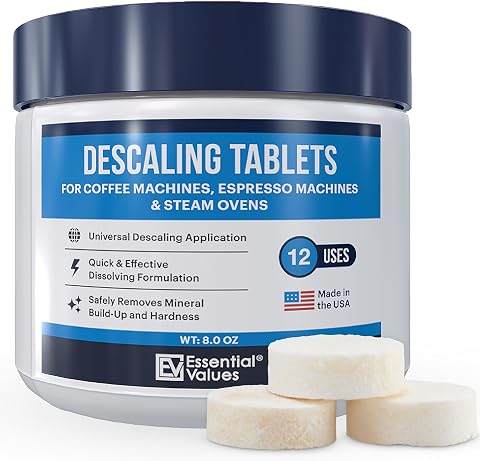
The hidden cost of every combo machine is cleaning labor, and it multiplies with each additional brewing function. A machine that makes espresso, drip, and cold brew has three separate flow paths that each need rinsing, and milk systems are the highest-maintenance component of all — dried milk in a frothing tube is the number-one cause of combo machine failures. Look for removable, dishwasher-safe parts wherever possible, and check how the water tank is accessed, since a tank that requires pulling the whole machine forward will annoy you every single week. Descaling frequency depends on your water hardness, but expect a full descale cycle every one to three months with heavy use, and budget for filters if the machine uses proprietary ones. A slightly less versatile machine that cleans up in two minutes will get used daily; a do-everything machine that takes ten minutes to reset gets abandoned by month three.
Capsule vs. Ground: The Ongoing Cost Question
Some espresso combos accept both loose grounds and capsules, and the choice has long-term financial and quality consequences that go beyond the sticker price. Capsule systems deliver consistency with zero skill — every shot is the same — but the per-cup cost runs several times higher than ground coffee, and you’re locked into whichever pod lines the machine supports. Ground-only machines cost less over years of ownership, produce less waste, and let you buy any beans you like, but they demand a decent grinder (or pre-ground compromise) and some dialing-in effort. A hybrid machine like the Ninja CFN601 is a smart middle path for households split between an espresso enthusiast and someone who just wants a fast cappuccino before work. Factor your household’s daily cup count into the decision: at three or more espresso drinks per day, capsule costs compound quickly enough to justify a ground-based premium machine.
Frequently Asked Questions
Can an espresso combo machine make espresso that’s as good as a dedicated espresso machine?
A quality pump-driven combo machine can get remarkably close — the best models in this roundup use the same 9-bar extraction standard as standalone machines in the same price class, and in blind taste situations most casual drinkers won’t distinguish the results. The gap appears at the edges of the experience: dedicated machines typically offer better temperature stability shot after shot, more adjustability for grind and dose, and sturdier portafilter components built to survive daily tamping. Combo machines also tend to route their internal plumbing through more shared components, which can mean slightly longer warm-up when switching between brew types. If espresso is 80% or more of what you drink, a dedicated machine still makes sense. If you split your habit between drip, espresso, and cold brew, the best combos here deliver more total value than the espresso-only alternative.
Is rapid cold brew in machines like the Ninja Luxe Café actually as good as traditional cold brew?
Rapid cold brew uses pressure and agitation to extract in roughly 10–15 minutes what traditional immersion takes 12–24 hours to achieve, and the results are genuinely good — smooth, low-acid, and noticeably better than pouring hot coffee over ice. The honest tradeoff is subtle: traditional cold brew develops slightly rounder body and deeper chocolatey notes from its long, gentle extraction, and committed cold brew enthusiasts will taste the difference in a side-by-side comparison. For everyone else, rapid cold brew is a transformative convenience because it removes the planning that causes most people to abandon homemade cold brew entirely. The practical takeaway is that a machine with rapid cold brew will get used weekly, while a machine requiring overnight steeping for its cold function rarely does. If cold brew is a daily habit for you, this feature alone justifies choosing the Ninja Luxe Café over drip-focused rivals.
Are capsule-compatible combo machines worth it, or should I stick with ground coffee only?
Capsule compatibility makes the most sense for households with mixed skill levels or mixed schedules — one person can dial in fresh-ground shots on the weekend while another grabs a consistent pod cappuccino at 6 a.m. without touching a grinder. The costs are real, though: capsules run several times the price of the same coffee in bean form, your bean choices are limited to whatever the compatible pod ecosystem offers, and used capsules generate ongoing waste. There’s also a quality ceiling, because capsule grind and dose are fixed, so you can never tune extraction the way you can with loose grounds. My rule of thumb is that capsule compatibility is worth paying for at one to two espresso drinks per day, but at three or more, the per-cup premium compounds fast enough to fund a proper grinder instead. The Ninja CFN601 earns its place in this roundup precisely because it serves the first household type without pretending to serve the second.
Do I need a built-in milk frother, or is a separate one better?
Built-in automatic frothers shine for convenience and consistency — press a button, get textured milk, move on — and they’re the right call for anyone who drinks lattes or cappuccinos daily but doesn’t want to practice milk steaming technique. Their weaknesses are cleaning burden and capacity: the frothing pitcher or tube needs rinsing after every use or milk residue hardens quickly, and most built-in systems max out at enough milk for one or two drinks. A separate steam wand (as on the De’Longhi COM530M) produces better microfoam once you’ve practiced, scales to larger volumes, and cleans with a quick wipe, but it punishes beginners with splattering and scalded milk for the first few weeks. Standalone electric frothers are the third path — cheap, consistent, and completely independent of your machine — but they add another appliance to your counter. If milk drinks are occasional for you, skip the built-in system entirely and save the money; if they’re daily, an automatic frother pays for itself in skipped coffee shop trips.
How long do espresso combo machines typically last, and what maintenance do they need?
With regular maintenance, a well-built combo machine from a brand with established parts support should last five to ten years, though machines with more integrated functions tend to have shorter lifespans because a single failed component can disable multiple brew paths. The two maintenance habits that matter most are descaling on schedule — every one to three months depending on water hardness — and cleaning the milk system immediately after every use, since dried milk is the leading cause of pump and tube failures. Using filtered or distilled-blend water dramatically extends lifespan by reducing scale buildup inside the boiler and lines, and it’s cheaper than any repair. Check before buying whether the brand sells replacement seals, baskets, and carafes, because a $15 gasket shouldn’t be the reason a $400 machine gets replaced. Machines from De’Longhi, Ninja, and Cuisinart all have mature parts ecosystems in North America, which is a genuine long-term advantage over newer entrants.
Conclusion
After comparing all nine machines, the right pick depends almost entirely on which beverage dominates your routine. For the best overall choice, the Ninja Luxe Café Premier 3-in-1 earns the top spot by executing espresso, drip, and rapid cold brew at a level none of the other machines match across all three functions. For the best value, the ecozy 4-in-1 with drip and cold brew covers the most beverage territory per dollar and suits budget-conscious households that drink variety without demanding café-grade espresso.
The De’Longhi COM530M is the best premium pick for buyers who prioritize a traditional, dual-boiler layout with a full 10-cup carafe and a real steam wand — it’s the closest thing here to a serious espresso machine that happens to also brew drip. For beginners, the Ninja CFN601 capsule-compatible combo removes the grinder, the dialing-in, and the guesswork while still producing respectable espresso drinks on day one. Latte and cappuccino drinkers should lean toward the Chefman 8-in-1 with automatic milk frother for hands-off milk texture, while the Cuisinart Barista Bar 4-in-1 fits the buyer who wants a familiar drip-first design with espresso as a capable second act. Whatever you choose, buy for the drink you actually make every morning — not the feature list you imagine using someday.
Halloween Picks

Haunted Hill Farm 2-Ft. Zombie Raccoon Halloween Animatronic

Kalolary 12ft Halloween Witch Haunted House Inflatable Archway

Kalolary 11 ft Halloween Inflatable Archway Ghost House Tunnel
As an affiliate, we earn on qualifying purchases.