

Understanding State Department advisory levels helps you assess the safety of your travel destination and make smarter choices. Levels range from 1 (exercise normal precautions) to 4 (do not travel), guiding you on how cautious to be. Higher levels warn of serious risks like unrest or violence, while lower levels indicate safer areas. Staying aware of these advisories allows you to plan effectively and stay safe. If you keep exploring, you’ll learn how to interpret each level in detail.
Key Takeaways
- Advisory levels range from Level 1 (exercise normal precautions) to Level 4 (do not travel).
- They indicate the safety and security risks associated with a destination.
- Higher levels (3 or 4) often recommend reconsidering or postponing travel plans.
- They are based on recent security developments and current threat assessments.
- Consulting these levels helps travelers make informed decisions and enhance safety.

When planning travel abroad, understanding the State Department’s advisory levels is essential for your safety and decision-making. These levels serve as a critical tool to help you gauge the safety of your destination and prepare accordingly. They provide a clear framework for evaluating potential risks, allowing you to prioritize your travel safety by avoiding areas with higher threat levels or adjusting your plans to stay in safer regions. Recognizing the significance of these advisories means you can better conduct a risk assessment before you leave, reducing the chances of unexpected danger and ensuring a smoother trip.
The State Department’s advisory levels range from Level 1 to Level 4, each indicating different safety conditions. Level 1 advises travelers to exercise normal precautions, meaning that the risk is generally low, and you can proceed with your plans but should stay alert. Level 2 suggests increased caution, often due to crime or health concerns, prompting you to be more vigilant. Level 3 indicates reconsider travel, as there may be serious risks such as civil unrest, armed conflict, or natural disasters. Level 4 warns against all travel, usually because of severe safety threats like active conflict zones or extreme violence. By understanding these distinctions, you can evaluate whether your destination aligns with your comfort level and your risk tolerance.
It’s important to consult the most current advisory levels before finalizing your travel plans. These updates reflect recent developments, security situations, and government assessments, so ignoring them could jeopardize your safety. When you see a Level 3 or 4 warning, you should carefully weigh the potential dangers and consider postponing or altering your trip. In contrast, Level 1 or 2 advisories often permit more flexibility but still require you to stay informed and exercise common sense. Staying aware of the advisory level helps you make informed choices, like choosing safer neighborhoods, avoiding certain activities, or preparing emergency plans. Additionally, understanding the privacy and data usage policies related to travel advisories can help you better protect your personal information online.
Always check current advisories before traveling; higher levels mean greater risks and may require changing your plans.
Understanding how the State Department classifies safety risks allows you to take proactive steps to safeguard yourself during your travels. It’s not just about avoiding danger; it’s about being prepared and making smart decisions based on reliable information. Whether you’re traveling for leisure, business, or family reasons, knowing the advisory level of your destination empowers you to conduct a thorough risk assessment. This awareness ensures you can maximize your travel safety, minimize threats, and handle unexpected situations confidently. Ultimately, prioritizing this knowledge makes your trip more enjoyable and less stressful, giving you peace of mind as you explore new places.
travel safety advisory app
As an affiliate, we earn on qualifying purchases.
As an affiliate, we earn on qualifying purchases.
Frequently Asked Questions
How Often Are Advisory Levels Updated?
You should expect advisory levels to be updated as often as needed based on travel risk assessments and embassy communication. Typically, updates happen regularly, especially when new safety information emerges or threats increase. Staying informed through embassy alerts and official sources ensures you receive timely updates. It’s essential to monitor these advisories frequently, so you’re aware of any changes that could impact your safety or travel plans.
Do Advisory Levels Affect Travel Insurance Policies?
Yes, advisory levels can influence your travel insurance policies. When the State Department issues a higher advisory level, insurers may impose restrictions or require policy adjustments, potentially increasing your coverage costs or limiting coverage options. It’s crucial to verify with your insurer before traveling, especially if advisory levels change, to guarantee your travel insurance remains valid and complete for your trip.
Can Advisory Levels Change Without Public Notice?
Advisory levels can change without public notice, catching travelers off guard like a sudden storm. While the State Department aims for advisory level consistency, they don’t always notify the public right away. Their public notification processes depend on the situation’s urgency and severity. So, it’s wise to stay informed through official sources regularly, as these levels can shift unexpectedly, affecting your plans and safety without warning.
Are Advisory Levels the Same for All Travelers?
No, advisory levels aren’t the same for all travelers. Your travel safety depends on your specific circumstances, including your destination, travel plans, and risk assessment. The State Department tailors advisories based on factors like local conditions and potential threats. Always check the latest advisory level for your destination before traveling, and consider how it applies to your personal safety. Stay informed to make better decisions and guarantee a safe trip.
How Should Travelers Respond to a High-Level Advisory?
When facing a high-level advisory, you should prioritize risk mitigation and preparedness strategies. Avoid unnecessary travel to the area, stay informed about local conditions, and follow official guidance. Make sure your plans include safety measures like secure accommodations and emergency contacts. By staying alert and prepared, you can reduce risks and respond effectively to changing situations, ensuring your safety even in challenging environments.

BAND-AID Brand Travel Ready Portable Emergency First Aid Kit for Minor Wound Care, Perfect for Home, Car, Travel, Camping Essentials & Outdoor Emergency Kit, 80 Pieces
80-piece BAND-AID Brand Travel Ready First Aid Kit for on-the-go first aid and minor wound care, ideal for…
As an affiliate, we earn on qualifying purchases.
As an affiliate, we earn on qualifying purchases.
Conclusion
So, next time the State Department warns you about travel advisories, remember—what’s “Level 4: Do Not Travel” might just be their way of saying, “Stay home and binge-watch your favorite shows.” Ironically, these warnings are your ticket to avoiding adventures you’d never want to forget (or survive). In the end, their advice keeps you safe, even if it feels like missing out on all the fun. Stay cautious, stay curious, and maybe stay home.
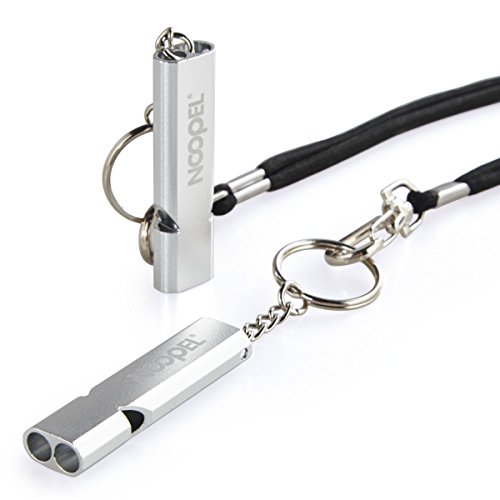
Noopel 2 Pack Survival Whistle with Lanyard and Keychain Double Tubes Emergency Safety Whistle with Keyring for Boating Outdoor Camping Hiking Hunting Sports Dog Training (2 Pack Silver)
Super loud survival whistle: double tubes emergency whistle can provide up to about 120 decibels, enough to be…
As an affiliate, we earn on qualifying purchases.
As an affiliate, we earn on qualifying purchases.

Passport Holder Family RFID Travel Document Organizer for Women Waterproof Passport Wallet Men Portable Case for Cards, Boarding Pass, ID, Money, Tickets with Zipper
Efficient Organization: Our travel document holders are not only travel organizers but also family travel document organizers and…
As an affiliate, we earn on qualifying purchases.
As an affiliate, we earn on qualifying purchases.