A septic system treats your home’s wastewater using a tank and drain field. Waste flows into the tank, where solids settle and oils float, while clear water moves to the drain field for natural filtration. Proper maintenance—like regular inspections, pumping, and mindful use—keeps it working efficiently. Watch for signs of trouble and avoid damaging the system. Knowing these basics helps you protect your investment and keeps your wastewater system running smoothly; there’s more to learn about keeping it in top shape.
Key Takeaways
- A septic system includes a septic tank and drain field that treat wastewater naturally.
- Wastewater separates into solids (sludge), oils/grease (scum), and clarified effluent.
- Regular inspections and pumping (every 3-5 years) are essential for proper maintenance.
- Avoid disposing of chemicals, grease, or excessive water to prevent system damage.
- Watch for signs like slow drains or odors and protect the drain field from heavy vehicles.
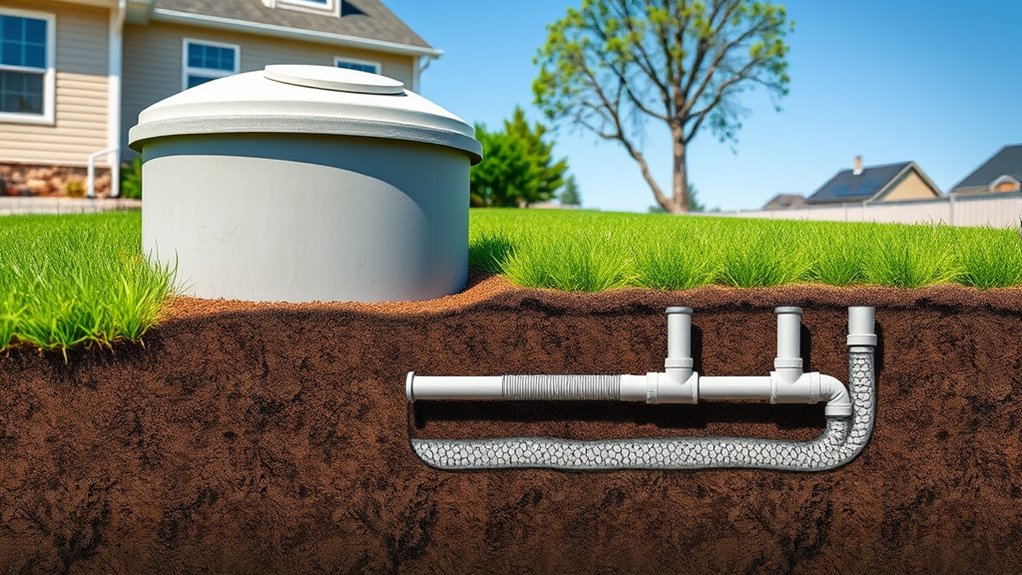
Are you familiar with how a septic system works? If not, it’s important to understand the basics because your system plays an essential role in managing wastewater treatment on your property. Basically, a septic system is a self-contained unit that handles your household wastewater, removing solids and contaminants before safely dispersing the treated water into the ground. When functioning properly, it’s an efficient and environmentally friendly way to manage waste, but it depends heavily on regular maintenance and proper use.
A typical septic system consists of a septic tank and a drain field. Wastewater from your home flows into the septic tank, where solids settle to the bottom as sludge, and oils and grease float to the top as scum. The tank’s primary function is to hold the wastewater long enough for the solids to separate from the liquid. The clarified effluent then flows out into the drain field, where it’s further treated by natural soil processes. This entire process is a form of wastewater treatment that relies on both the tank and soil to remove harmful bacteria, viruses, and nutrients. Regular inspections and pumping are essential to ensure these natural processes continue effectively.
To keep your septic system working efficiently, septic tank maintenance is essential. Regular inspections and pumping help prevent solids from accumulating to the point where they could clog pipes or cause backups. You should schedule a professional septic tank inspection at least every three years, and pumping every three to five years, depending on your household size and usage. Proper maintenance also involves being mindful of what you flush or pour down the drain. Avoid disposing of non-biodegradable items, chemicals, grease, or excessive water that can overload the system.
Understanding how your septic system operates helps you better care for it. When you practice routine septic tank maintenance, you extend its lifespan and reduce costly repairs. Keep an eye out for signs of problems, such as slow drains, gurgling sounds, or unpleasant odors, which could indicate that your system needs attention. Additionally, preserving the drain field by avoiding heavy vehicles or construction on it prevents soil compaction and damage, ensuring continued effective wastewater treatment. Being aware of proper use and maintenance can significantly prolong the life of your septic system and protect your investment.

Aero-Stream AS-R10 Septic Tank Riser kit – 23.5" Diameter X 10" Tall
Septic tank riser kits bring the access cover to ground level, making inspections and maintenance fast and easy
As an affiliate, we earn on qualifying purchases.
As an affiliate, we earn on qualifying purchases.
Frequently Asked Questions
How Often Should I Have My Septic Tank Inspected?
You should have your septic tank inspected at least once every three years to maintain proper tank maintenance and guarantee everything’s functioning correctly. If you use your system more heavily or have a larger household, consider more frequent inspections. Regular inspections help catch issues early, prevent costly repairs, and extend your system’s lifespan. Keep a maintenance schedule and don’t skip inspections—your septic system depends on it for reliable performance.
Can I Use Septic-Safe Cleaning Products Regularly?
Yes, you can use septic-safe cleaning products regularly. Opt for biodegradable detergents and chemical-free cleaners to protect your septic system. These products break down easily, preventing buildup and clogs. Avoid harsh chemicals like bleach or ammonia, which can kill beneficial bacteria essential for waste breakdown. Using eco-friendly, septic-safe cleaners helps maintain a healthy system, reduces the risk of backups, and extends the lifespan of your septic tank.
What Are Signs of Septic System Failure?
You’ll notice signs of septic system failure when your drains slow down or back up. System backups often cause unpleasant odors around your property. If you see standing water or lush, green patches over your drain field, it’s a red flag. Regular tank maintenance helps prevent failures. Keep an eye on these signs, and schedule professional inspections promptly to avoid costly repairs and make certain your system functions properly.
How Does Weather Affect My Septic System’s Performance?
Weather can critically impact your septic system’s performance. Storm runoff can overwhelm your drain field, causing backups or failures, especially if your system isn’t well-drained. Temperature fluctuations also matter—freezing temperatures can freeze the tank or pipes, blocking flow and damaging components. To keep your septic system working smoothly, make certain of proper drainage and insulation, and monitor your system during heavy storms or cold spells.
Are There Restrictions on What I Can Flush?
Yes, there are restrictions on what you can flush to protect your waste disposal system. You should avoid flushing non-biodegradable items like wipes, feminine hygiene products, and paper towels, as they can clog pipes and harm bacteria essential for breaking down waste. Follow proper flushing guidelines to keep your septic system functioning smoothly. Stick to toilet paper and human waste, and dispose of other items through trash to prevent costly repairs.

Septic Tank Treatment – 1 Year Supply of Septic Safe Dissolvable Easy Flush Live Bacteria Packets (12 Count) – Best Way to Prevent Expensive Sewage Backups – Made in USA
🌿 YOU’RE JUST ONE FLUSH AWAY FROM A HEALTHY SEPTIC SYSTEM! Our monthly easy flush dissolving packets are…
As an affiliate, we earn on qualifying purchases.
As an affiliate, we earn on qualifying purchases.
Conclusion
Understanding your septic system is like tending a delicate garden—you need to give it attention and care. Regular inspections and mindful usage keep everything flowing smoothly, preventing backups and costly repairs. Think of your septic system as the heart of your home’s health; when you nurture it properly, it beats steadily and reliably. Stay vigilant, stay informed, and your system will serve you well, keeping your home safe and comfortable for years to come.
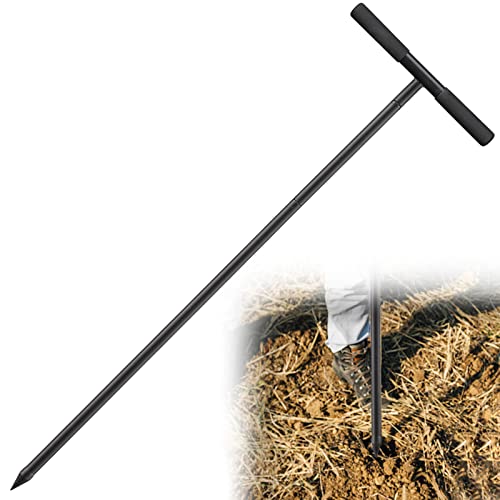
cogardenshower Metal Soil Probe Rod – Septic Tank Locator Tool with T Handle,32-48 Inch Adjustable Ground Probe Rod Steel for Tile Probing,Soil Compaction, Pipe and Gopher Runs Locating
Sharp Tip allow the soil probe penetrate hard soil deeper like butter and even frozen ground with just…
As an affiliate, we earn on qualifying purchases.
As an affiliate, we earn on qualifying purchases.

Bioda Professional Strength Enzyme Drain Cleaner, Septic Safe Drain Odor Eliminator, Smell Eliminator
END SLOW DRAINS: Stop clogs from ever building with a preventative probiotic and enzyme formula that digest organic…
As an affiliate, we earn on qualifying purchases.
As an affiliate, we earn on qualifying purchases.