If you own an older home built before 1978, it’s vital to be aware of lead paint hazards, especially if the paint is peeling or chipping. Lead exposure can cause serious health problems, particularly for children and pregnant women. Always test for lead before doing renovations and take safety precautions, like using proper protective gear and containment methods. Continuing to explore this topic will help you learn how to protect your family and maintain a safe environment.
Key Takeaways
- Homes built before 1978 are likely to contain lead-based paint, requiring testing before any renovation.
- Always confirm lead presence with professional testing or certified kits prior to disturbing old paint.
- Use proper safety equipment and containment methods when removing or repairing lead paint.
- Regularly inspect and maintain painted surfaces, sealing or repairing chips to prevent lead dust exposure.
- Educate yourself on lead hazards and prioritize professional assistance to ensure safe handling and removal.

Lead paint poses serious health risks, especially to children and pregnant women. If you own or live in an older home built before 1978, it’s vital to understand the dangers of lead poisoning and take appropriate safety precautions. Lead-based paint can deteriorate over time, creating dust and chips that are easily ingested or inhaled, leading to harmful health effects. Children are particularly vulnerable because their developing bodies absorb lead more readily, and their curiosity often prompts them to put things in their mouths. Pregnant women are also at risk, as lead exposure can affect fetal development, potentially causing developmental delays, learning disabilities, and other health issues. Recognizing these risks is the first step in protecting yourself and your family.
Lead paint endangers children and pregnant women; proper precautions are essential in older homes to prevent health risks.
When dealing with older homes, safety precautions are essential to prevent lead poisoning. The first rule is to assume that any peeling or chipping paint contains lead unless tested otherwise. Never sand, scrape, or disturb old paint without proper safety measures, as this can release hazardous lead dust into the environment. Instead, opt for professional lead hazard assessments or testing kits to confirm the presence of lead. If lead paint is confirmed, you should follow strict safety protocols: use HEPA-filter vacuums, wear protective gear like masks and gloves, and contain the work area to prevent dust from spreading. Avoid open-flame burning or heat guns that can vaporize lead, and never attempt DIY removal of lead paint without proper training and equipment. Proper removal often involves specialized techniques such as wet scraping or chemical stripping by certified professionals trained in lead-safe work practices.
Maintaining a safe environment also means managing the condition of the paint in your home. Regularly inspect painted surfaces for cracks, chips, or deterioration. If you find compromised paint, it’s best to have it professionally repaired or sealed to prevent dust and chips from becoming airborne. Keep children away from any areas that might contain lead dust or paint chips, and clean surfaces frequently using wet cloths or mops to minimize dust buildup. Additionally, consider replacing old windows, doors, or other components if renovation is necessary, as these often contain lead paint. Implementing these safety precautions helps reduce exposure and lowers your risk of lead poisoning.
Educating yourself about the hazards of lead paint and staying vigilant can greatly improve your home’s safety. Always prioritize professional assistance for testing, removal, or renovation projects involving older paint. By taking these steps, you protect your loved ones from the serious health consequences of lead poisoning and ensure your home remains a safe environment. Remember, awareness and proactive safety measures are your best defenses against the hidden dangers of lead paint in older homes. Regularly maintaining your home’s paint condition and following safety guidelines can further minimize the risk of lead exposure.

CyberPower CP1500AVRLCD3 Intelligent LCD UPS System, 1500VA/900W, 12 Outlets, 2 USB Ports, AVR, Mini Tower, Black
1500VA/900W Intelligent LCD Battery Backup Uninterruptible Power Supply (UPS) System uses simulated sine wave output to safeguard workstations,...
As an affiliate, we earn on qualifying purchases.
Frequently Asked Questions
How Can I Test for Lead Paint Without Professional Help?
You can perform DIY testing for lead paint using lead test kits available at hardware stores. These kits are simple to use; just follow the instructions carefully. Typically, you’ll apply a solution or swab to the paint surface and wait for a color change that indicates the presence of lead. Remember, while DIY tests are helpful, they might not be as accurate as professional lab testing, so consider a professional if results are positive.
Are There Any Grants Available for Lead Paint Removal?
Sure, the government’s got your back—if by “back” you mean funding programs for lead paint removal. Yes, there are grants available, designed to help you eliminate that toxic nightmare from your home. These grants are part of government initiatives aimed at making older homes safer, so you can apply for them to get the funds you need. Don’t wait—your home’s health depends on it!
What Are the Health Risks of Lead Paint for Children?
You should know that lead paint poses serious health risks for children. Exposure can lead to lead poisoning, which may cause developmental delays, learning difficulties, and behavioral problems. Children are especially vulnerable because they often put things in their mouths. If your home has old paint, it’s essential to have it tested and removed safely to protect your child’s health and prevent long-term developmental issues.
How Long Does Lead Paint Removal Typically Take?
The lead paint removal timeline varies depending on your home’s size and paint condition, but typically, the removal process takes about one to two weeks. During this time, professionals carefully contain and strip the paint, followed by thorough cleaning. You should expect some disruption, especially if extensive removal is needed. Planning ahead and hiring experienced contractors can help guarantee the process goes smoothly and safely, minimizing your home’s downtime.
Can I Live in My Home During Lead Paint Abatement?
Yes, you can live in your home during lead paint abatement, but it’s not always advised for home safety. The process involves dust and debris, so proper containment and ventilation are essential. It’s best to plan your renovation carefully, considering your health and safety. Consult professionals to ensure the abatement is done safely, minimizing risks while allowing you to stay comfortably during the work.
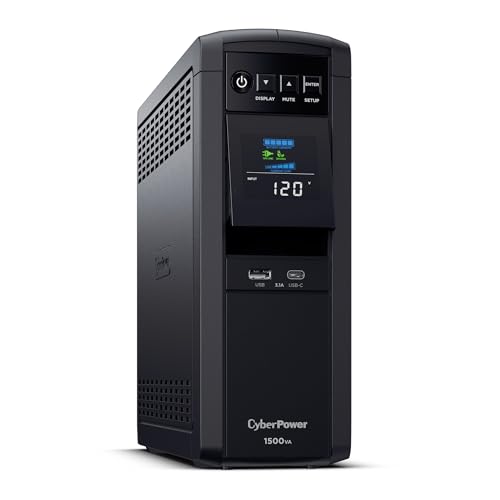
CyberPower CP1500PFCLCD PFC Sinewave UPS Battery Backup and Surge Protector, 1500VA/1000W, 12 Outlets, AVR, Mini Tower; UL Certified
1500VA/1000W PFC Sine Wave Battery Backup Uninterruptible Power Supply (UPS) System designed to support active PFC and conventional...
As an affiliate, we earn on qualifying purchases.
Conclusion
Knowing about lead paint is like having a flashlight in a dark room—you see hidden dangers that could otherwise harm you and your loved ones. By staying informed and taking proper precautions, you’re shining a light on risks lurking in older homes. Don’t let lead paint quietly seep into your life like shadows in the corners. Instead, be proactive, protect your family, and turn your home into a safe haven where health and happiness can thrive.

APC UPS Back-UPS Pro 1500VA UPS, 900W Battery Backup & Surge Protector, AVR, 10 Outlets (NEMA 5-15R), LCD, BX1500M Uninterruptible Power Supply for Computers, Wi-Fi Routers, Home Office Electronics
1500VA / 900W RELIABLE BACKUP POWER: The highest VA capacity available for home use; delivers short‑term battery power...
As an affiliate, we earn on qualifying purchases.
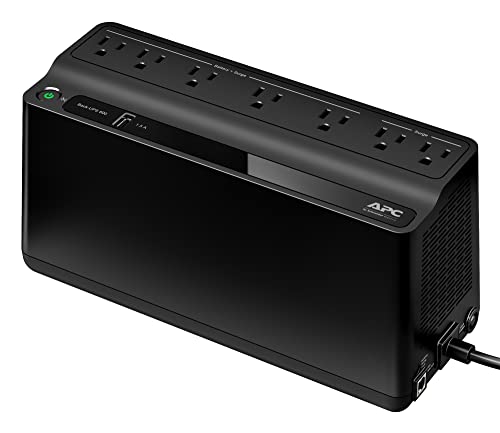
APC UPS 600VA / 330W UPS Battery Backup & Surge Protector, 7 Outlets (NEMA 5-15R), USB Charging Port, BE600M1 Uninterruptible Power Supply for Computers, Wi-Fi Routers, and Home Office Electronics
600VA / 330W RELIABLE BACKUP POWER: Supplies short‑term battery power during outages to maintain internet connectivity and allow...
As an affiliate, we earn on qualifying purchases.