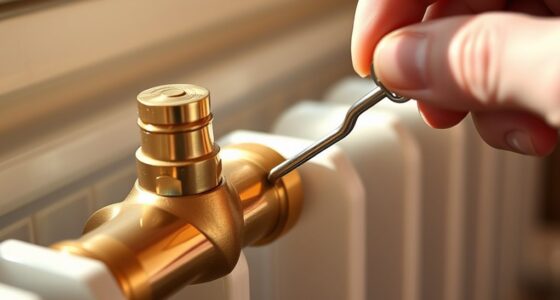

A home energy audit helps identify areas where your house wastes energy, like gaps, leaks, or poor insulation. An inspector may perform tests such as blower door or infrared camera scans to find hidden issues. You’ll receive tailored recommendations to improve insulation, seal leaks, and upgrade appliances. These updates can reduce your energy bills and boost comfort. If you want to learn exactly what to expect and how it benefits you, keep exploring the details.
Key Takeaways
- A home energy audit assesses insulation, air leaks, and system efficiency to identify areas for improvement.
- Diagnostic tools like blower door tests and infrared cameras reveal hidden heat loss and leaks.
- The process includes inspecting HVAC, water heaters, appliances, and lighting for energy efficiency.
- Auditors provide tailored recommendations such as sealing leaks, upgrading insulation, and replacing outdated appliances.
- Expect a comprehensive report outlining cost-effective measures to enhance home comfort and reduce energy bills.
Have you ever wondered how energy-efficient your home really is? A home energy audit can provide the answers you’re looking for. When the auditor arrives, they’ll start by examining your home’s overall condition, focusing on areas where energy might be slipping away. One of the key aspects they’ll evaluate is your insulation improvements. If your home’s insulation isn’t up to par, you’re likely losing heat in the winter and cool air in the summer, making your HVAC system work harder than it should. The auditor might check your attic, walls, basement, and crawl spaces to identify gaps or areas with insufficient insulation. Improving these areas can considerably reduce your energy bills and increase comfort.
Next, they’ll assess your appliances and systems for efficiency. Appliance efficiency plays a vital role in the overall energy performance of your home. The auditor will examine your HVAC system, water heater, refrigerator, and other major appliances to determine if they’re operating at their best. Older appliances tend to consume more energy, so upgrading to ENERGY STAR-rated models can make a noticeable difference. Additionally, they might look at your lighting and electronics, checking for opportunities to switch to more energy-efficient options like LED bulbs or smart power strips.
Assessing and upgrading appliances and lighting can significantly boost your home’s energy efficiency.
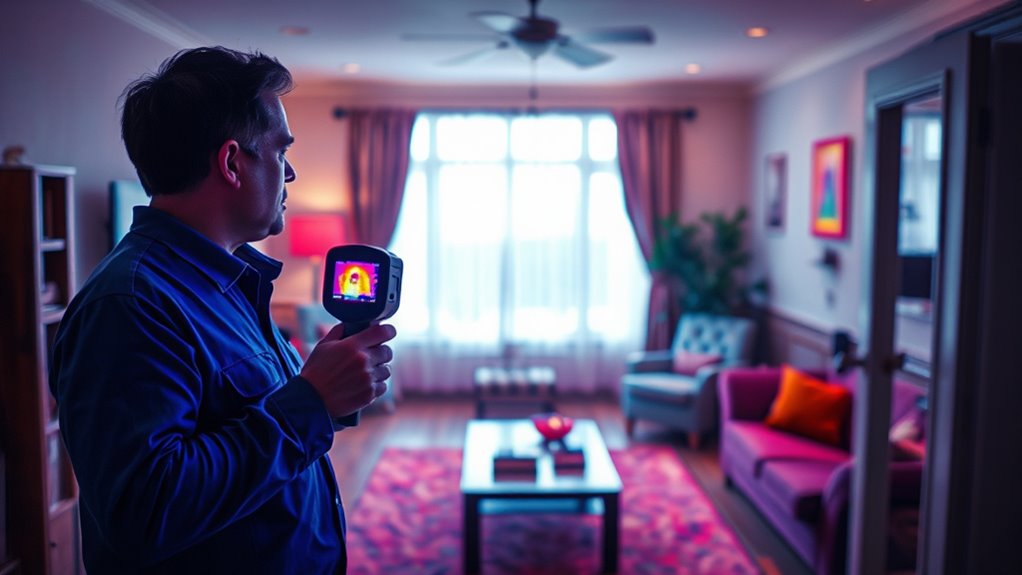
As the audit progresses, expect the auditor to carry out a series of tests. They may use tools like a blower door test to identify air leaks that aren’t visible to the naked eye. These leaks can be around windows, doors, or even where different building materials meet. Sealing these leaks with weatherstripping or caulk can prevent drafts and save you money. They might also use infrared cameras to pinpoint areas of heat loss or gain, offering a clear visual of where insulation improvements are most needed. Additionally, understanding the impact of contrast ratio can help you recognize how visual quality affects your viewing experience, similar to how proper insulation affects your home’s energy efficiency.
Throughout the process, the auditor will offer tailored recommendations based on your home’s unique needs. These suggestions could include adding or upgrading insulation, sealing leaks, or replacing outdated appliances with more efficient models. Expect to receive an easy-to-understand report that highlights the most cost-effective ways to boost your home’s energy efficiency.
Frequently Asked Questions
How Long Does a Home Energy Audit Typically Take?
A home energy audit typically takes about 2 to 4 hours, depending on your home’s size and complexity. During the appointment scheduling process, you’ll choose a convenient time, ensuring the inspector has enough time for a thorough inspection. The inspection duration includes examining your insulation, HVAC systems, windows, and more. Be prepared to answer questions and provide access to various areas, making the process smooth and efficient.
Is a Home Energy Audit Cost-Effective for Small Homes?
A home energy audit is cost-effective for small homes because it helps you identify energy savings opportunities and prioritize home improvement projects. You’ll likely see a quick return on investment through reduced energy bills, making the audit worth your while. Plus, with tailored recommendations, you can make smarter choices that boost comfort and efficiency, ensuring your small home benefits from long-term savings and a more energy-efficient living space.
Can I Perform a DIY Energy Audit Myself?
Yes, you can perform a DIY assessment, but keep in mind it’s less thorough than a professional evaluation. Start by checking for drafts around windows and doors, inspecting insulation, and reviewing your energy bills. Use tools like a thermal camera or smoke pencil if available. However, a professional evaluation offers expert insights and detailed analysis, ensuring you identify all potential energy-saving opportunities effectively.
What Should I Do to Prepare for an Auditor’s Visit?
You might think you’ve got everything covered, but don’t forget to prepare. Review your inspection checklist and gather documentation like utility bills and recent upgrades. Clear clutter from attics, basements, and around appliances so the auditor can do their job efficiently. Fix minor issues ahead of time, and make a list of questions. Being prepared shows you’re serious about saving energy — and might even impress the auditor!
Are There Any Incentives or Rebates Available After an Audit?
Yes, after your home energy audit, you can often access rebate programs and financial incentives to help cover improvement costs. Check with local utility companies or government agencies, as they frequently offer these programs to encourage energy efficiency upgrades. By taking advantage of rebates and incentives, you reduce your overall expenses and make energy-saving improvements more affordable, boosting your home’s efficiency and lowering your energy bills long-term.
Conclusion
A home energy audit might seem like a hassle, but it’s worth the effort. You’ll discover simple ways to save money and boost your home’s comfort, even if you think your energy bills aren’t that high. Remember, catching small issues now prevents bigger problems later. So, don’t hesitate—take the first step toward a more efficient home today. You’ll be surprised how quick and rewarding the process can be!