
Many believe that higher thread counts mean better or softer sheets, but that’s a myth. Thread count alone doesn’t determine quality—in fact, fibers and weave techniques matter more. Long-staple cotton and quality weaving can produce softer, more durable sheets even at moderate thread counts. If you want truly comfortable, lasting bedding, focusing on fiber quality and weave types is key. Keep exploring, and you’ll discover what truly makes sheets feel luxurious.
Key Takeaways
- Higher thread count does not necessarily mean softer or better-quality sheets; fiber quality and weave matter more.
- Natural fibers like Egyptian or Pima cotton provide superior softness and durability, regardless of thread count.
- Weave techniques like percale or sateen influence feel and performance more than the numeric thread count.
- Focus on fiber content and weave quality rather than just the thread count to select long-lasting, comfortable sheets.
- High thread count sheets made from low-quality fibers often feel coarse and wear out faster than lower-count, high-quality options.
Many people believe that higher thread counts automatically mean better, softer sheets, but this isn’t always true. Thread count alone doesn’t tell the whole story about a sheet’s quality. Instead, you should pay attention to fiber content and weave techniques, which play vital roles in how sheets feel and perform. For instance, the type of fiber used impacts softness, durability, and breathability. Cotton, especially long-staple varieties like Egyptian or Pima, tends to produce softer, more luxurious sheets regardless of thread count. Conversely, sheets made from cheaper fibers like polyester or low-quality cotton may have high thread counts but still feel coarse or less durable.
High thread count doesn’t guarantee softness; fiber content and weave matter more for quality and comfort.
When evaluating sheets, consider the fiber content first. High-quality natural fibers typically offer a better experience than synthetic blends. Cotton sheets with a high percentage of long-staple fibers tend to be softer and more breathable. Linen or silk can also provide luxurious feels, but they come with different care requirements and price points. The fiber content directly influences the sheet’s overall quality, longevity, and comfort, so it’s worth investing in good fibers rather than just chasing a higher thread count.
Next, look at the weave techniques used to construct the sheets. The way fibers are woven impacts both the feel and durability of the fabric. Percale, a plain weave, produces crisp, cool sheets that are perfect for warm sleepers or those who prefer a matte finish. Sateen, on the other hand, uses a satin weave to create a smooth, lustrous surface that feels soft against the skin. Some weaves, like twill or jacquard, offer unique textures and durability. The weave technique can sometimes be more indicative of quality than thread count because it determines how tightly the fibers are woven together and how the fabric feels when you touch it.
In the end, don’t be deceived into thinking that a high thread count equals superior quality. Focus on the fiber content to ensure softness and durability, and examine the weave techniques to understand how the fabric feels and performs. A well-made sheet with a moderate thread count, crafted from high-quality fibers and a good weave, will outperform a high-thread-count sheet made from inferior materials. So, when shopping for sheets, prioritize these factors over just chasing numbers, and you’ll find bedding that feels better, lasts longer, and provides a more satisfying sleep experience.

Shilucheng 100% Cotton Queen Size Sheets Set – 600 Thread Count,Luxury Egyptian Cotton Bed Sheets,5-Star Hotel Quality Sheets, Breathable & Cooling, 16 Inch Deep Pocket – 4 Piece (White, Queen)
LUXURY COTTON EXPERIENCE: Enjoy the softness of our 600 thread count cotton sheets, providing a modern and sleek…
As an affiliate, we earn on qualifying purchases.
As an affiliate, we earn on qualifying purchases.
Frequently Asked Questions
Does Thread Count Directly Correlate With Bedding Durability?
Thread count doesn’t directly determine bedding durability. Instead, consider fiber density and weave patterns, which play essential roles. A higher fiber density means more threads per square inch, improving strength, while certain weave patterns like percale or sateen enhance longevity. You should focus on these factors, not just thread count, to find bedding that lasts longer and maintains quality over time.
Are Higher Thread Counts Always Softer?
You might think higher thread counts are always softer, but that’s not true. Studies show that the fiber density and weave patterns play a bigger role in softness. For example, a 300-thread-count sheet with a high-quality weave can feel softer than a 600-thread-count sheet made with cheaper fibers. So, focus on the quality of fibers and weave patterns, not just thread count, for the ultimate comfort.
How Does Fiber Quality Influence Thread Count Perception?
Fiber quality considerably influences how you perceive thread count. High-quality fibers, like long-staple cotton, offer greater fiber strength, allowing for finer, more durable yarns. This enhances the weave patterns, making the fabric feel softer and more luxurious even at lower thread counts. So, when choosing bedding, remember that superior fiber quality improves the overall feel and durability, regardless of the thread count.
Can Low Thread Count Sheets Be Comfortable?
Yes, low thread count sheets can be comfortable if they have a good fiber texture that feels soft against your skin. The key is selecting sheets made from high-quality fibers like Egyptian cotton or linen, which breathe well and help regulate your sleep temperature. Proper fiber quality guarantees comfort even with lower thread counts, providing a cozy, breathable sleep experience without needing a high thread count.
Is Thread Count Relevant for All Types of Bedding Materials?
Thread count isn’t equally relevant for all fabric types because manufacturing processes vary. For cotton sheets, higher thread counts often mean softer, more durable fabric, but for linen or bamboo, other factors like fiber quality matter more. You should consider the specific fabric type and how it’s made rather than just the thread count. Focus on overall quality, feel, and care instructions to find bedding that suits your comfort needs best.
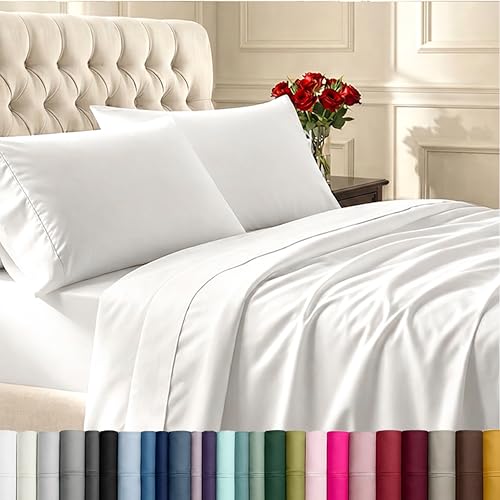
California Design Den Natural 100% Cotton Sheets Queen Size Bed Set – Soft 400 Thread Count Sateen, Queen Sheets, Deep Pockets with All Around Elastic for a Snug Fit, Durable Bedding – White
OUR SHEET SET HAS EARNED THE GOOD HOUSEKEEPING SEAL – Everyday Ease Cotton Sheets: Our 400 thread count…
As an affiliate, we earn on qualifying purchases.
As an affiliate, we earn on qualifying purchases.
Conclusion
Don’t fall for the myth that higher thread count always means better quality. Imagine Sarah, who bought a 1000-thread-count sheet, only to find it was scratchy and pilled after a few washes. Instead, focus on the fabric’s quality and weave. Choosing the right sheets can transform your sleep experience and save you money. Remember, it’s not about the number; it’s about comfort, durability, and how well the sheets actually feel on your skin.
California Design Den Natural 100% Cotton Sheets Queen Size Bed Set – Soft 400 Thread Count Sateen, Queen Sheets, Deep Pockets with All Around Elastic for a Snug Fit, Durable Bedding – White
OUR SHEET SET HAS EARNED THE GOOD HOUSEKEEPING SEAL – Everyday Ease Cotton Sheets: Our 400 thread count…
As an affiliate, we earn on qualifying purchases.
As an affiliate, we earn on qualifying purchases.

100% Pure Linen Sheet Set Luxury Natural Linen Sheets 4pcs King Size, Breathable Bedding Set Deep Pocket Up to 16" Softens with Every Wash, Relaxed Texture (Linen King)
Made From Longer Fiber Flax: Flax grown in ideal temperate climates (50–77°F), producing naturally strong and breathable linen;…
As an affiliate, we earn on qualifying purchases.
As an affiliate, we earn on qualifying purchases.