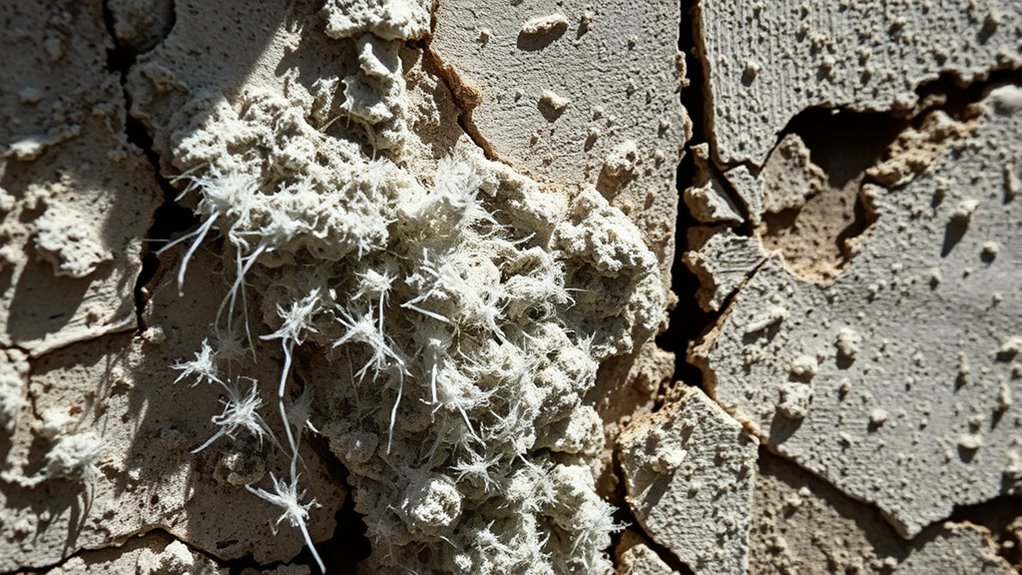

Asbestos is commonly found in older buildings, especially in insulation, ceiling and floor tiles, roofing shingles, siding, textured paints, and patching compounds. It can be present in homes built before the 1980s, but some newer structures may also contain it. If you suspect asbestos, don’t disturb it yourself—contact licensed professionals for safe assessment and removal. Staying informed will help you understand where asbestos may be hiding and how to keep yourself protected.

Get kitchen staples and gadgets delivered free — and shop member deals
- Fast, free delivery on millions of items
- Access to Prime Big Deal Days deals on October 6–7
- Prime Video, Amazon Music and more included
Key Takeaways
- Asbestos is commonly found in older building materials like insulation, ceiling tiles, floor tiles, roofing shingles, and textured paints.
- It becomes hazardous when disturbed, releasing fibers that can be inhaled and cause serious health issues.
- Do not attempt to remove or handle asbestos yourself; hire licensed professionals for assessment and safe removal.
- Certified asbestos abatement specialists use specialized equipment and follow strict safety protocols during removal.
- Proper disposal of asbestos waste is essential to prevent environmental and health risks.

Asbestos is a naturally occurring mineral that was widely used in building materials for decades due to its heat resistance and durability. If you suspect asbestos is present in your home or workplace, it’s vital to understand the health risks involved. Asbestos fibers become dangerous when they are disturbed and released into the air, where they can be inhaled. These tiny fibers can embed in your lungs and other tissues, leading to serious health problems over time. Diseases such as asbestosis, lung cancer, and mesothelioma are well-documented consequences of asbestos exposure. Because of these risks, handling asbestos isn’t a DIY project. Instead, you should always seek professional assistance for safe removal. Professionals are trained to identify asbestos-containing materials and follow strict safety protocols to prevent fiber release during removal.
You might find asbestos in various building materials, especially in older structures. Common locations include insulation around pipes and boilers, ceiling tiles, floor tiles, roofing shingles, and siding. Sometimes, asbestos was used in textured paints or patching compounds. If your home was built before the 1980s, there’s a higher chance that asbestos-containing materials are present. But even newer buildings can contain asbestos, particularly if renovations were done using older materials or if asbestos-containing products were imported. Additionally, some appliances or insulation materials may have contained asbestos, particularly in certain commercial or industrial settings.
When it comes to health risks, the key is to avoid disturbing these materials. Asbestos is most hazardous when it becomes friable—that is, when it can be crumbled or turned into dust with little effort. Once asbestos fibers become airborne, they pose a significant health threat to anyone nearby. That’s why safe removal by certified professionals is essential. They use specialized equipment like HEPA filters and protective gear to contain and safely extract asbestos. They also follow strict regulations to minimize exposure and ensure that asbestos waste is disposed of properly.
If you discover or suspect asbestos in your property, don’t attempt to remove it yourself. Disturbing asbestos-containing materials without proper training and equipment can increase health risks. Instead, contact licensed asbestos abatement specialists who can assess the situation, perform safe removal, and ensure that your environment remains safe afterward. Remember, protecting your health and that of your loved ones depends on responsible handling. Proper removal and disposal are the best ways to eliminate asbestos hazards, so don’t compromise safety by attempting to do it on your own. Your proactive approach can prevent future health issues and give you peace of mind knowing that your home or workplace is asbestos-free. Professional assessment is crucial to ensure safe and effective asbestos removal.
HEPA air purifier for asbestos particles
As an affiliate, we earn on qualifying purchases.
As an affiliate, we earn on qualifying purchases.
Frequently Asked Questions
How Can I Identify Asbestos in My Home?
You can’t reliably identify asbestos yourself because DIY detection isn’t accurate. Instead, schedule asbestos testing with a certified professional who can safely analyze suspect materials. Look for common signs like old insulation, textured ceiling tiles, or pipe insulation, but don’t rely solely on visual cues. Handling asbestos without proper equipment is dangerous, so always get a licensed expert to conduct testing and confirm whether asbestos is present in your home.
Are There Safe Methods to Remove Asbestos Myself?
They say “a job worth doing is worth doing right,” and when it comes to asbestos removal, that couldn’t be more true. DIY removal isn’t safe; asbestos fibers are hazardous when disturbed. For your personal safety, always hire licensed professionals instead of attempting DIY removal. They have the proper equipment and training to handle asbestos safely, preventing health risks for you and your family. Don’t cut corners—your health is worth it.
What Are the Health Risks of Asbestos Exposure?
Exposure to asbestos can seriously harm your health, increasing your risk of lung diseases like asbestosis, mesothelioma, and lung cancer. You might experience symptoms such as shortness of breath, persistent cough, chest pain, or fatigue. It’s vital to minimize asbestos health risks by avoiding disturbance of asbestos materials. If you suspect exposure, seek medical advice promptly to monitor symptoms and receive appropriate treatment, as early detection improves outcomes.
How Often Should Asbestos Inspections Be Conducted?
You should conduct asbestos inspections at least annually, especially if your property was built before 1980. Use asbestos detection methods like visual inspections and sampling to identify any hazards. Follow inspection frequency guidelines from local regulations and industry best practices, increasing the frequency if you notice damage or deterioration. Regular inspections help catch potential risks early, protecting your health and ensuring compliance. Stay proactive with consistent assessments.
What Are Legal Regulations Regarding Asbestos Disposal?
You must follow asbestos regulations for disposal to stay compliant with the law. Make certain you use licensed disposal facilities and properly package asbestos materials to prevent fiber release. Disposal compliance involves sealing asbestos in approved containers and labeling them clearly. Always keep records of your disposal activities and adhere to local, state, and federal guidelines. Failing to comply can lead to hefty fines and health risks, so prioritize safe, legal disposal practices.
Conclusion
Remember, knowledge is power when it comes to asbestos. By staying informed about where it might be lurking and taking proper precautions, you can protect yourself and your loved ones. If you suspect asbestos, don’t hesitate to seek professional help before attempting any removal. After all, an ounce of prevention is worth a pound of cure—so stay vigilant, stay safe, and don’t let asbestos catch you off guard. Your health is worth it.
Fall Picks
fall essentials
As an affiliate, we earn on qualifying purchases.